

Vultures & Osprey
Famous fishers, soaring scavengers, and one remarkable conservation comeback.
How to Notice Vultures & Osprey
Where to Find Them
Look for Ospreys around reservoirs, lakes, rivers, and other open water with fish. Turkey Vultures are more widespread, soaring above foothills, canyons, farmland, roads, and open country. California Condors are rare, but southern Utah and the canyon country around northern Arizona offer the best chance.
What to Watch For
Watch the silhouette first. Turkey Vultures rock gently with their wings held in a shallow V. Ospreys show long angled wings, a white head, and a bold dark eye stripe. A California Condor looks enormous, with broad wings and long fingered tips.
Listen Closely
These birds rely more on sight than sound for identification, but they are not silent. Turkey Vultures give quiet hisses and grunts at nests or feeding sites. Ospreys often whistle with a series of high, sharp 'cheep-cheep-cheep' calls around nests, while California Condors communicate with surprisingly soft hisses, grunts, and low growls.
Explore Further
- The Osprey Guy (FeatherQuest)
- California Condor Recovery (U.S. Fish & Wildlife Service)
- California Condor Project (The Peregrine Fund)
- Condors at Navajo Bridge (National Park Service)
Turkey Vultures
Turkey Vultures are among the easiest large birds to recognize once you learn how they fly. They soar for long stretches without flapping, rocking gently from side to side while holding their wings in a shallow V.
From below, their two-toned wings are another major clue. The darker leading edge and body contrast with paler flight feathers across the trailing half of each wing, creating a broad silvery V as the bird circles overhead.
These birds are scavengers, using an unusually strong sense of smell to locate carrion across large open landscapes. By finding and consuming dead animals, they help return nutrients to the ecosystem and remove material that might otherwise spread disease.
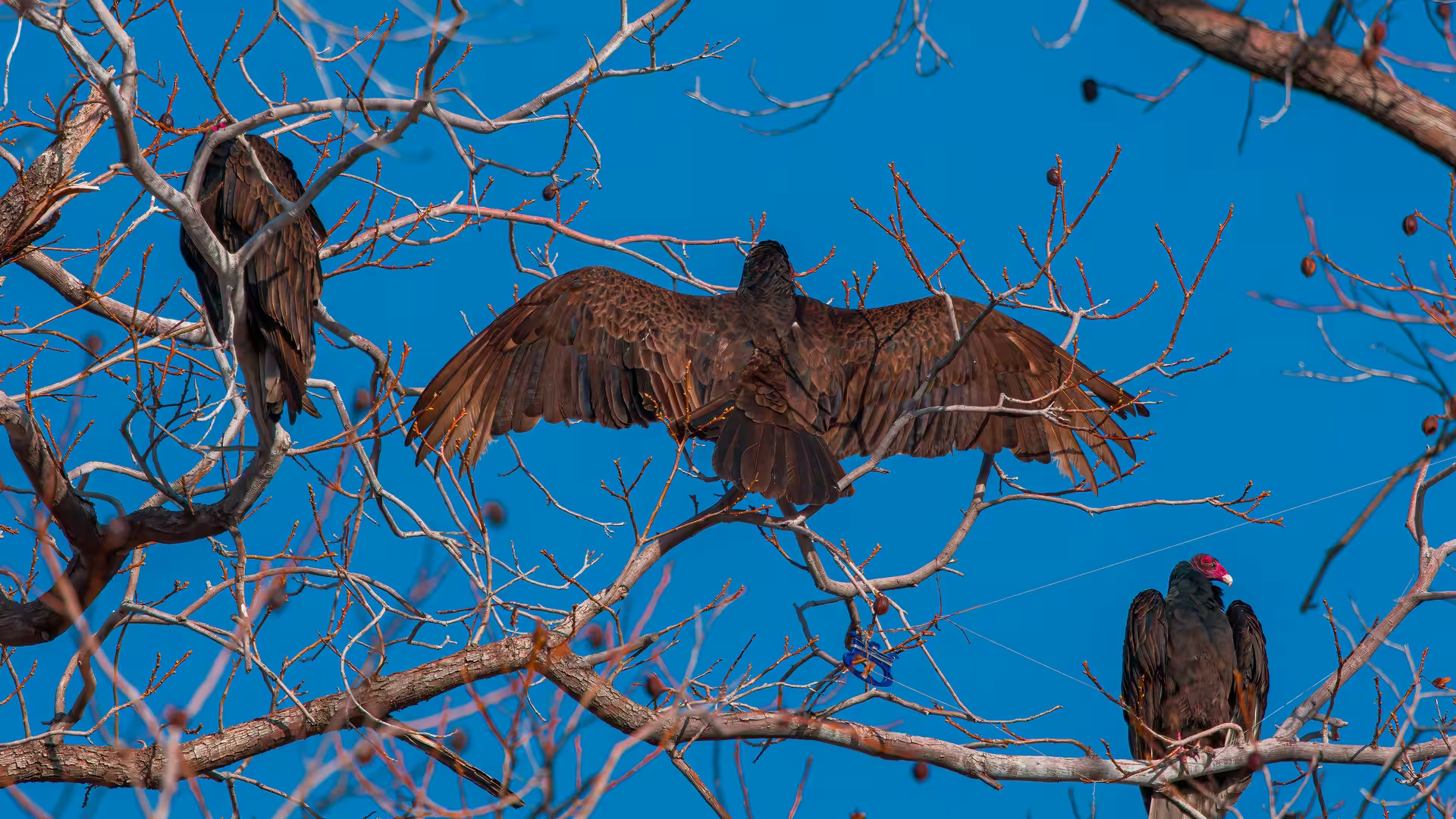
Turkey Vultures often gather in groups while riding rising columns of warm air. Early in the morning, before those thermals develop, they may perch together in trees with their wings spread wide to warm up and dry moisture from their feathers.
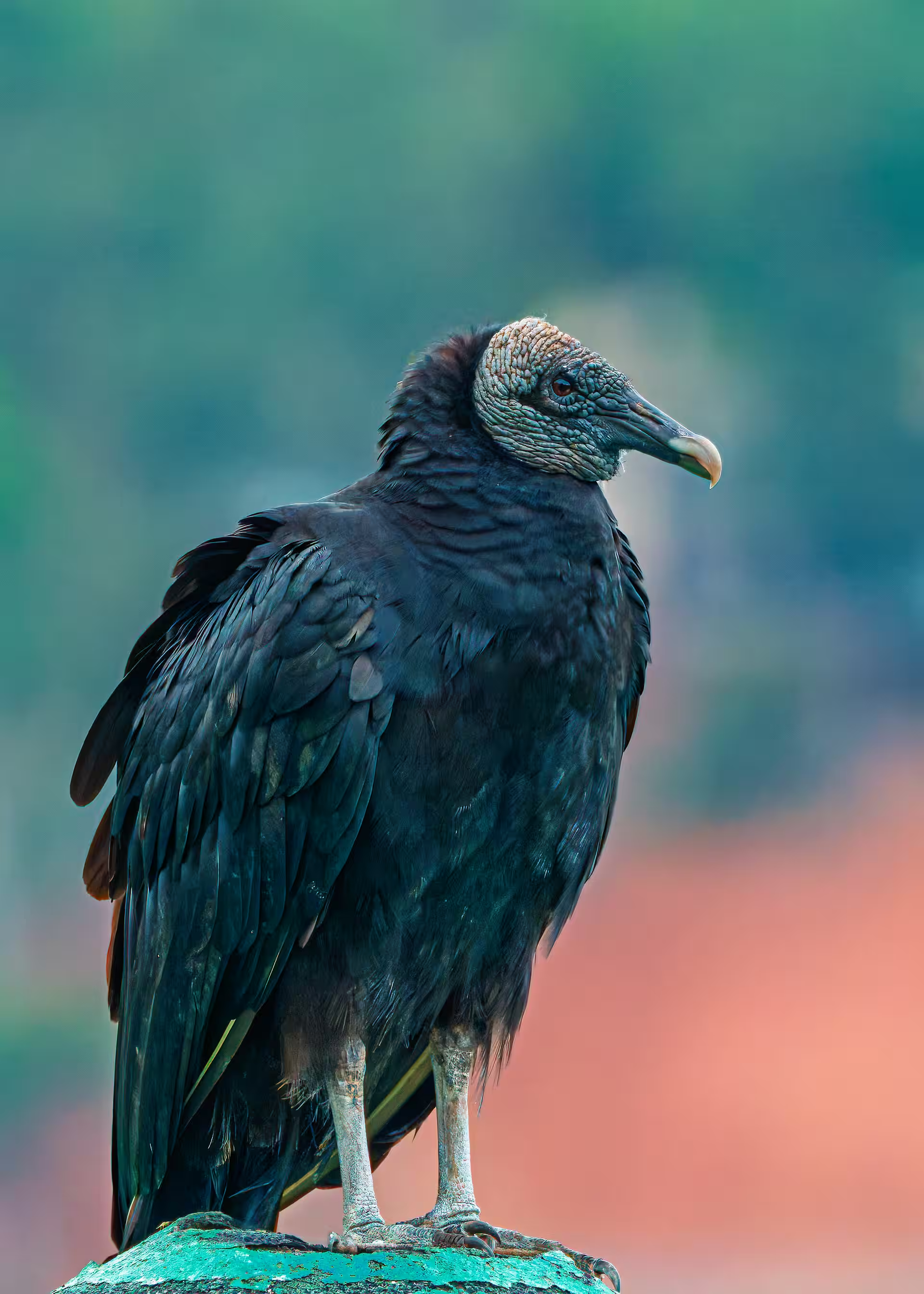
If your birding adventures take you beyond Utah, you're likely to meet the Turkey Vulture's close cousin. Black Vultures are common across much of the southeastern United States and throughout Central and South America. They appear more compact than Turkey Vultures, with shorter tails, quicker wingbeats, and pale patches near the wingtips.
Osprey
Few birds make fishing look as dramatic as an Osprey. These large raptors specialize almost entirely on fish and are built to find, catch, and carry slippery prey.
An Osprey may circle above a lake or river, then pause in its famous hovering flight while watching the water below. I still remember seeing that behavior early one morning: the bird seemed to hang in place before folding into a sudden feet-first dive.
Their feet include rough, spiny pads and an outer toe that can rotate backward, helping them clamp onto a fish with two toes facing forward and two facing back. After leaving the water, they often turn the fish head-first to reduce drag while flying.

Ospreys are found on every continent except Antarctica and are the only living member of their family, Pandionidae. Their widespread recovery after the DDT era is encouraging, but nesting birds still face modern threats—including baling twine that can become tangled around adults and chicks.
That problem inspired Parker Boyack to create the Utah Osprey Project. His story shows how one person’s curiosity can grow into practical conservation through nest monitoring, partnerships, cleanup work, and public awareness.
California Condor
The California Condor is one of North America’s most extraordinary birds—and one of its most ambitious conservation stories. With a wingspan near ten feet, it is the continent’s largest land bird.
By the 1980s, the entire population had fallen to just 22 birds. The last wild condors were brought into captivity in 1987 so conservation teams could protect the remaining population and build a carefully managed breeding program.
Releases began in the 1990s, including a major effort at Vermilion Cliffs in northern Arizona. Today more than 500 California Condors exist, with more than 300 flying free. The Arizona–Utah population now ranges from the Grand Canyon into southern Utah.
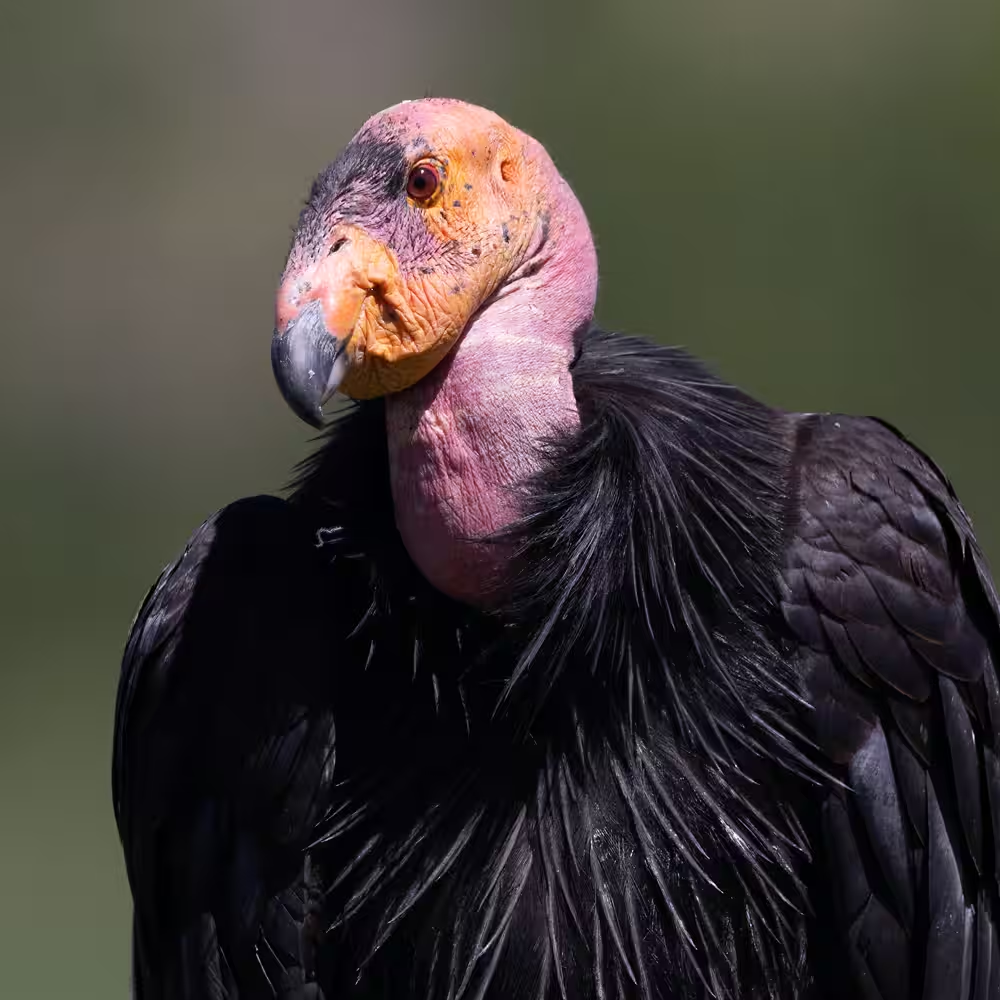
The recovery is remarkable, but the species remains critically endangered. Lead poisoning continues to be its greatest ongoing threat because condors can ingest tiny fragments of lead ammunition while feeding on carcasses and gut piles.
The Peregrine Fund leads much of the fieldwork in the Arizona–Utah population, working with the U.S. Fish and Wildlife Service, National Park Service, state wildlife agencies, land managers, hunters, and other partners. Teams release birds, monitor nests, conduct health checks, treat lead exposure, and encourage the use of non-lead ammunition.
I still have not seen a California Condor, but one of the best places to look is Navajo Bridge in Glen Canyon National Recreation Area near Marble Canyon, Arizona. Condors regularly gather around the bridge and surrounding cliffs, making it one of the most dependable viewing locations in the Southwest.
Utah Edition Endcap
Want to keep exploring? You can read more Guides or join the FeatherQuest updates to hear when new ones go live.