

The Osprey Guy
How curiosity, conservation, and one phone call led Parker Boyack to build the Utah Osprey Project
Table of Contents
Not What I Expected
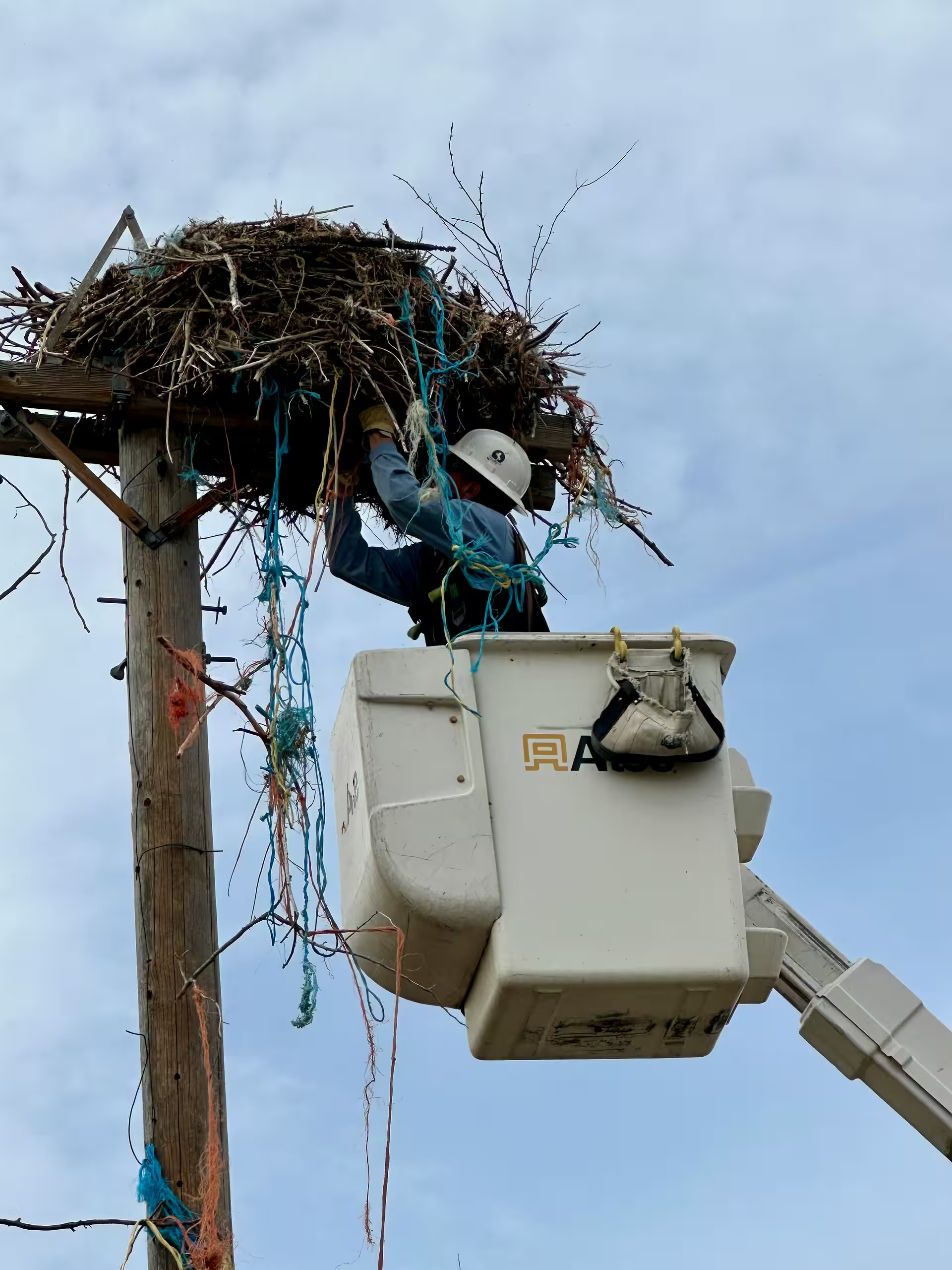
When I sat down for lunch with Parker Boyack, I expected to meet an osprey guy. What I found instead was a marketer, SEO specialist, firefighter, falconer, wildlife rehab volunteer, property manager, habitat builder, and conservationist.
Every time I thought I understood his background, another chapter appeared. The conversation ran well past lunch because Parker's story isn't really about ospreys. It's about curiosity.
A Man of Many Paths
Before launching the Utah Osprey Project, Parker spent years building an unusually diverse collection of experiences. He worked in communications, SEO, marketing, and lead attribution. He spent time with organizations connected to Novell and HP and later worked at a marketing agency helping businesses improve visibility and growth.
Then life shifted. Remote work left him feeling disconnected from the hands-on projects he enjoyed. Around the same time he rented rooms in his Springville home to firefighters and became fascinated by their lifestyle and sense of purpose.
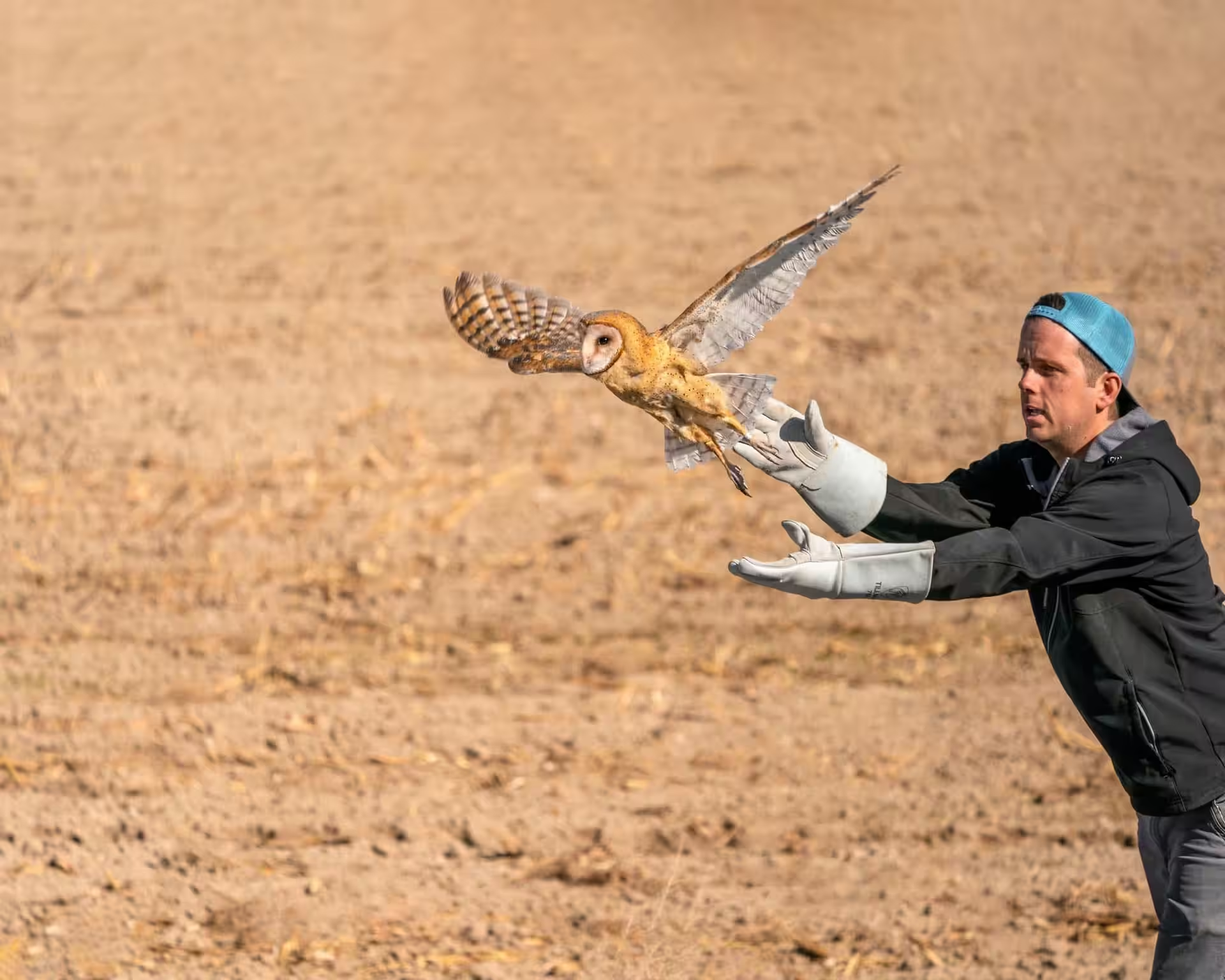
Eventually he became a firefighter himself. At the same time he pursued falconry, volunteered with wildlife rehabilitation organizations, managed remote properties, and built wildlife habitat in his own backyard.
As Parker told me: 'I am certainly a jack of all trades and insatiably curious.' That curiosity became the common thread connecting every chapter of his life.
The Call That Changed Everything
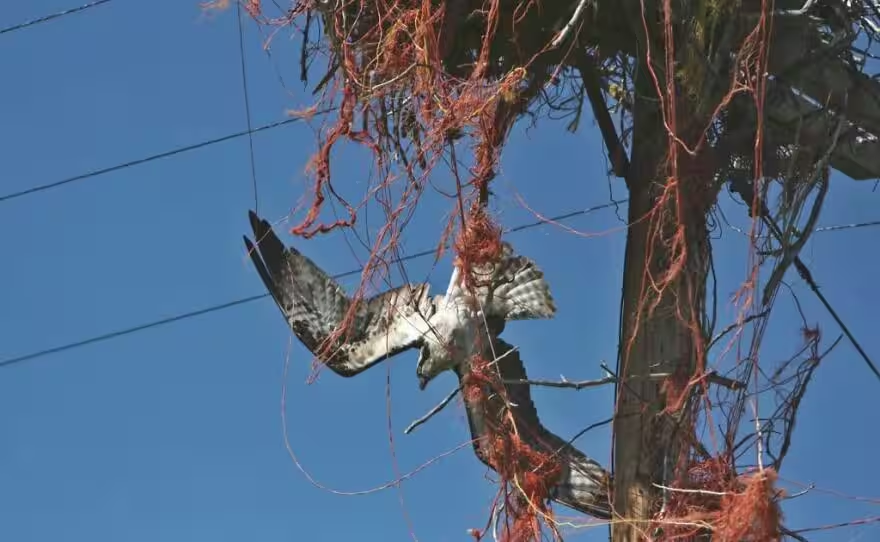
The Utah Osprey Project began with a phone call from Patti Richards of Great Basin Wildlife Rescue. She was frustrated by the number of injured and dying ospreys arriving in her care.
Many had become entangled in baling twine collected from agricultural fields and woven into nests. She shared photos with Parker. The problem was larger than he realized and few people seemed focused on solving it.
That conversation sparked what would eventually become the Utah Osprey Project.
The First Nest Visit
After speaking with Patti, Parker became what he describes as an 'osprey information vacuum.' He wanted to learn everything he could.
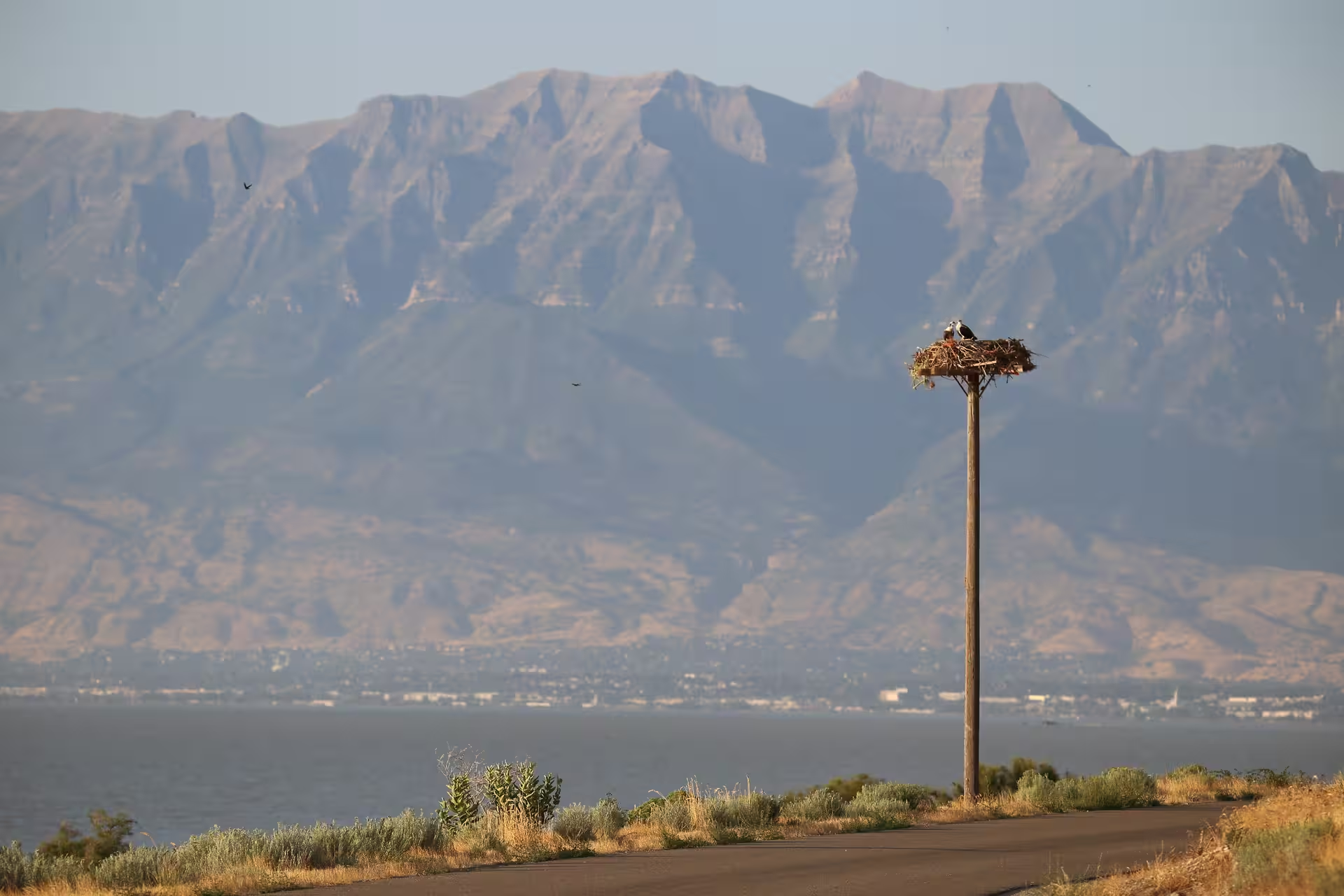
One of his first trips took him to an osprey platform near Utah Lake. Looking up, he immediately saw the problem. Twine hung from the nest in every direction.
Then the female osprey arrived and circled overhead. In that moment, the issue stopped being a statistic and became personal.
'That first osprey nest visit sealed the deal,' Parker told me.

Solving Problems Nobody Owns
Nobody is anti-osprey. In fact, many organizations care deeply about birds of prey. The challenge is that agencies often have larger priorities and limited resources.
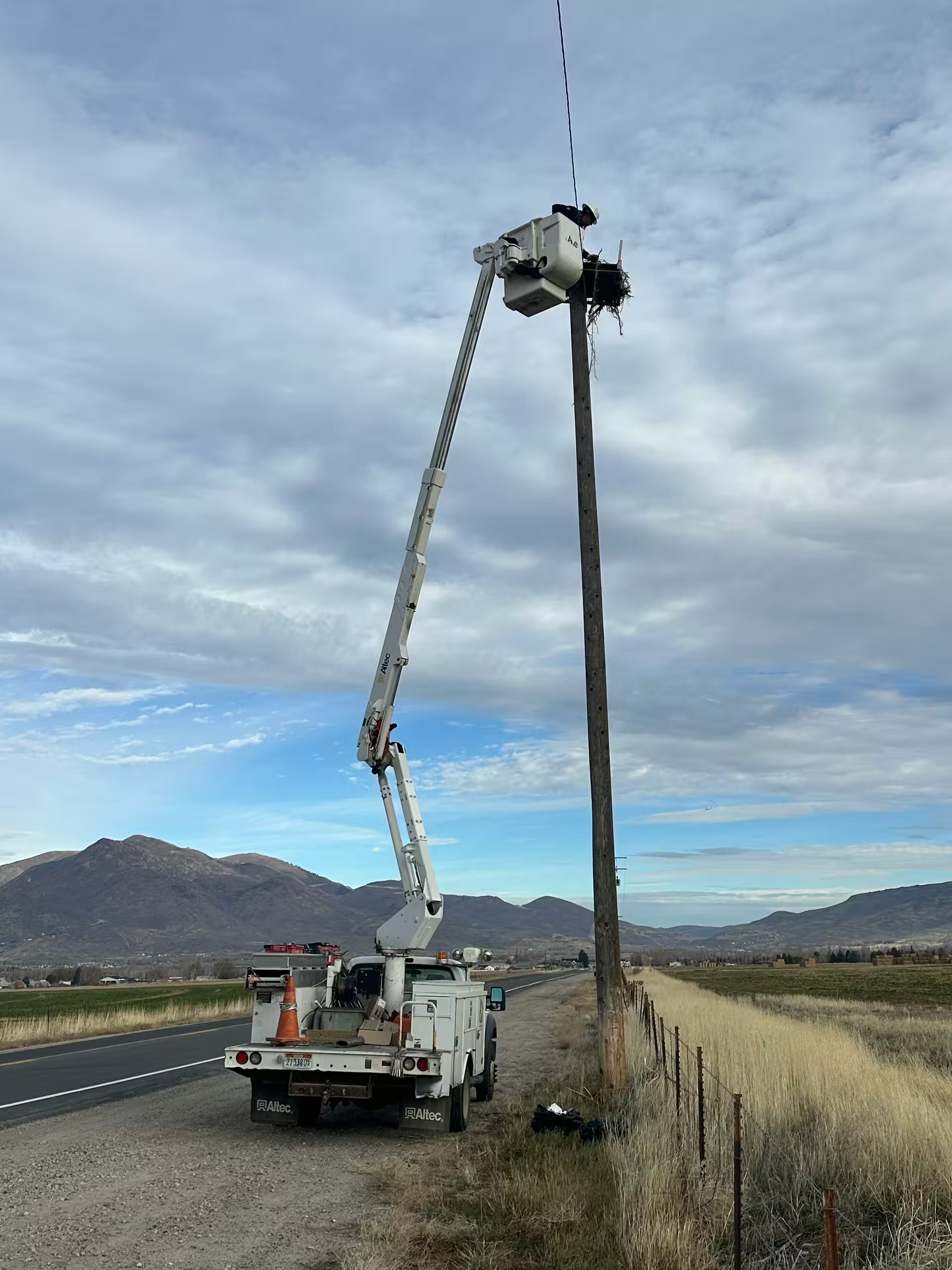
Parker found a niche where one motivated person could make a meaningful difference. He works with utilities and partners to identify nests, clean dangerous material, improve nesting opportunities, and advocate for proactive management.
One long-term goal is obtaining greater independence through equipment such as a bucket truck, allowing more work to happen when opportunities arise.
More Than Just a Bird
The more Parker learned about ospreys, the more fascinated he became. The bird at the center of his conservation work wasn't just another raptor—it was one of the world's most specialized predators.
Ospreys can be found on every continent except Antarctica and are among the most widely distributed birds of prey on Earth. Whether soaring above a Utah reservoir, a Florida coastline, or a Scandinavian lake, they have become one of the world's great fishing specialists.
Despite their global distribution, ospreys are surprisingly unique. They are the only living member of their family, Pandionidae, meaning they have no close living relatives. In a world filled with hawks, eagles, falcons, and other raptors, the osprey stands alone.
Their feet are specially adapted for catching fish, with reversible outer toes and rough spiny pads that help grip slippery prey. They can plunge feet-first into the water, emerge with a fish in their talons, and often rotate their catch head-first in flight to reduce drag. Fish make up nearly their entire diet.
Most people think of ospreys simply as beautiful fish-eating raptors. Parker sees something more: an opportunity to better understand ecosystems.
Ospreys are an indicator species. Their population crashed during the DDT era before rebounding through conservation efforts. Today they may be providing benefits we do not fully understand.

Building Habitat at Home
One of the most interesting parts of our conversation had nothing to do with osprey nests. It was Parker's backyard.
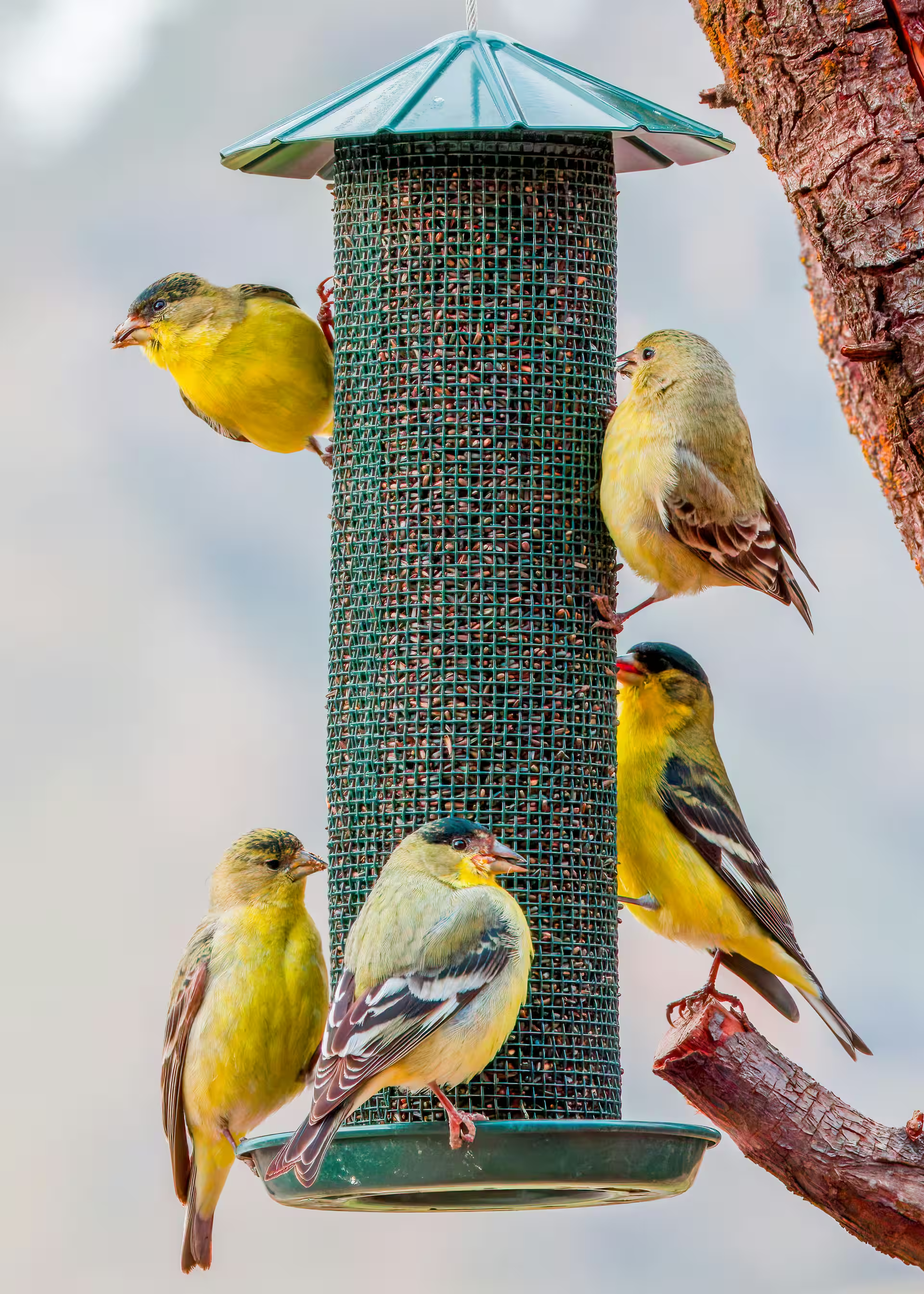
Over the years he has planted native vegetation, improved habitat, added water features, and created an environment that attracts birds in the middle of Springville.
He also works with animal control to trap feral cats, one of the biggest threats to local birds. The result is a small but meaningful sanctuary where wildlife can thrive.
It is a reminder that conservation doesn't always start with a nonprofit. Sometimes it starts in your own yard.
A Vision for the West
When I asked what success would look like in ten years, Parker's answer surprised me. He isn't just thinking about Utah.
Many western states face similar challenges involving baling twine, nesting opportunities, and understanding osprey impacts. Parker believes there is an opportunity to expand knowledge and conservation efforts throughout the western United States.
His vision includes more nesting habitat, better education, stronger partnerships with farmers, and research that demonstrates the benefits ospreys provide.
Talk to People
When I asked what advice he would give someone who wants to help wildlife, his answer was simple: Talk to people.
Call someone. Ask questions. Offer help. Some people have time. Some have talent. Some have resources. Opportunities appear when people connect.
The advice felt fitting because that is exactly how this story happened. One phone call led Parker to ospreys. One lunch led me to Parker's story.
Conservation often feels like something reserved for experts. Parker's journey suggests otherwise. Sometimes it begins with curiosity, a conversation, and the willingness to get involved.
Want to help? The Utah Osprey Project is always looking for people who care about wildlife and conservation. Whether you can volunteer, support research, help monitor nests, or simply spread awareness, there are plenty of ways to make a difference.