
The Origin of FeatherQuest
How noticing birds changed the way I see the world | By Mike Marshall
Table of Contents
Origin Story
My journey into bird watching started with curiosity. What I didn’t have was any real knowledge of the birding world. At the time I probably would have struggled to correctly identify a robin.
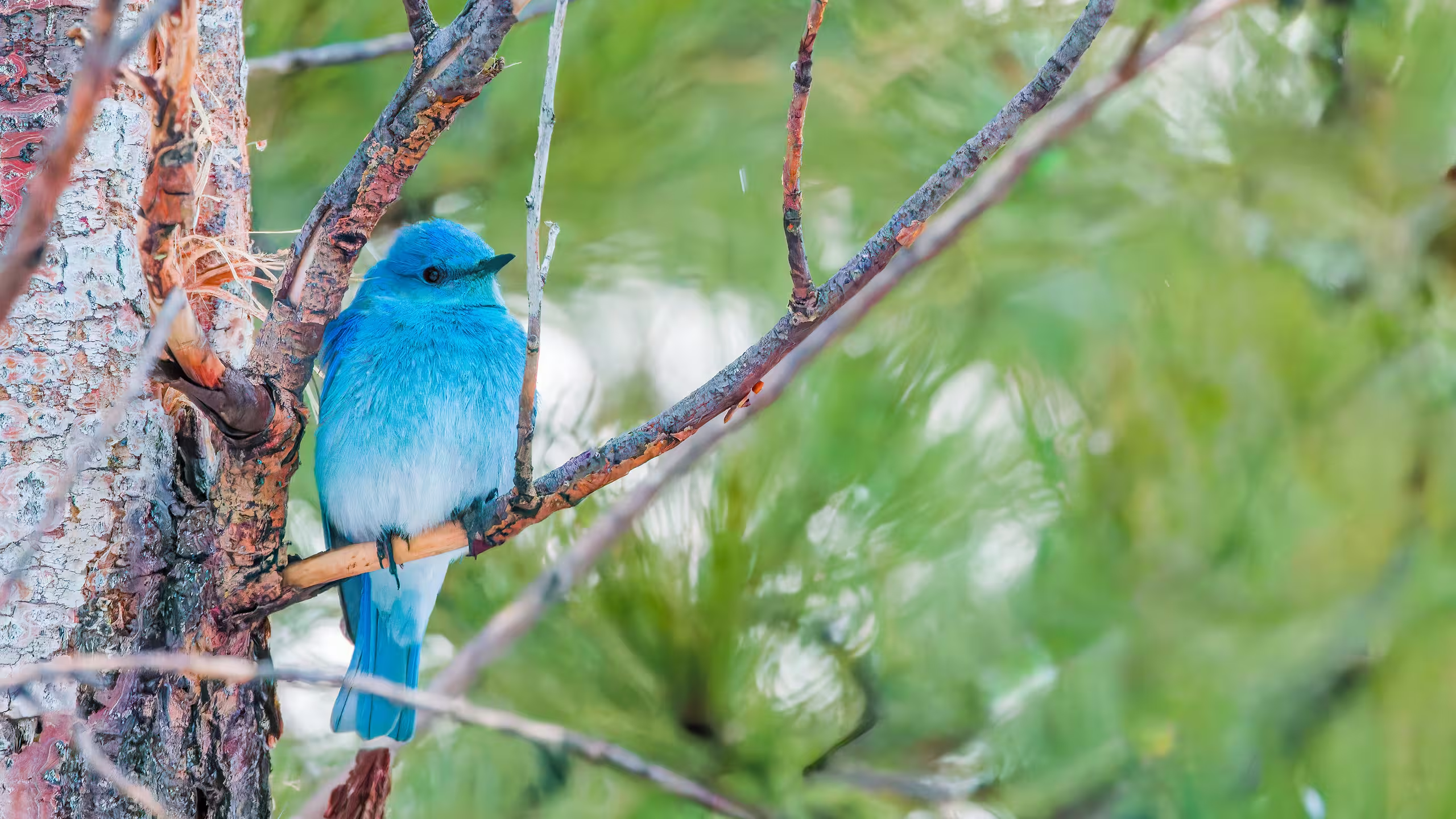
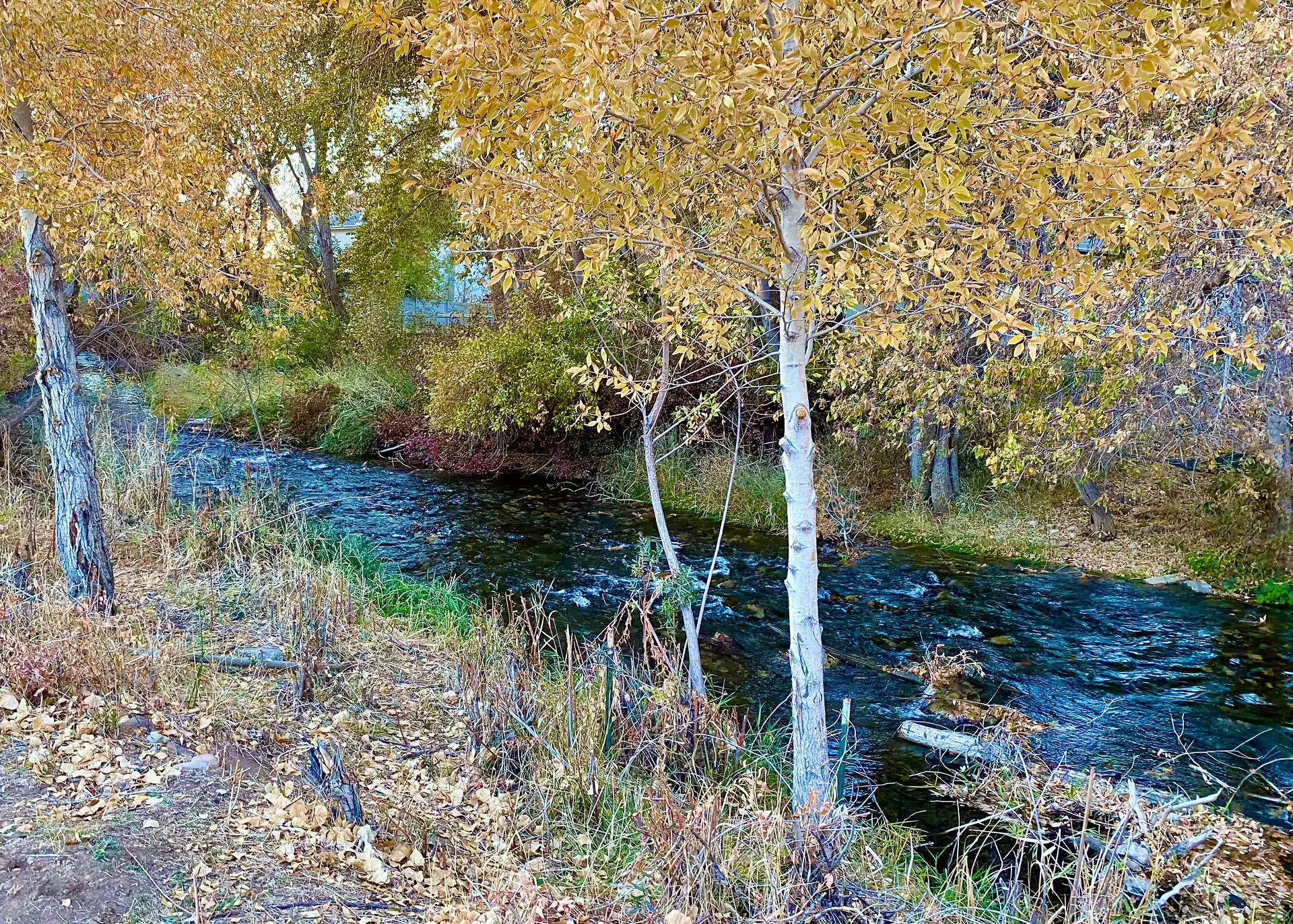
But when we moved into our home in Mapleton next to Hobble Creek, the birds were everywhere. One day, in the spring of 2022, my wife casually suggested that maybe we should figure out what kinds of birds they actually were. That curiosity quickly led to some amazing early sightings — including bright Mountain Bluebirds showing up in the trees around our yard.
For most of my career I’ve worked in technology, building systems and platforms that help people navigate complex things more easily. That mindset naturally shapes how I approach new challenges.
When I first started exploring birding, I quickly discovered something surprising. Even with incredible modern tools — apps like Merlin, online birding communities, field guides, and endless information online — starting still felt overwhelming.
There were hundreds of species, unfamiliar names, and tiny details that experienced birders seemed to recognize instantly. At the same time, the excitement of discovering birds for the first time kept pulling me forward.
As I continued learning, I began noticing a few simple patterns that helped everything start to click. Those patterns eventually became the foundation of FeatherQuest.
The Moment I Started Noticing Birds
Ironically, part of the inspiration came from Pokémon.
Like millions of people, I spent time catching digital creatures — first on my childhood Game Boy, and later on my phone. It was fun — but it also planted a strange realization.
If we could get this excited chasing virtual creatures, what about the real wildlife already around us?
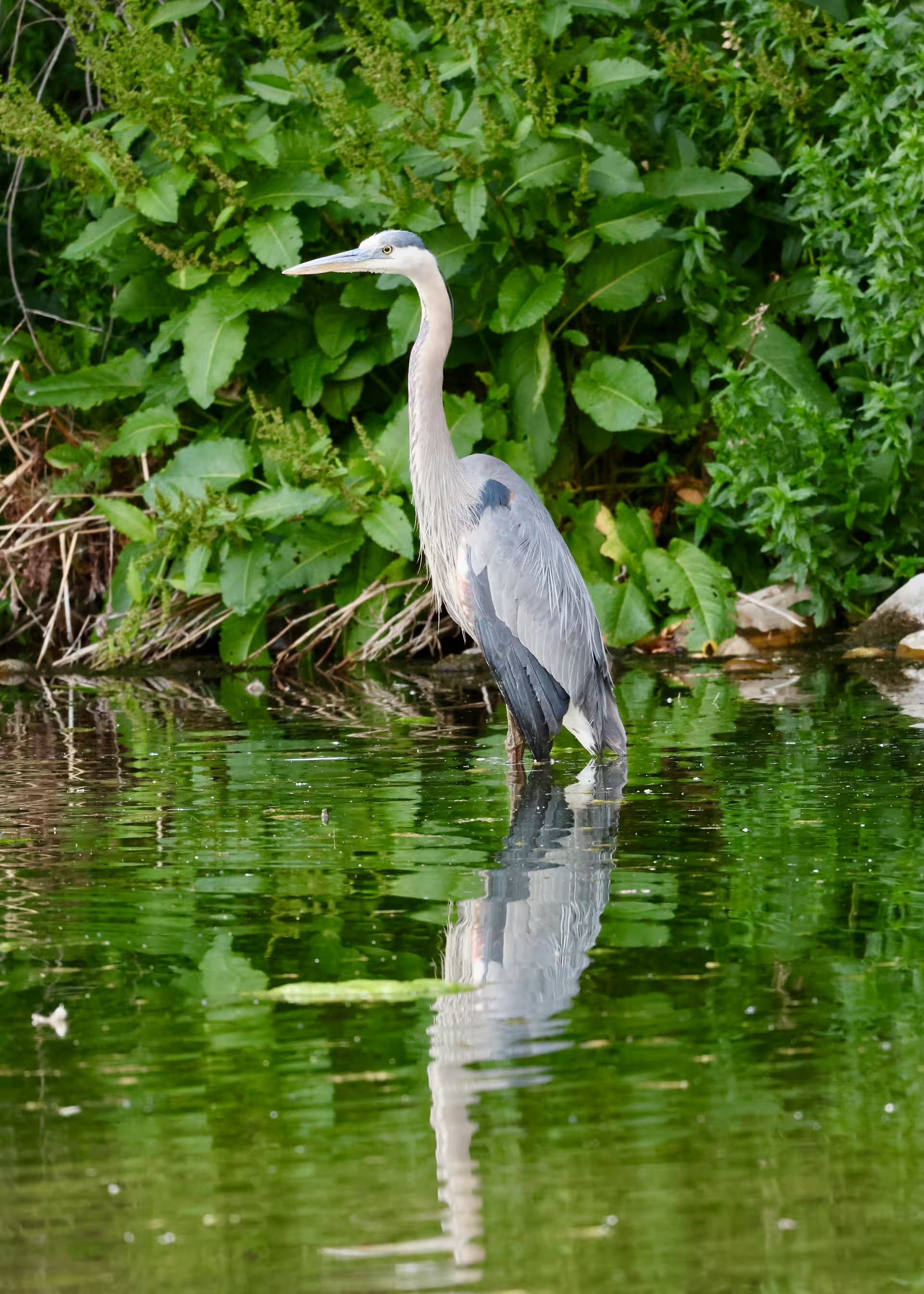
One of my earliest 'whoa' moments came not long after I bought a camera to help freeze birds in photos so I could identify them later. We walked up to the reservoir near our house, and I suddenly noticed a huge bird standing in the water.
I remember thinking: what in the world is that thing?
It was a Great Blue Heron — a bird I had somehow lived my entire life without really noticing. I posted the photo to friends, and several of them had the exact same reaction: I didn't know we had birds like that in Utah.
When Everything Started Clicking
Around the same time I discovered the Merlin app. Suddenly photo ID and sound ID could tell me what birds I was hearing and seeing. It honestly felt like having a real-life Pokédex in my pocket.
That combination — curiosity, technology, and the thrill of discovery — was incredibly fun. It triggered the same adventurous feeling as Pokémon: the sense that there were thousands of creatures out there waiting to be found.
My eyes started looking up more. My ears perked up to new sounds. Skills that had been dormant for years suddenly started waking up.
And the more I noticed, the more I realized something surprising: birds had been everywhere all along.
Birding, I realized, isn't really about memorizing species. It's about learning how to notice.

Why FeatherQuest Exists
Most birding resources are built for people who are already birders.
When I started, I ran into two big obstacles. First, I'm colorblind, which made it hard to trust my eyes when guides talked about subtle color differences. Second, birds move fast — sometimes you only see them for a few seconds.
That’s why I leaned into photography almost immediately. Getting a clear photo allowed me to slow the moment down and use tools like Merlin to confirm what I was seeing. Capturing the shot felt a lot like catching something in Pokémon — suddenly the identification felt real and my confidence grew.
Even today, when I open traditional bird guides, my brain still melts a little trying to process every feather marking and technical term. There are a lot of new words, diagrams, and tiny details that experienced birders learn over years.
What I discovered, though, is that you don’t need to master all of that to have an incredible time birding.
Once you begin noticing birds, patterns start to appear — especially at the family level. Hawks behave like hawks. Herons move like herons. Finches feed like finches. Understanding those broader patterns makes the world of birds suddenly feel much more approachable.
FeatherQuest exists for the moment when someone looks up, sees a bird, and thinks: wow… that was interesting.
That small spark of curiosity is where the adventure begins.
Instead of overwhelming beginners with hundreds of species and technical terminology, FeatherQuest focuses on the joy of discovery. Once people begin noticing birds, curiosity naturally follows — and curiosity eventually leads to deeper learning.
And something else happens too: once people start noticing birds, they begin caring about them. You can’t care about something you didn’t even know existed. Noticing is the first step toward appreciation, and appreciation is often the first step toward conservation.
FeatherQuest is designed as the doorway into that journey.
How Discovery Fits In
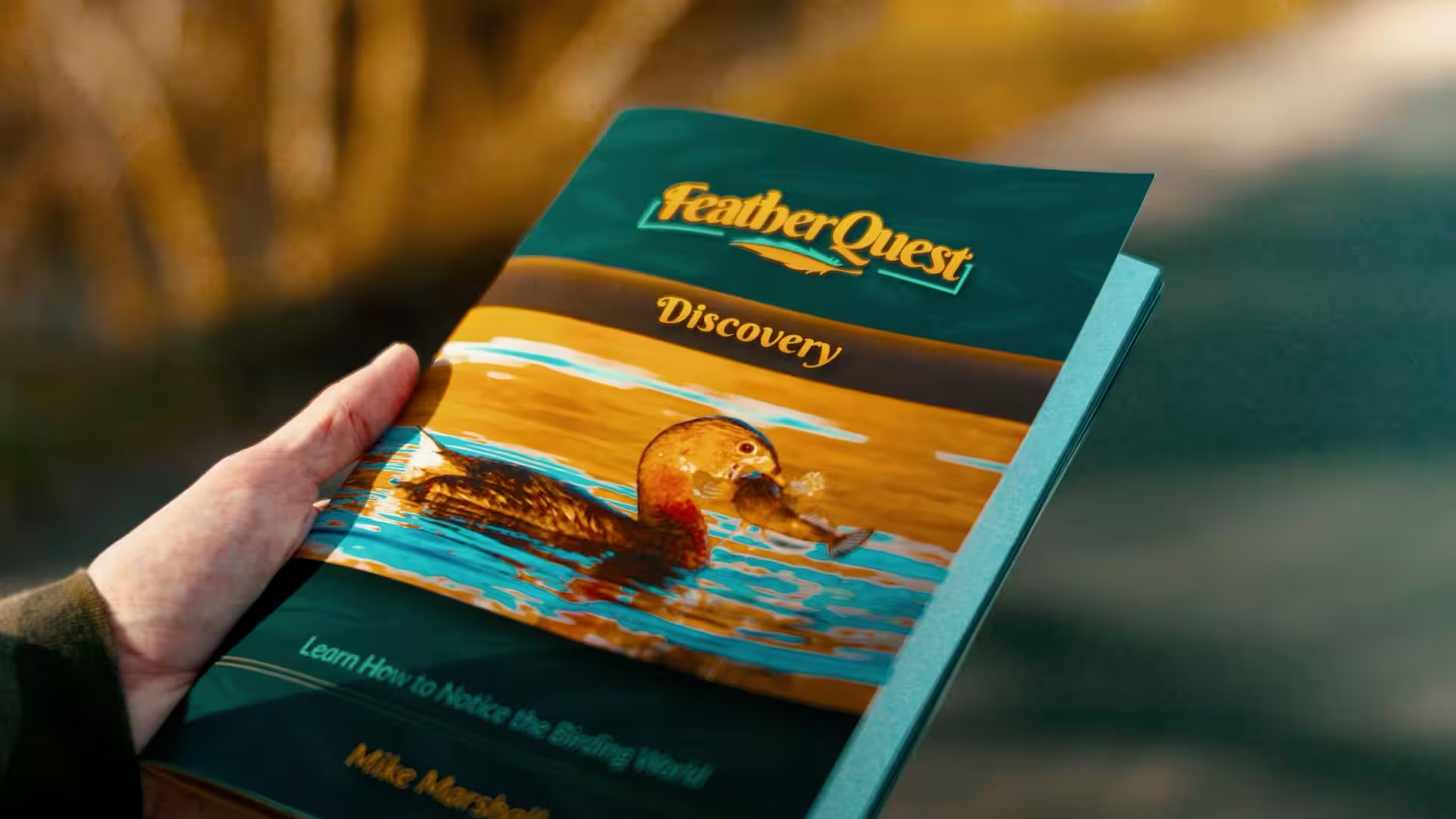
FeatherQuest Discovery was created as the simplest possible starting point for that journey.
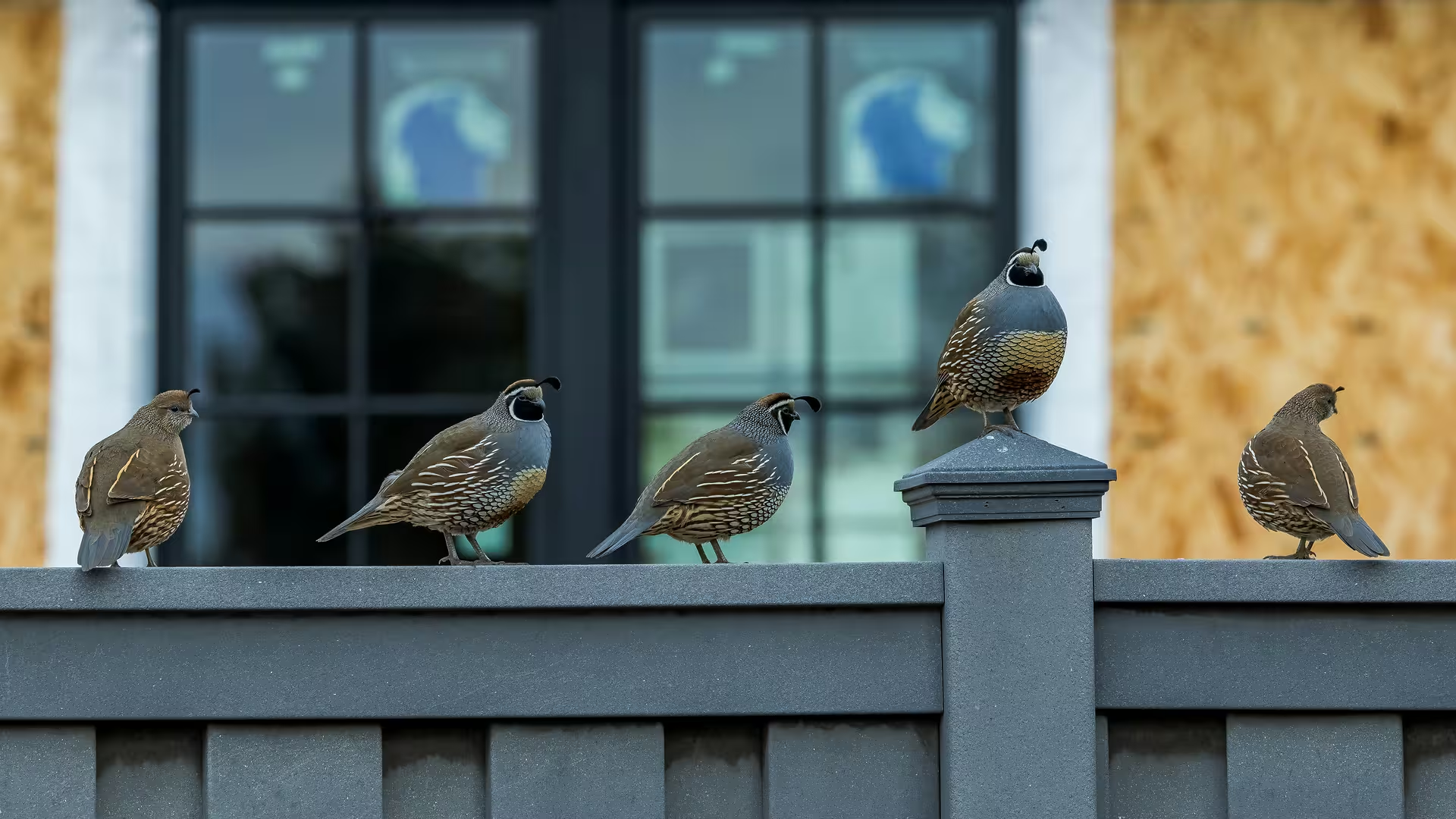
Rather than focusing on memorizing dozens of species, Discovery introduces bird families — groups of birds that share similar behaviors, habitats, and characteristics.
Learning birds at the family level helps beginners recognize patterns much faster. Instead of worrying about tiny feather details, you begin noticing how birds move, where they live, and what makes them unique.
Discovery is designed more like an activity guide than a traditional field guide. It encourages people to step outside, explore different habitats, and practice the skill of noticing birds in the real world.
Parents can use it with their kids. Homeschool families can use it as a starting point for nature learning. Curious beginners can use it as their first doorway into birding.
It’s not something meant to be read once and put on a shelf — it’s meant to be taken outside and experienced.
An Invitation to Start Noticing
The birds were always there.
The difference was learning how to see them.
Once you start noticing birds, something shifts. Walks become little adventures. Parks become ecosystems. Even your own backyard becomes a place of discovery.
You also start meeting people you might never have talked to otherwise — strangers connected by a shared moment with a bird.
That shift is what FeatherQuest is all about.
FeatherQuest Discovery launches on Kickstarter April 2. If you're curious about birds or simply want to see nature with fresh eyes, I hope you’ll join the adventure.