

Phalaropes & Allies
Spinning shorebirds, enormous migrations, and a reminder to watch what a bird does.
How to Notice Phalaropes & Allies
Where to Find Them
In Utah, start with the Great Salt Lake and other shallow wetlands, salty lakes, and open-water edges during migration. Wilson’s Phalaropes breed in marshes across the interior West, while Red-necked Phalaropes pass through on much longer journeys between Arctic breeding grounds and oceanic wintering areas. Their shorebird friends can turn up on mudflats and shorelines, with Sanderlings especially at home along wave-washed beaches.
What to Watch For
Watch behavior before worrying about every feather. Phalaropes regularly swim and may spin rapidly in circles while feeding. Sanderlings race back and forth with the surf, while Ruddy Turnstones use their stout bills to flip stones, shells, seaweed, and other debris. Sometimes what a shorebird does is the fastest clue to what it is.
Listen Closely
These are often birds you notice with your eyes first, but listen when a flock passes nearby. Wilson’s Phalaropes give short nasal contact calls and can make soft gurgling sounds at migration roosts, while Red-necked Phalaropes give sharp, high-pitched notes that may be repeated in a series.
Explore Further
- Wilson’s Phalarope Guide (All About Birds)
- Red-necked Phalarope Guide (All About Birds)
- Quest for the Phalarope (FeatherQuest)
- Wilson’s Phalarope Advances Toward Endangered Species Protection (Center for Biological Diversity)
The Spinning Shorebirds
Most shorebirds look exactly where you expect them to be: walking through shallow water, probing mud, or racing along the edge of a beach. Phalaropes break the pattern. They are shorebirds that regularly swim in deeper water, bobbing on the surface almost like tiny ducks.
Then they start spinning.
Wilson’s and Red-necked Phalaropes can whirl rapidly in tight circles while feeding. The spinning creates a small vortex that helps bring tiny aquatic invertebrates toward the surface, where the birds can pick them up with their slender bills. Once you have watched a flock doing it, a shorebird swimming in circles becomes one of those behaviors that is difficult to forget.
Phalaropes reverse another familiar bird pattern too. Females are the more colorful sex in breeding plumage and compete for mates, while males take on most of the incubation and care of the young. A breeding female Red-necked Phalarope can be especially striking, with a rusty-red neck against dark gray plumage—which is why she earns this week’s badge.
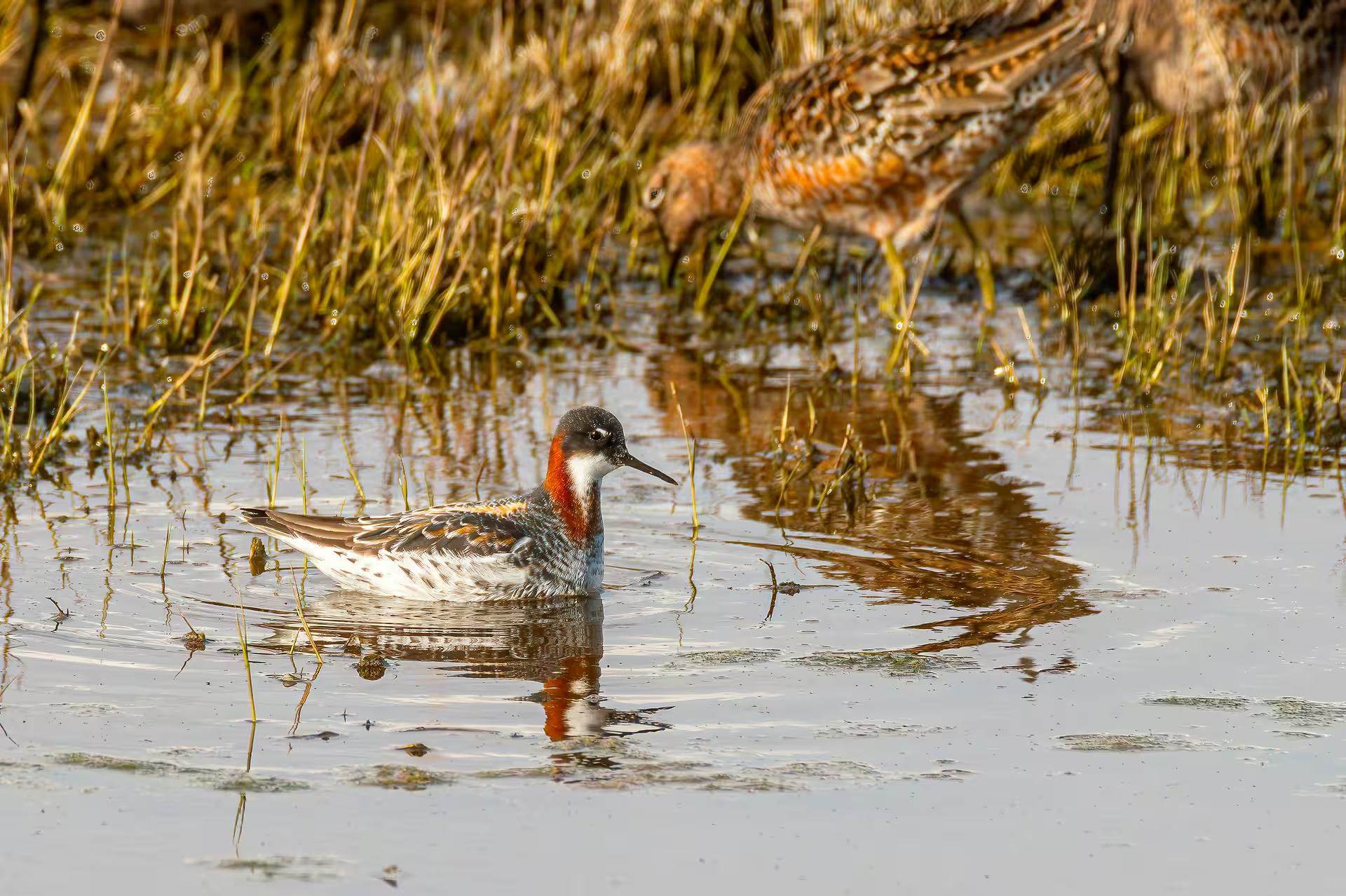
A Lake Full of Phalaropes
The Great Salt Lake can look enormous and empty from shore. For migrating phalaropes, it is anything but empty.
Wilson’s Phalaropes gather at salty lakes across the West during migration, and Great Salt Lake is one of their most important staging areas. Utah wildlife surveys have recorded hundreds of thousands of Wilson’s Phalaropes at the lake, and the lake has been estimated to support nearly one-third of the species’ global population. Here the birds feed heavily on the lake’s abundant invertebrates before continuing their journey south.
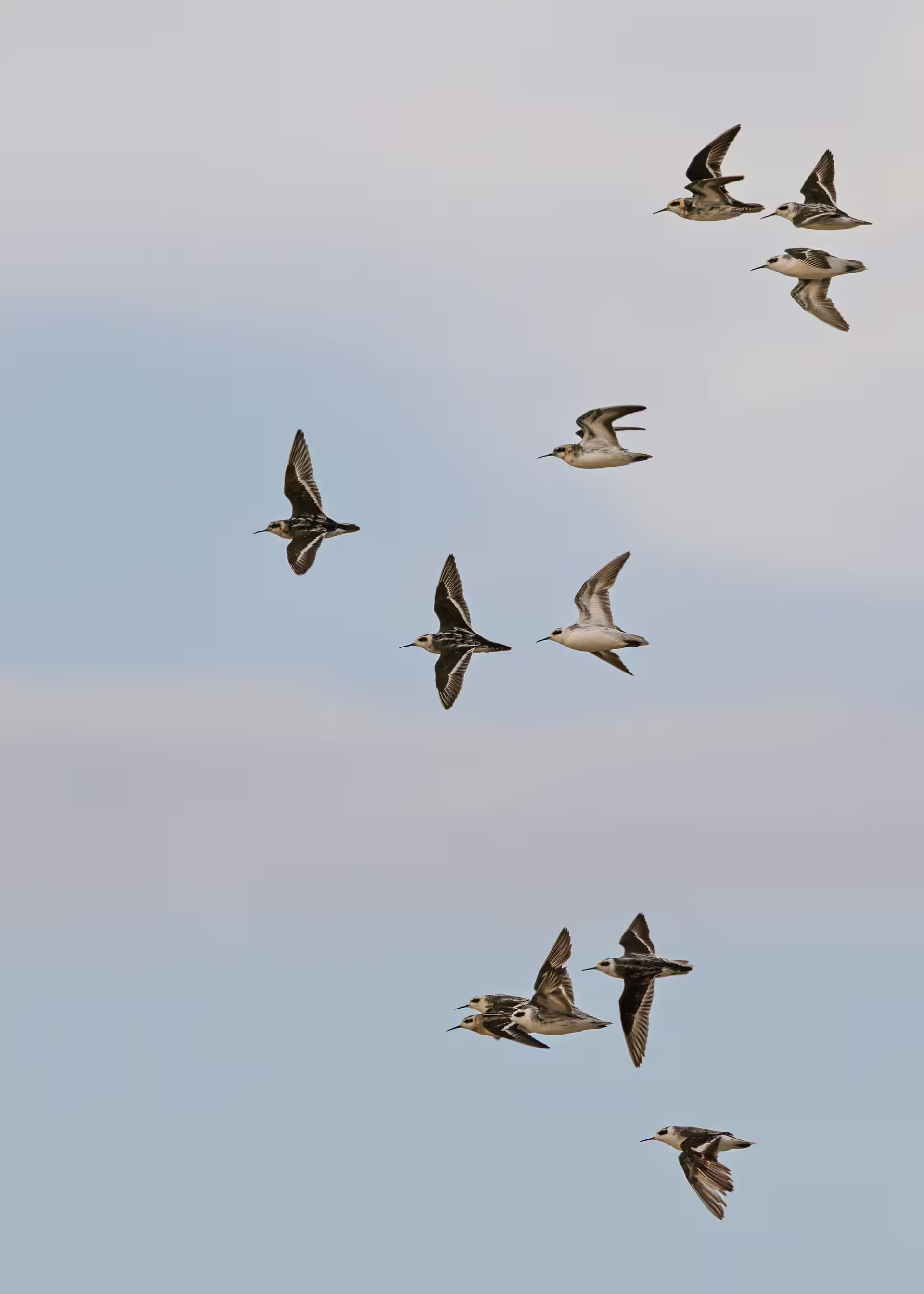
That scale was part of what made my own Quest for the Phalarope at Antelope Island so interesting. Finding phalaropes and getting close enough to really study or photograph them were two very different challenges. As Great Salt Lake has receded, huge expanses of exposed lakebed can separate the shoreline we can reach from the water the birds are actually using.
That dependence on saline lakes is also why Wilson’s Phalarope has attracted growing conservation attention. The species is not currently listed under the Endangered Species Act, but in 2026 the U.S. Fish and Wildlife Service found that a petition to list it presented substantial information that protection may be warranted, moving the species into further review. Changes to major staging habitats—including Great Salt Lake—are an important part of that concern.
For FeatherQuest, the lesson is simple: when thousands of tiny birds gather in one place to refuel, protecting the journey also means understanding the places where they stop.
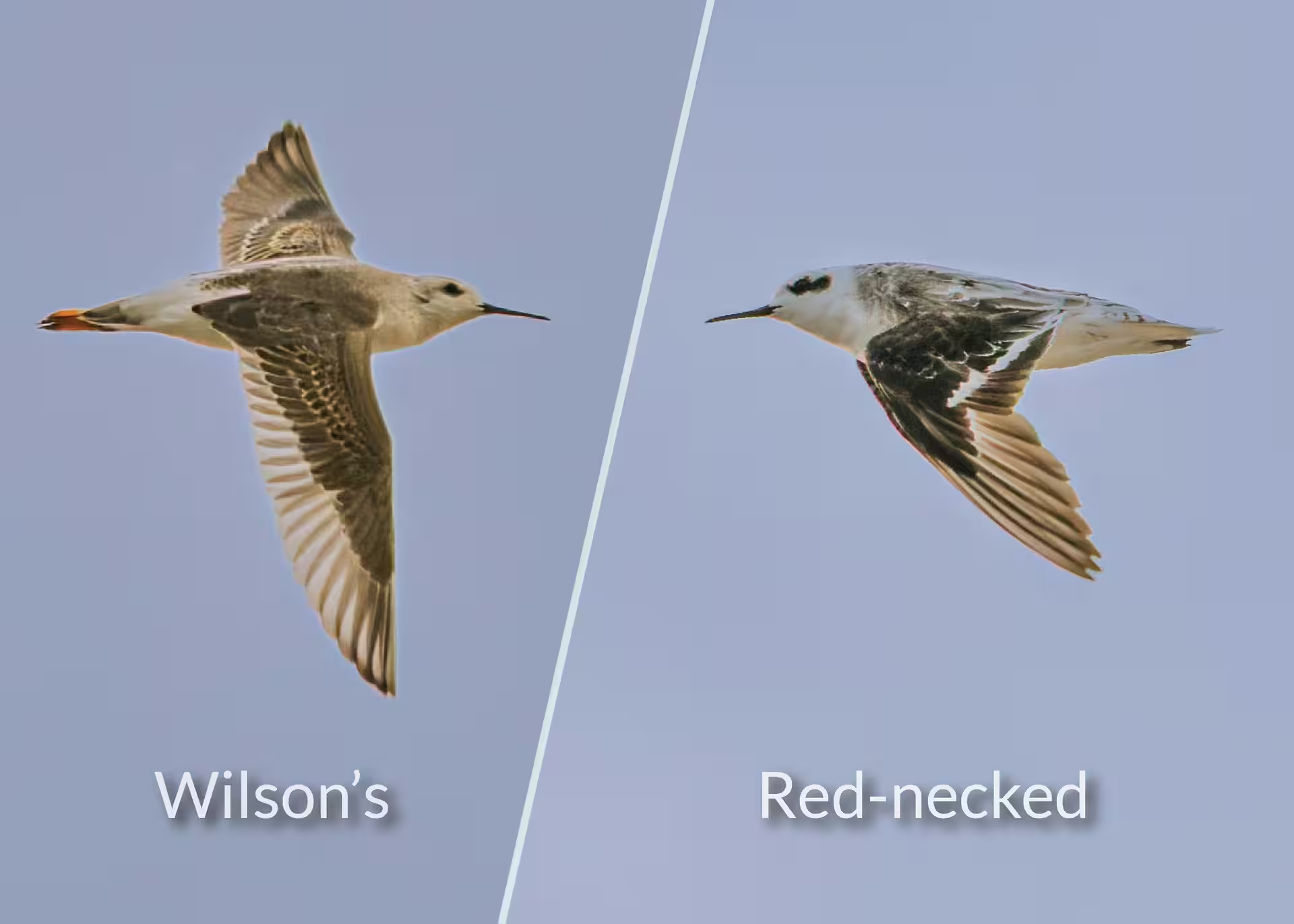
Wilson’s or Red-necked?
I did not really learn to separate these two phalaropes while I was standing at the lake. I learned later, sitting in front of my photos and trying to figure out which birds I had actually photographed.
Breeding plumage can make the answer much easier, but migration often gives us birds dressed in gray, white, and brown. That is when a few structural clues become much more useful.
Start with the bill and overall shape. Wilson’s Phalarope is the larger, leggier bird with an exceptionally long, straight, needle-thin bill. Nonbreeding Wilson’s are also remarkably plain-faced: pale gray above, white below, without a strong dark patch around the eye.
Red-necked Phalarope is smaller and more compact. Its bill is still very thin, but shorter than a Wilson’s. In nonbreeding plumage, one of the best clues is the dark patch through and behind the eye. The upperparts can also look more patterned or streaked instead of the plainer gray impression of a nonbreeding Wilson’s.
The goal is not to turn every distant gray shorebird into an instant identification. It is to know what to inspect next. That was the breakthrough for me: bill, face, proportions, wings. Once I knew which details mattered, the photos started making sense.
Meet Their Shorebird Friends
Phalaropes are not the only shorebirds whose behavior can give away their identity. Two of my favorite supporting characters make the point beautifully.
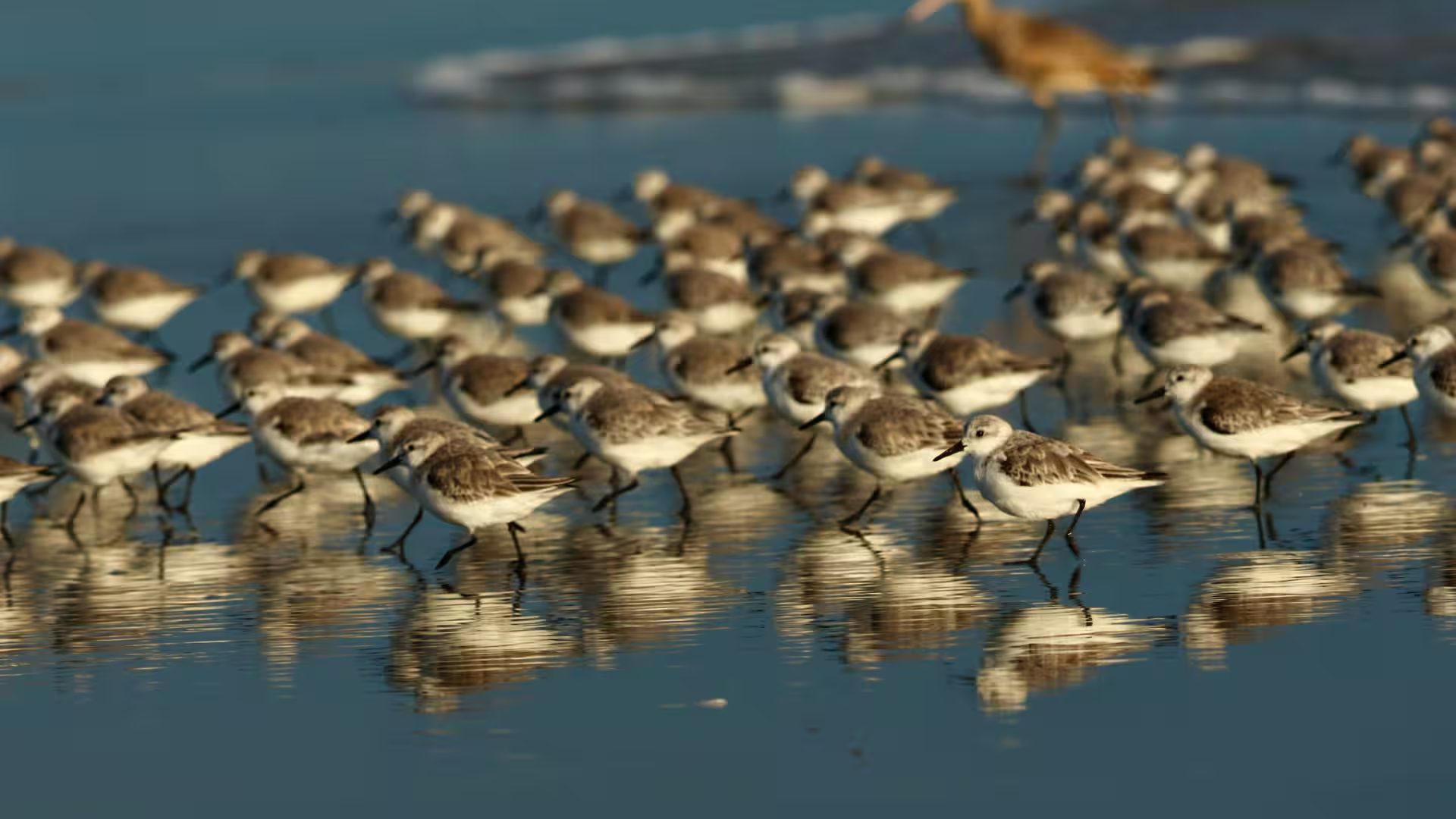
Sanderlings are the wave chasers. I have encountered them along coastlines during my travels, and there is nothing quite like watching a flock feed at the beach. They race behind a retreating wave to grab tiny prey exposed in the wet sand, then turn and sprint back as the next wave rolls in. They are cute, frantic, and completely mesmerizing.
Ruddy Turnstones are the flippers. Their short, stout, slightly upturned bills are perfect for pushing and flipping stones, shells, seaweed, and shoreline debris to uncover insects, crustaceans, and other food hiding underneath. Their name is practically an instruction manual.
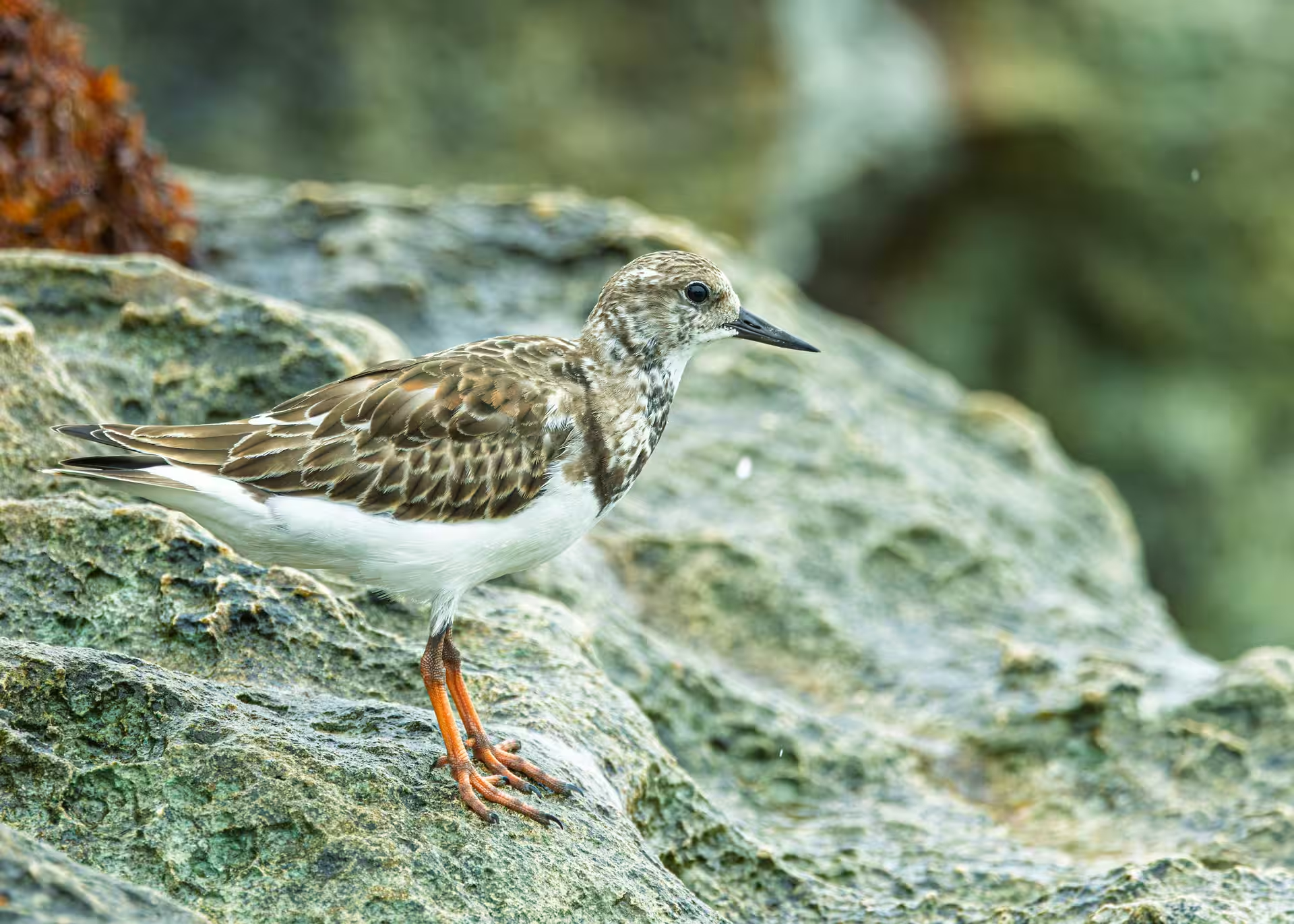
This week, try identifying a shorebird without starting with its colors. Watch what it does. Is it swimming? Spinning? Chasing the surf? Flipping things over? Shorebirds can be difficult when their plumage changes with the season, but behavior often gives you a clue that stays useful all year.
Utah Edition Endcap
Want to keep exploring? You can read more Guides or join the FeatherQuest updates to hear when new ones go live.