

FeatherQuest Field Trip Activity
A simple, guided activity to help you notice birds in the wild.
Table of Contents
Start With What You Noticed
This is your field trip activity. Use the worksheet as a simple guide to help kids slow down and notice what they’re seeing in the moment. Instead of guessing the bird right away, it walks them through what to observe—how it moved, where it was, and what stood out. Parents and teachers can guide the experience by asking questions, comparing ideas, and turning a quick sighting into a shared discovery.
The Field Trip Activity
1. Pick a bird
Pick a bird family or type that catches your eye (like ducks, hawks, or sparrows).
2. Go Outside
Pick a place that matches the kind of bird you want to look for—like a pond, field, forest, or neighborhood park.
3. Watch first
Notice movement, habitat, and behavior.
4. Compare
Compare what you noticed—movement, habitat, and shape—to birds that seem similar.
5. Reflect
Talk through what stood out and why—it helps the moment stick.
6. Capture it
Sketch or jot it in your Quest Log.
If You Get Stuck
Listen First
If you hear the bird but can’t see it, start with sound. The free Merlin Bird ID app can often identify birds instantly using audio.
Snap a Photo
A quick photo gives you something to come back to. You can study details later and use apps or guides to identify it.
Watch Behavior
Pay attention to how the bird moves and feeds. Behavior is often the fastest way to narrow down what you’re seeing.
What to Look For
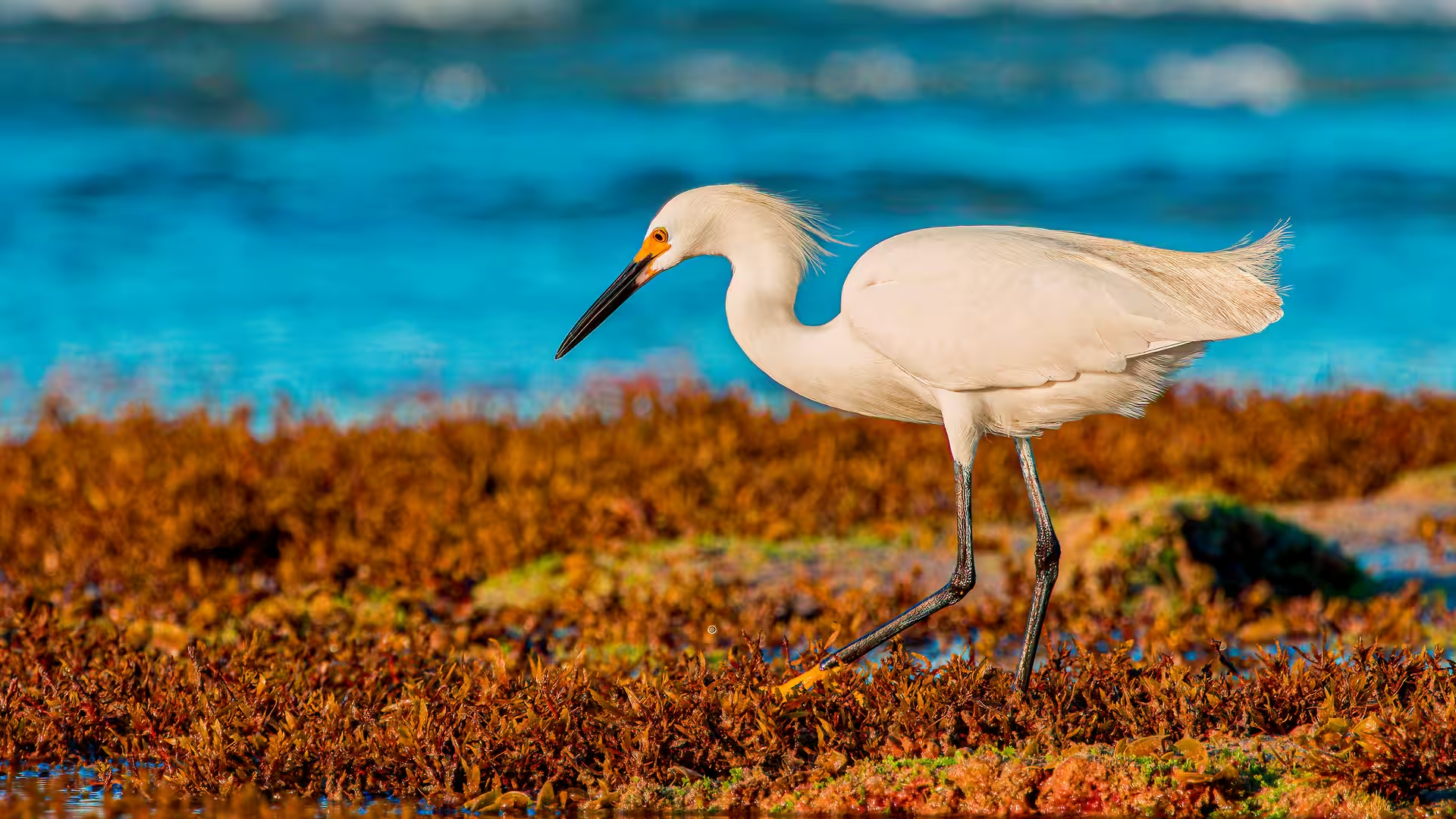
Keep Going
The goal isn’t to get it right every time—it’s to start seeing patterns. Early on, it helps to group birds by family (like ducks, hawks, or sparrows) instead of worrying about the exact species. Each observation builds your instincts, and over time, those patterns start to click.