Puerto Peñasco — What the Tide Left Behind
A family beach trip, impossibly low tides, lifer birds, and the kind of wildlife encounters that only happen when you keep looking.
Quest Overview
Early-Morning Birding, Family-Vacation Style Extreme Low Tides on the Sea of Cortez Spending almost an Hour with a Pacific Loon
Table of Contents
A Vacation in the Middle of Everything
Puerto Peñasco landed in the middle of an unusually busy stretch of life. FeatherQuest's first Kickstarter was still running, the book was becoming real, and even during the trip I was working through things like tax-exempt approval and getting the first print order ready.
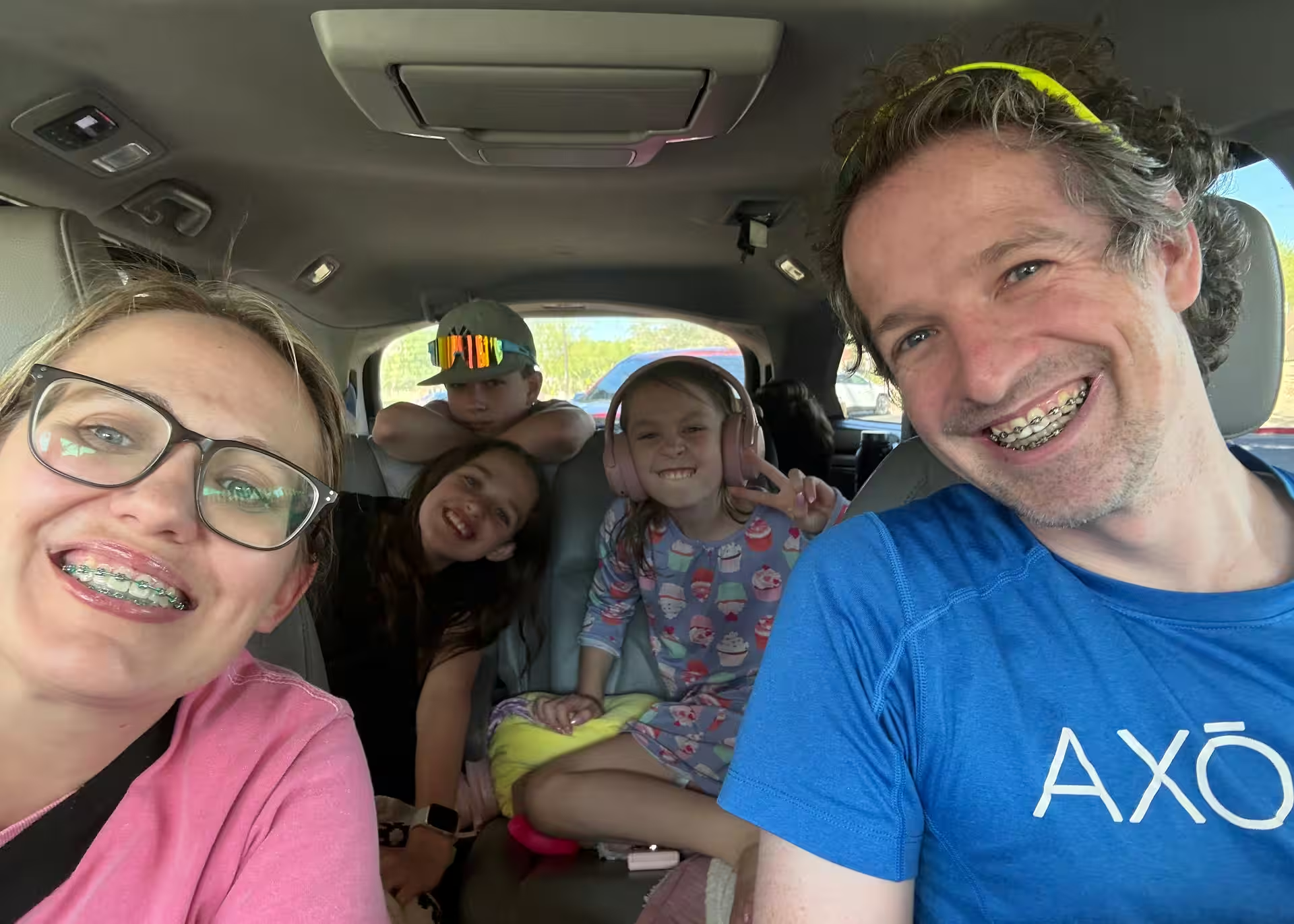
But this was not supposed to be a FeatherQuest expedition. We were heading to Rocky Point with our friends the Bartholomews and a larger group of families who already knew the rhythm of the place. The goal was much simpler: get away, spend time together, eat good food, and let the kids live at the beach for a few days.
We also left Utah knowing we would most likely need to cut the trip short. My grandmother had passed away before we left, and her funeral was scheduled for May 31. We knew we were coming back for it; we just had not completely committed to exactly how we would make the timing work.
Birding Before the Border
We broke the drive into two days, stopping in the Phoenix area after breakfast in Fillmore, burgers at Slackers Grill in Page, and a long run through northern Arizona. That night the group landed on Barro's Pizza, partly because it had an inexpensive gluten-free option.
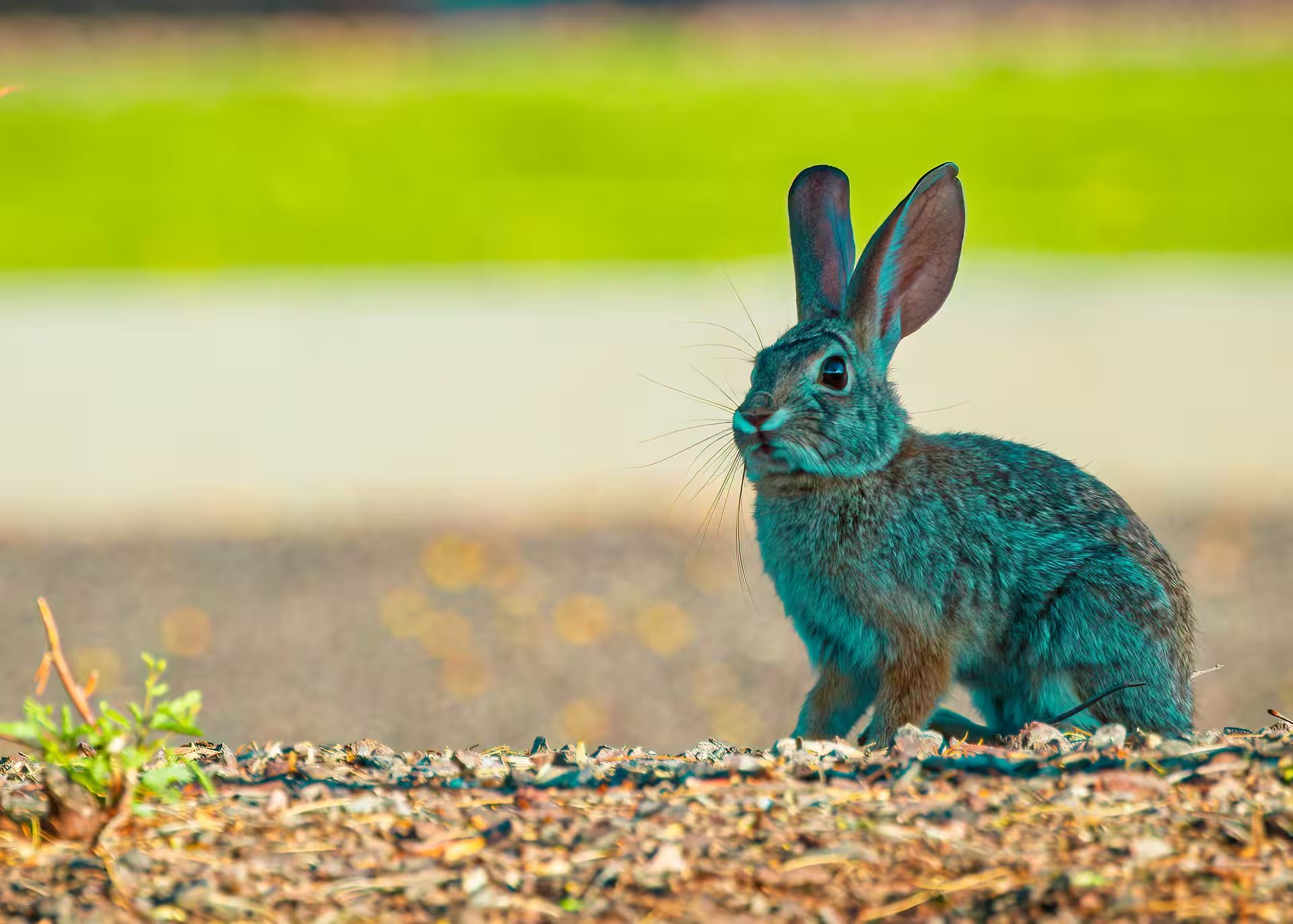
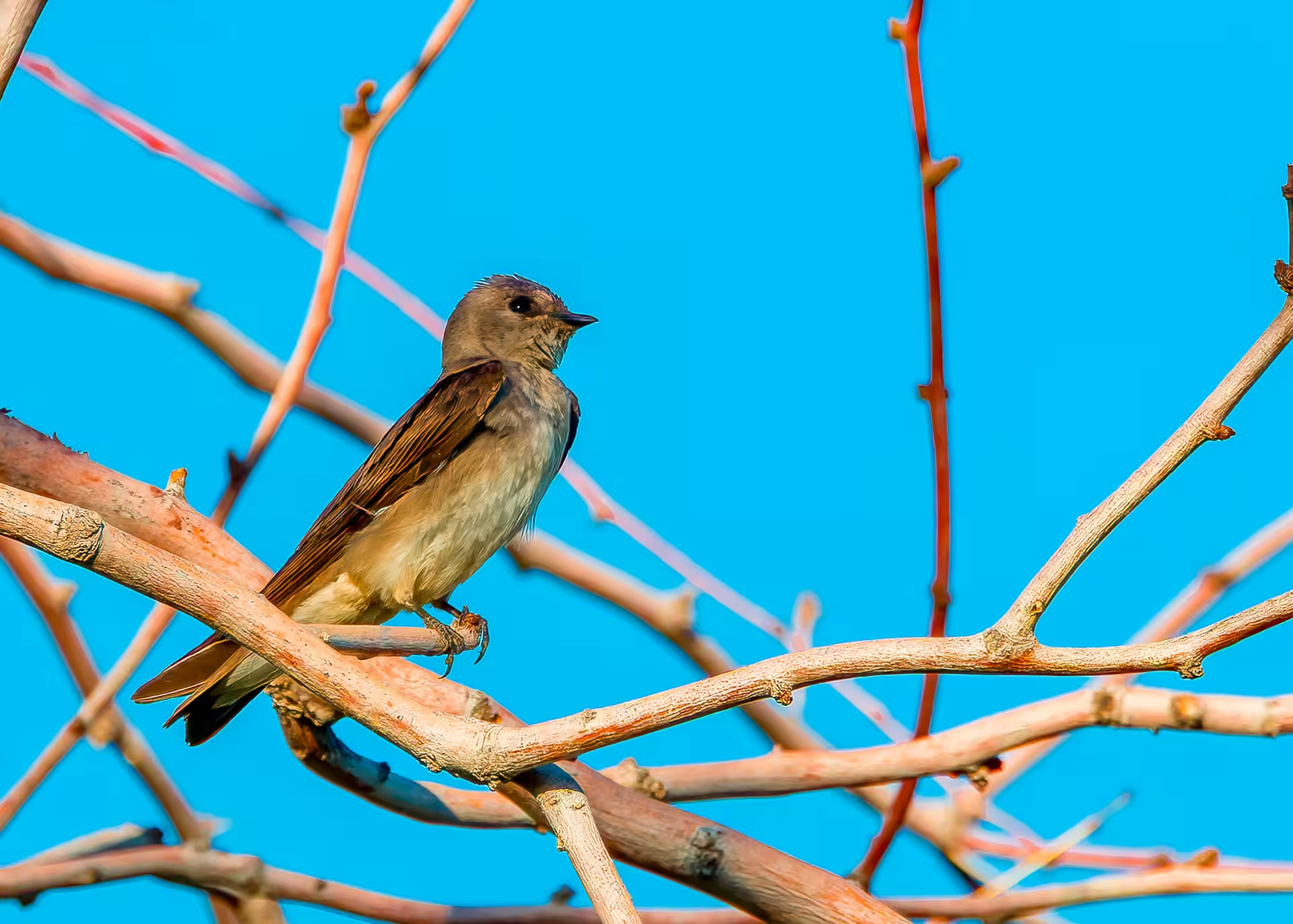
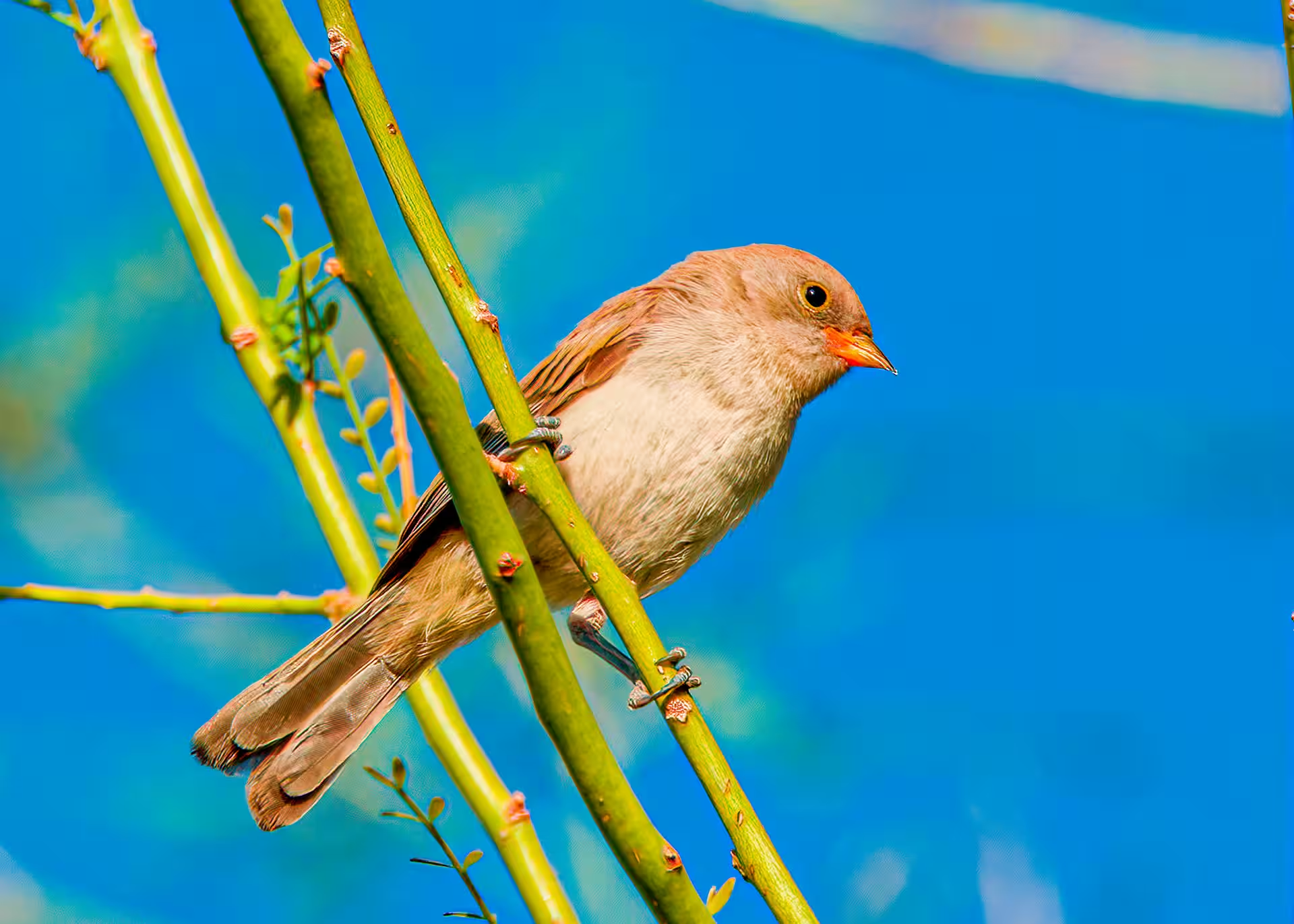
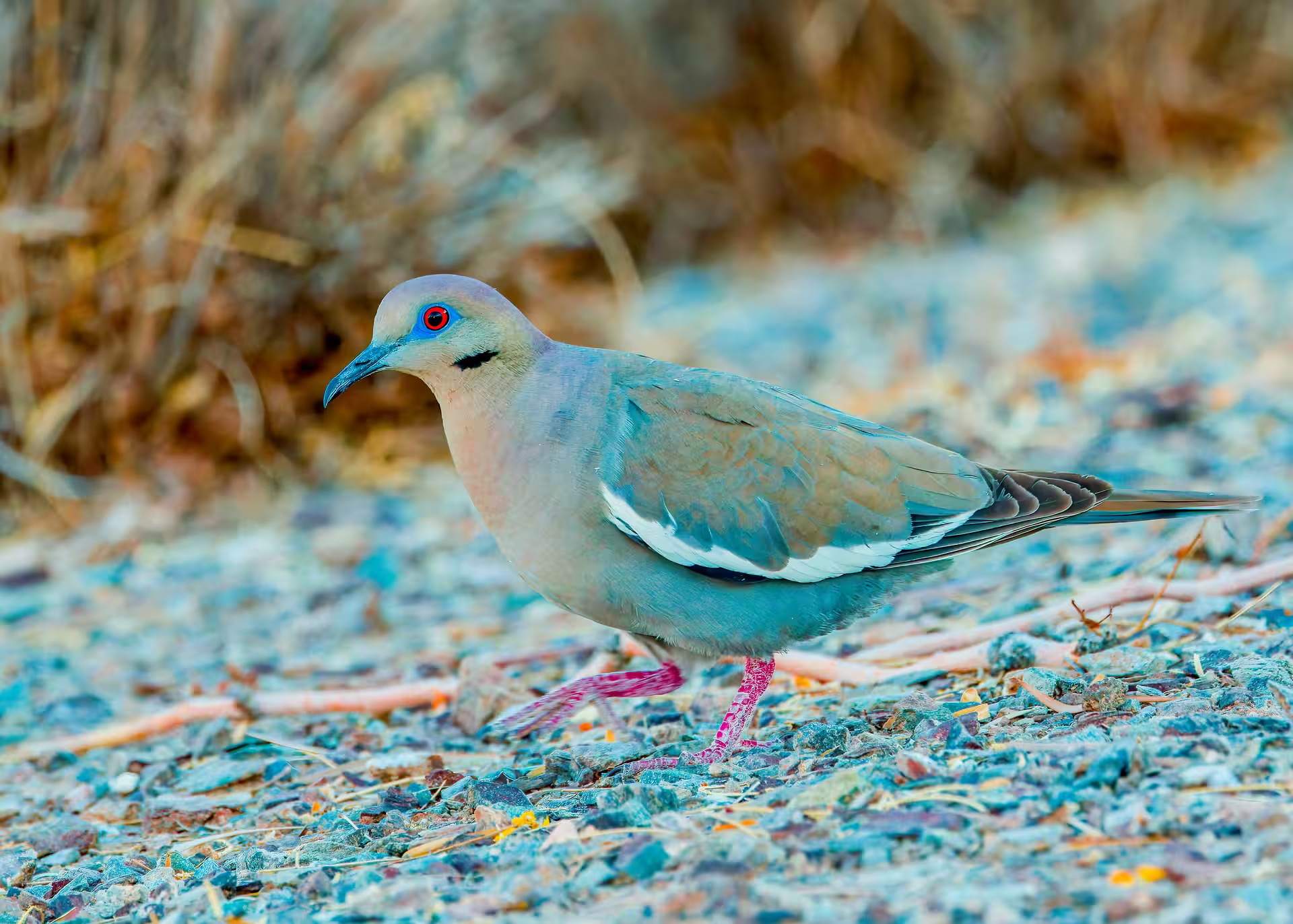
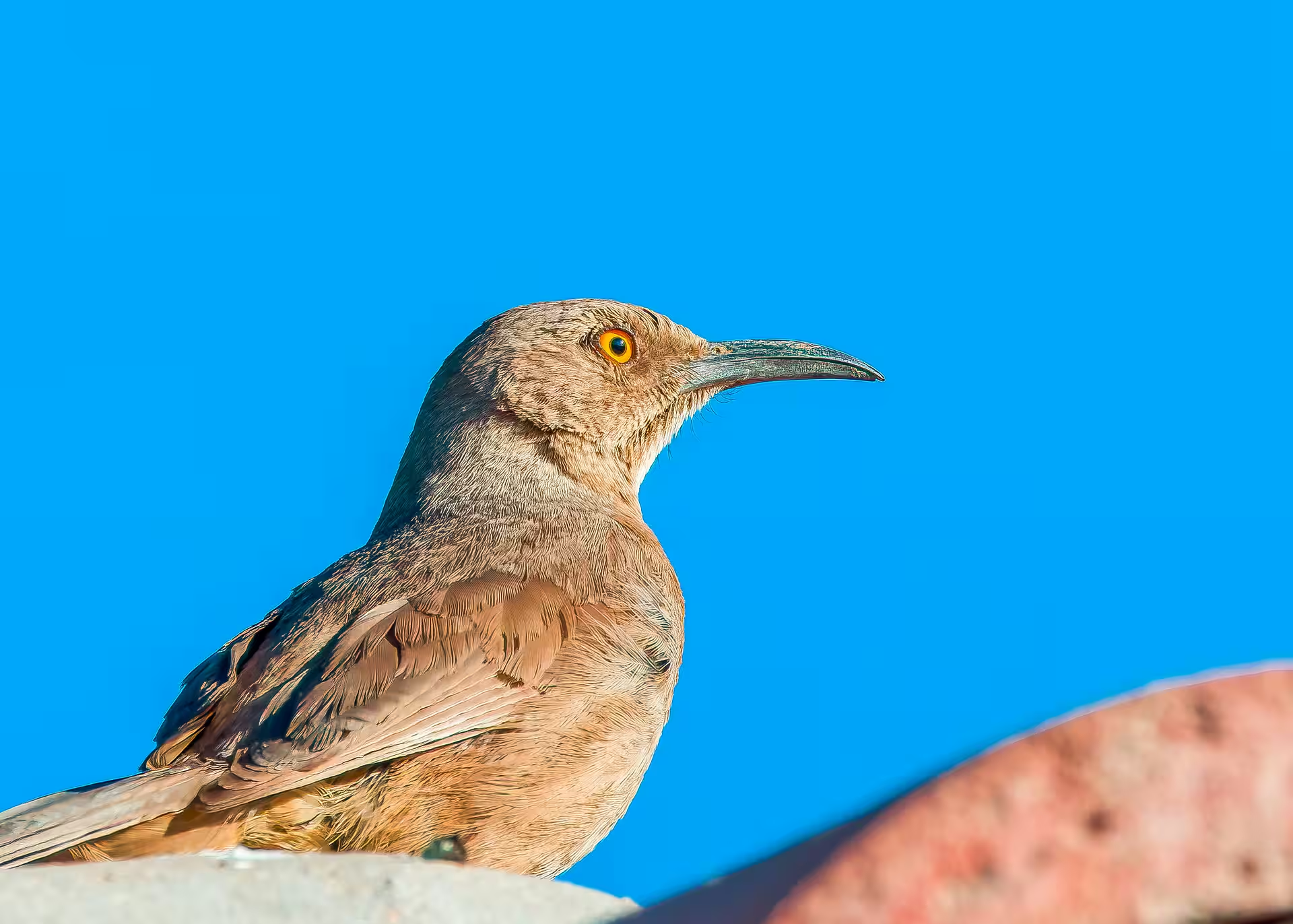
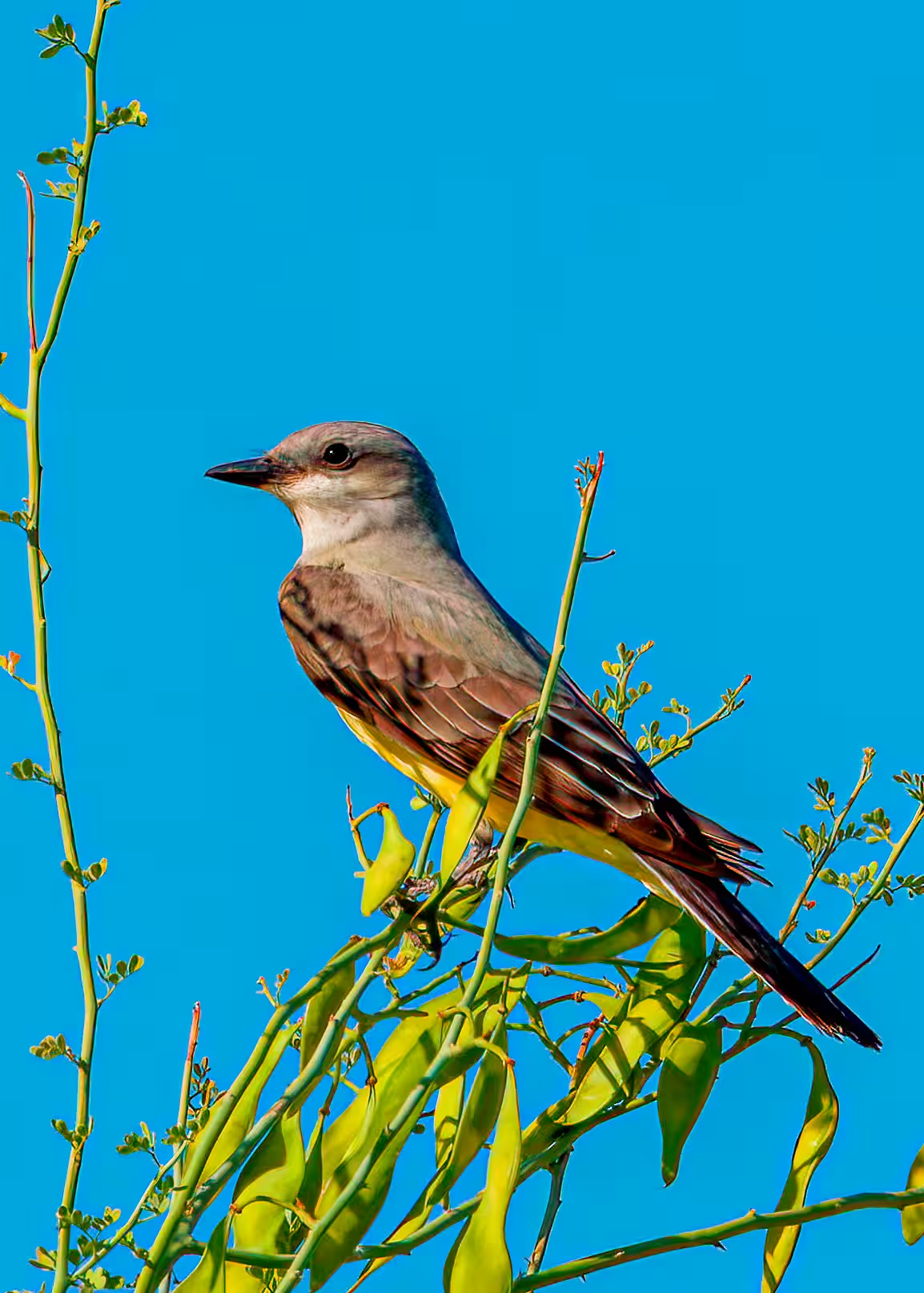
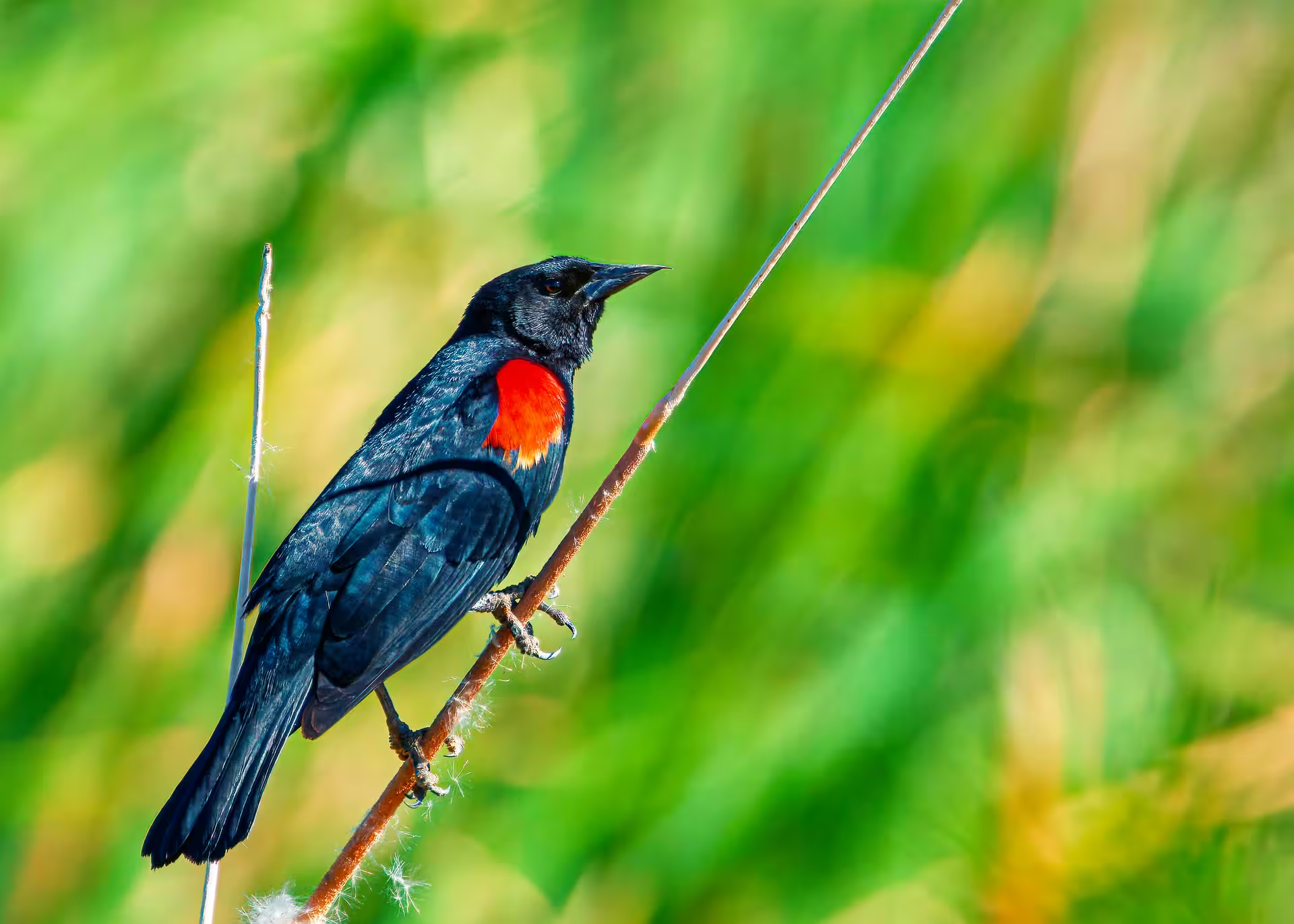
The next morning I woke up before the rest of the crew and started photographing whatever was moving around the hotel. Rabbits. Doves. Grackles. Ordinary desert-suburban life. Then I made the classic birder calculation: I probably had enough time to squeeze in one more place.
So I drove to Tres Rios and moved through it quickly, photographing what I could without turning my little detour into everyone else's delay. By 11:15 I was back in the lobby waiting for the group and joking that if we somehow ended up early, we could always go bird somewhere.
Birds Along the Way
Crossing Into Vacation
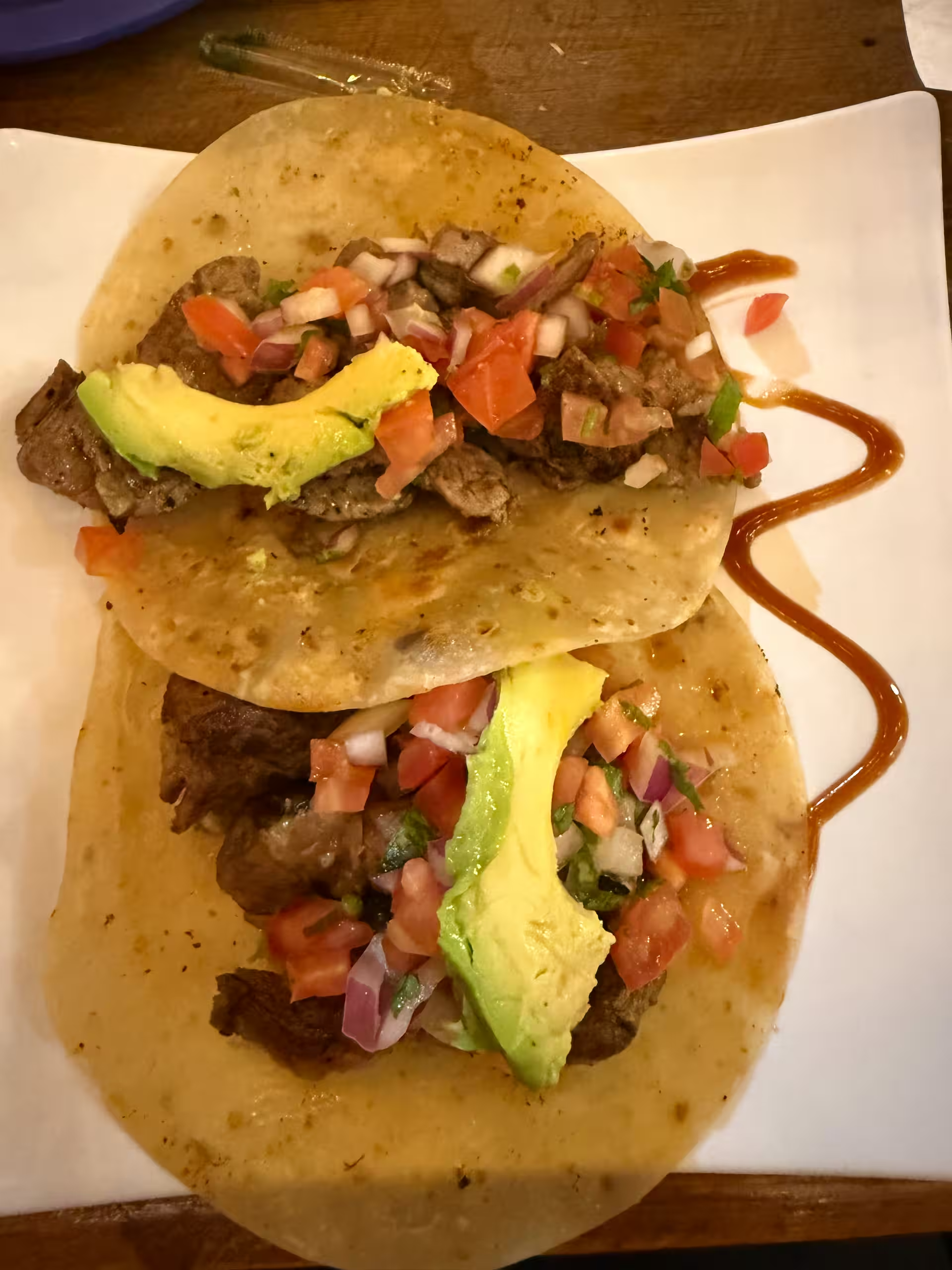
We met the rest of the caravan around Gila Bend, grabbed tacos at Sofia's, and continued south. The crossing into Mexico was almost comically simple. We had bought Mexican car insurance online the night before, but at the border itself I remember little more than being waved through.
Our first real mistake came after we reached Puerto Peñasco. We had taken our time at lunch, arrived later than ideal, drove through town to Las Palmas Beachfront Resort, then turned around and headed back out for groceries. Sam's Club. A local grocery store. Hungry kids. Hungry adults. By then I was firmly in the hangry stage of international travel.
If I did the trip again, I would make the food strategy boring: order groceries ahead, grab them on the way in, and get to the beach. Breakfast and lunch supplies were really all we needed. With places like Pollo Lucas, El Cabo Taco, and Garufa Steakhouse, dinner was part of the fun. El Cabo Taco was good enough that we went back twice, and I would happily order the garlic shrimp again. One night the kids got pizza while the adults went to Garufa for Argentine steak. If you go, get the vacío. It pays to know the Argentine cuts—one of our group took my recommendation and was blown away.
The Beach Before Breakfast
We spent a lot of the week at the beach. The kids swam, we hung out with friends, and most afternoons I was right there with everyone else. But early in the morning, while everyone was still asleep, I would grab my camera and head toward the water.
Those mornings became one of my favorite parts of the trip. By the time the family was really moving, I had already spent a couple of hours wandering the shoreline with the birds and could slide right back into vacation mode. Bird early. Beach with everyone else the rest of the day.

And I happened to pick an incredible week for those early walks. Each morning the Sea of Cortez pulled back across a huge stretch of shoreline, exposing tide pools, wet sand, rock, tiny fish, starfish, and feeding grounds that simply did not exist a few hours later.
One evening we went back out during low tide expecting the same show. It was not even close. The morning lows were the event. The beach seemed to transform overnight, and the birds knew exactly when to arrive.
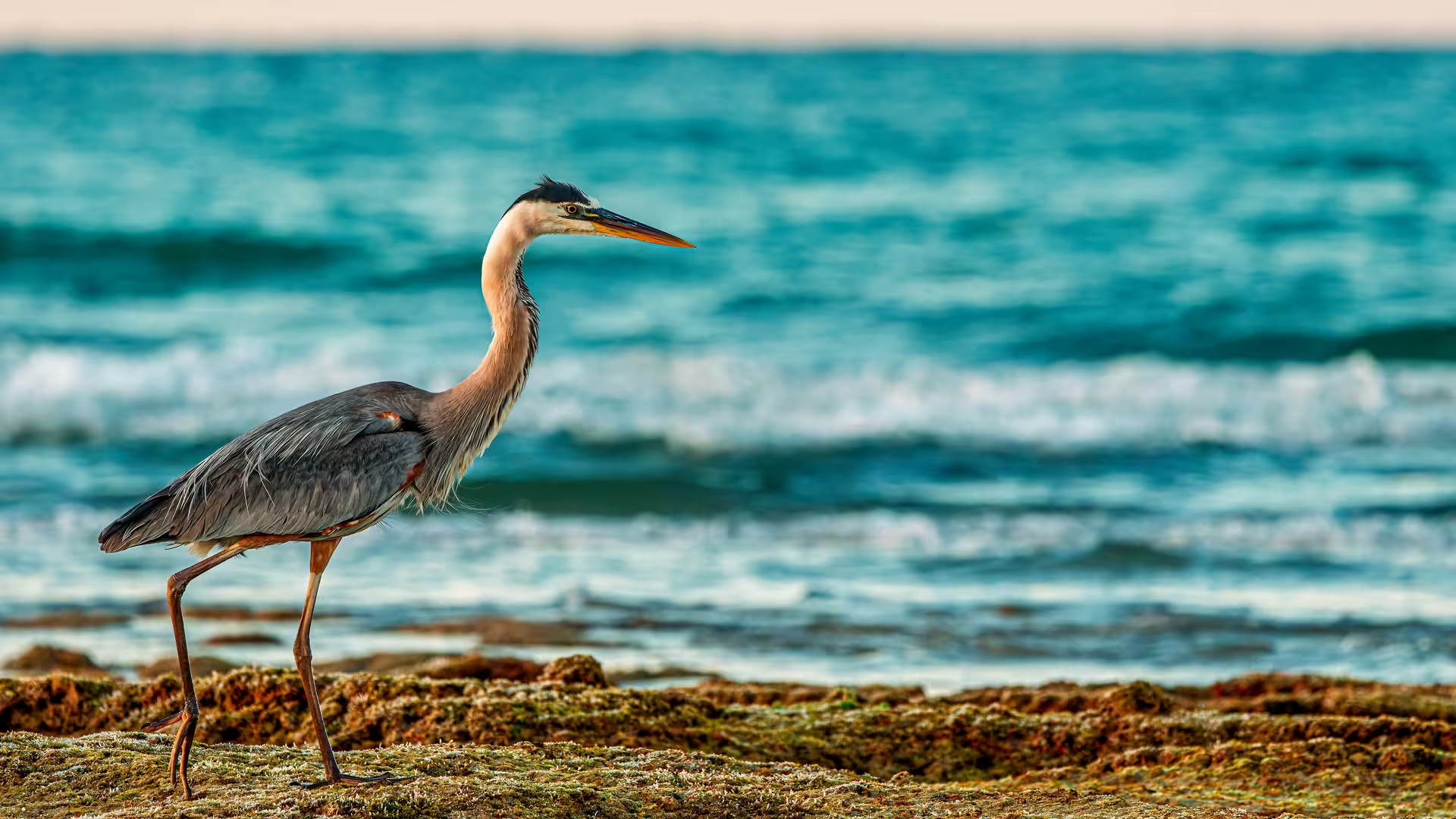
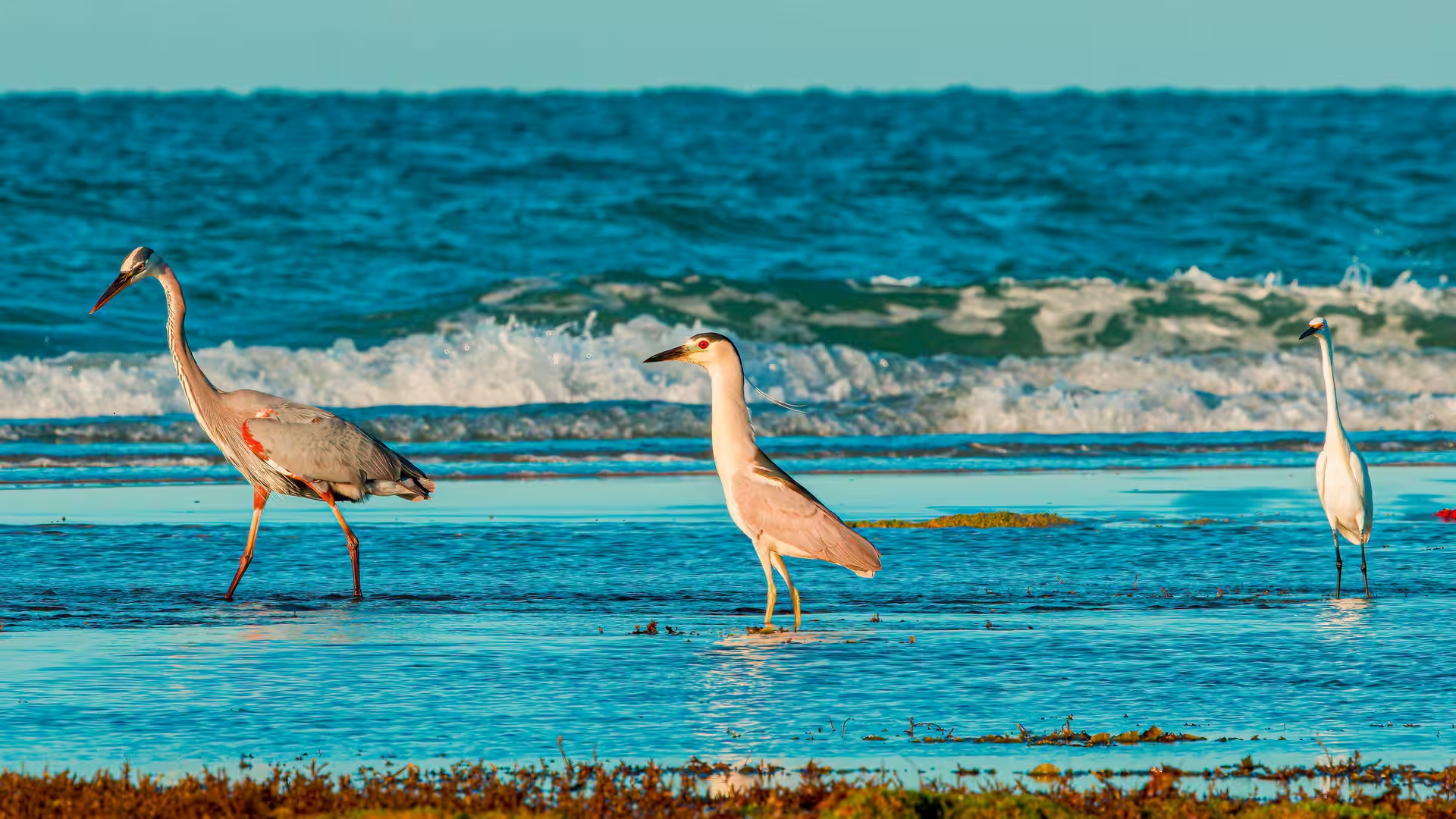
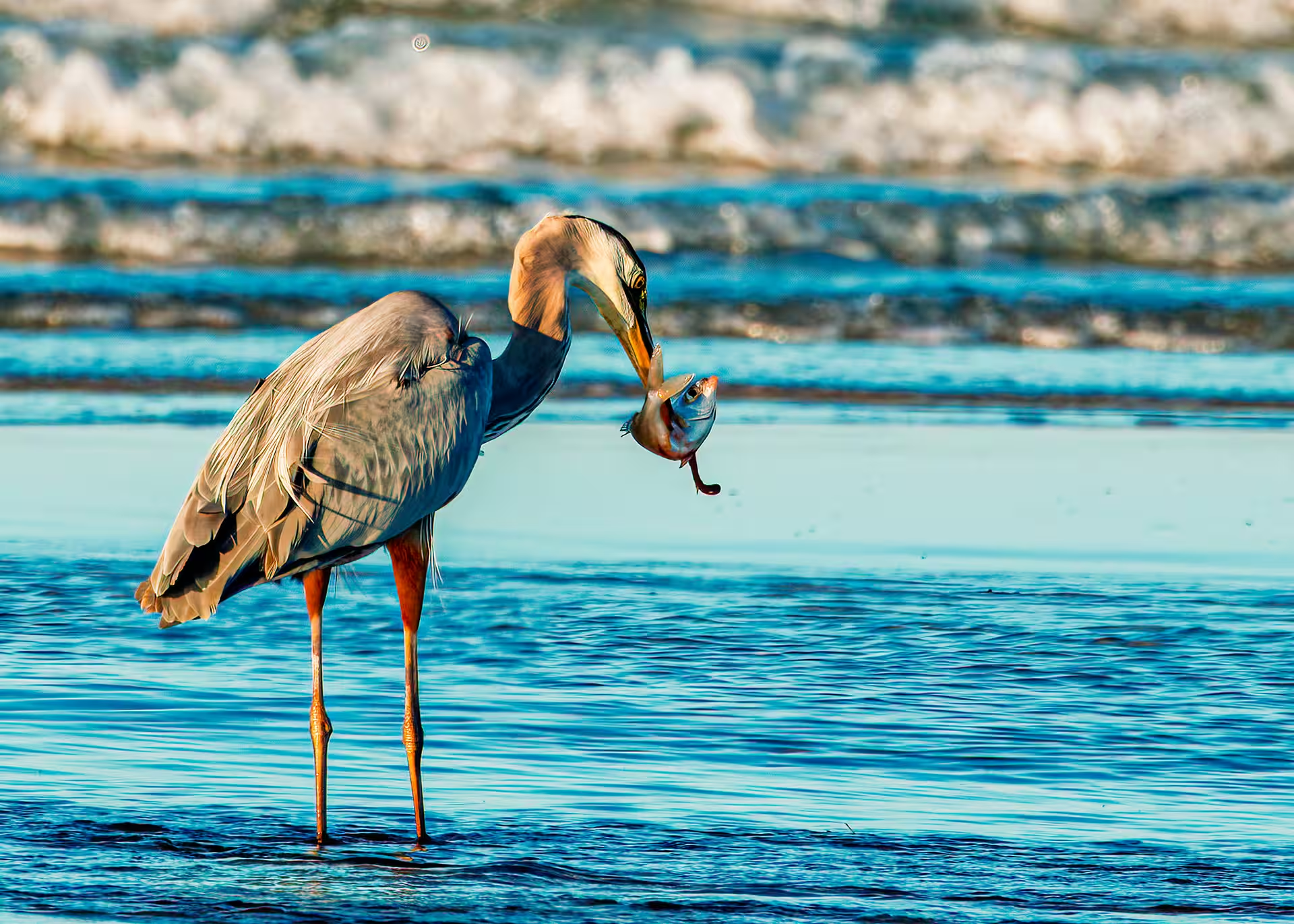
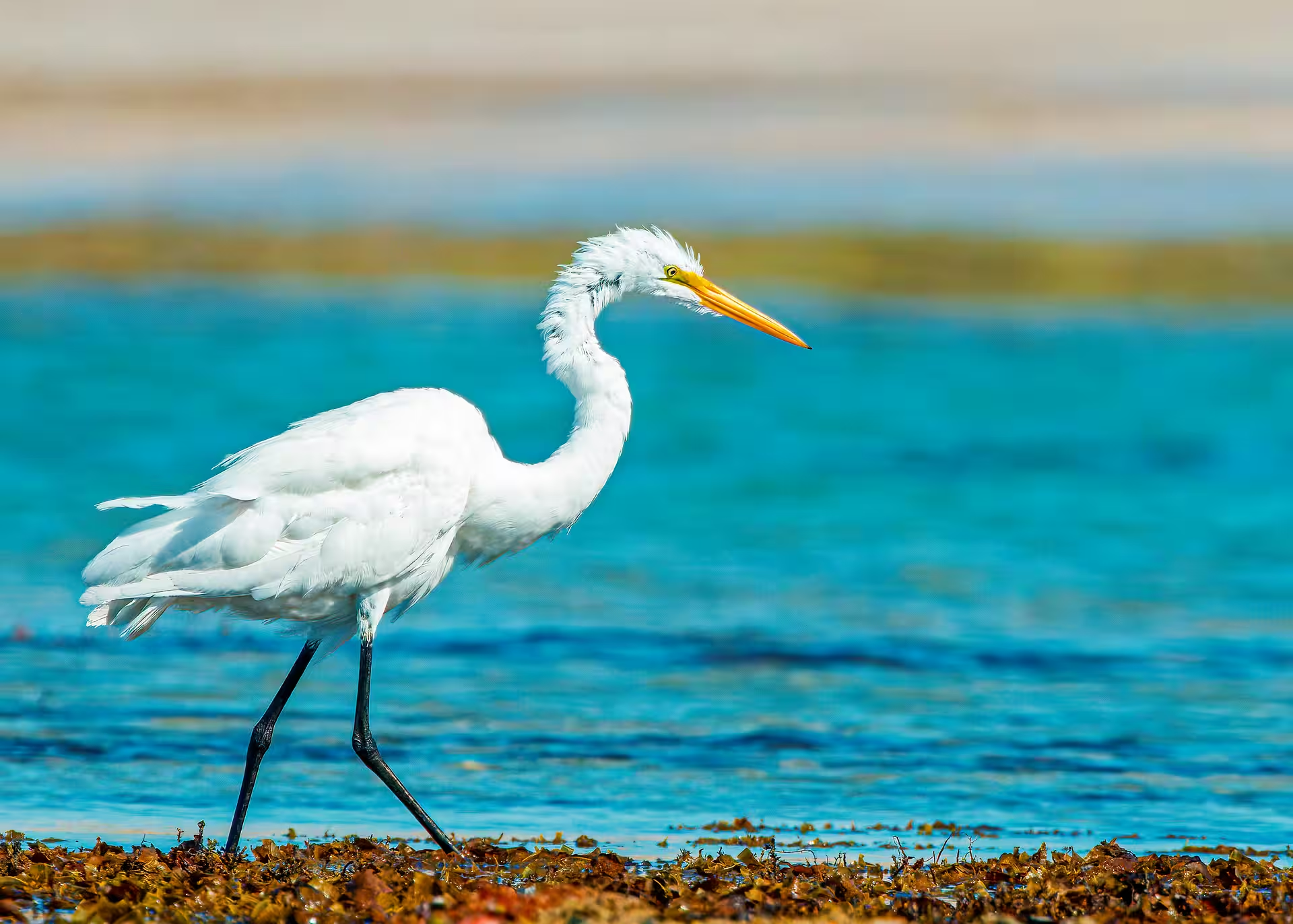
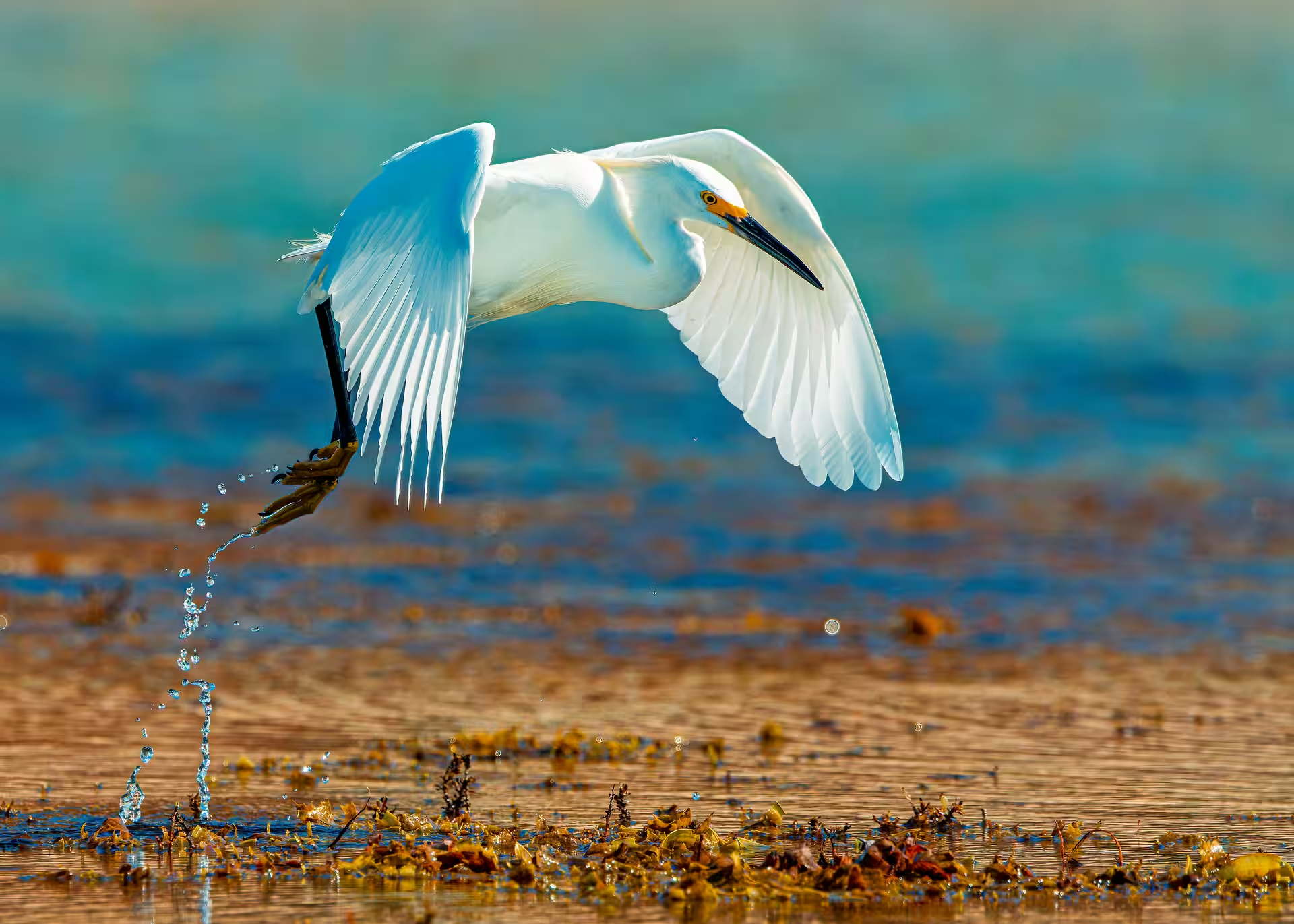
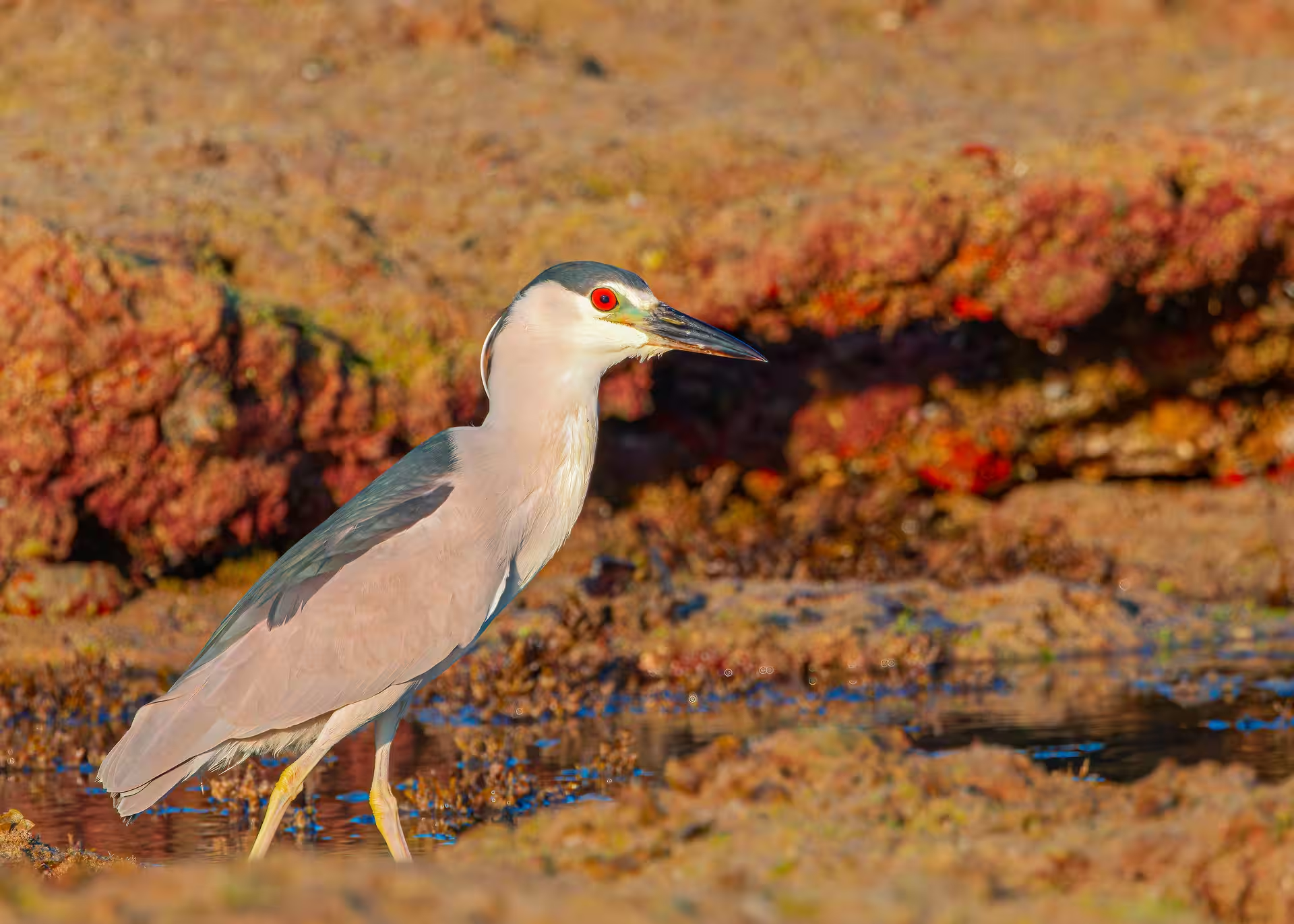
This was where I stopped simply collecting photographs and started watching. Great Blue Herons stalked fish through shallow pools. Great and Snowy Egrets worked the same flats in completely different styles. Black-crowned Night-Herons stood close enough to study. Gulls wrestled with a large fish that had washed ashore. Least Terns worked the water with constant motion.
It was also the trip where Great and Snowy Egrets finally became obvious to me in the field. Yellow bill: Great Egret. Black bill and those ridiculous golden feet: Snowy Egret. Seeing them side by side made the field marks stick in a way a guidebook never had.
Birds of the Tide Pools
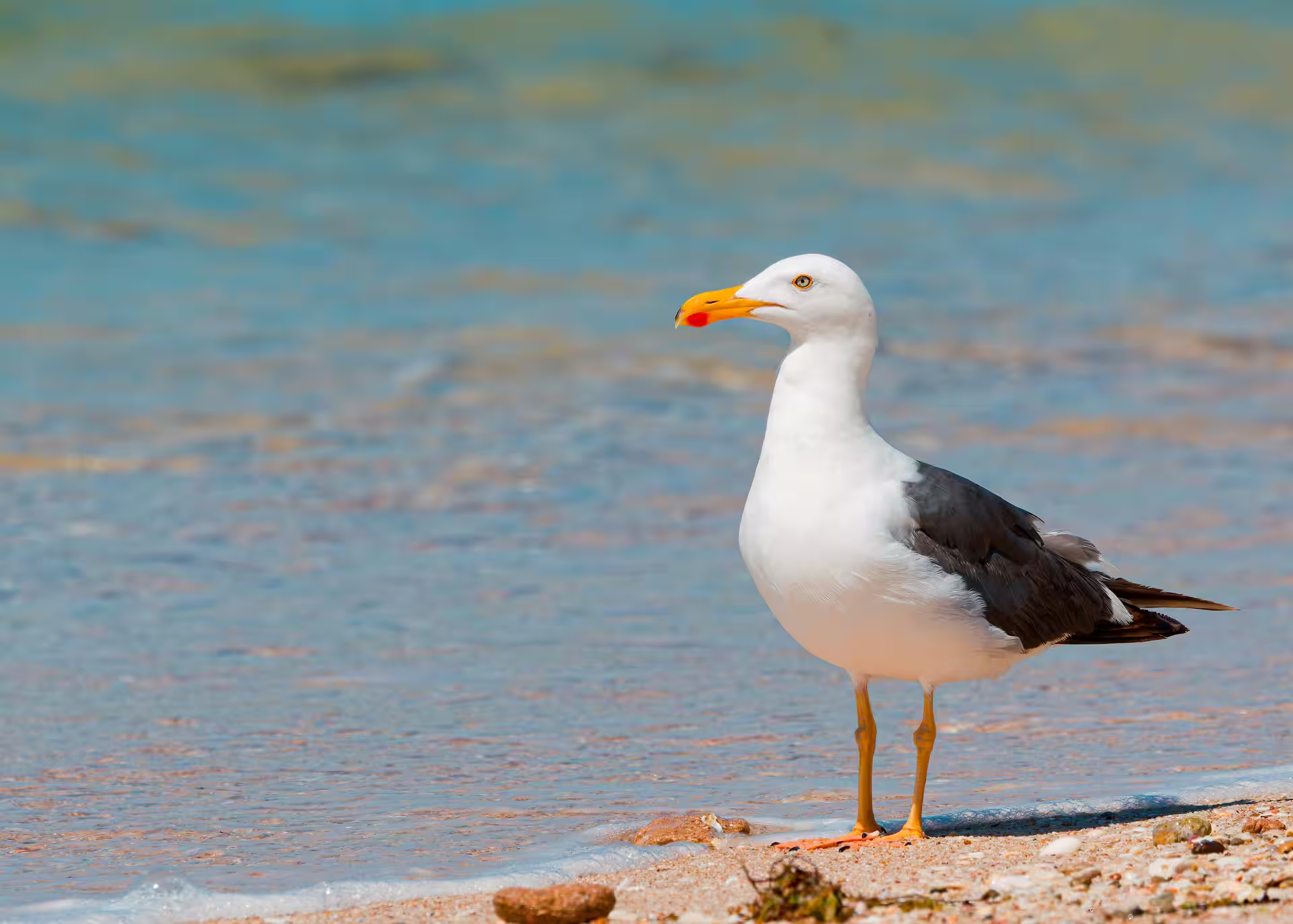

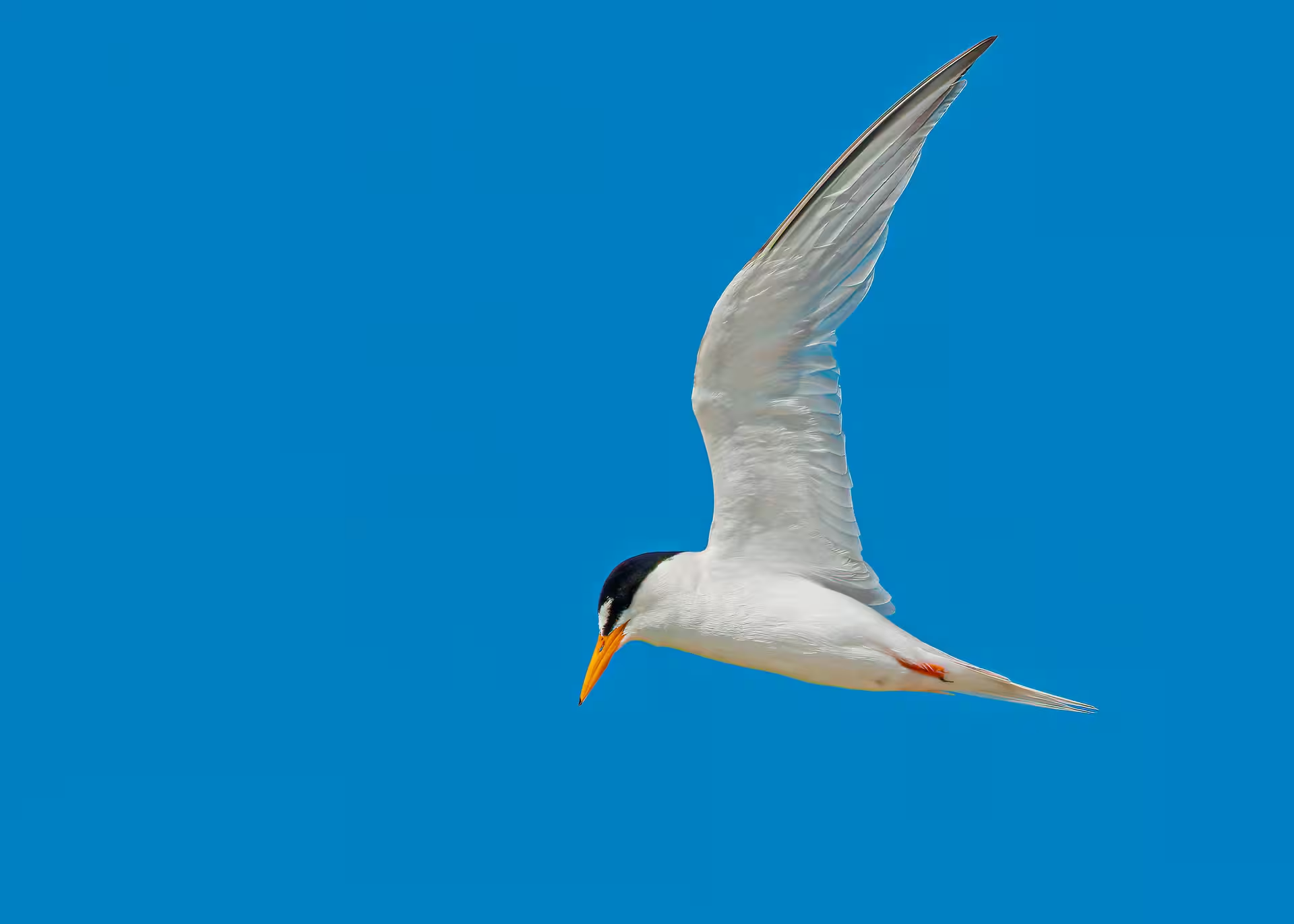
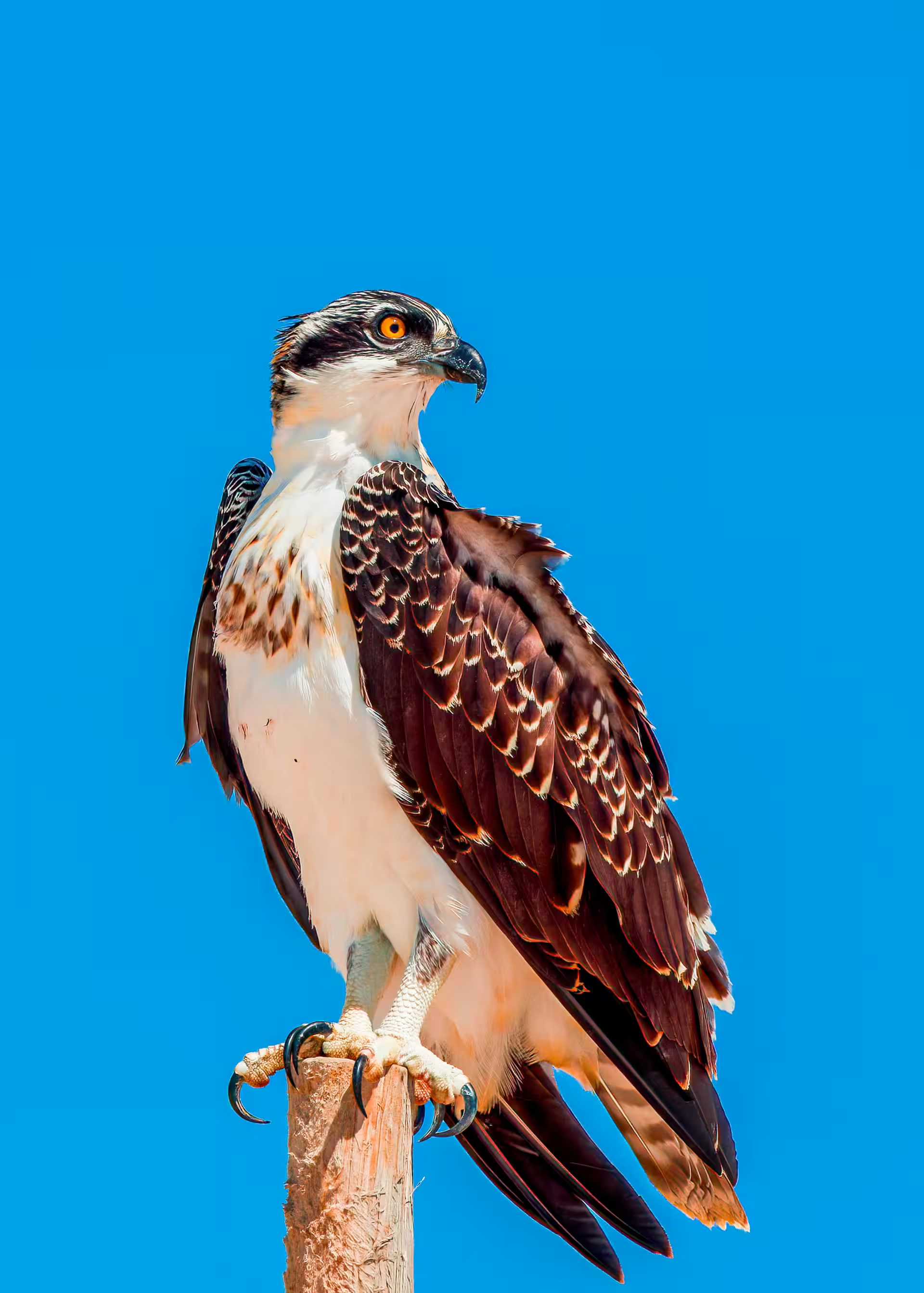
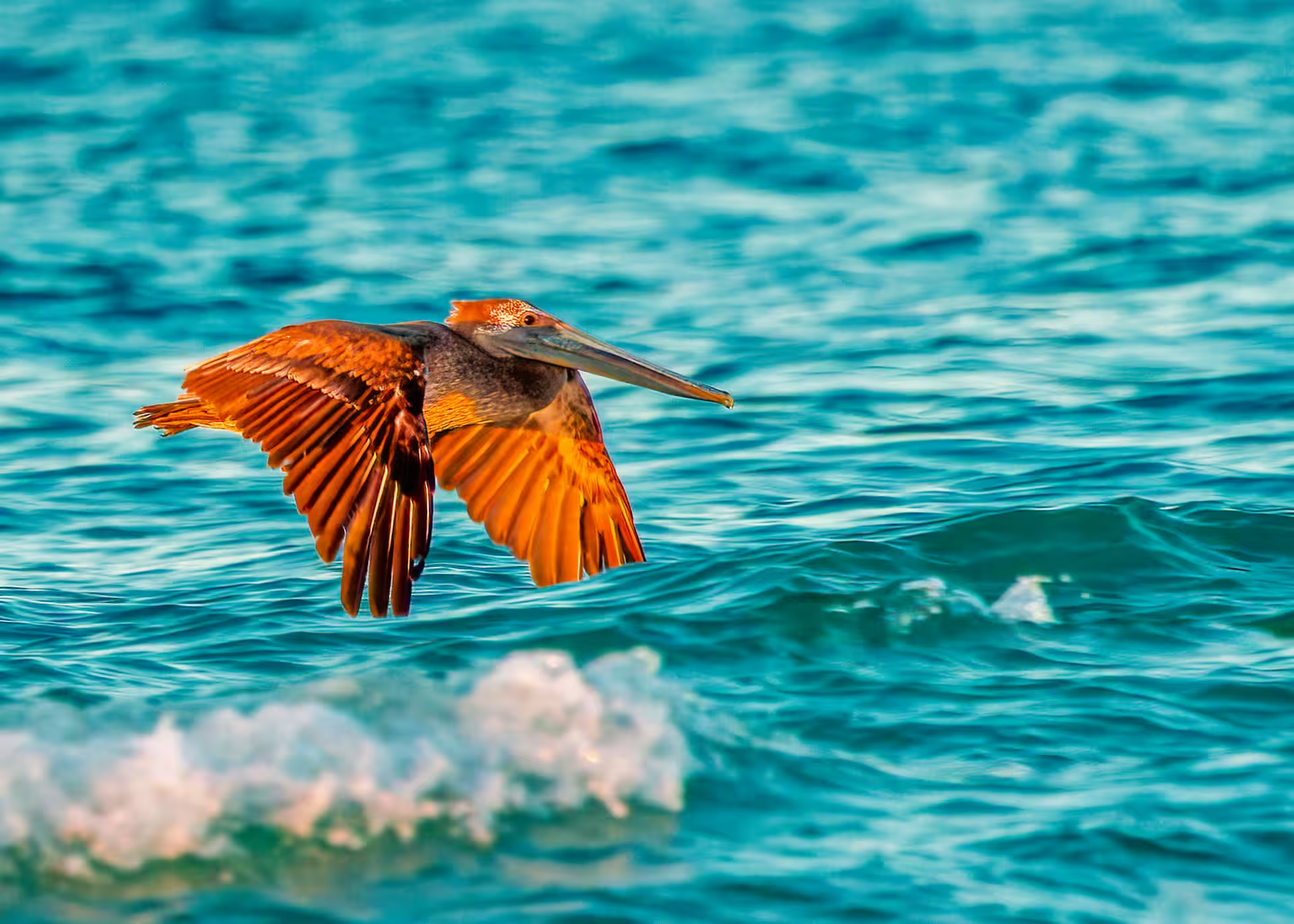
The Tide Pools Belonged to Everyone
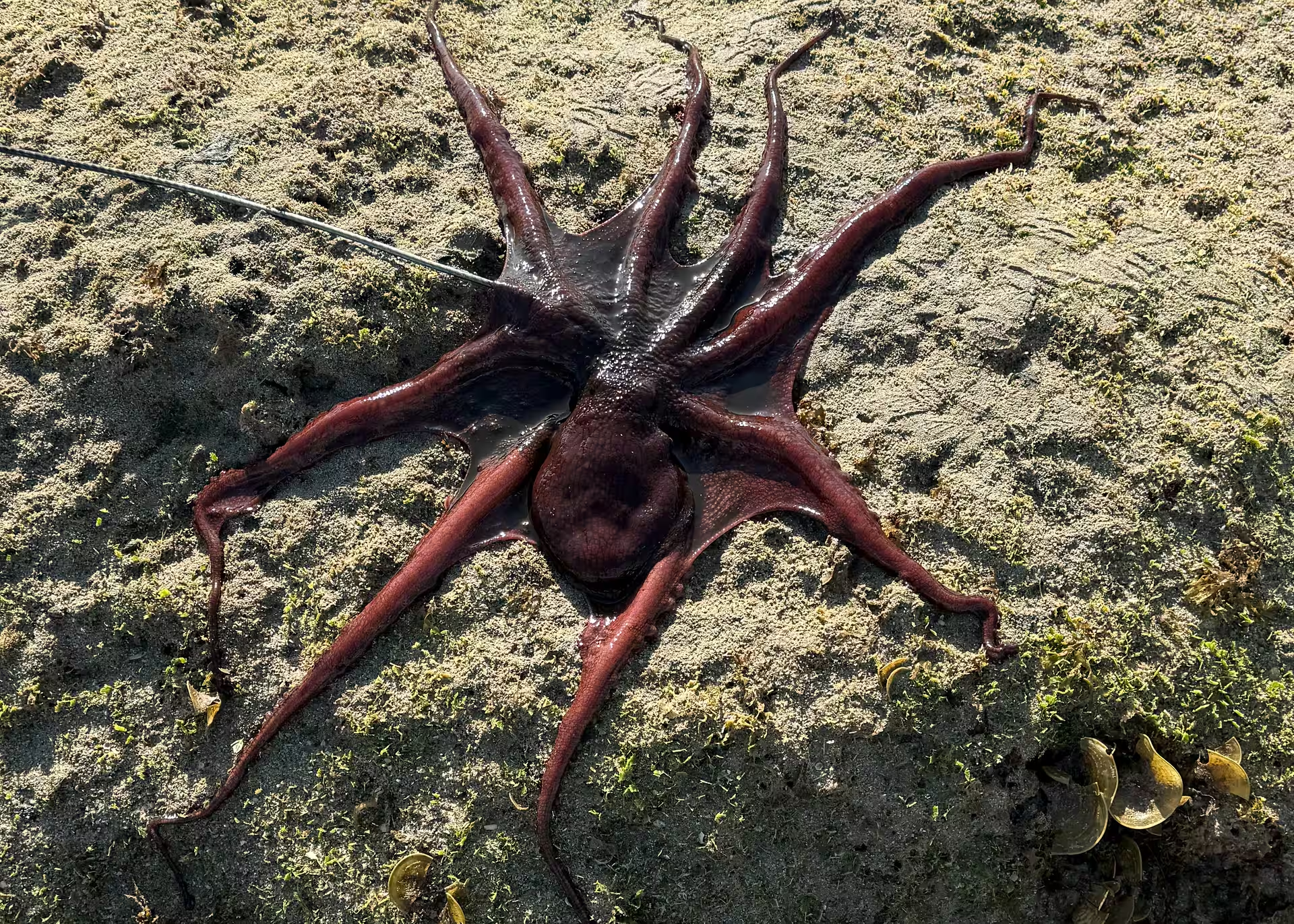
The birds were only part of what the retreating water revealed. Tiny fish collected in pools. Starfish appeared in the rocks. One night our group found a small octopus, which seemed pretty exciting at the time.
The next morning I watched a local man take advantage of the unusually low tide in a completely different way. He carried a long hooked pole and worked around the edges of the deeper holes—places that looked like they weren't exposed very often. He would scrape and probe around inside until suddenly he was pulling out enormous octopuses. They didn't come willingly. He wrestled them onto the flats, dispatched them with blows to the head, and stuffed them into a large sack to sell by the kilo.
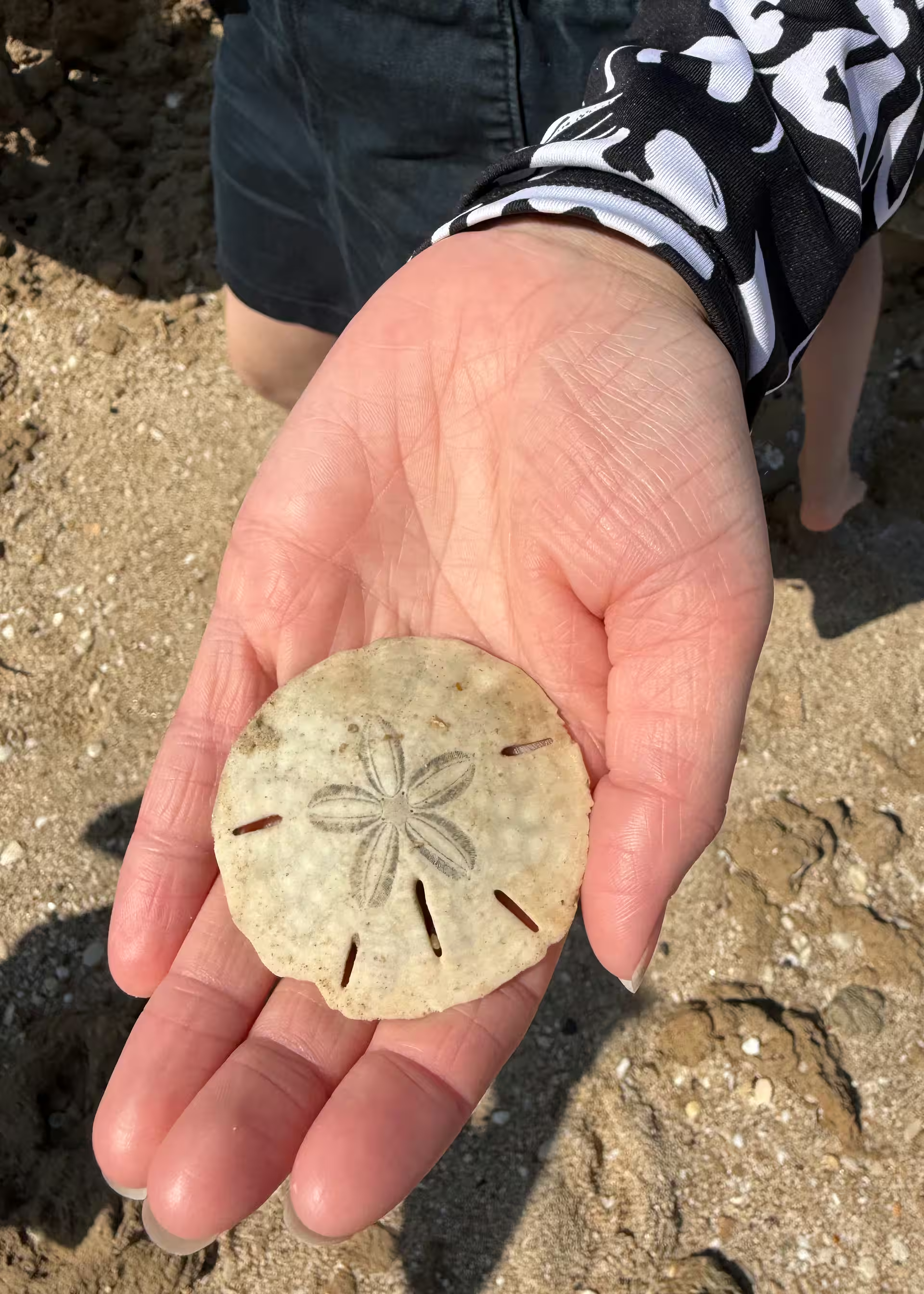
Meanwhile, our group had developed a slightly less ambitious low-tide industry: sand dollars. The ladies became obsessed with finding them embedded in old washed-up coral and rock, chiseling away like amateur archaeologists. At that point the beach needed less birding gear and more excavation equipment.
Pelican Point Changed the Mix
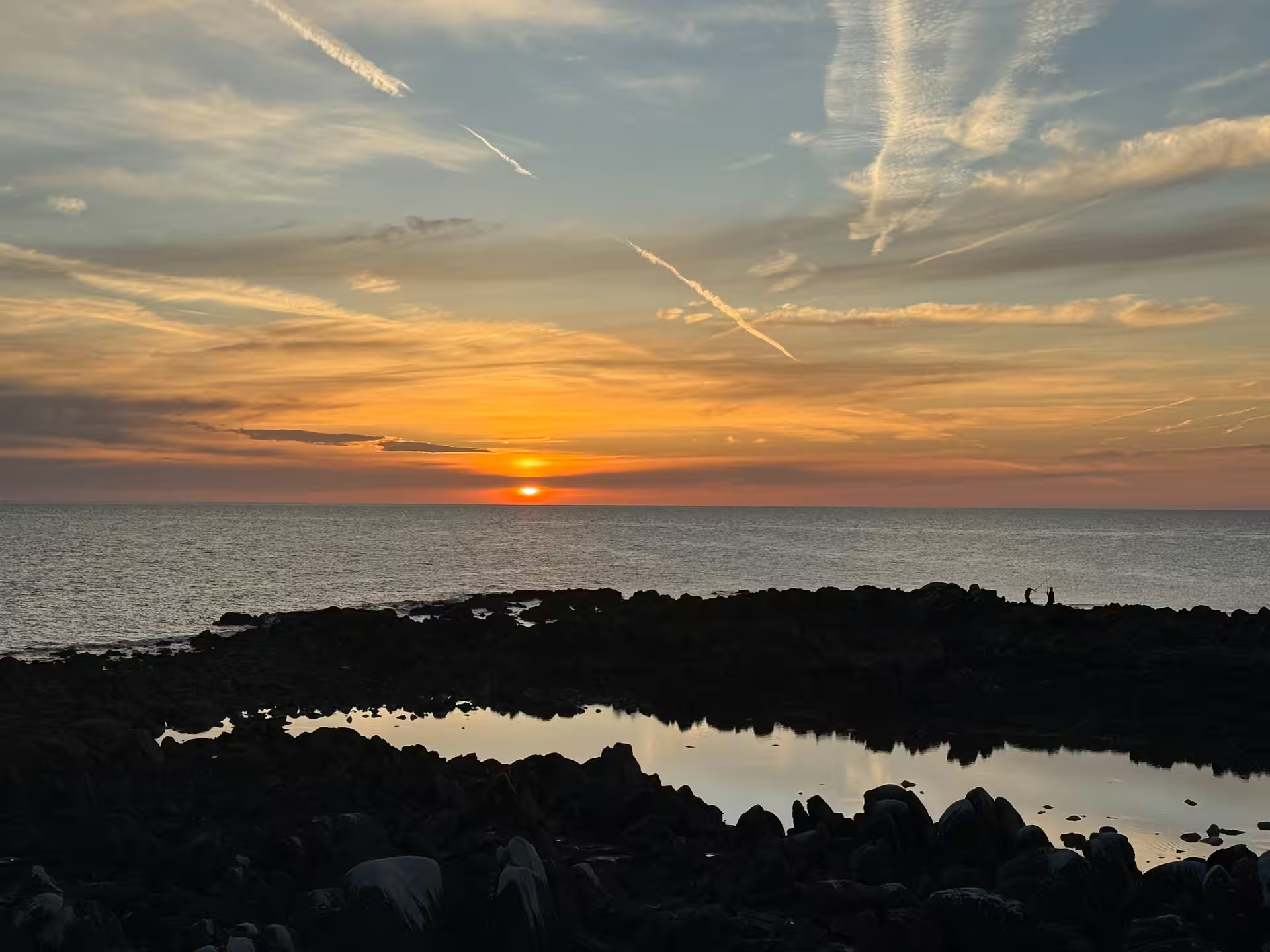
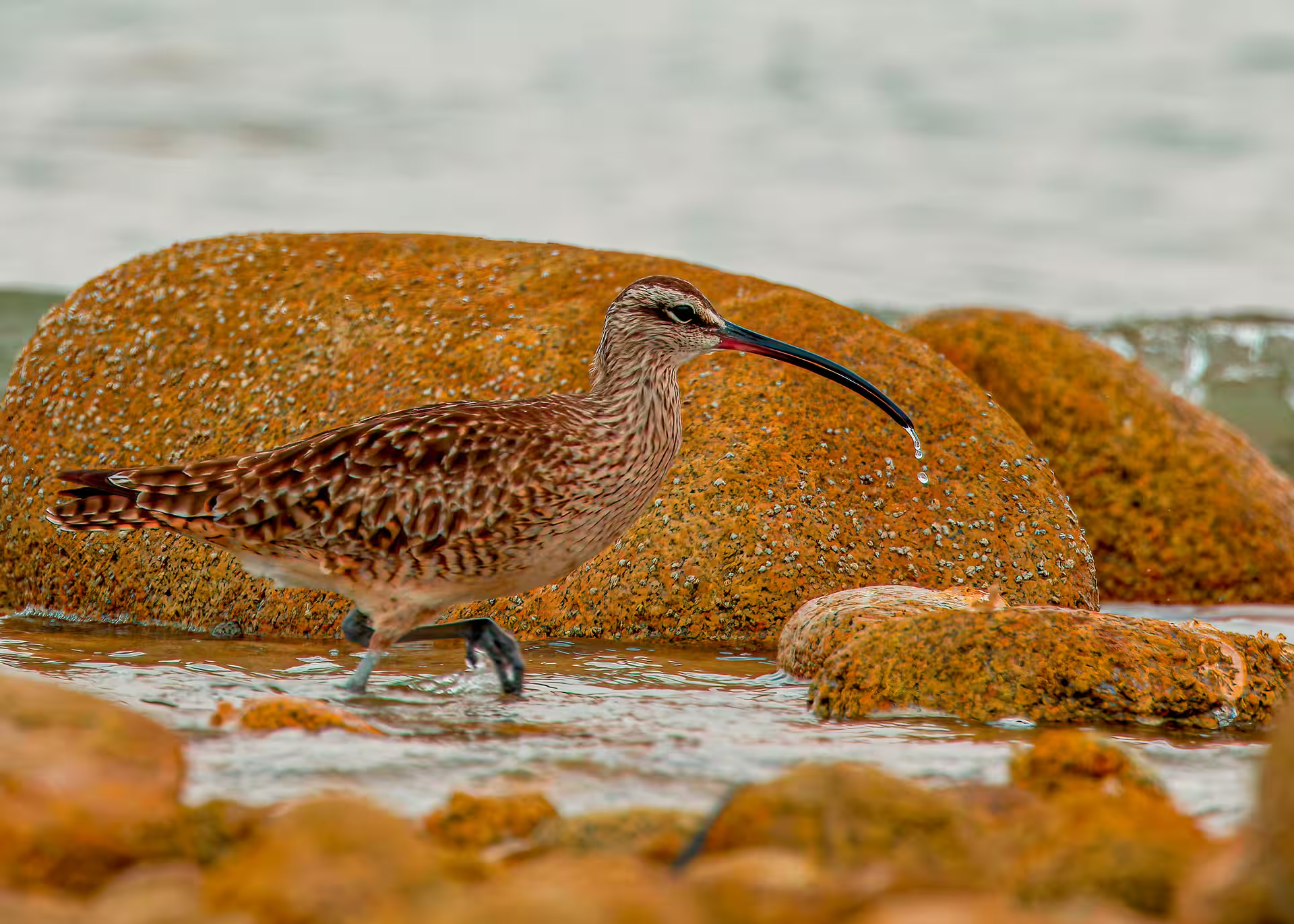
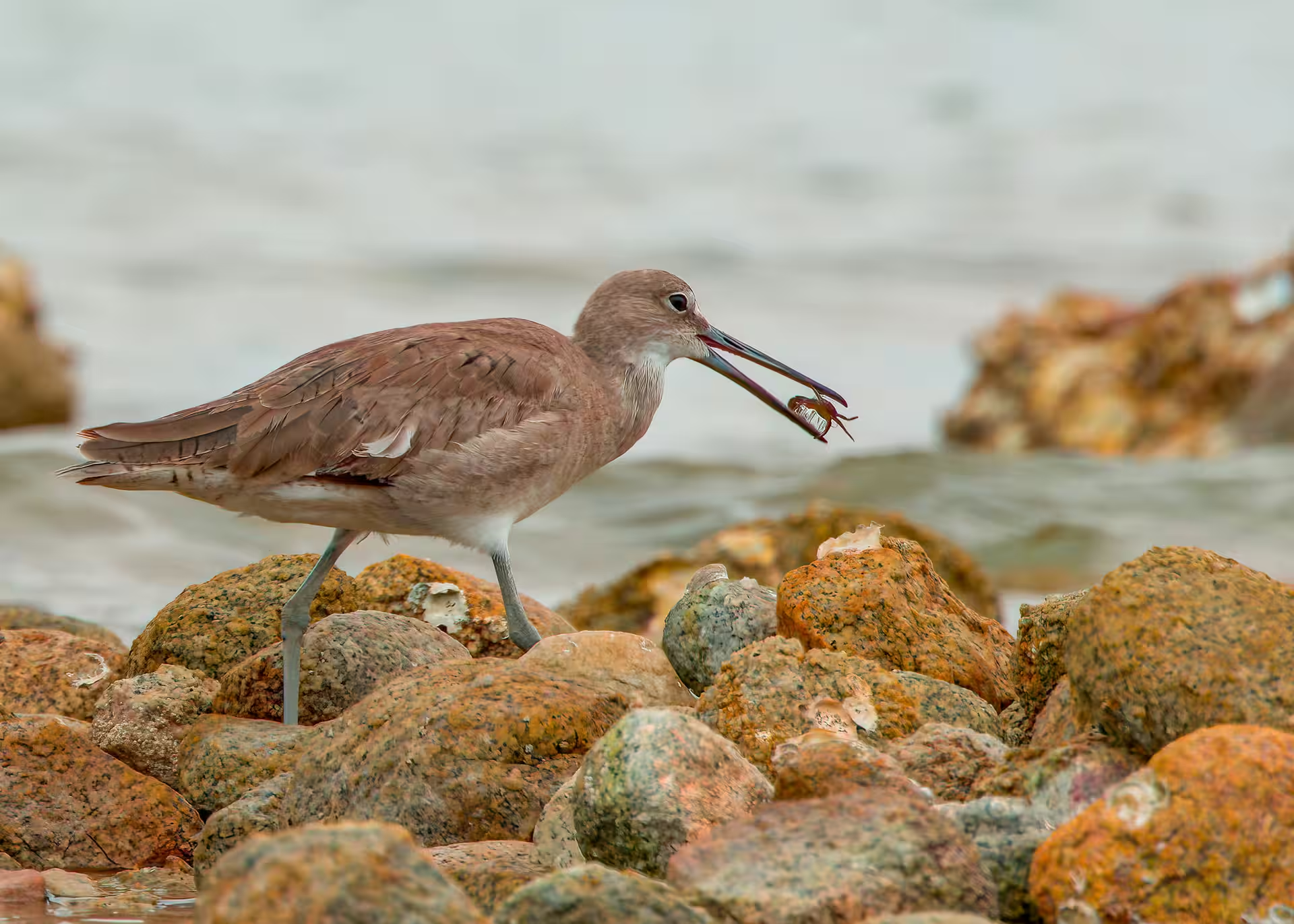
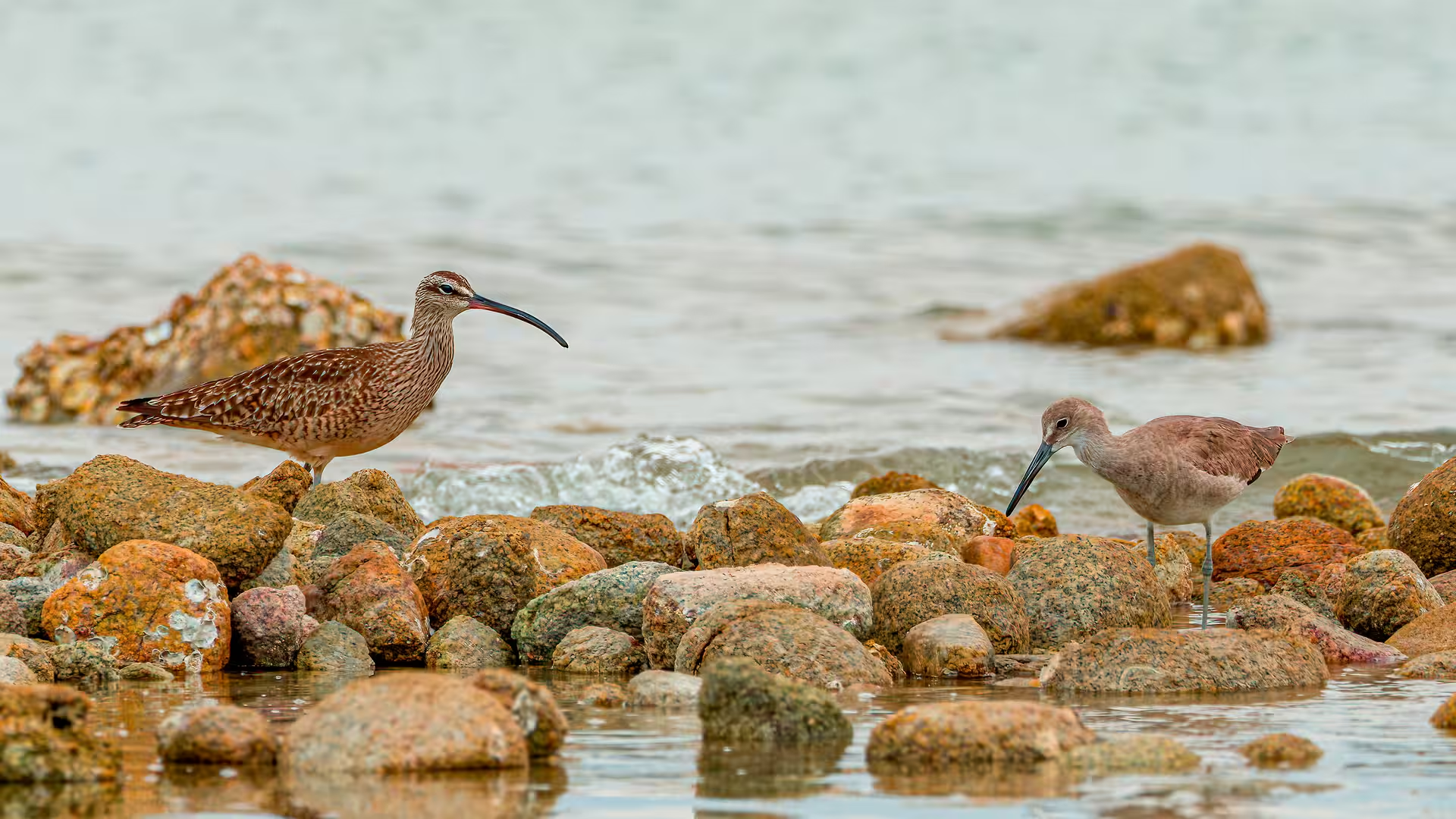
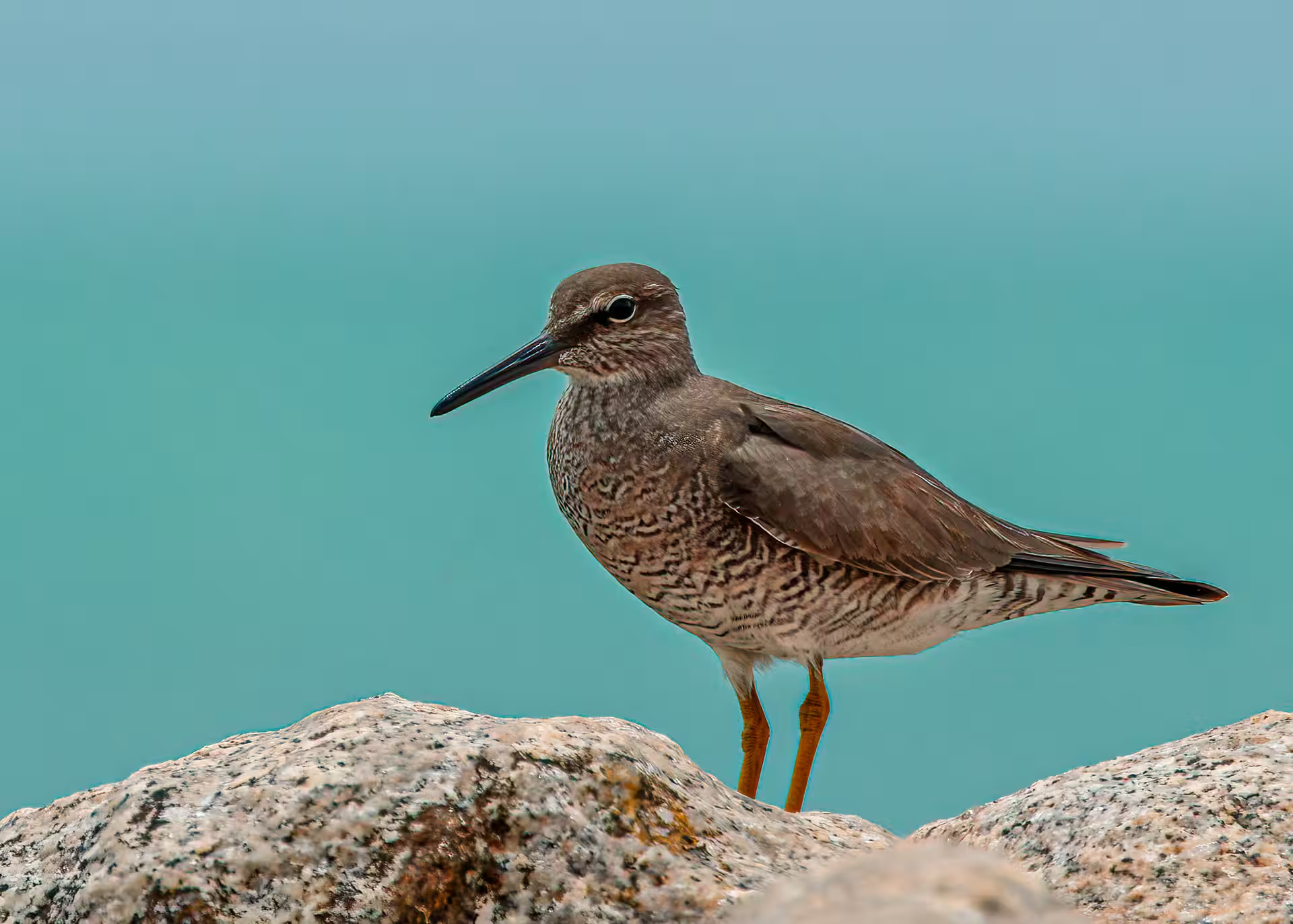
One evening we drove out toward Pelican Beach on the point of La Choya for sunset photos. The rocky shoreline immediately felt different from the broad flats near the resort. Different structure meant different birds.
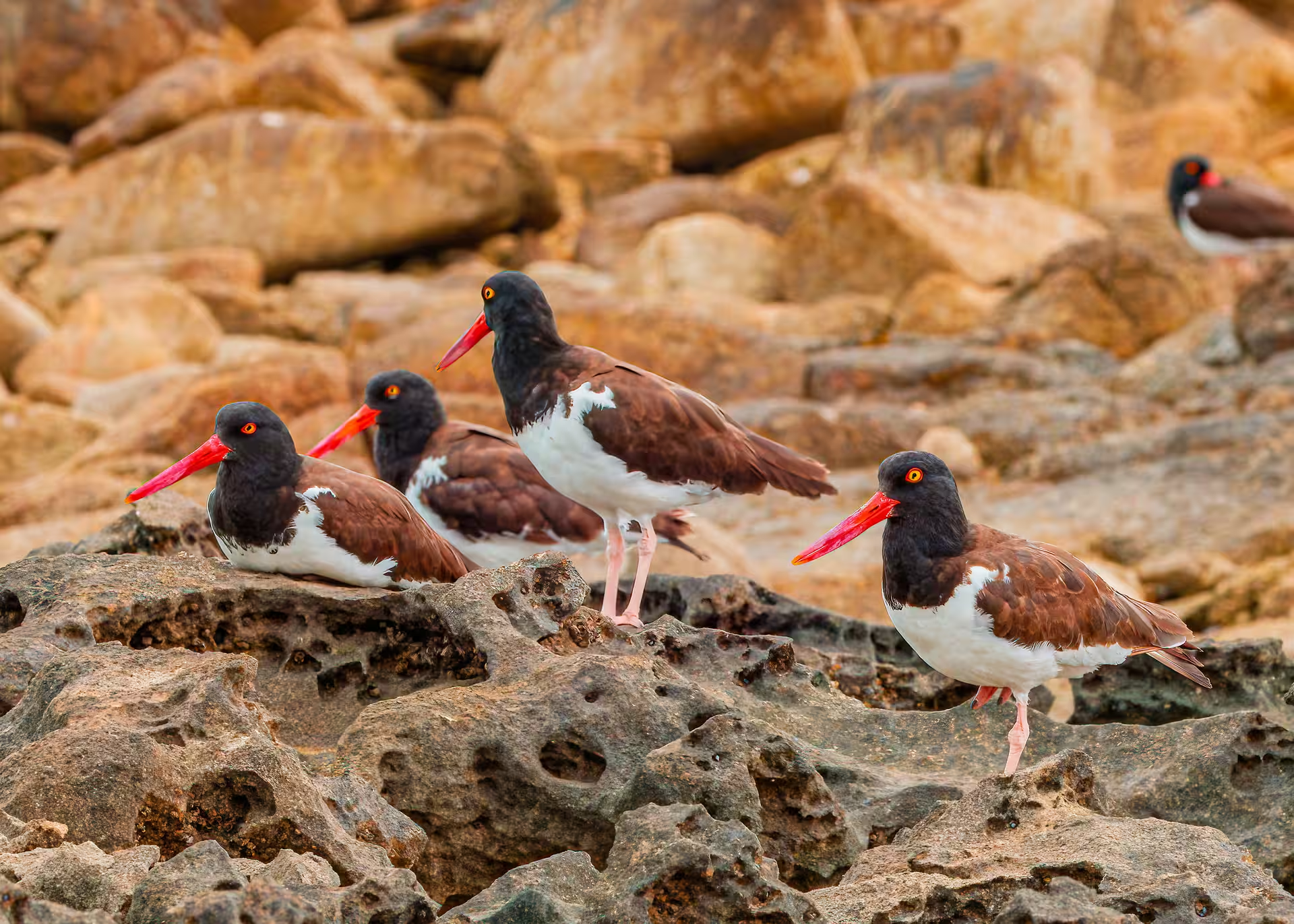
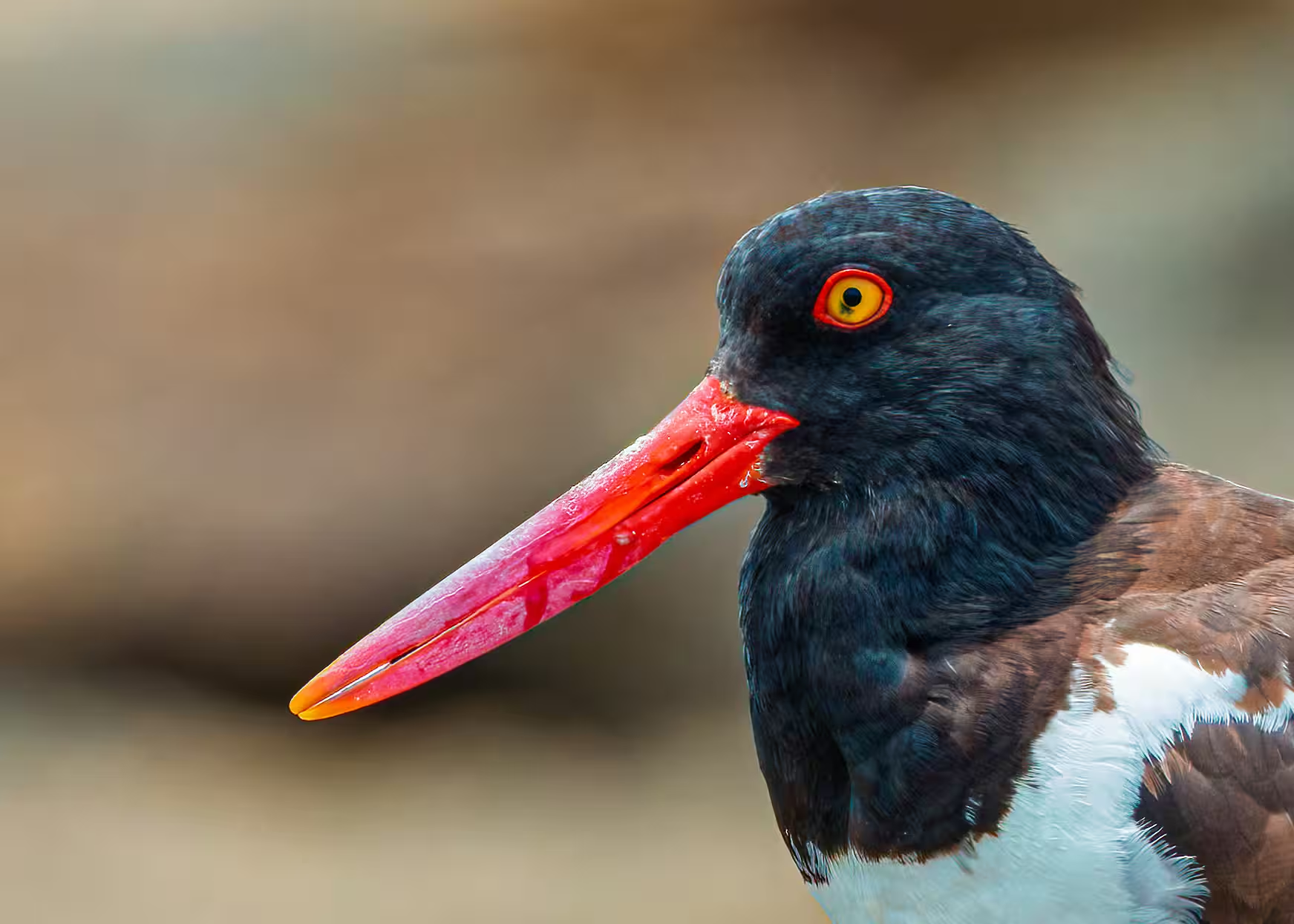
Somewhere out on the rocks I heard American Oystercatchers. I had been hoping to find them, and hearing those sharp calls was enough to guarantee I would be back.
The next day I returned with the Bartys and climbed toward the area where I had heard them. Eventually I found a group of thirteen. First they had been distant blobs. Then quick flybys. Now I finally had them standing on the rocks in front of me.
I did what I always do when a bird finally cooperates: I forgot about almost everything else.
Including the tide.
By the time I looked behind me, the water had crept into the route I had used to reach the rocks. My oystercatcher perch was rapidly becoming its own little island. I packed up and scrambled back before the Sea of Cortez turned a lifer into a much longer story.
Birds of Pelican Point
The Day I Left the Camera Behind
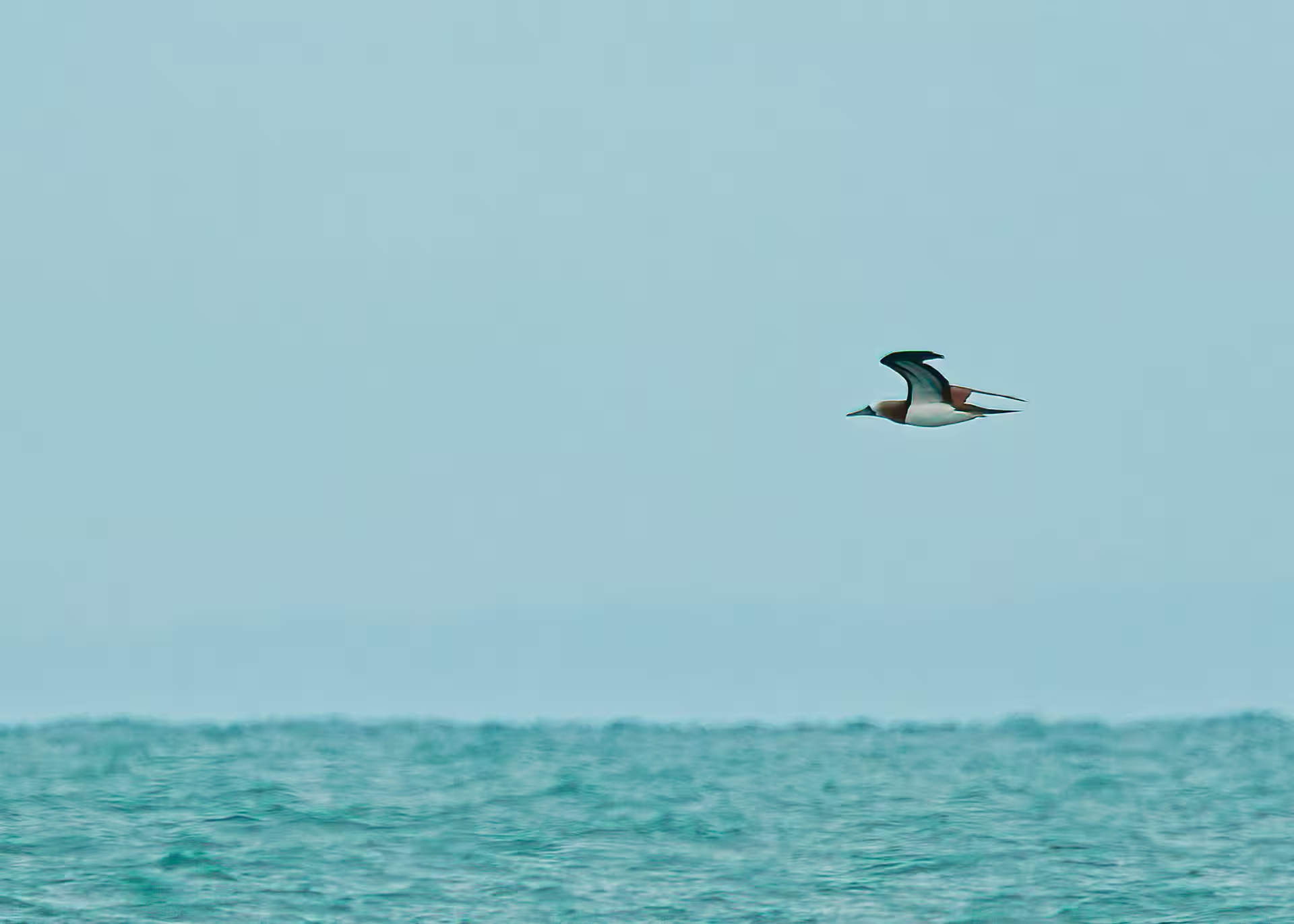
At some point I decided I had photographed enough birds for the day. Stacy and I were going for a walk, so for once I left the big camera behind.
Naturally, that was when we found a Pacific Loon sitting point-blank on the exposed beach.
Loons are spectacular swimmers, but their legs sit so far back on their bodies that they are almost helpless on land. This bird looked exhausted, and people were getting close enough that I was worried somebody—especially an excited kid—might bother it. So I sat nearby and became its unofficial bodyguard.
I did not know whether it was injured or simply exhausted. I asked ChatGPT what I should do and eventually called Arizona's wildlife department for advice. The answer was essentially the least dramatic one possible: give it space and let it be.
So I waited. For more than an hour.
As the incoming water reached the little patch of sand, the loon kept scooting farther away from it. That did not exactly inspire confidence. Eventually it was going to run out of beach.
Then, finally, it pushed back into the water. It floated upright, alert, looking below the surface—and eventually continued on.
I have much better bird photographs from Puerto Peñasco. I do not have a better bird story. Every image of the loon came from my iPhone because the encounter happened precisely when I was taking a "break" from bird pictures.

What the Tide Left Behind
Friday morning, we packed up a day earlier than the rest of the group and started the long drive back to Utah. We had known before the trip that Grandma's funeral would likely cut our vacation short; now it was time to make the drive.
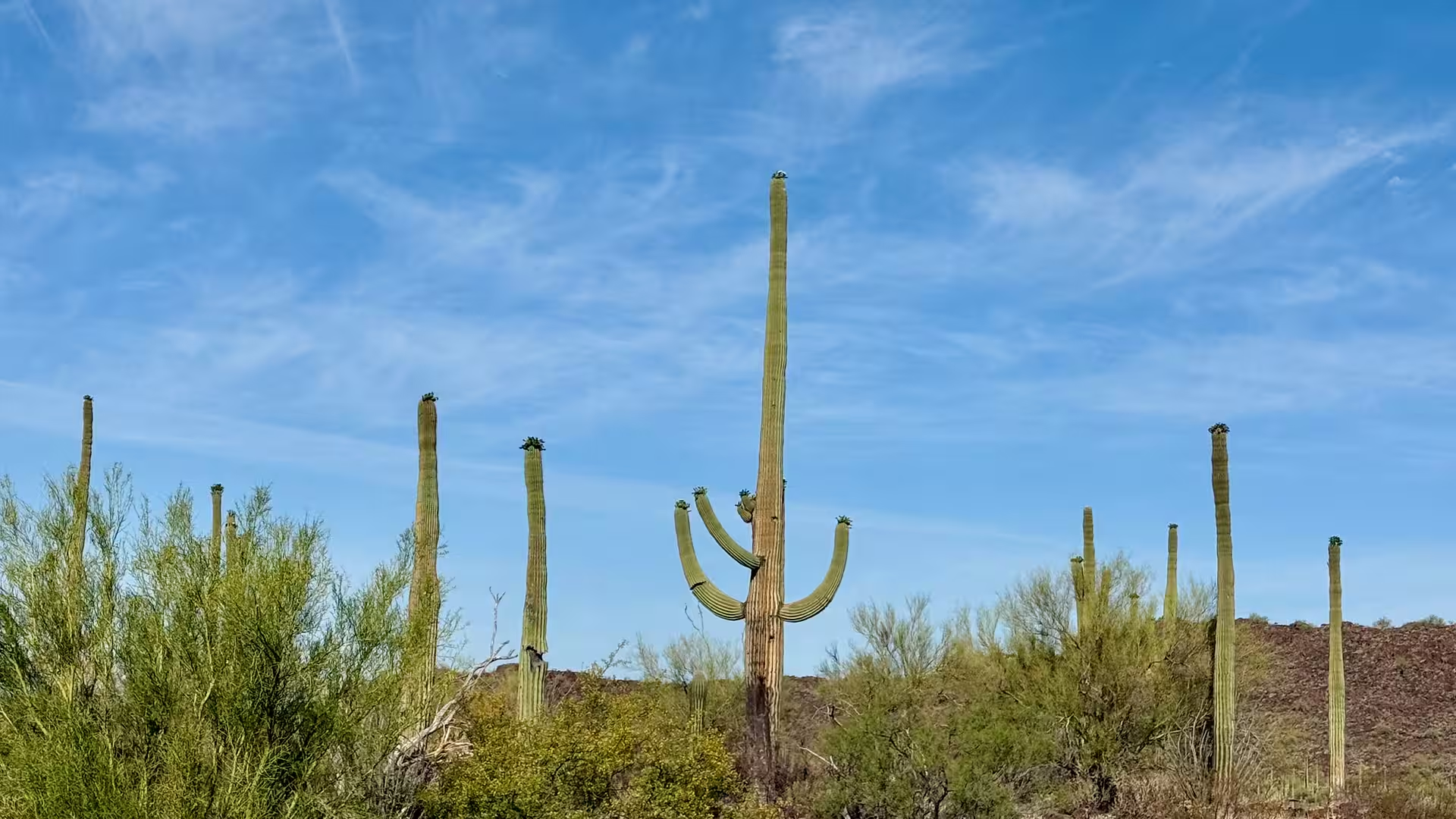
The border was nearly empty, and once we were back in Arizona the coast quickly gave way to the Sonoran Desert. We even pulled over for one last photo stop when the saguaros got too good to simply drive past.
Stacy and I traded off every two-and-a-half to three hours and made it all the way home that day. We went to bed at a normal time and attended Grandma's funeral the next morning.
Puerto Peñasco gave me seven lifers and some of my favorite bird photographs from that stage of FeatherQuest. But the photographs are not really what made the trip stick.
It was watching a Great Blue Heron work a tide pool long enough to see the whole hunt. It was finally understanding the difference between two white egrets because they were standing in front of me. It was hearing oystercatchers from the rocks, coming back the next day, and getting so absorbed that I nearly let the tide strand me.
And it was leaving the camera behind, finding a Pacific Loon anyway, and spending an hour doing almost nothing.
That may be what the tide really left behind. Birding does not always need more chasing. Sometimes the best thing you can do is get somewhere early, pay attention, and stay long enough to see what happens.