

Terns
Sharp wings, sudden dives, and the gull-like birds that become unmistakable once you watch them fly.
Table of Contents
How to Notice Terns
Where to Find Them
Look over lakes, reservoirs, marshes, river deltas, and the Great Salt Lake. Terns spend much of their time patrolling open water, so scan the sky as carefully as the shoreline.
What to Watch For
Watch for long pointed wings, quick turns, graceful hovering, and sudden headfirst dives. Terns look slimmer, sharper, and far more agile in flight than the gulls they are often mistaken for.
Listen Closely
Forster’s Terns give sharp, raspy calls over wetlands, while Caspian Terns announce themselves with loud, harsh barking calls that often reveal the bird before you see it.
Explore Further
- Forster’s Tern Guide (All About Birds)
- Caspian Tern Guide (All About Birds)
Wait... That’s Not a Gull
I still remember the first tern I ever saw.
It was only a few months into my birding adventure. I noticed a white bird flying over the water and almost ignored it because I assumed it was just another gull. For some reason, I took a few photos anyway.
Later, while reviewing my images, I stopped. Wait... what is this?
The bird looked gull-like, but everything about it felt different. The wings were longer and narrower. The bill was sharper. It flew with incredible speed and precision. It was my first tern.
Now they are some of my favorite birds to watch. Once you notice how agile they are, you will never look at them as just another gull again.
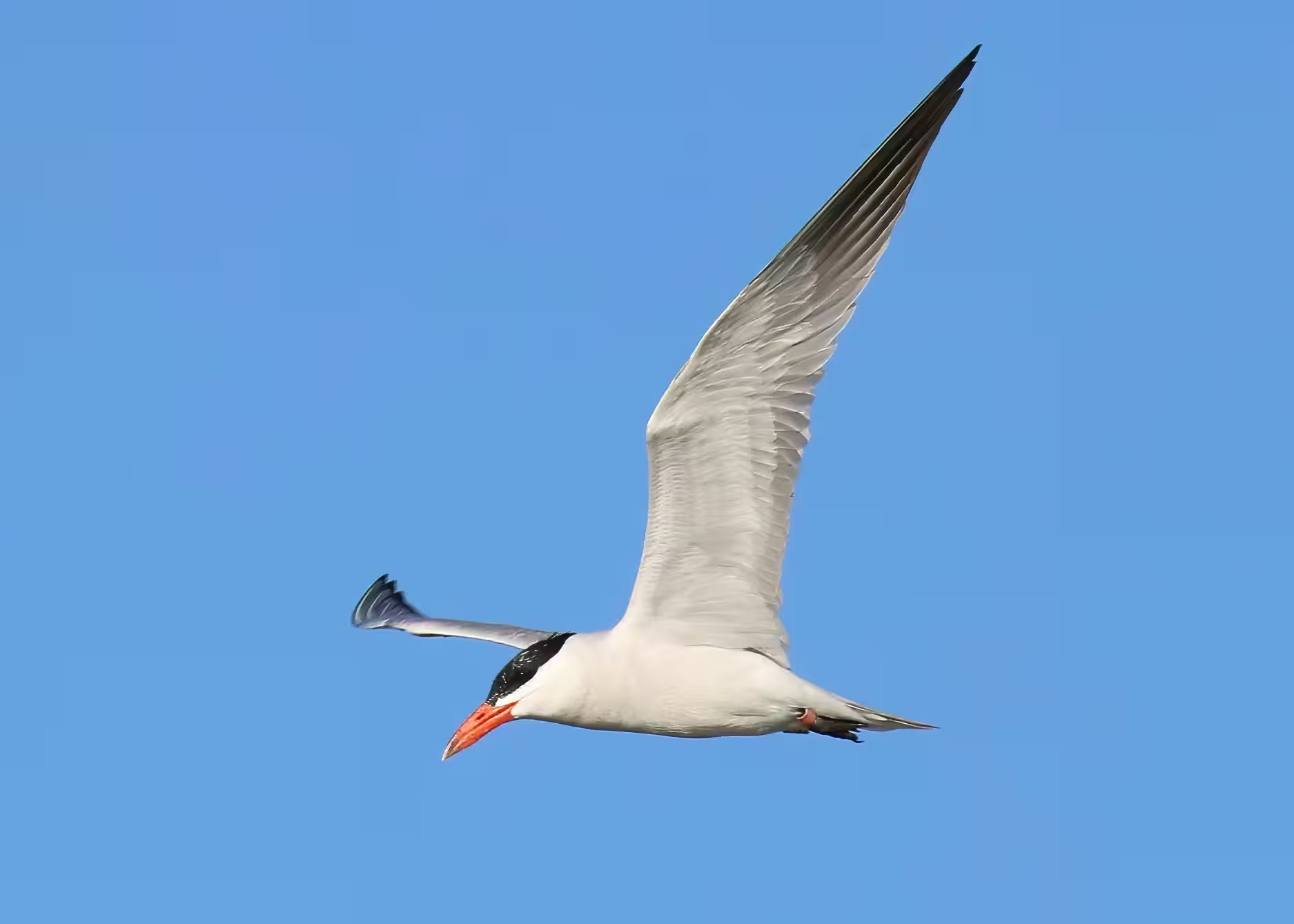
Built for the Hunt
Gulls are generalists. They swim, walk shorelines and parking lots, scavenge, steal food, and take advantage of almost anything they can find.
Terns have a much more specialized job. Their long pointed wings, streamlined bodies, and deeply forked tails are built for speed and precision, allowing them to patrol open water with effortless grace.
That flight is now my biggest clue. Even before I notice the bill or tail, the sharp turns, quick wingbeats, and effortless hovering often tell me I'm watching a tern rather than a gull.
Watching a tern hunt is one of the best aerial shows in Utah birding. A bird cruises above the water, suddenly pauses to hover, locks onto something below, and then folds into a headfirst dive.
Moments later it often climbs back into the air with a fish already hanging from its bill. From my observations, they have a surprisingly high success rate. Their dives aren't random splashes—they're precise attacks from birds perfectly designed for the job.
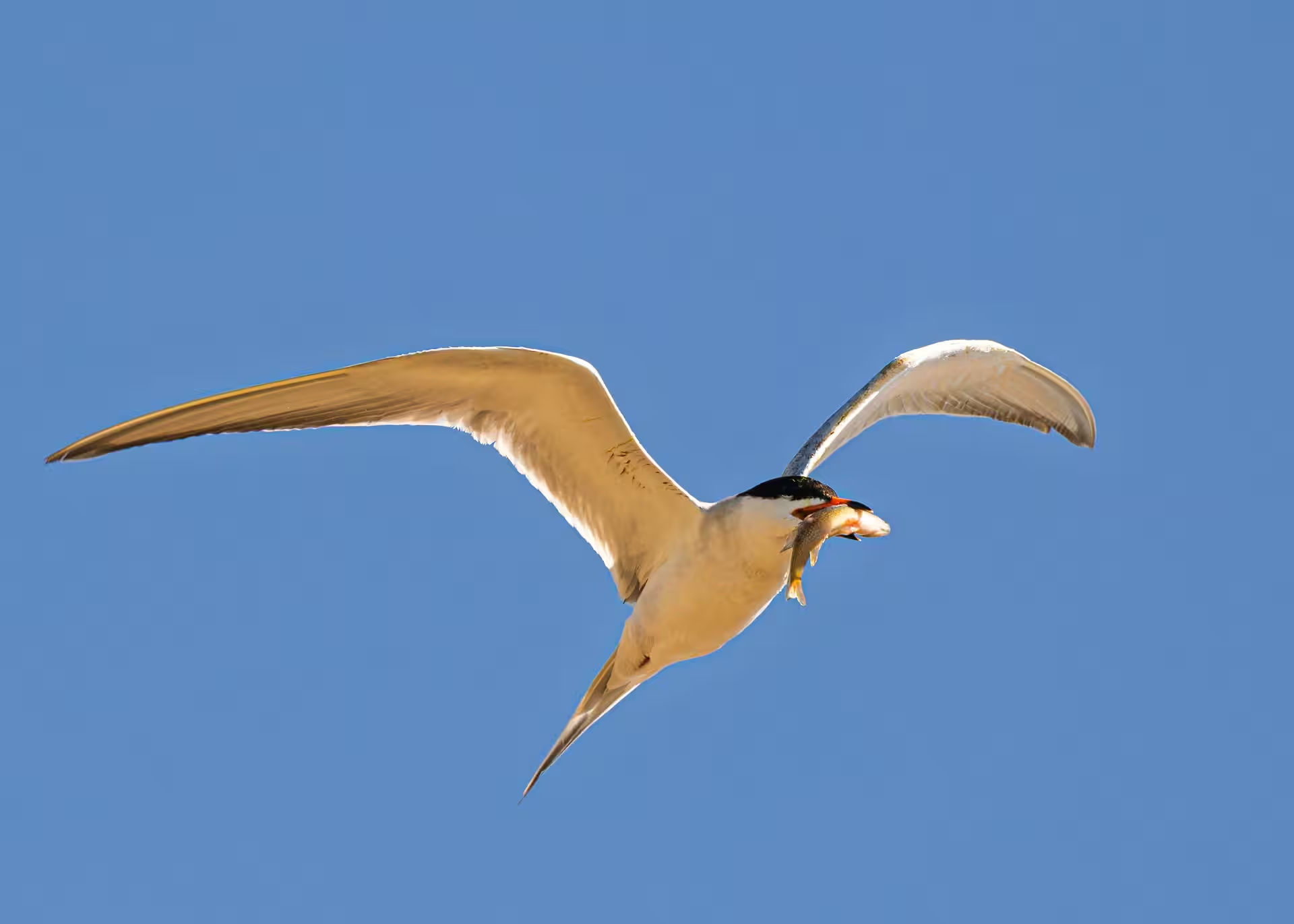
Utah’s Two Regular Terns
Most Utah birders can begin by learning two species: Forster’s Tern and Caspian Tern.
Forster’s Tern is the smaller and more delicate of the two. In breeding plumage, it shows a black cap, an orange bill with a dark tip, pale wings, and an especially long, deeply forked tail.
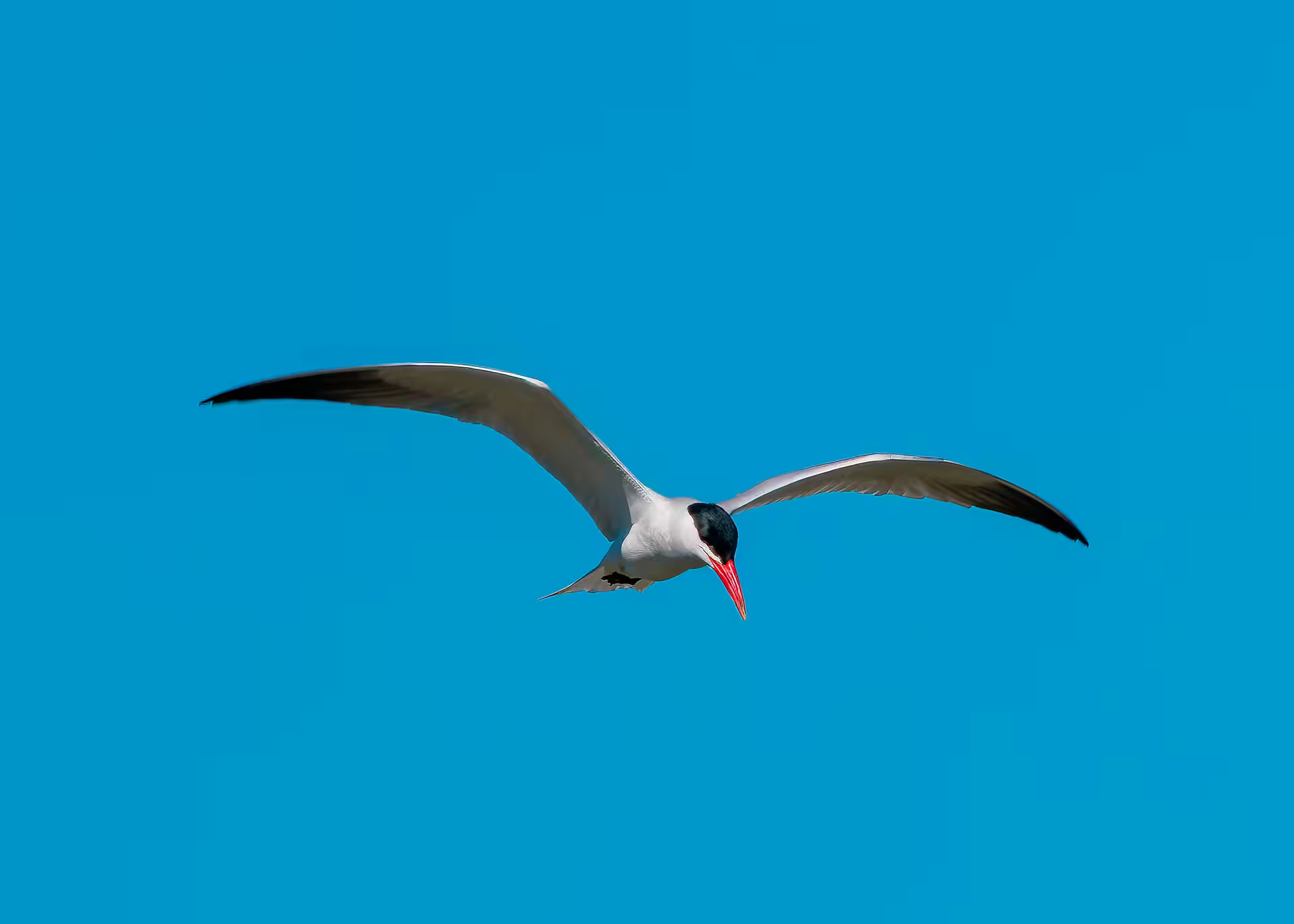
Caspian Tern is much larger and heavier, with a thick red bill and a more powerful overall shape. If you ever see the two together, the size difference is usually the fastest and easiest identification clue.
Utah also hosts two less common species. Black Terns are easy to recognize in breeding season thanks to their dark bodies, while the ironically named Common Tern is actually uncommon here. Distinguishing one from a Forster’s Tern takes a much closer look at details like the wings, tail, and bill.
Utah Edition Endcap
Want to keep exploring? You can read more Guides or join the FeatherQuest updates to hear when new ones go live.