

Sandpipers
Changing plumage, tiny peeps, and learning which clues actually matter.
How to Notice Sandpipers
Where to Find Them
During migration, look along mudflats, shallow wetland edges, lake and reservoir shorelines, and anywhere receding water exposes fresh places to feed. Some species gather on broad open shores, while others—including Spotted and Solitary Sandpipers—can turn up along much smaller freshwater ponds and streams.
What to Watch For
Start with size, then check the bill, legs, and patterns on the breast and back. But don't stop there. Watch how the bird feeds and moves. Does it probe the mud, pick food from the surface, race along the shoreline, or constantly bob its tail? Behavior can be just as useful as another field mark.
Listen Closely
Sandpipers often give short, high-pitched calls as they flush or fly overhead. Learning every call takes time, but simply noticing those sounds can alert you to birds you might otherwise miss and eventually become another clue for separating similar species.
Explore Further
- Spotted Sandpiper Guide (All About Birds)
- Least Sandpiper Guide (All About Birds)
- Western Sandpiper Guide (All About Birds)
- Solitary Sandpiper Guide (All About Birds)
The Spotted Sandpiper Without Spots
Some bird names feel like identification instructions. So what happens when a Spotted Sandpiper doesn't have any spots?
After the breeding season, adult Spotted Sandpipers molt into much plainer plumage. The bold spots disappear and the brighter breeding bill becomes duller. Young birds are plain underneath too. Suddenly one of the most obvious names in birding becomes a little less helpful.
Fortunately, Spotted Sandpipers have another clue that works regardless of what they are wearing. Watch them walk and they characteristically teeter, repeatedly bobbing the rear of the body up and down. When plumage changes, behavior can become the better field mark.


Welcome to the Peeps
Eventually every birder reaches the tiny sandpipers known informally as peeps—and realizes that shorebird identification has become a different game.
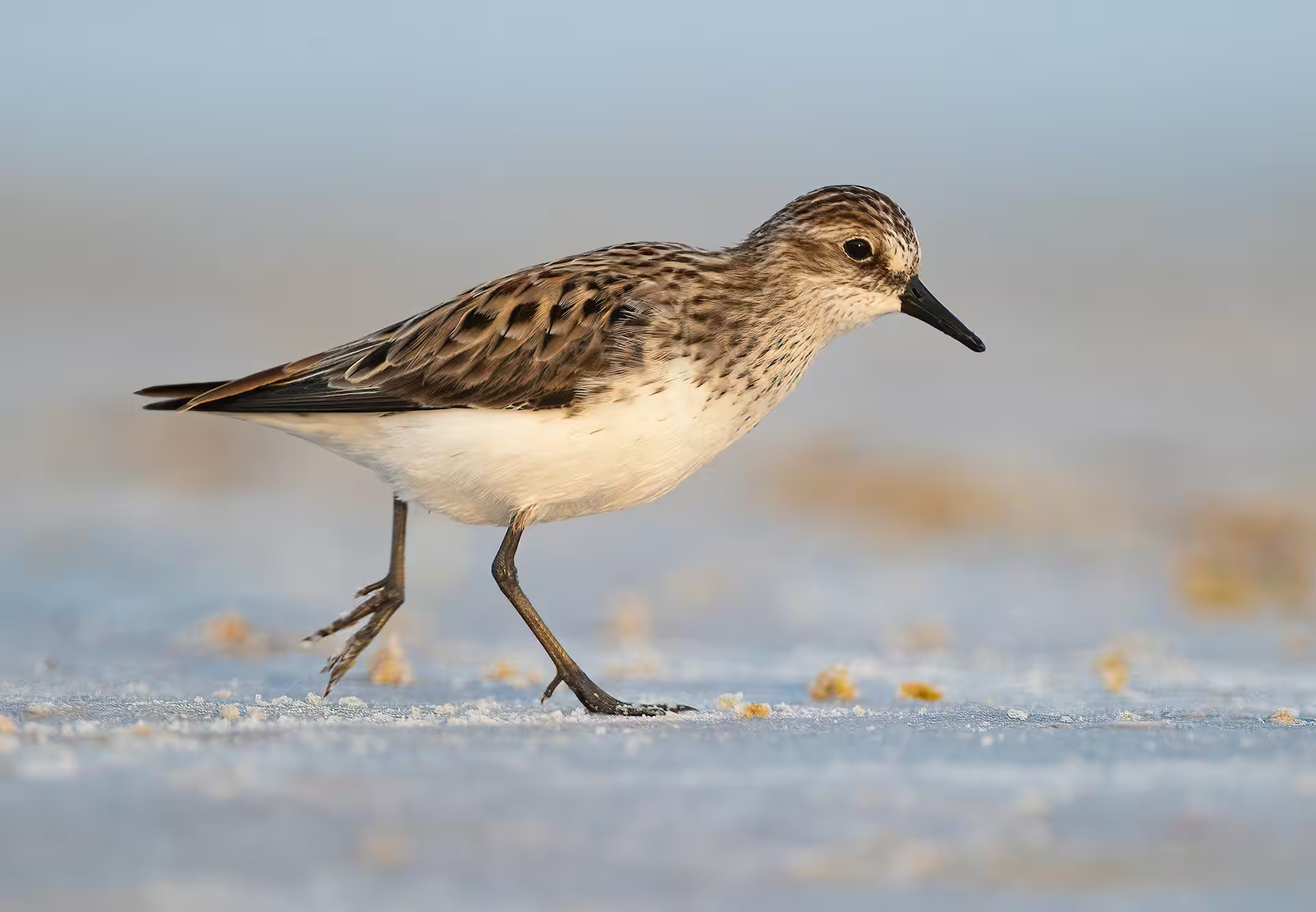
Least, Western, and Semipalmated Sandpipers are all tiny brown-and-white shorebirds that can feed together during migration. At a distance they may look nearly identical, so this is where combining several clues becomes important.
Least Sandpipers are especially useful to learn first. They have yellowish legs, separating them from the usually black-legged Western and Semipalmated Sandpipers. They're also the world's smallest shorebird, although that distinction is much easier to appreciate when another bird is standing nearby.
Between the two black-legged species, look carefully at the bill. Western Sandpipers tend to have a longer bill with a slight droop toward the tip, while Semipalmated Sandpipers generally show a shorter, straighter bill.
But none of these clues should be treated as magic. Mud can hide leg color, bill length varies between individuals, and distance can erase the details you need. Sometimes the best identification really is simply peep until you get a better look.
Sometimes the Bird Tells You
Not every sandpiper requires staring at tiny differences in bill length.
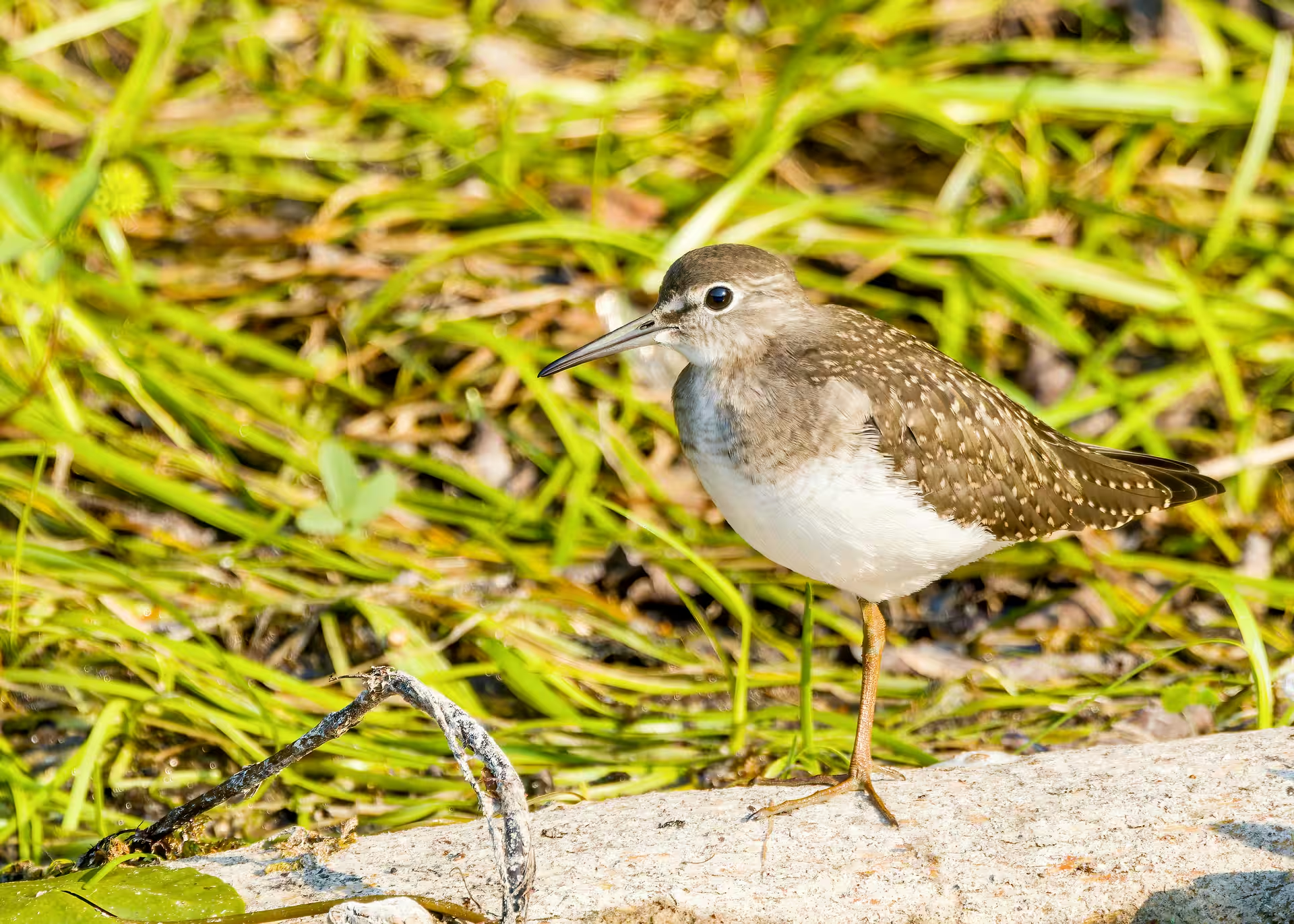
The Solitary Sandpiper gives you a much friendlier combination of clues: a prominent white eyering, dark upperparts covered in small pale spots, greenish legs, and a clean white belly.
Its habits help too. While migration can gather many sandpipers into enormous flocks on open mudflats, Solitary Sandpipers are often encountered alone or in small numbers around freshwater ponds, marsh edges, streams, and other quieter wetlands.
That's the larger lesson of sandpiper identification. You don't need to memorize every sandpiper before heading into the field. Start with size. Check the legs and bill. Look for strong patterns and proportions. Notice the habitat. Then watch what the bird does. Every clue makes the puzzle a little smaller.
Utah Edition Endcap
Want to keep exploring? You can read more Guides or join the FeatherQuest updates to hear when new ones go live.