

Plovers & Allies
Familiar calls, impossibly long legs, and plovers passing through on migration.
Table of Contents
How to Notice Plovers & Allies
Where to Find Them
Start around open shorelines, mudflats, shallow wetlands, playas, and exposed edges of lakes and reservoirs. Killdeer are less picky and may appear in fields, gravel lots, and other open ground far from water. Avocets and Stilts breed around Utah wetlands, while fall migration can bring several less familiar plovers through the state.
What to Watch For
Plovers often feed with a characteristic run, stop, look, and pick rhythm rather than continuously probing the mud. Start with breast bands, body size, bill shape, and overall proportions. Among the allies, American Avocets sweep their upturned bills through shallow water, while Black-necked Stilts seem to walk on impossibly long pink legs.
Listen Closely
If there is one plover call worth learning first, make it the Killdeer. Its loud, ringing kill-deer! can carry across a wetland or open field and often announces the bird long before you find it. Other migrating plovers may call in flight too, making sound another useful clue when birds are distant.
Explore Further
- Killdeer Guide (All About Birds)
- American Avocet Guide (All About Birds)
- American Golden-Plover Guide (All About Birds)
The Plover You Already Know
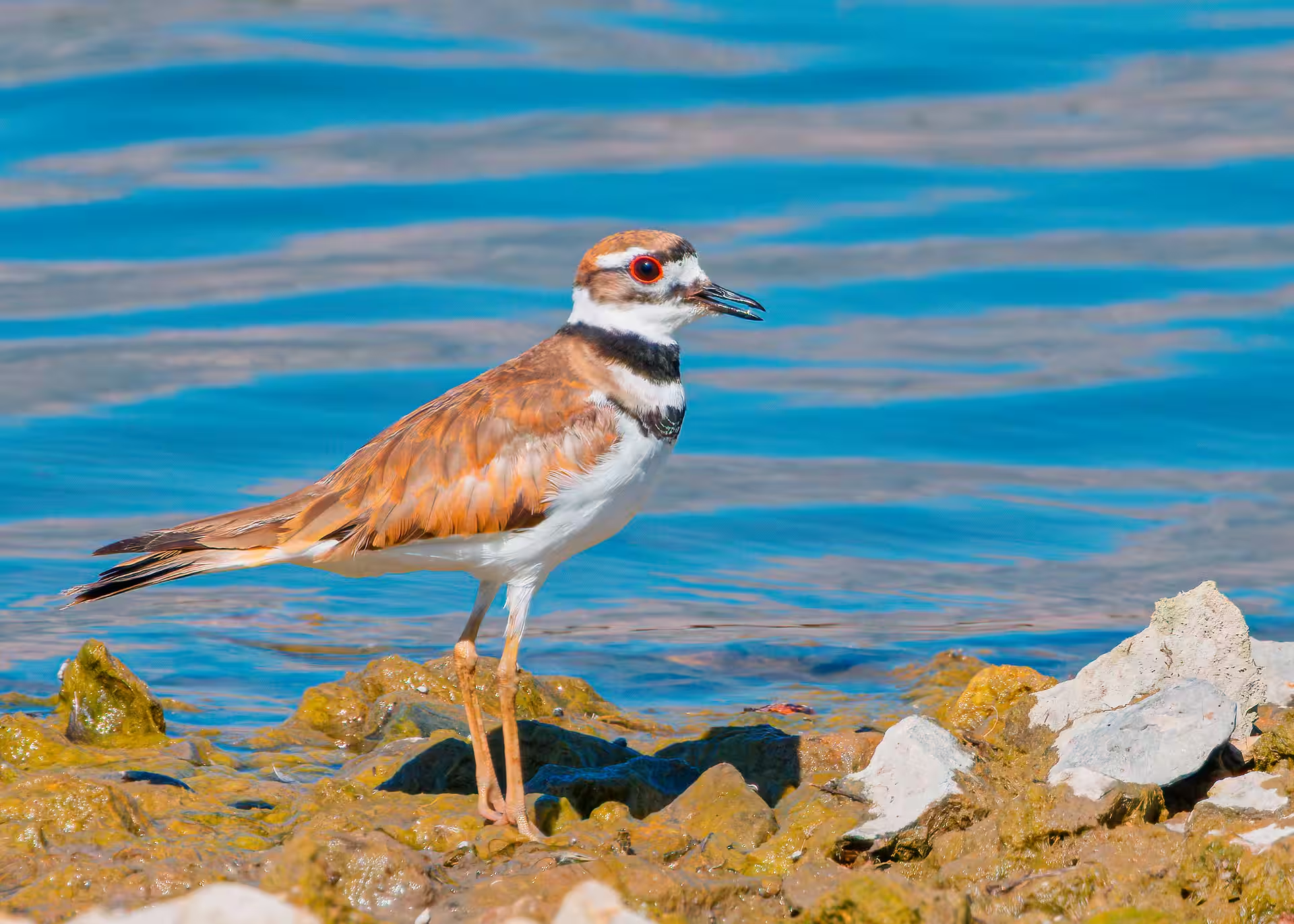
You may already know a plover without realizing it. Killdeer are plovers—and for many Utah birders, they are the easiest member of the family to meet.
Unlike the shorebirds we instinctively expect to find at the water’s edge, Killdeer are perfectly comfortable on dry open ground. Fields, gravel lots, lawns, roadsides, and bare patches can all work. Their brown back and white belly are crossed by two bold black breast bands, one of the fastest visual clues for separating them from Utah’s other small plovers.
But I usually notice them with my ears first. Killdeer always seem to make an appearance on our FeatherQuest library bird walks at the Provo River Delta, their unmistakable kill-deer! call carrying across the wetlands before we ever find the bird.
They have another unforgettable trick near a nest or young. An adult may suddenly look injured, dragging a wing and struggling away as if it is an easy target. The performance is deliberate: the bird is trying to lure a predator away from what it is protecting. Follow it far enough and the "injured" Killdeer can make a remarkable recovery.
The Long-Legged Allies
Then there are the Allies. American Avocets and Black-necked Stilts are not plovers, but they belong to another shorebird family and often share the same shallow Utah wetlands. Put them beside a Killdeer and the family resemblance may not be obvious—the legs alone seem to belong to an entirely different design.
The American Avocet is built around curves and contrast. Long blue-gray legs lift it above the shallows, while an exceptionally thin bill curves upward at the tip. Watch one feed and that bill becomes even more distinctive as the bird sweeps it from side to side through the water. During breeding season, the head and neck turn a beautiful rusty orange against the bold black-and-white body.
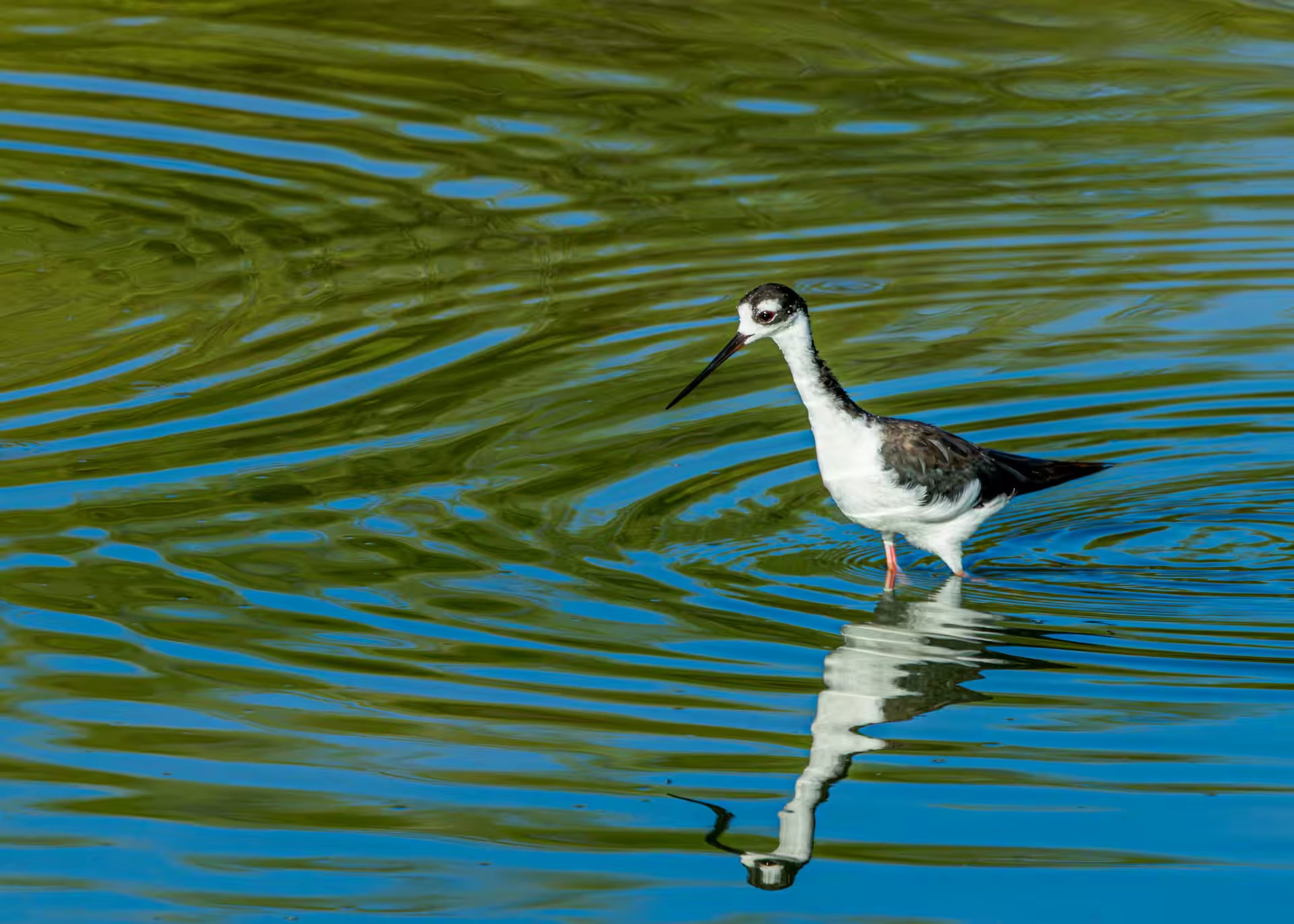
The Black-necked Stilt takes the long-legged idea even farther. Its thin straight bill, crisp black-and-white plumage, and extraordinary pink legs create a silhouette that is difficult to confuse with anything else. Stilts usually forage in shallow water and wet mud, picking small prey from the surface.
The similarities go beyond appearance and habitat. Researchers studying both species in northern Utah documented remarkably similar mating sequences. The male repeatedly preens and dips his bill in the water beside the female before mating; afterward, the pair may cross bills and run together. It is an elaborate little piece of choreography shared by these two long-legged relatives.
Both are primarily warm-season birds in Utah, breeding around the state’s wetland complexes before most move south. Migration is never perfectly tidy, though, and occasional birds can linger later than expected. For most of us, spring through fall remains the best time to look for these two together.
Plovers on the Move
Killdeer may be Utah’s most familiar plover, but fall migration brings a few others through our mudflats and wetlands.
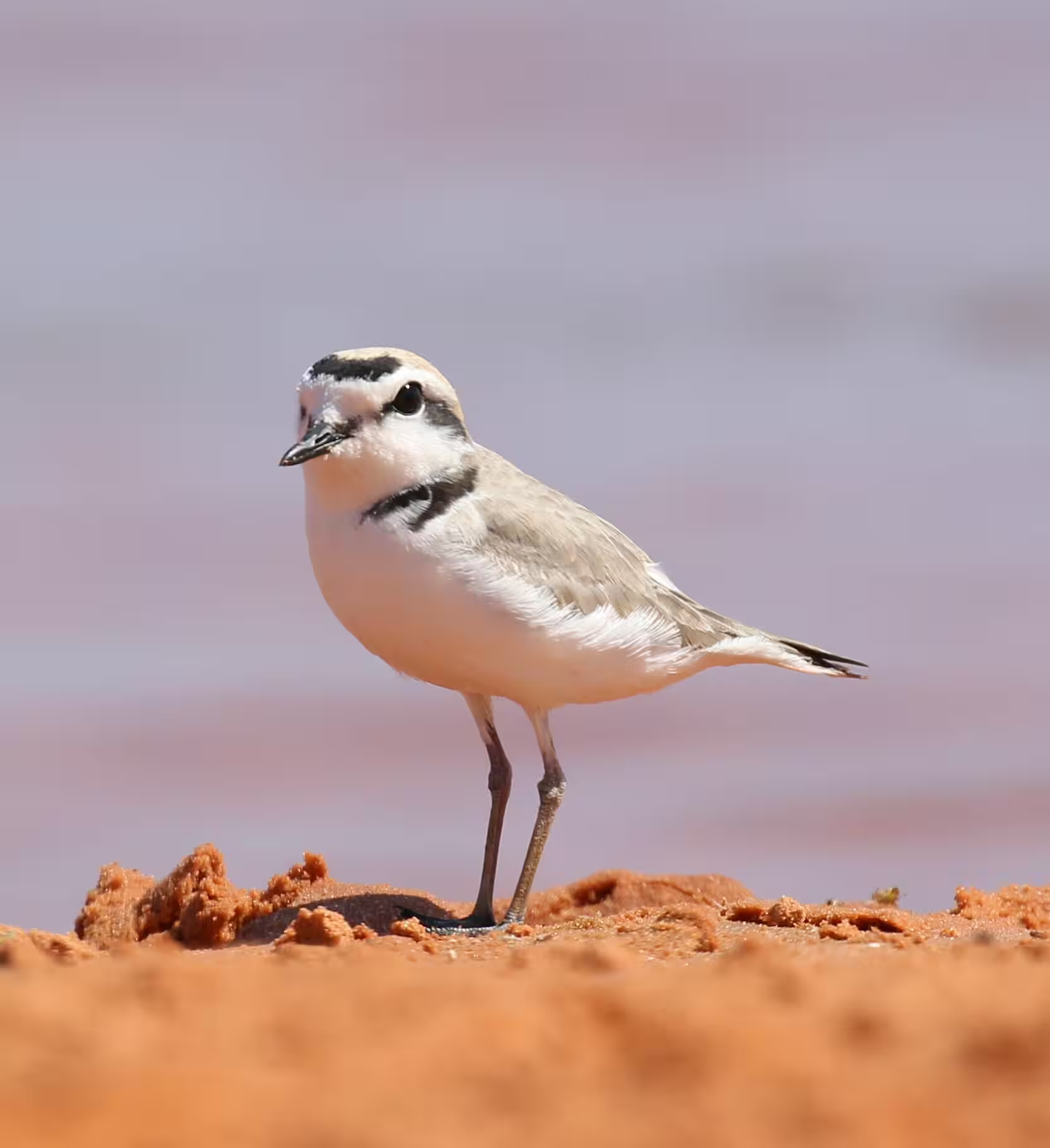
Snowy Plovers are the exception—they actually breed here, especially around Great Salt Lake. They’re tiny and pale, with a short dark bill and broken breast band that can nearly disappear against sand and salty flats.
Semipalmated Plovers are mostly passing through. They’re small, short-billed birds with one complete breast band. If you already know Killdeer, you have an easy place to start: Killdeer has two bands; Semipalmated has one.
Black-bellied and American Golden-Plovers are the tougher pair. Black-bellied is bulkier with a heavier bill, and in flight its black “armpits” are a great clue. American Golden-Plovers are slimmer, with longer wings and a warmer, golden-spangled back. Both are migrants in Utah, with the Golden-Plover being the much rarer find.
You don’t need to memorize them all. Start with size and those breast bands, then look at shape, color, and how the bird moves. Sometimes getting to “that’s a plover” is a pretty good start.
Utah Edition Endcap
Want to keep exploring? You can read more Guides or join the FeatherQuest updates to hear when new ones go live.