
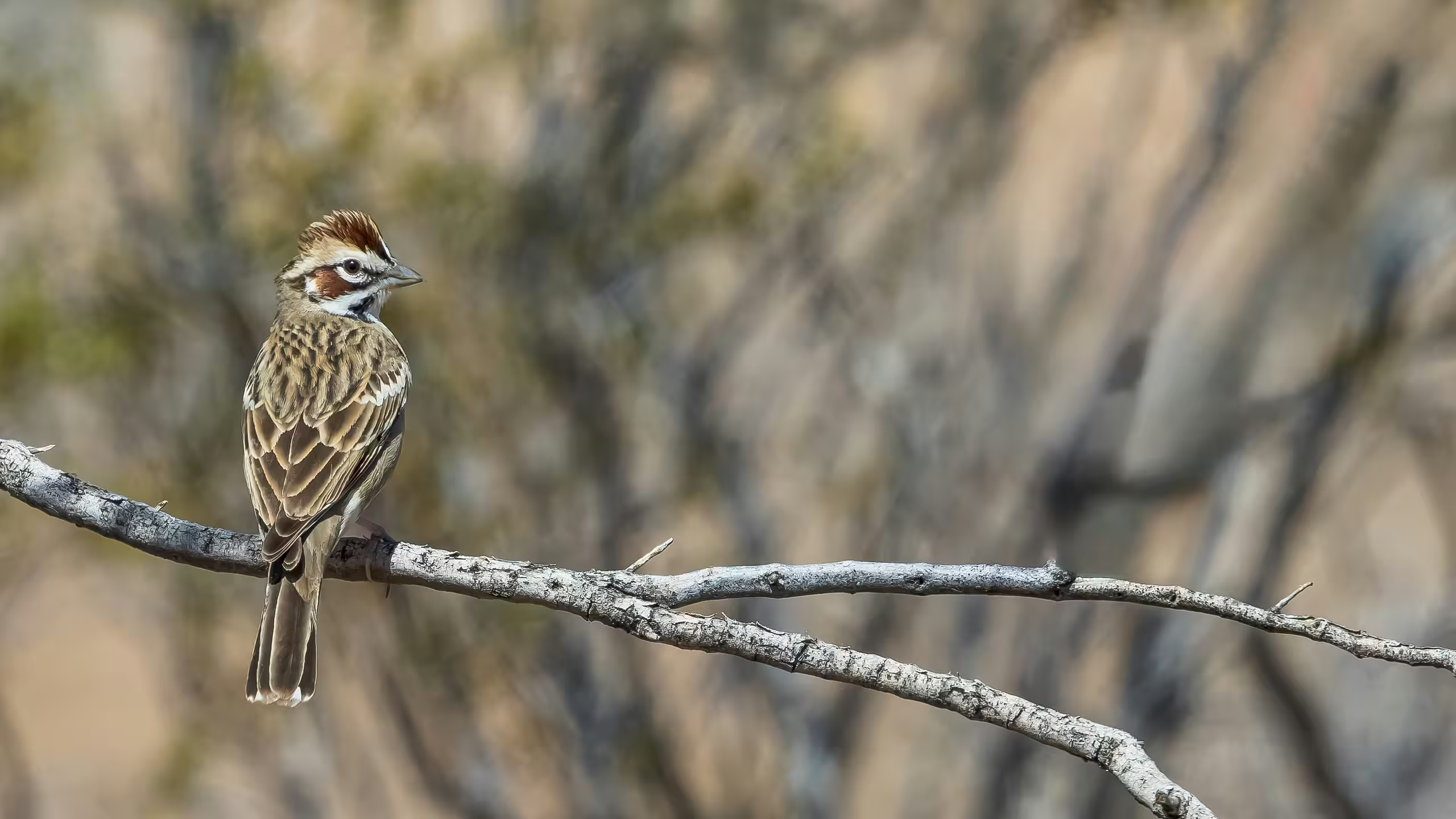
Open Country Sparrows
Songs rising from grass, sage, and open sky.
Table of Contents
How to Notice Open Country Sparrows
Where to Find Them
These sparrows favor open space. Look across grasslands, sagebrush flats, desert edges, agricultural fields, and roadside pull-offs where birds can perch low but still keep a wide view of their surroundings.
What to Watch For
Unlike their forest relatives, these sparrows often show themselves. Watch for birds perched on shrubs, fence lines, or small rocks before dropping to the ground to feed. Subtle patterns still matter, but behavior and posture become just as important.
Listen Closely
This is where open country sparrows really stand out. Many sing from exposed perches, especially in the early morning. Their songs carry across fields and sage, often revealing their location long before you see them.
Explore Further
- Complete Sparrow Guide (PDF) (Cornell Lab)
- ▶️ Savannah Sparrow Singing (FeatherQuest)
- ▶️ Identify Sparrows by Habitat (Bob Duchesne)
Open Country Sparrows
This is Part Two of Utah’s sparrow story. If Week 13 lived in the shadows—brush, forest edges, and hidden movement—this week steps out into the open. These sparrows belong to grass, wind, and space.
At first glance, they might still feel similar—brown, streaked, and subtle. But spend a little time with them, and a different pattern emerges. These birds are more visible, more vocal, and often more willing to meet you halfway.
They perch. They sing. They move between ground and low vantage points. And once you tune into that rhythm, they start to feel easier—and more alive—than you might expect.
The Sound of the Morning
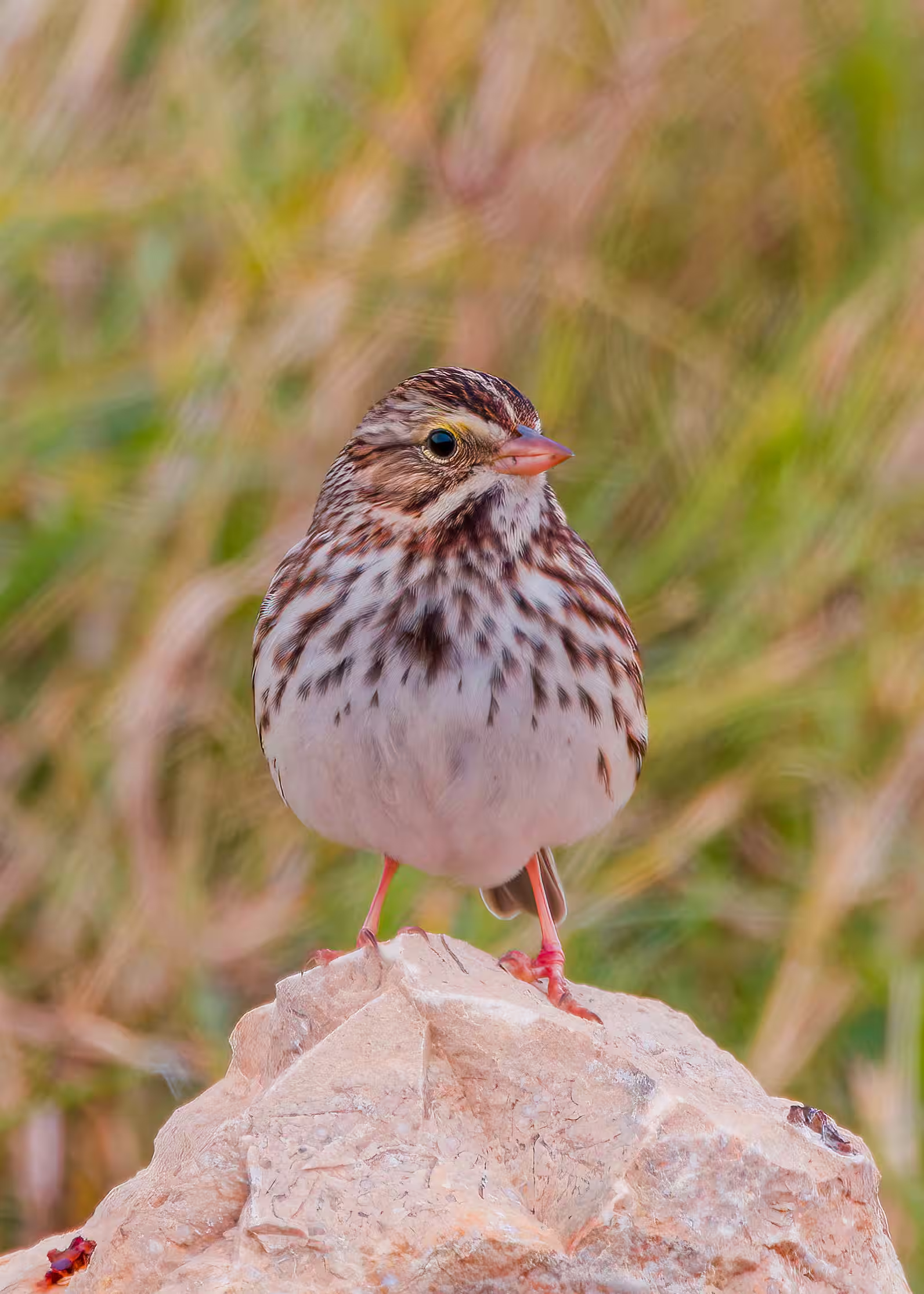
One of the biggest shifts with these sparrows is how much they rely on voice. Early mornings in open habitat can feel quiet at first—until you start to notice the songs rising from all directions.
Lark Sparrows deliver bold, patterned songs from exposed perches. Vesper Sparrows sing from fence posts as light spreads across the field. Brewer’s Sparrows offer soft, intricate phrases from within sagebrush.
If you pause and listen instead of walking straight through, the landscape changes. It is no longer empty—it is full of signals.
More Than Seeds
It is easy to think of sparrows as simple seed eaters, especially if your experience comes from feeders. But out here, that idea starts to break down.
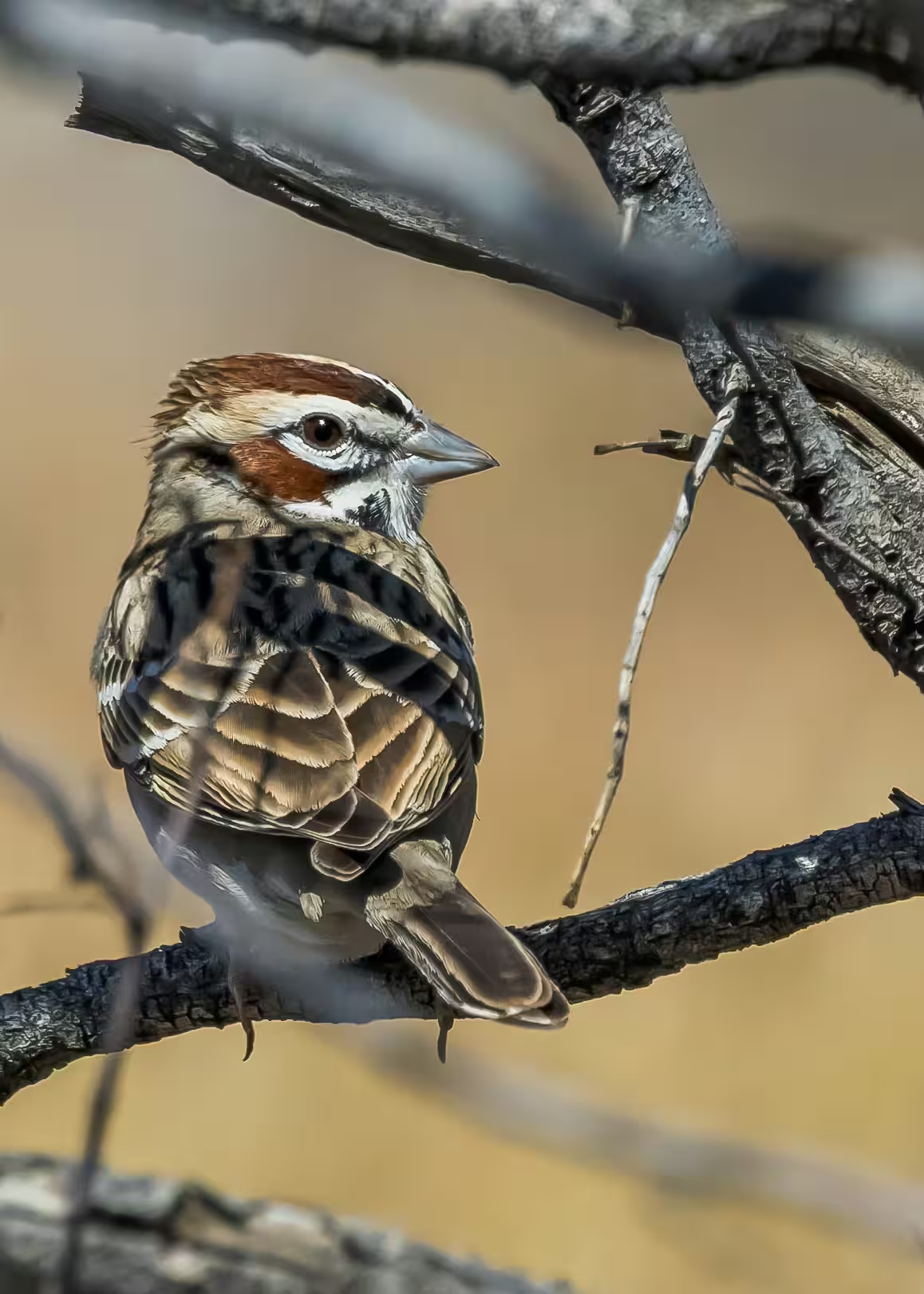
During spring and summer, many of these sparrows actively hunt insects. Protein matters—especially during breeding season—and you will often see them chasing, catching, and carrying food in ways that feel more dynamic than expected.
Once you notice it, you start seeing it everywhere: quick movements through grass, short flights after prey, and birds returning to a perch with something in their bill.
Desert Specialists
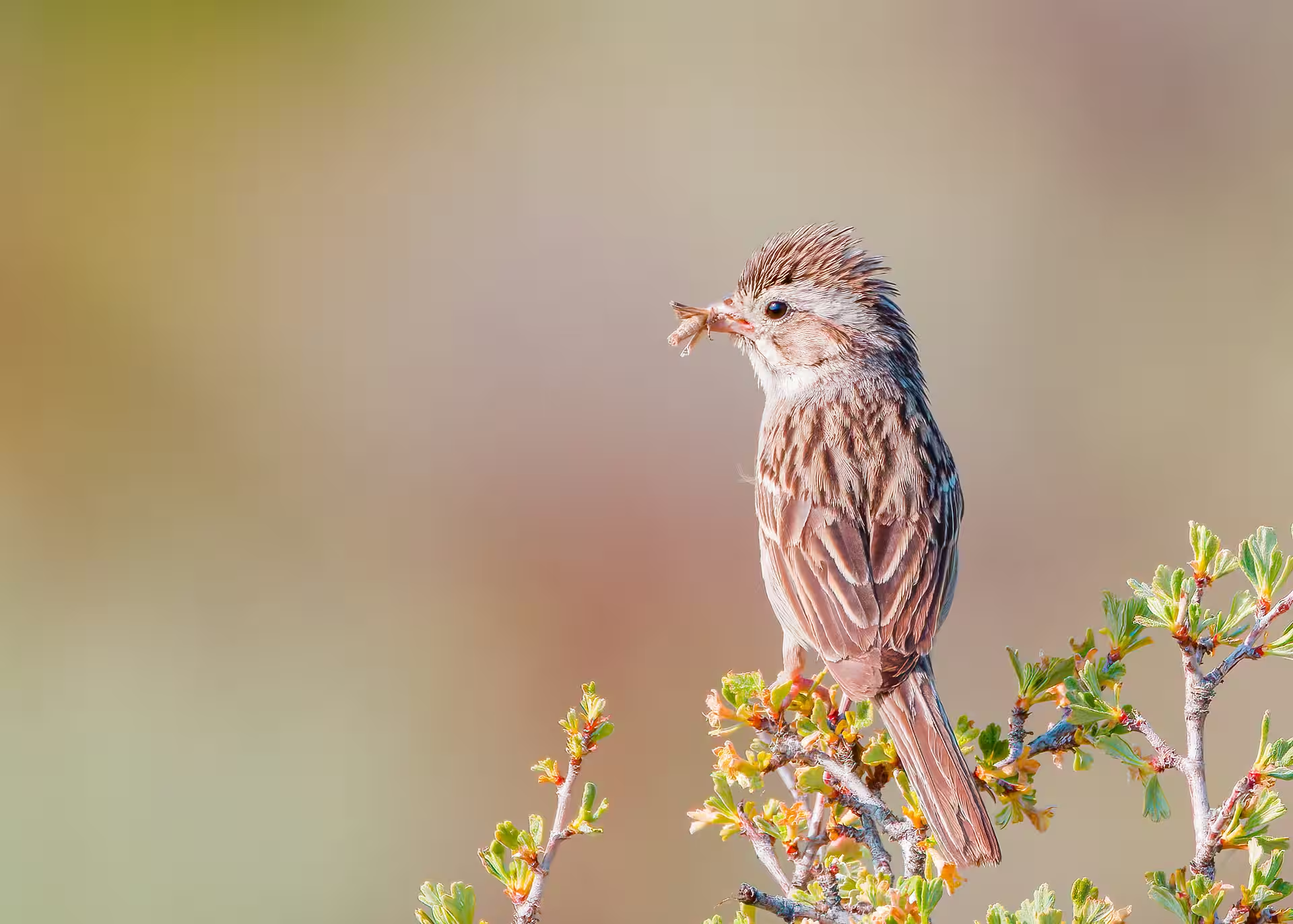
Some of the most memorable birds in this group push even farther into dry, open landscapes. Sagebrush flats, desert scrub, and rocky terrain become their home.
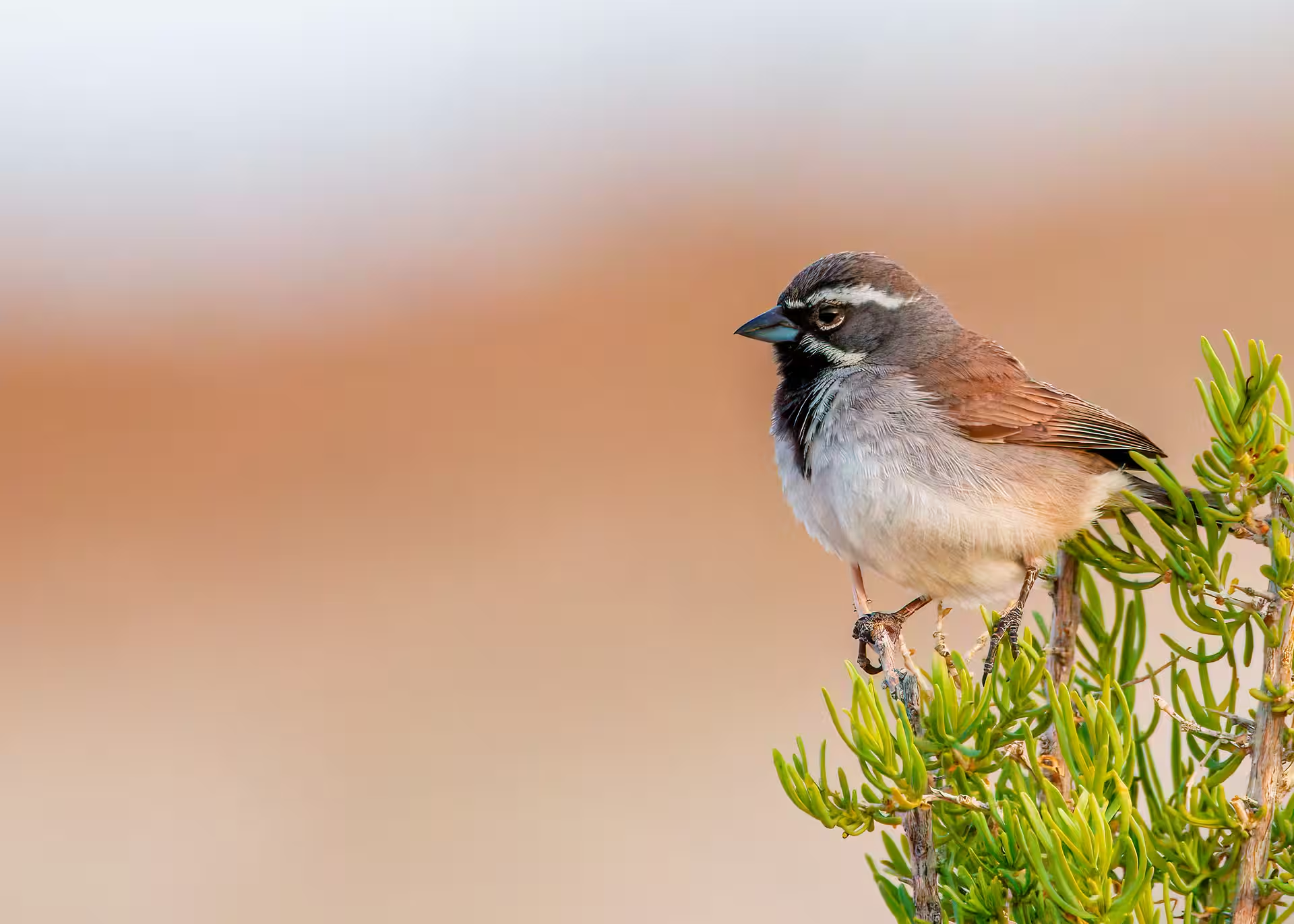
Black-throated Sparrows stand out immediately with bold contrast and clean lines. Sagebrush Sparrows blend almost perfectly into their surroundings until movement gives them away.
These birds are built for heat, space, and minimal cover. They remind you that sparrows are not just backyard birds—they are specialists adapted to very specific environments.
Utah Edition Endcap
Want to keep exploring? You can read more Guides or join the FeatherQuest updates to hear when new ones go live.