
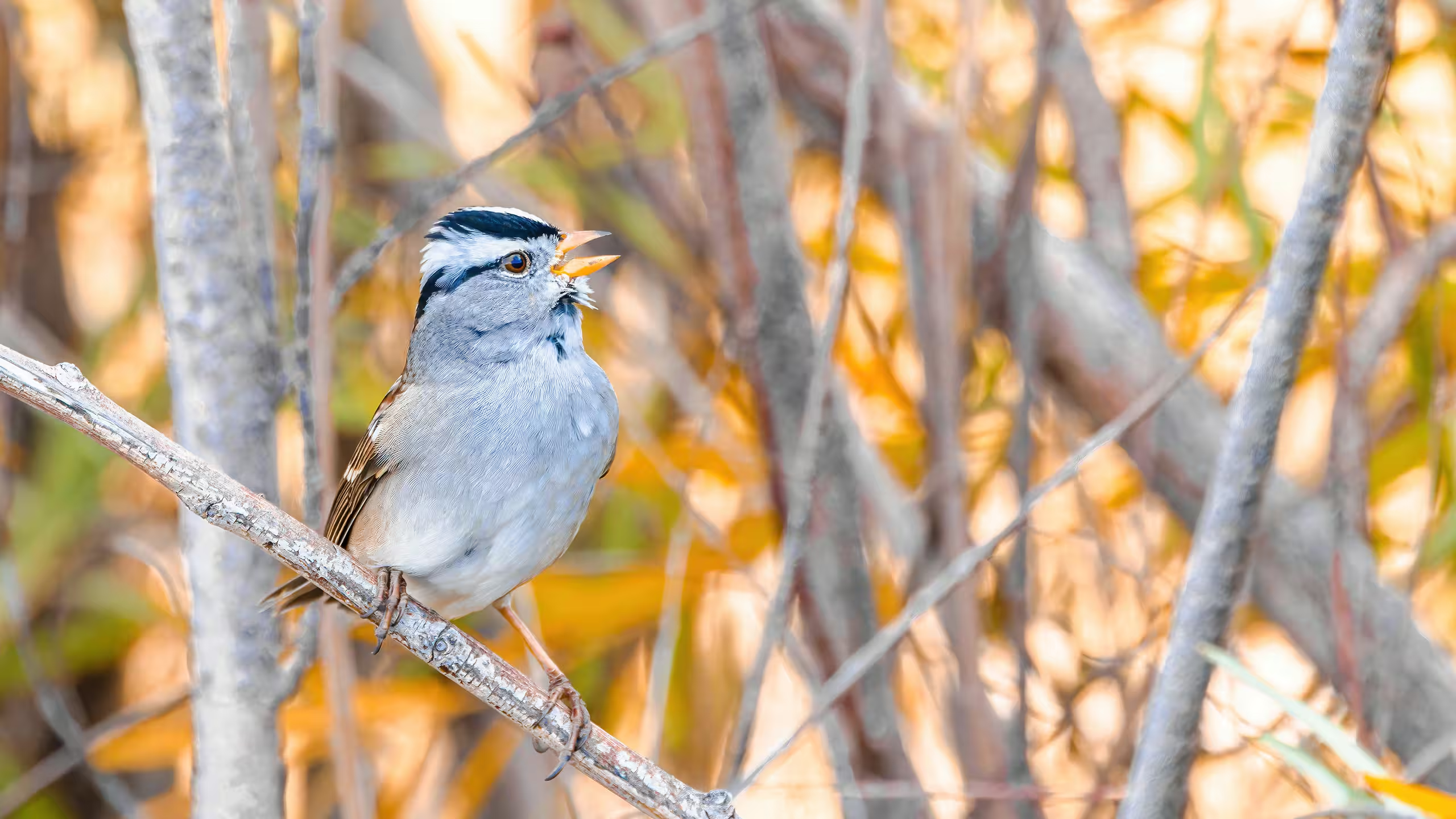
Forest & Bush Sparrows
Subtle marks, soft songs, and some of Utah’s trickiest little birds.
How to Notice Forest and Bush Sparrows
Where to Find Them
These sparrows usually prefer more cover than the open-country species. Look along shrubby edges, brushy trails, marsh borders, forest understory, backyard thickets, and tangled weedy patches where birds can stay half-hidden while they feed and sing.
What to Watch For
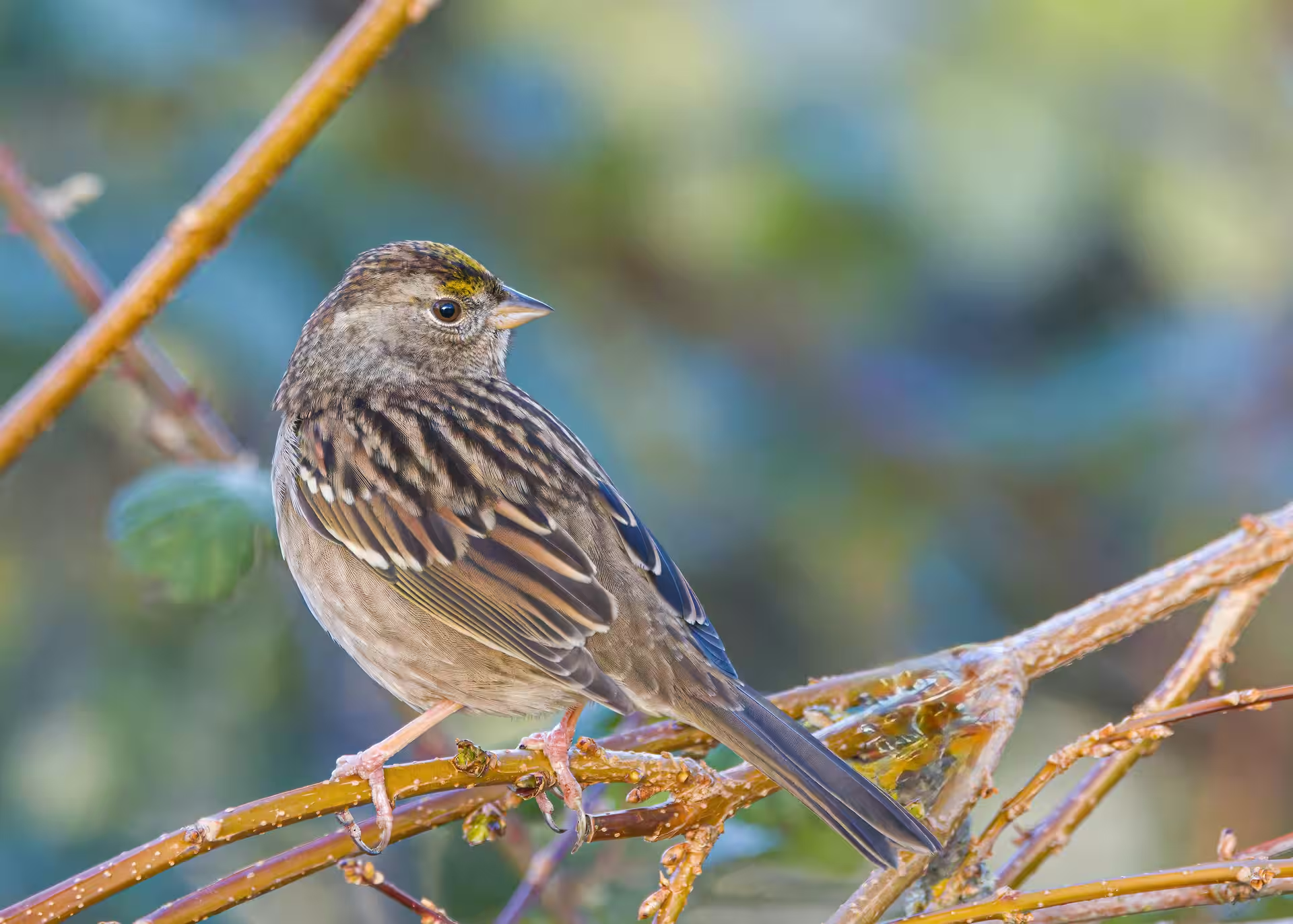
Sparrows reward slow birding. Focus on face pattern, crown stripes, throat color, breast streaking, and bill color. Many of them look brown at first glance, but the longer you watch, the more each one starts to separate into its own personality.
Listen Closely
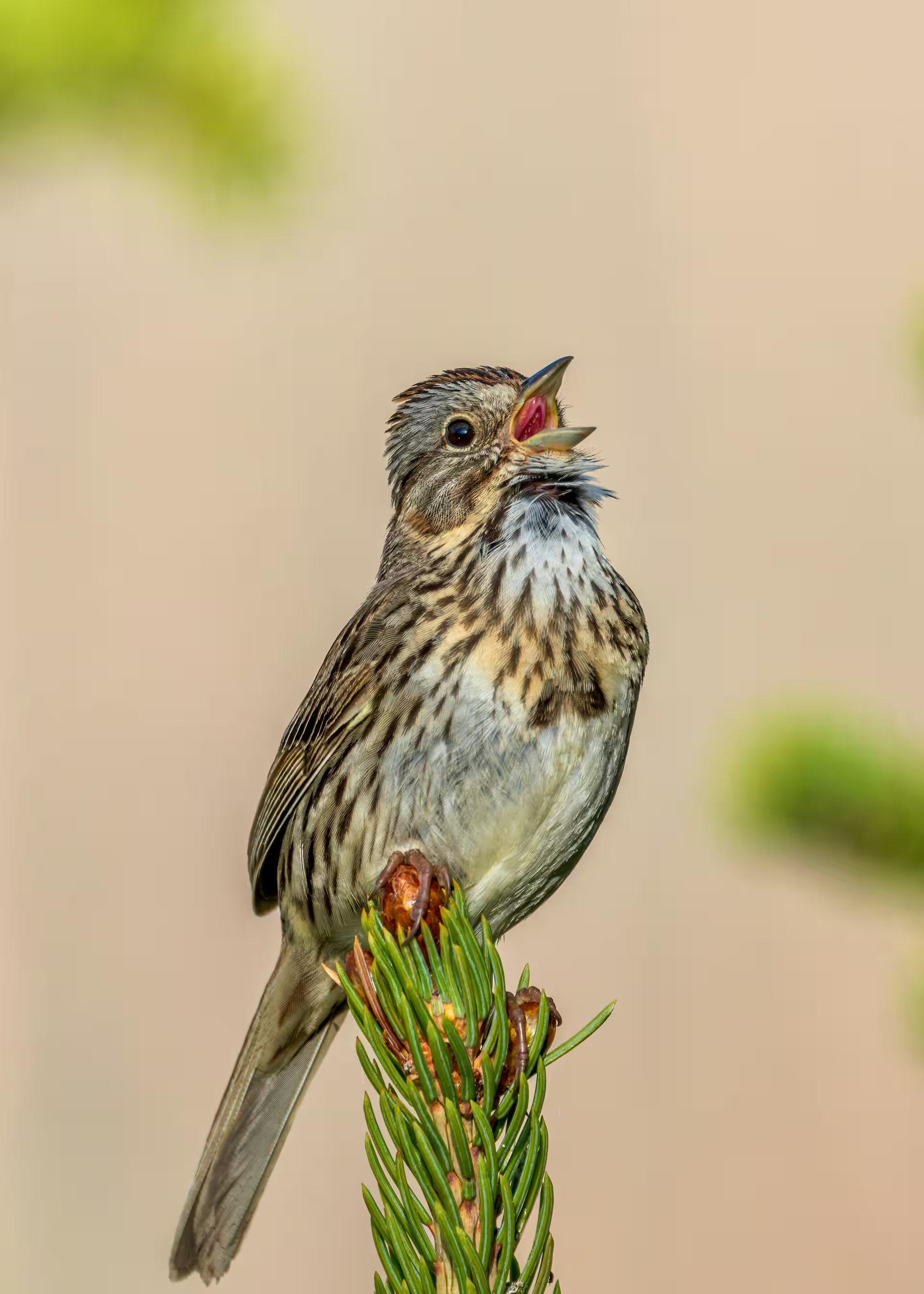
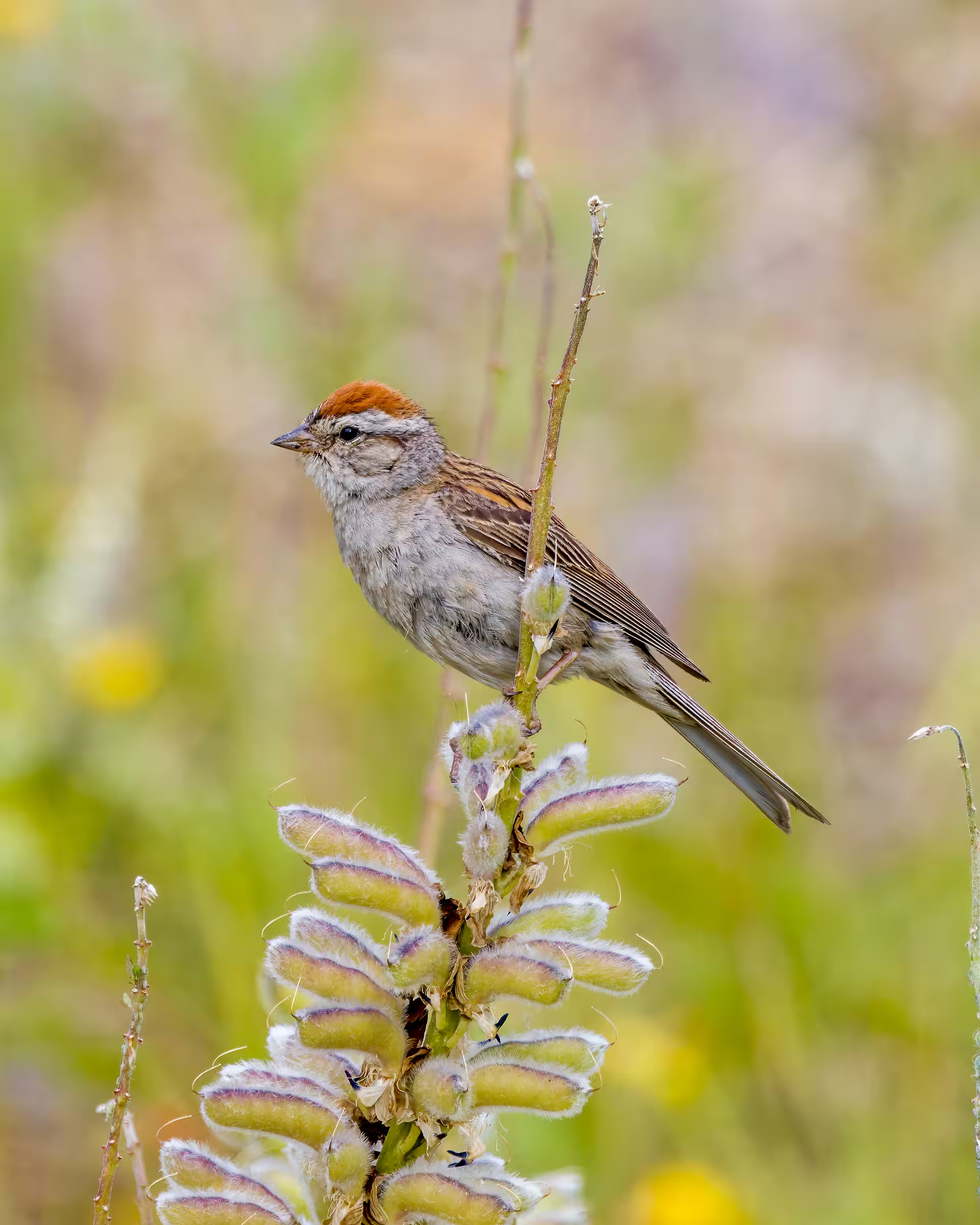
Songs are one of the best ways into this group. Song Sparrows pour out rich, energetic music. White-crowned Sparrows give crisp, memorable whistles. Chipping Sparrows deliver a fast dry trill. Often the voice gives the bird away before the field marks do.
Explore Further
- Complete Sparrow Guide (PDF) (Cornell Lab)
- Lincoln's Sparrow (All About Birds)
- ▶️ Easily Identify Sparrows by Habitat (Bob Duchesne)
Forest & Bush Sparrows
Utah has so many sparrows that I had to spread them across multiple weeks. This is Part One of that bigger story, focused on the species that tend to favor forests, shrubs, brushy edges, and cover instead of wide-open country.
At first, sparrows can feel intimidating. Many are shades of brown, many stay low, and many seem determined to give you just enough of a look to stay unsure. But over time that challenge becomes part of the appeal. They train you to slow down, pay attention, and notice smaller details than you used to.
That is one reason I have grown to love them more and more. Sparrows are not usually the birds that grab you with instant color or drama. They win you over gradually. The more time you spend with them, the more rewarding they become.
The Joy of Subtle Differences
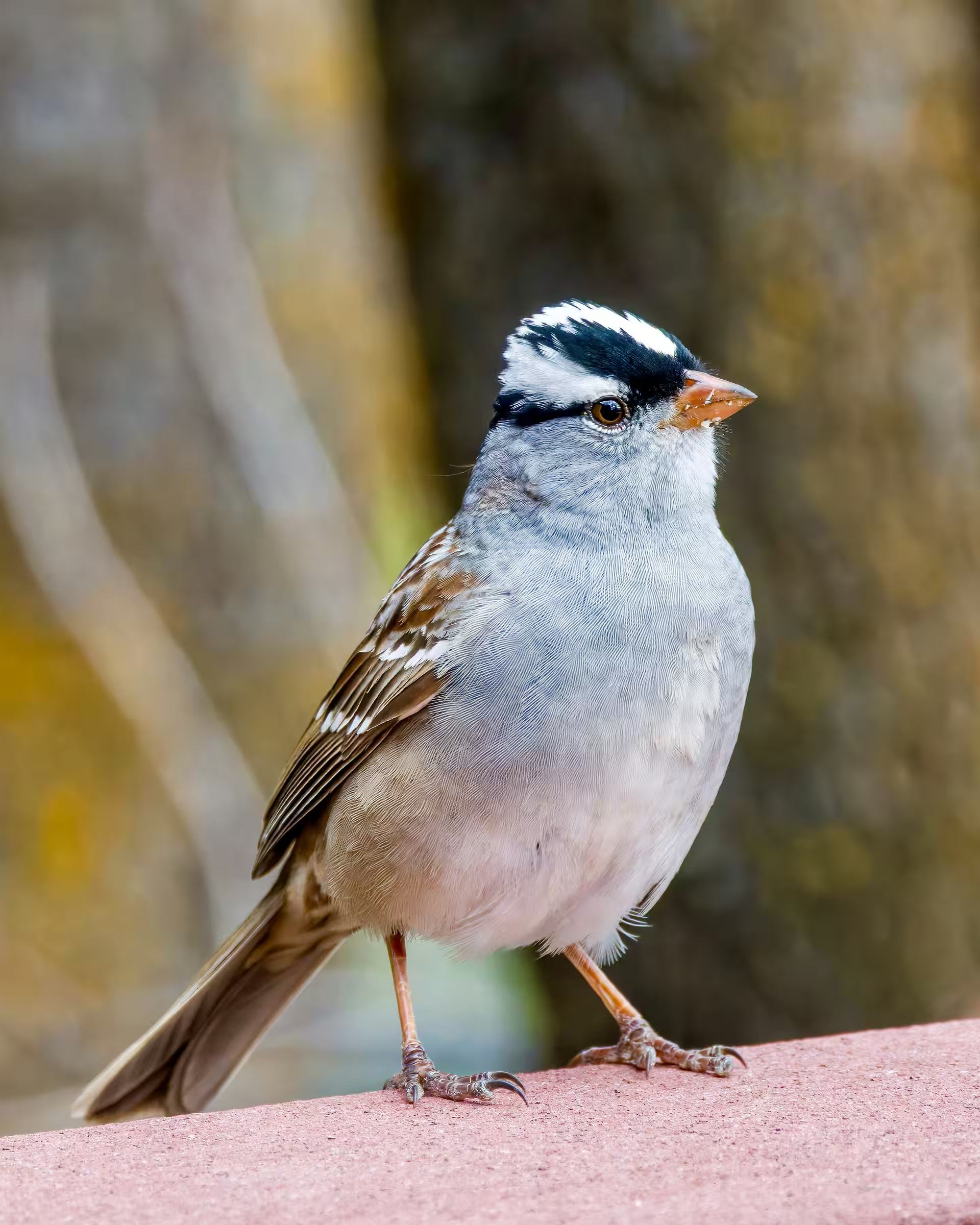
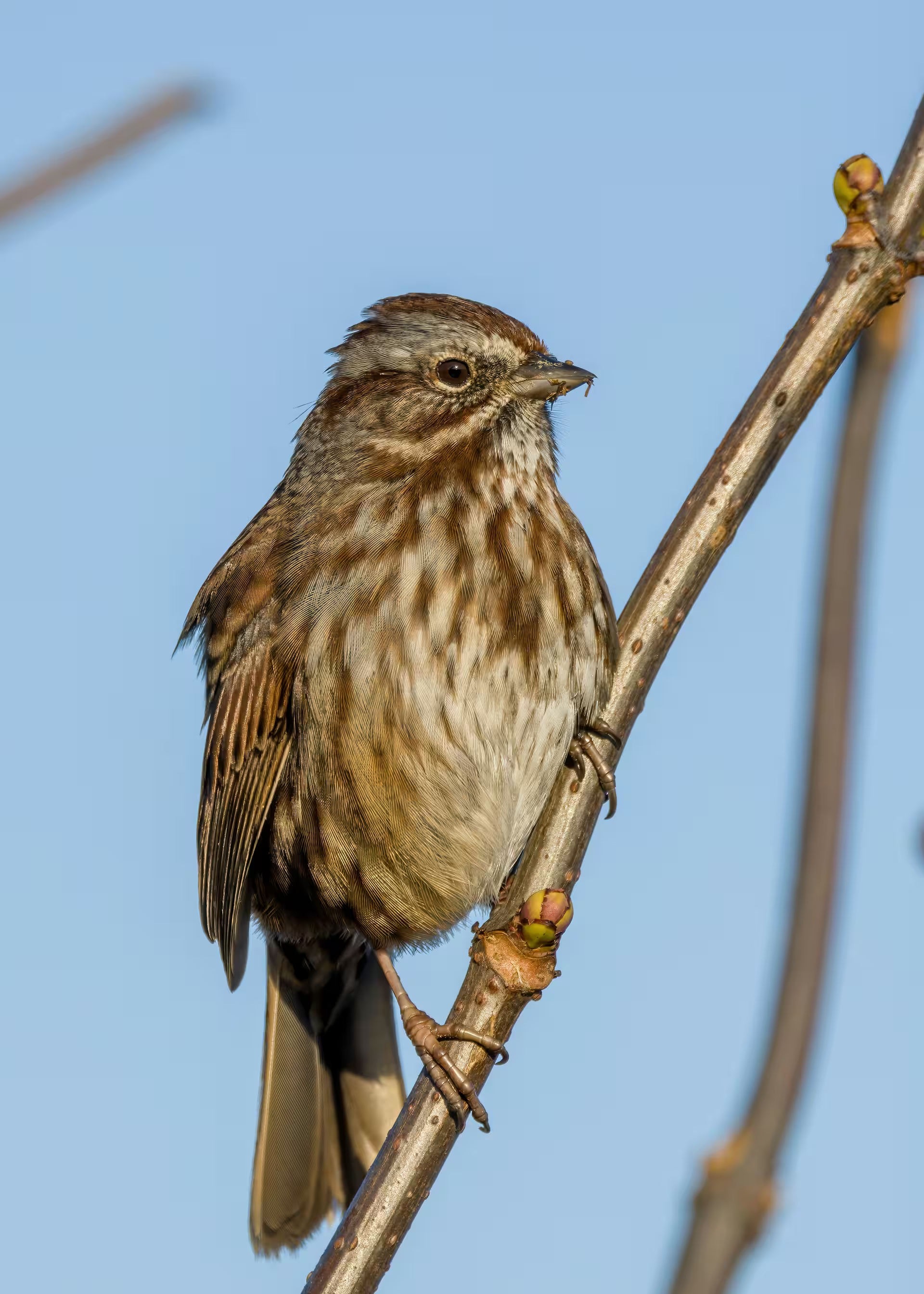
Sparrows taught me that birding is not always about chasing the brightest bird in the field. Sometimes it is about learning to appreciate small things: a rusty cap, a thin eyeline, a clean gray breast, a streaked chest, or the exact shape of a song coming from a hidden branch.
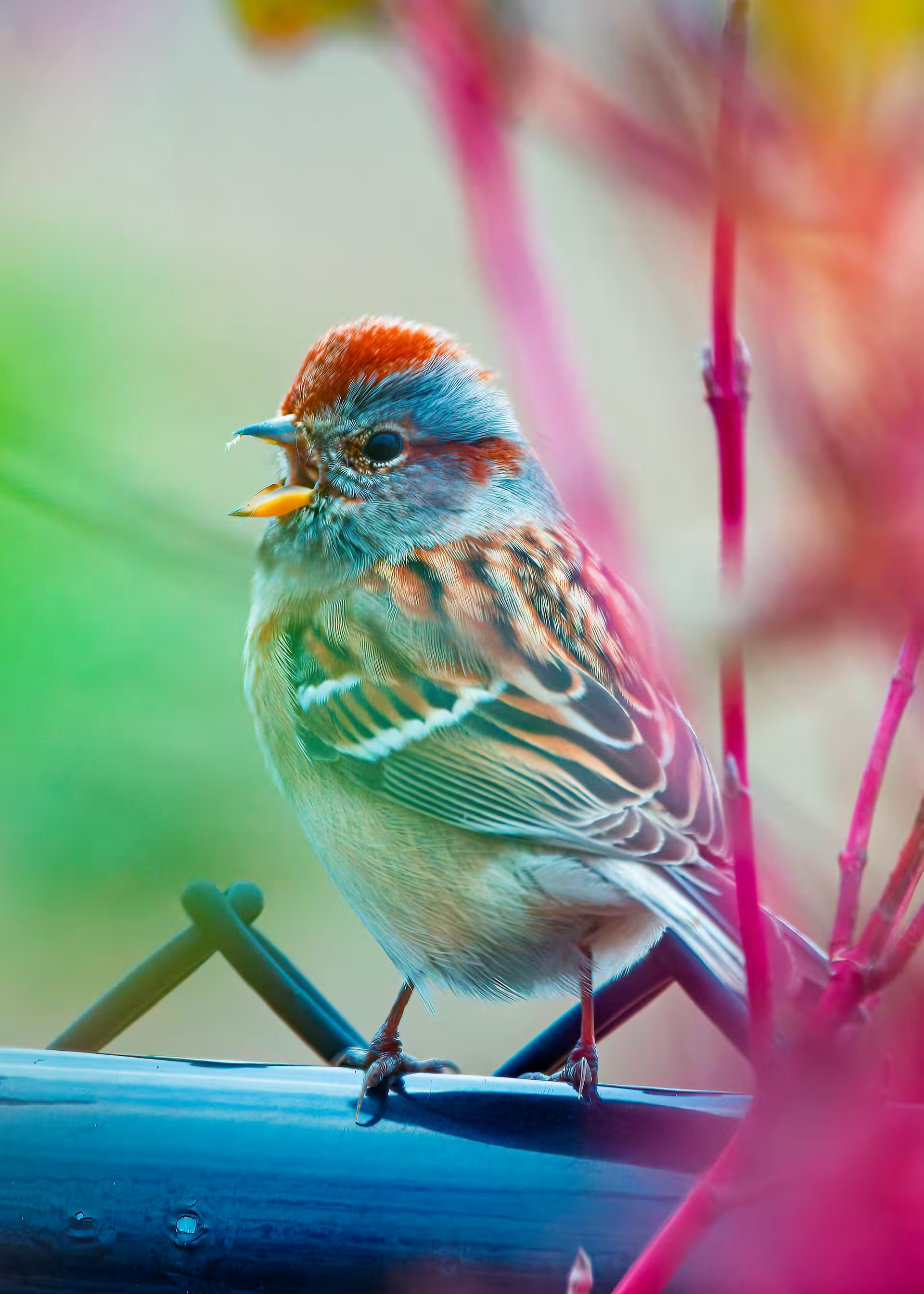
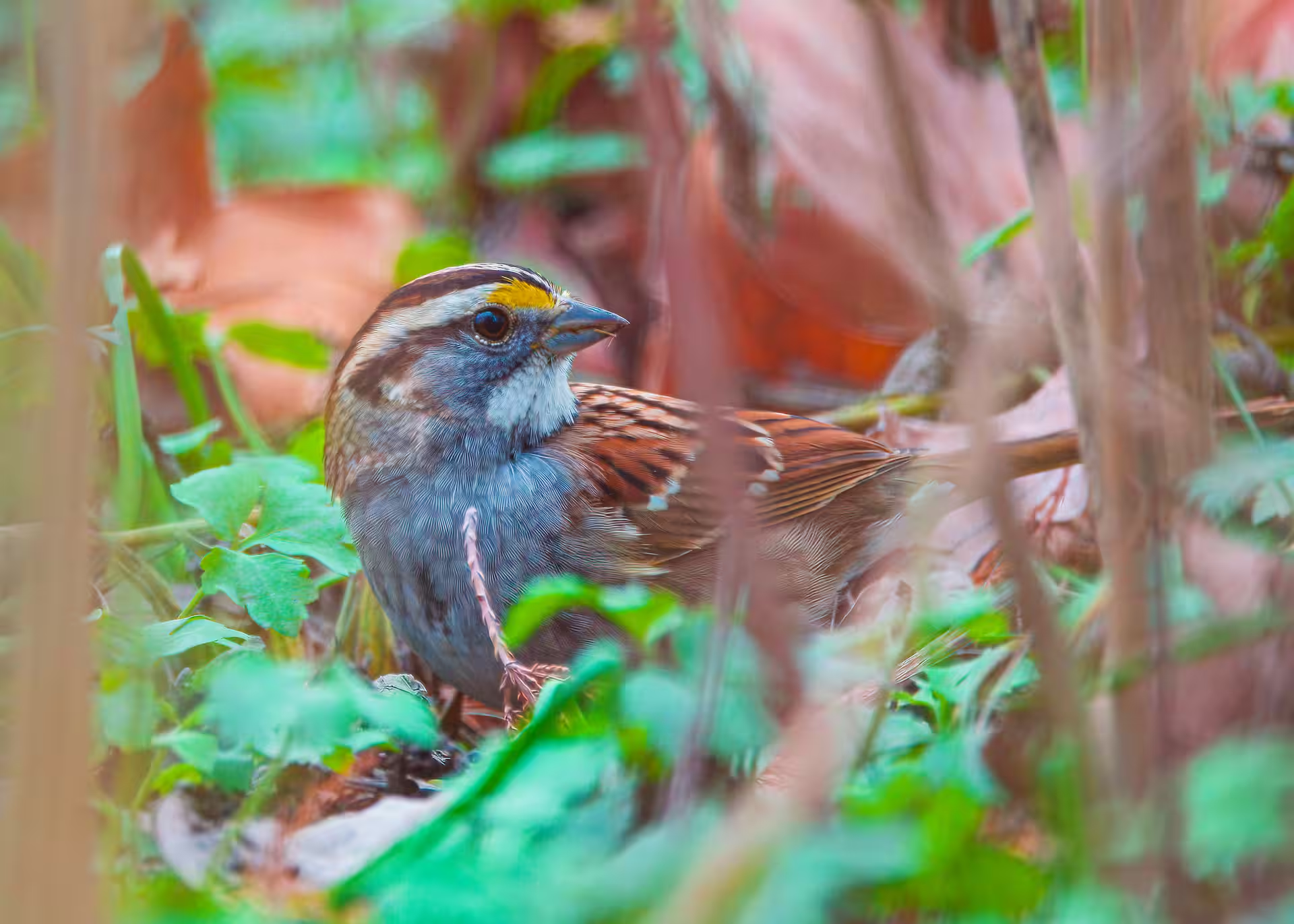
That shift in perspective is part of becoming a better birder. Once you stop dismissing sparrows as just another brown bird, an entire world opens up. A Chipping Sparrow feels clean and crisp. A Song Sparrow feels rich and streaky. A Lincoln’s Sparrow feels finer and more delicate. A White-throated Sparrow somehow manages to look both elegant and secretive.
And that is before you even get into behavior, habitat, and voice. Sparrows are one of the best reminders that noticing is the first step—and often the whole point.
Our Winter Companions
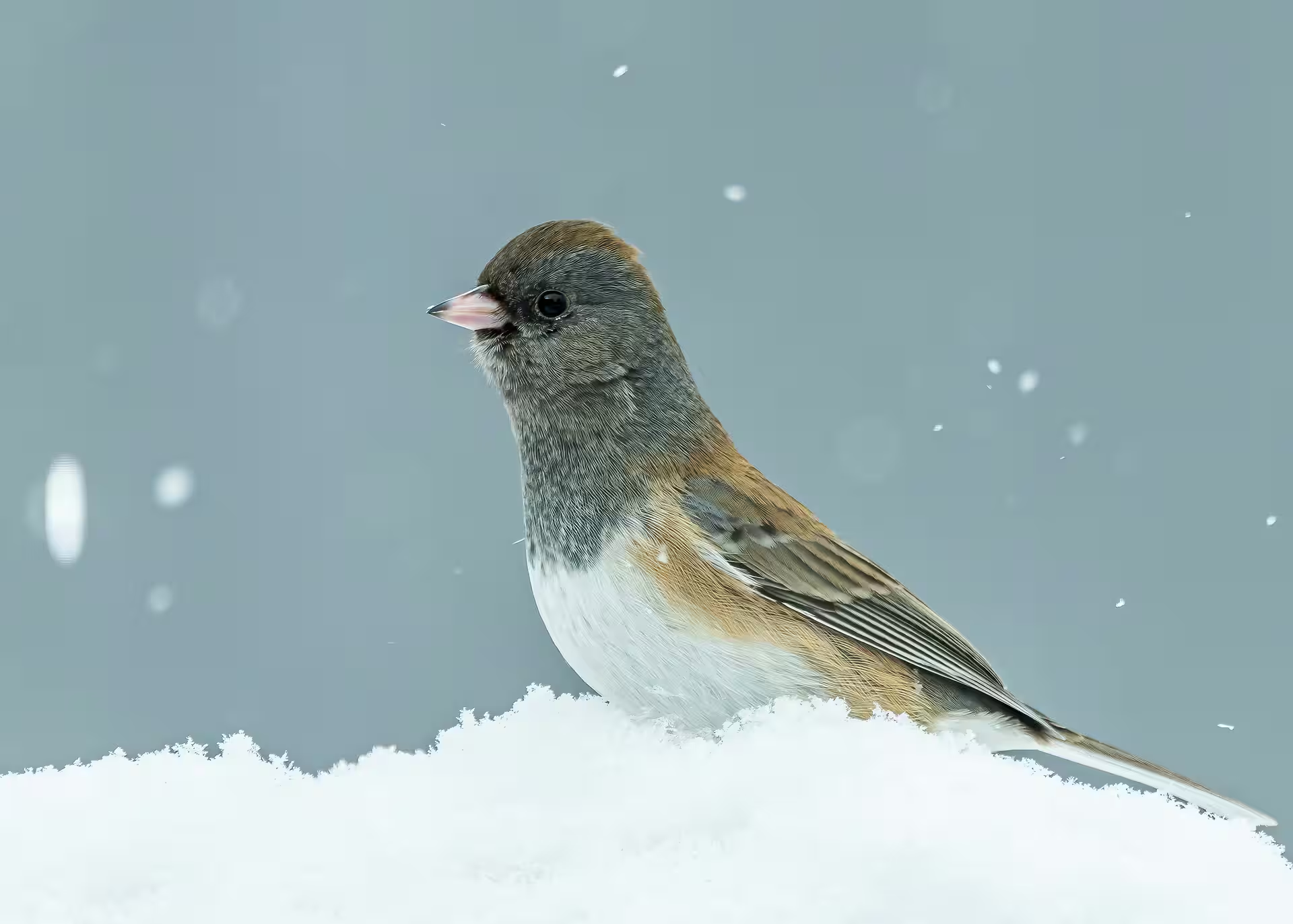
If there is one sparrow that most people in Utah already know—whether they realize it or not—it is the Dark-eyed Junco. These are our winter companions. They show up in yards, parks, trails, and neighborhoods across the valley right when many other birds have disappeared.
Juncos are technically sparrows, but they often feel easier to connect with. Clean patterns, bold contrast, and constant movement on the ground make them approachable. You will see them hopping, flicking their tails, and flashing white outer tail feathers as they move.
One of the fun surprises is how many different variations you might notice. Slate-colored, Oregon, and other forms all fall under the Dark-eyed Junco umbrella, and Utah gets a mix during the winter months.
And right now, as this week lands in late March, something subtle is happening: they are preparing to leave. As the snow melts and the mountains open up, juncos begin moving back uphill into higher elevations for the breeding season.
So if you are seeing them in your yard this week, take a moment to appreciate them. They have been quietly keeping us company all winter—and soon, they will be gone until the seasons turn again.
A Sparrow Quest Is Coming
As I have spent more time with sparrows—both here in Utah and while working on the national edition of FeatherQuest—I have started to realize just how deep this group really goes. There are far more species, variations, and stories here than you expect at first.
At some point, it makes you wonder what it would look like to focus on them more intentionally. Not all at once, and not as something you need to master immediately—but as a longer journey of learning, noticing, and gradually getting better.
That is part of the fun of birding. There is always another layer waiting when you are ready for it. Sparrows just happen to be one of the best examples of that.
For now, this week is just an invitation. Get to know a few. Start noticing the differences. Let them grow on you.
Utah Edition Endcap
Want to keep exploring? You can read more Guides or join the FeatherQuest updates to hear when new ones go live.