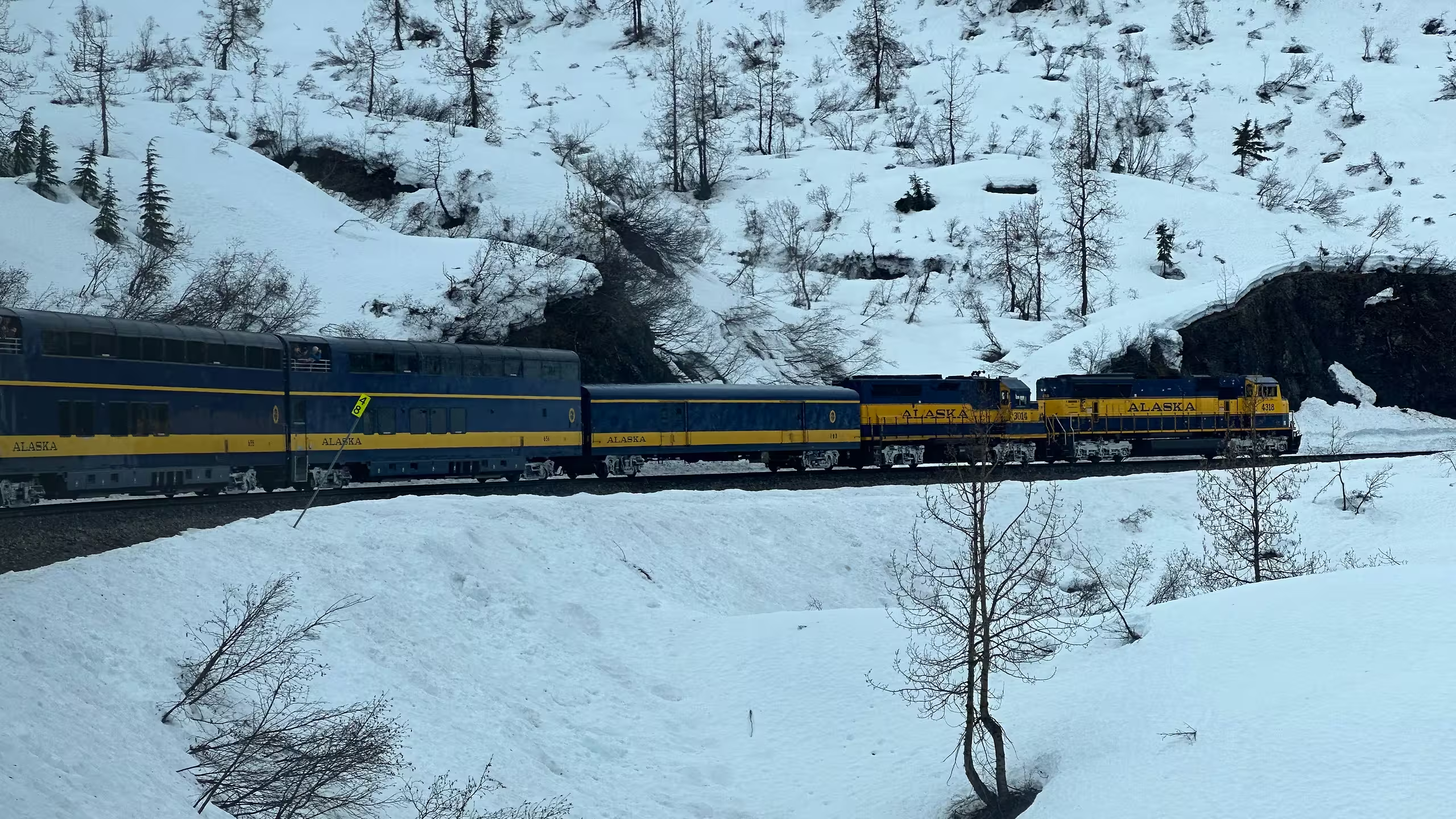
Train winding through snowy Alaskan mountains and forest

Alaska Cruise Packing Guide

The layers, gear, and expectations I wish I had from day one

{label}

Alaska Is Not a Normal Cruise

One of the biggest mistakes you can make is packing for Alaska like it’s a warm-weather cruise with a few cold stops mixed in.

It’s not. Alaska feels different almost immediately — colder air, damp conditions, wind off the water, and a kind of weather that can shift on you fast.

We realized that on our first morning in Anchorage on the way to Seward. Before we had even really started, we were stopping at a local store to buy beanies and gloves for the whole family.

Cruise ship lifeguard bundled up in cold weather near an empty pool deck
This Is Not That Kind of Cruise Yes, there’s a lifeguard. No, no one is swimming.
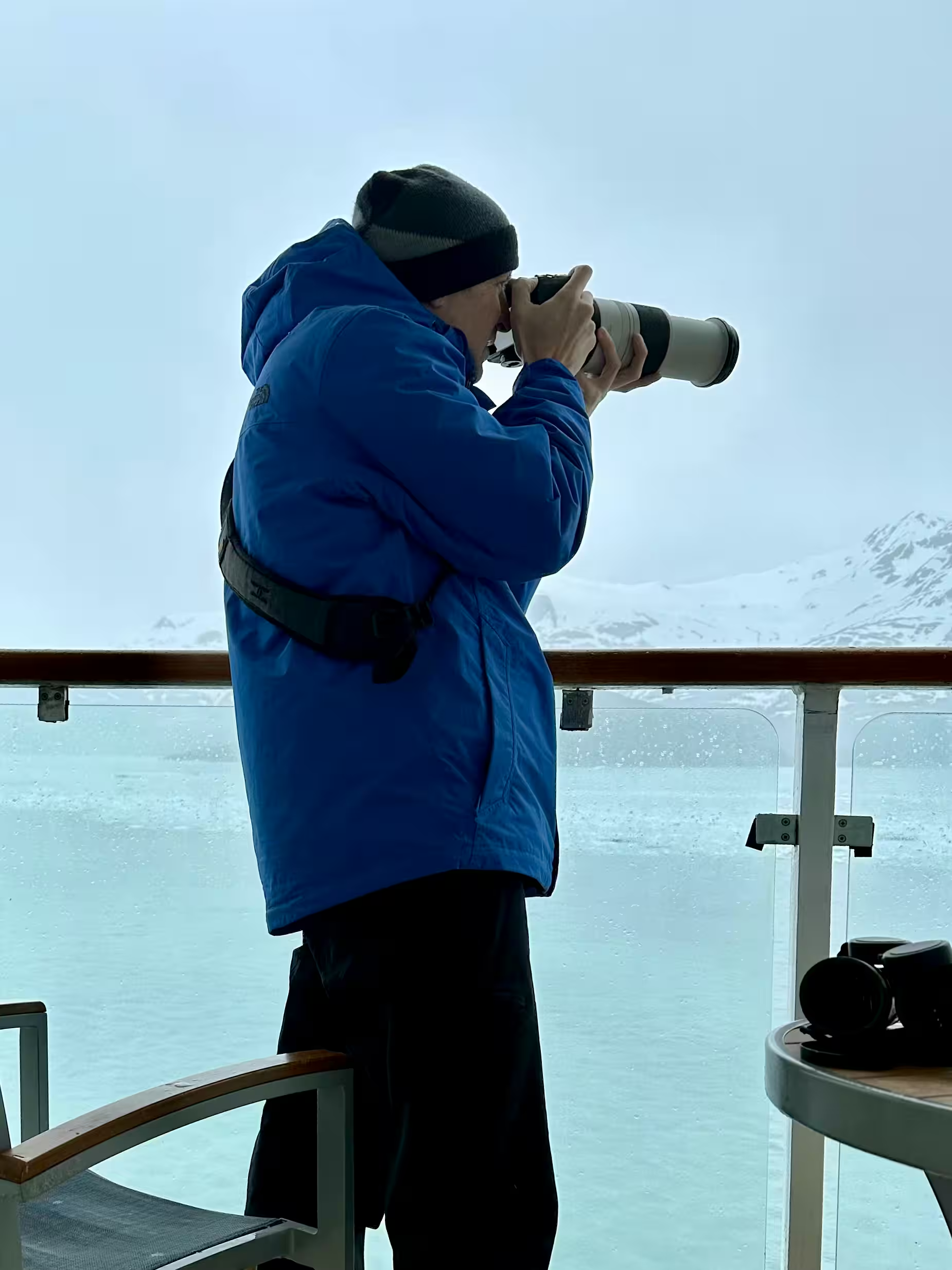
Mike bundled up taking photos from a cruise ship balcony in cold Alaska conditions
This Is What You’ll Actually Be Doing Layered up, watching closely, and staying outside longer than you planned

Every quest needs gear—and when you shop through our links, you help keep the adventure alive.

As an Amazon Associate, FeatherQuest earns from qualifying purchases.

The Layers That Matter Most

This isn’t everything you could bring—just the few things that actually made a difference once we were there.

The best Alaska packing strategy is layering. You want enough warmth for cold mornings and enough flexibility to adjust when the weather softens.

A light waterproof shell does more for you than a bulky coat in a lot of situations. It helps with wind, light rain, and spray without making you feel overcommitted if the sun comes out.

Beanies and gloves matter more than people think. They’re small, easy to pack, and make a huge difference when you’re standing outside trying to enjoy wildlife instead of rushing back in.

Lightweight waterproof shell jacket for Alaska cruise conditions
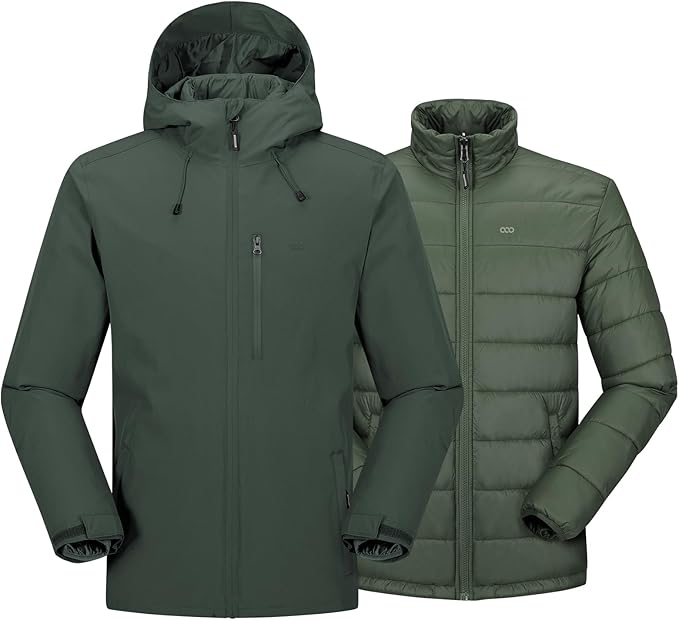
3-in-1 Waterproof Jacket
This is the layer I’d prioritize first. It blocks wind, handles light rain, and gives you the flexibility to add or shed warmth as conditions change. In Alaska, that kind of range matters more than a bulky coat.
Approx. MSRP: $90
Women's Lightweight waterproof shell jacket for cold wet weather
Women's 3-in-1 Shell Jacket
Same idea here: flexible, weather-ready, and easy to adjust as the day changes. Alaska can swing from cold rain to mild sun fast, and having a shell like this keeps you comfortable without overpacking.
Approx. MSRP: $72.98
Gloves
Gloves
I can’t recommend these Head gloves enough. They stay warm without feeling bulky, which matters when you’re still trying to control your camera. Touchscreen-friendly and surprisingly good for the price.
Approx. MSRP: $23.97
Water-resistant shoes for wet outdoor conditions
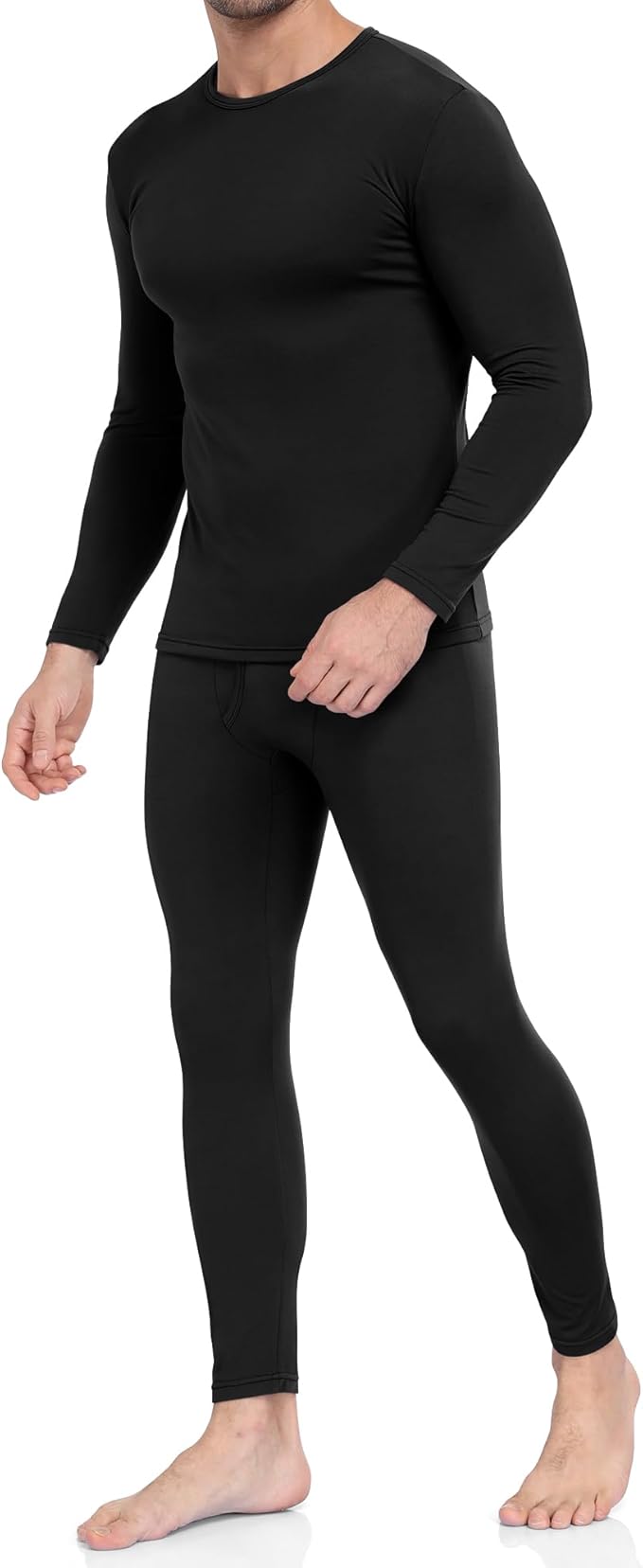
Thermals
You won’t need thermals every day, but when it turns cold, you’ll be glad you packed them. A simple base layer adds warmth without bulk and is especially nice on early mornings or longer stretches outside. If you’re looking for a women’s option, here’s a women’s companion set.
Approx. MSRP: $39.99
Water-resistant shoes for wet outdoor conditions
Hoodie
This is the kind of layer you end up wearing constantly. Easy to throw on, easy to layer, and perfect when you get back on the ship cold and damp. I’d bring more than one so you always have a dry one ready.
Approx. MSRP: $44
Warm beanie for cold weather travel
Beanie
You’ll want a beanie. It’s a small thing, but once the wind picks up you’ll be glad you have it. Honestly, the exact one doesn’t matter much — just bring one.
Approx. MSRP: $26

Rain, Damp Air, and Real Expectations

One thing I’d expect going in: some level of dampness almost every day.

Even when it isn’t pouring, Alaska can still feel wet — mist, drizzle, spray, or just cold humid air sitting on everything. That changes what feels comfortable fast.

You don’t need to pack for constant misery. You do need to pack so a little rain doesn’t ruin the day.
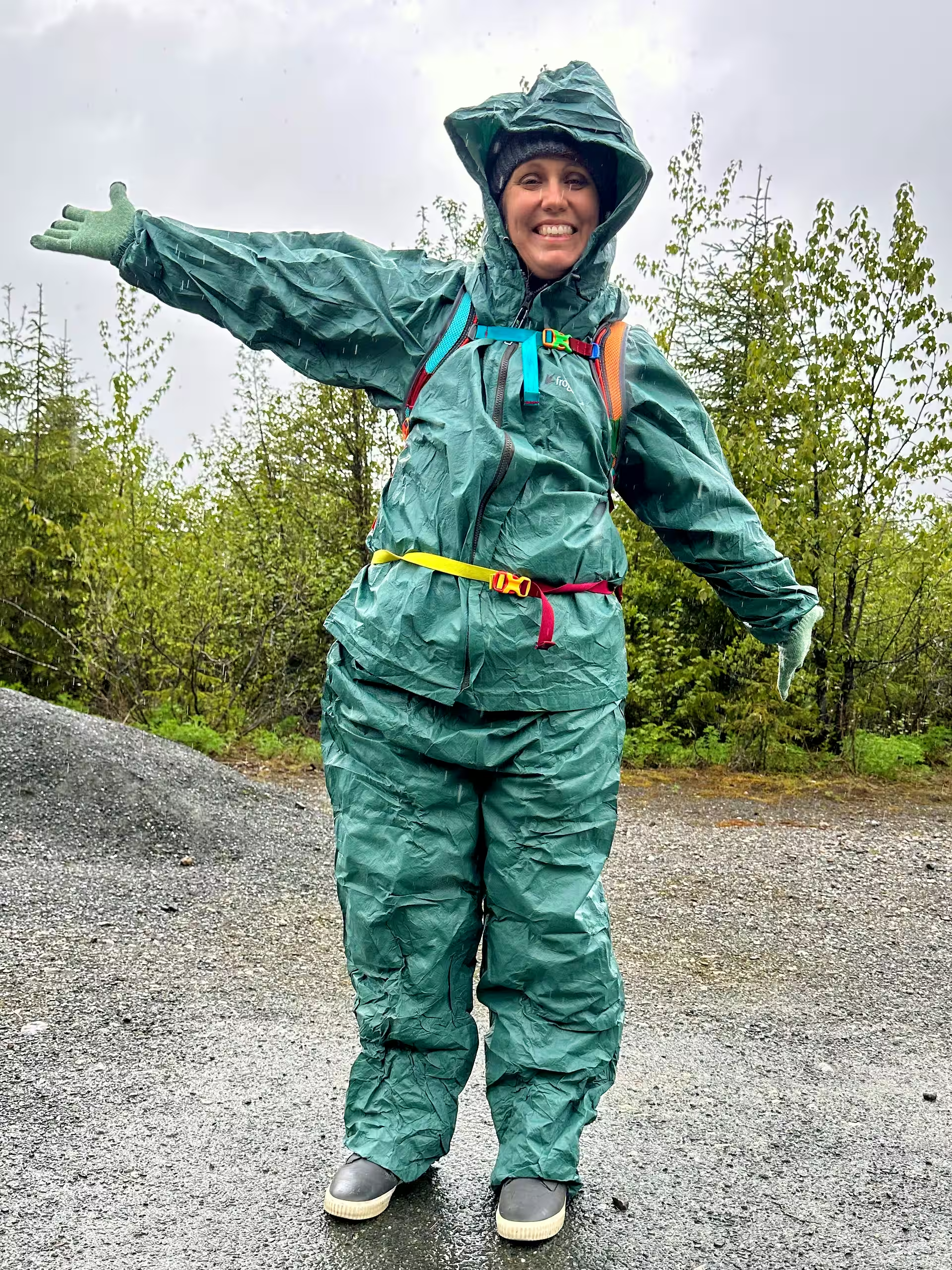
Stacy wearing Frog Toggs rain suit in heavy Alaska rain conditions
You Think You're Ready …until Alaska shows you what rain actually means
Water-resistant shoes for wet outdoor conditions
Water-Resistant Shoes (Mens)
These Merrell Moab 3 Mid Waterproof boots are a solid Alaska choice. They keep your feet dry, give you good support on uneven ground, and work well for wet decks, short hikes, and drizzly days. This is one of those upgrades you feel right away.
Approx. MSRP: $150
Water-resistant shoes for wet outdoor conditions
Water-Resistant Shoes (Womens)
Same story here in a women’s fit: dry, supportive, and comfortable enough for long days on your feet. In a place as damp as Alaska, good shoes do more than people expect.
Approx. MSRP: $150
Frogg Toggs waterproof rain suit for heavy rain conditions
Frogg Toggs
These are one of the best budget additions you can make for Alaska. Lightweight, fully waterproof, and easy to throw over your layers, they handle steady rain well. Not stylish, but that stops mattering once you’re actually wet. If you’re looking for a women’s option, here’s a women’s companion set.
Approx. MSRP: $32.99

Gear to Pack

The essentials I’d prioritize first

Here are some of the top gear items I would defintley take on my next Alaskan adventure

Small Cotopaxi Backpack for carrying gear on excursions
Daypack
A small daypack makes Alaska way easier. You need somewhere to stash layers, gloves, snacks, and extra gear without feeling overloaded. I like how these Cotopaxi bags compress down when not in use, which makes them easy to travel with.
Approx. MSRP: $70
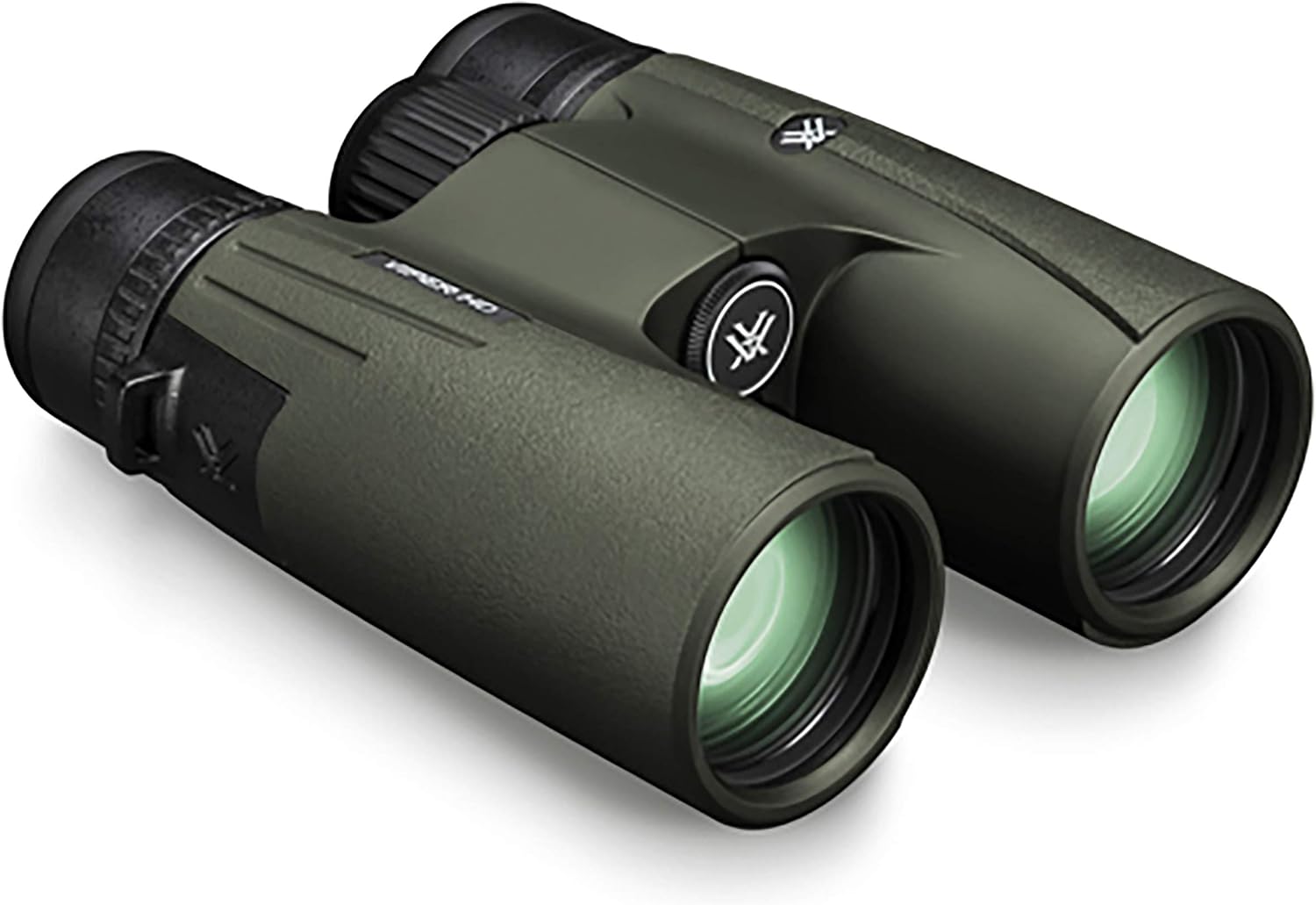
Vortex Viper HD 10x42
Binoculars
This is my top all-around binocular pick. Sharp, durable, and easy to trust when something interesting shows up fast. Alaska is full of wildlife that stays just far enough away to make binoculars worth every ounce.
Approx. MSRP: $399
32oz Light Blue HydroJug with handle
Water Bottle/Tumbler
Pro tip: bring a good water bottle and fill it at breakfast with ice and water before heading out. I prefer an insulated bottle with a built-in handle like this HydroJug — simple, durable, and easy to carry all day.
Approx. MSRP: $34.99

Bring Binoculars

If you care about birds, whales, sea lions, or just noticing more, bring binoculars.

Alaska is full of moments that happen just far enough away to matter. Eagles on the shoreline. Sea birds over the water. Wildlife that you can technically see, but not fully appreciate without some reach.

This is one of the easiest wins for the whole trip. My go-to recommendation for most people is the Vortex Viper HD listed above — they’re reliable, sharp, and just work. But if you want to go deeper, feel free to check out my full breakdown of different binocular types and tiers to find what fits you best.

Camera Lessons I Learned the Hard Way

If you’re planning to bring a camera, a little preparation goes a long way. Alaska gives you incredible moments, but they don’t always wait while you figure things out. I learned that the hard way.

At the time, I was shooting without my lens hood, with a glass protector on the front, and still learning how much composition, cropping, and editing would matter later.

I also switched to cRAW mid-trip without fully understanding the whole workflow yet. Looking back, that trip became a turning point in how I approached bird photography.

So yes — bring your camera if that matters to you. But Alaska is also a good reminder to know your gear before the best moments arrive. If you’re curious what I actually shoot with and the accessories that have made a difference for me, I’ve put together a full camera gear guide you can explore.

What I’d Do Differently Next Time

  • Pack gloves and a beanie from day one
  • Prioritize a waterproof shell
  • Know my camera setup before the trip starts
  • Bring binoculars no matter what
  • Expect wildlife to be amazing but not always close
  • Pack for comfort outside, not just comfort on the ship
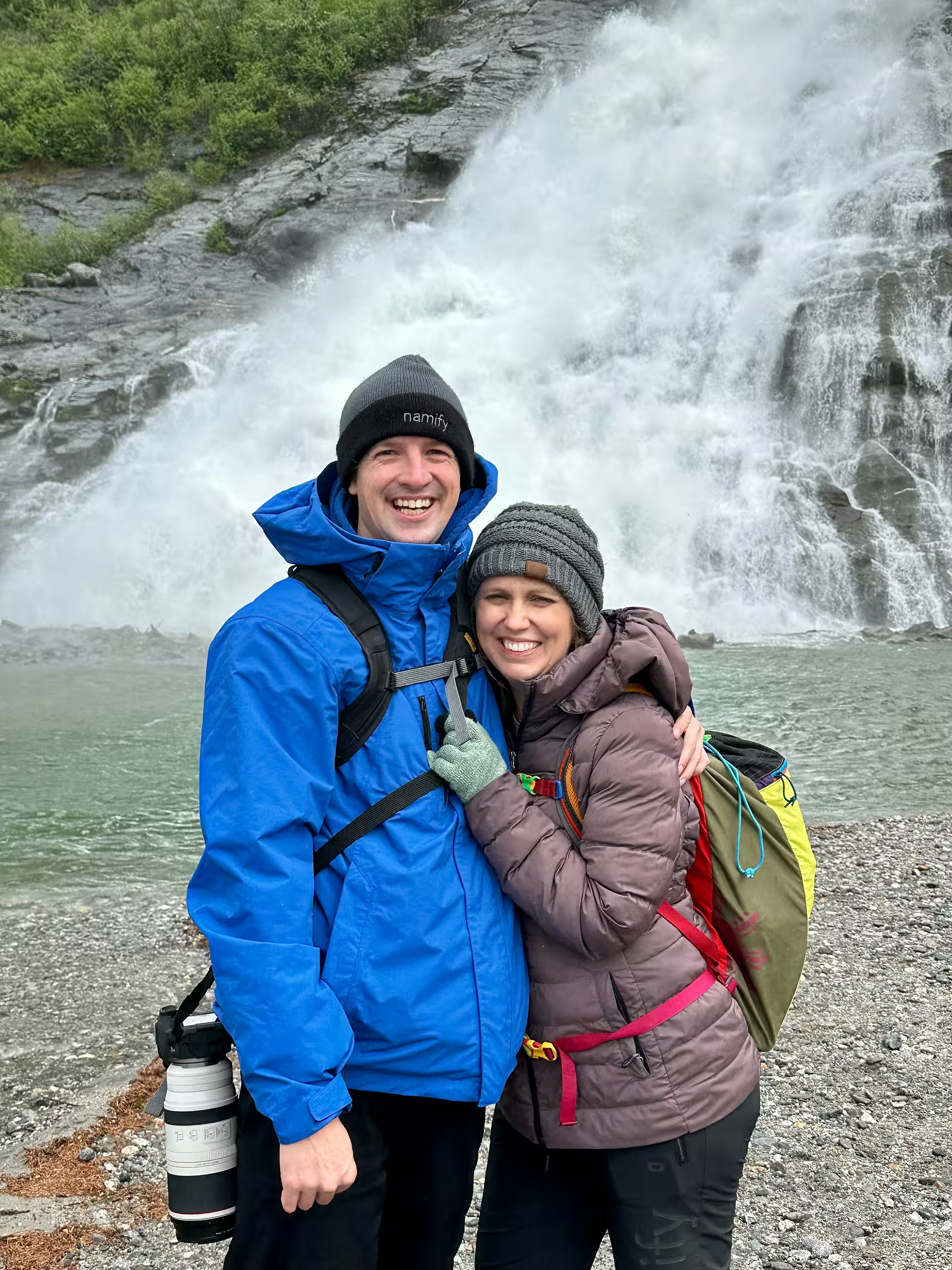
Hiking in Alaska near a waterfall with mist and cold air
Prepare to Be Out There The goal isn’t comfort inside — it’s staying present outside

See How It Played Out

Check out the full story behind this guide — the puffin that barely counted, the delayed lifer, the whale moment, and everything Alaska taught me in real time.

Want to keep exploring? You can read more Guides or join the FeatherQuest updates to hear when new ones go live.