
Binoculars That Help Me See the Scene
A personal guide to magnification, clarity, and comfort — shaped by real birding experience and a lot of looking through glass.
Table of Contents
My Top Pick
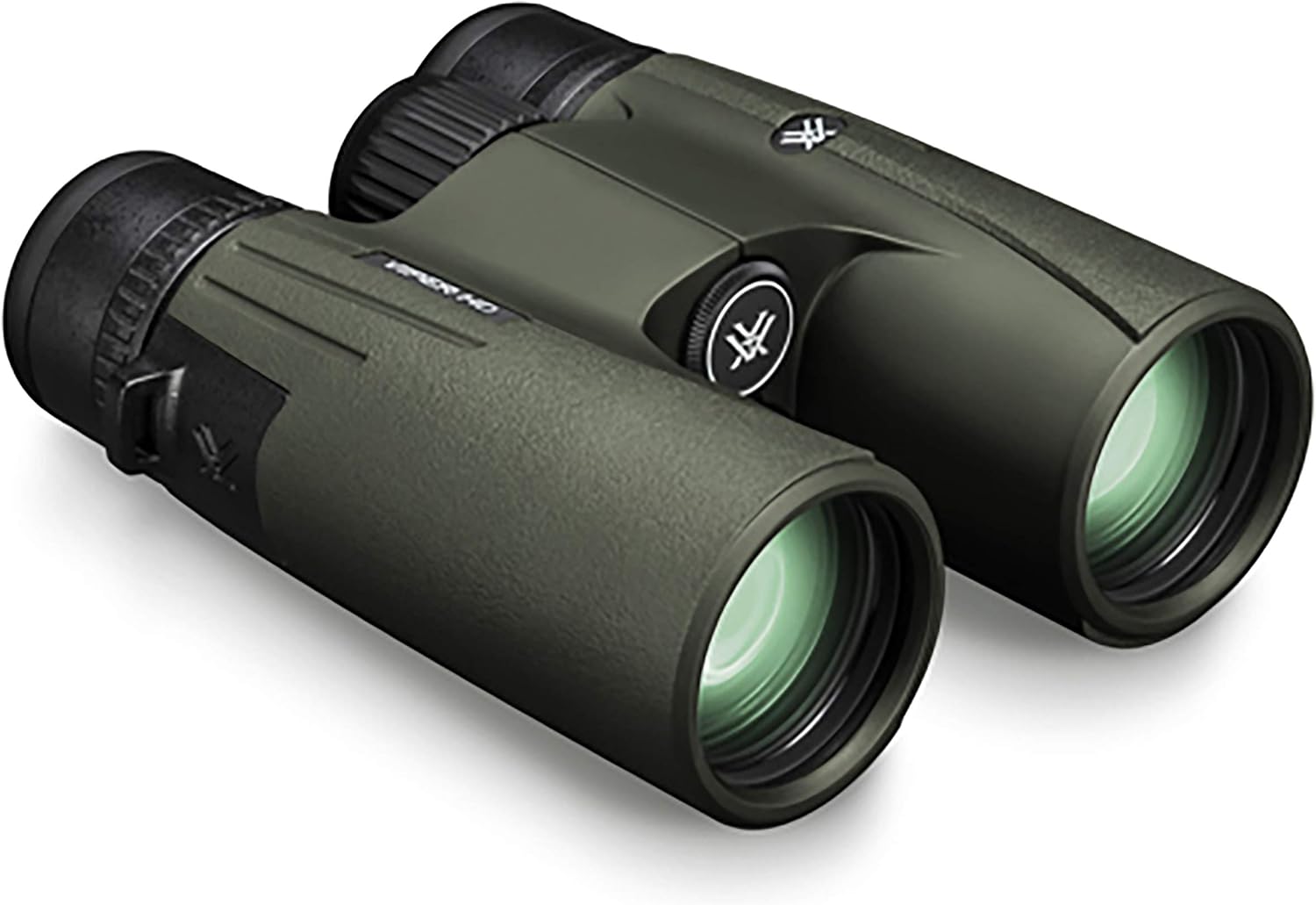
If you want my best all-around birding binocular pick, I’d start with the Vortex Viper HD. It hits that rare balance of excellent clarity, strong build quality, and a price that is still realistic for most serious birders.
That said, the “best” binoculars are always situational. Lightweight pairs are better for travel, 8x42s are easier for relaxed birding, 10x42s add reach, and stabilized binoculars can completely change long-distance viewing.
Amazon Affiliate Disclosure
Every quest needs gear—and when you shop through our links, you help keep the adventure alive.
As an Amazon Associate, FeatherQuest earns from qualifying purchases.
Choosing the Right Binoculars
When I first started birding, binoculars frustrated me. Everything looked the same, I struggled to find birds quickly, and it felt like I was missing more than I was seeing.
Over time, that changed. Once I learned how to lock onto a bird first and then bring the binoculars up, everything clicked. Now I use binoculars to scout, observe behavior, and enjoy the moment in a way photography alone can’t replace.
There isn’t one perfect pair. What matters most is how the binoculars feel after a few minutes of real use — how stable they are, how clear the image is, and whether you actually enjoy looking through them.
Quick Start: Look, Lock, Lift
Look
Look for the bird with your eyes first. Notice where it is and how it’s moving before you touch your binoculars. This alone removes much of the frustration beginners feel.
Lock
Lock your gaze on the bird and keep your head still. Your eyes are faster and more precise than glass — let them do the hard work first.
Lift
Without moving your head or eyes, lift the binoculars up to your face. When done right, the bird should already be in view. This same technique applies to cameras too.
Quick Tip: What 8x42 Actually Means
Magnification (8x, 10x, 15x)
The first number is magnification. 8x means the bird looks eight times closer. Higher numbers give you more reach, but also make the image shakier and harder to find birds quickly. Most birders land at 8x or 10x for everyday use.
Objective Lens (25, 32, 42, 50)
The second number is the size of the front lens in millimeters. Larger lenses let in more light, which means a brighter image—especially in the early morning or late evening. The tradeoff is more size and weight. 42mm is the most common balance of brightness and portability.
Standard Binoculars (8x42 / 10x42)
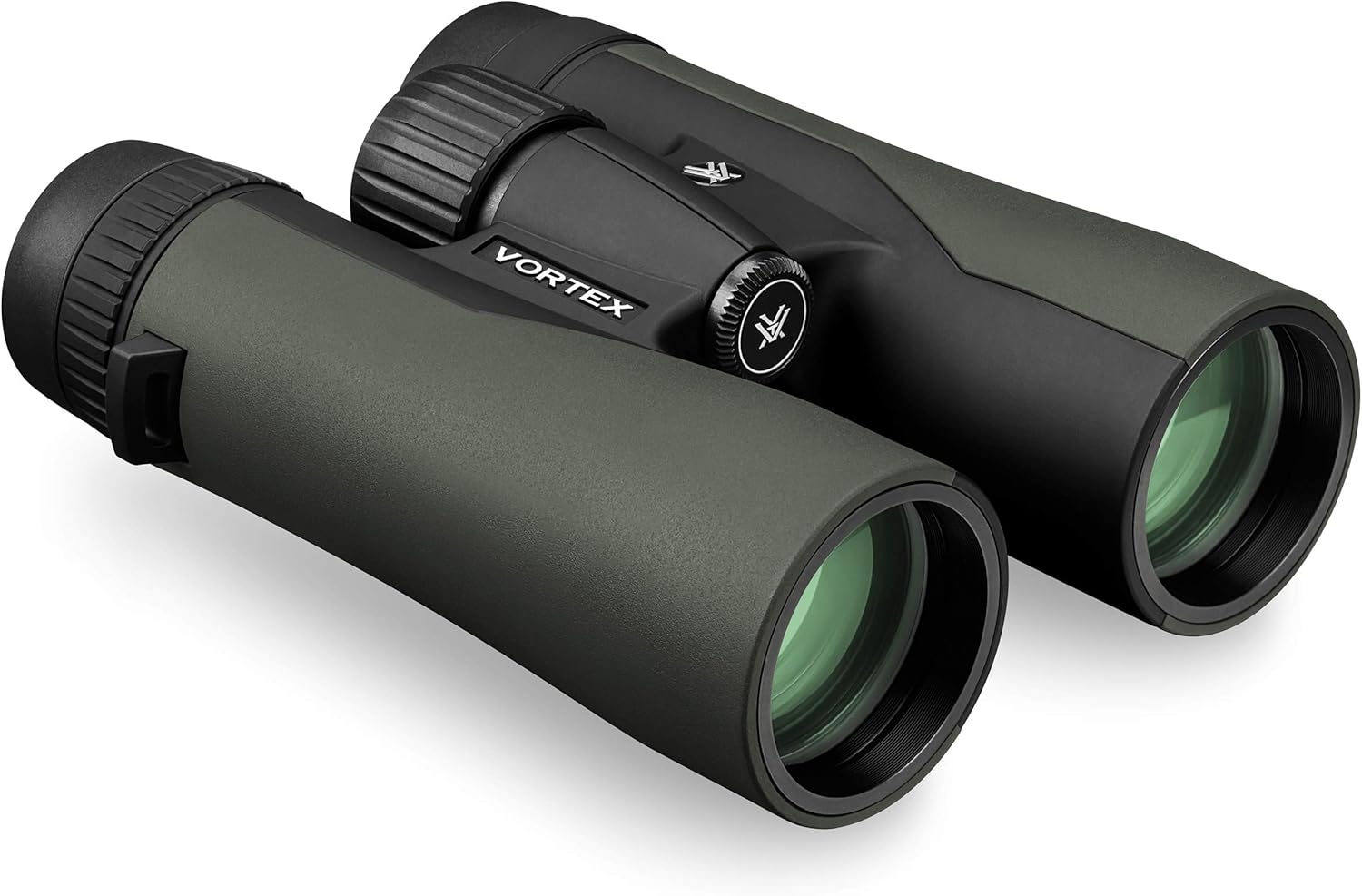
This is where most birders start—and where many stay. Standard 8x42 and 10x42 binoculars balance brightness, clarity, and comfort better than almost anything else. The biggest difference between the pairs below is not just magnification — it is how clean, bright, and comfortable the view feels after a few minutes of real birding. The Crossfire is the approachable value pick, the Viper is the all-around sweet spot, and the Swarovski represents the premium lifetime tier.
Vortex Crossfire HD 10x42
Vortex Viper HD 10x42
Swarovski EL 10x42

Featherweight Binoculars
Featherweights shine when you want binoculars with you all the time, not just on “serious” birding days. These are easy to carry on hikes, trips, and quick outings where weight and bulk matter more than raw reach. While I tend to favor higher magnification, I’ve learned that having lighter glass you actually bring along often beats leaving heavier binoculars behind.
Nikon Trailblazer 8x25

Vortex Diamondback 8x32

Zeiss Victory Pocket 8x25

Long-Range Binoculars 12x+
Long-range binoculars will always feel natural to me because I started birding with 15x glass. That extra reach permanently shaped how I see distance. These excel for open landscapes, raptors, and scouting from afar — especially for photographers deciding when to raise the camera. The tradeoff is stability and weight, which is why good stance, support, or stabilization becomes increasingly important at this level.
Vortex Diamondback 15x56

Vortex Kaibab HD 18x56

Swarovski NL Pure 14x52

Image-Stabilized Binoculars
The first time I tried image-stabilized binoculars was a genuine “wow” moment. Finding a bird, pressing a button, and watching the image lock in place removes an enormous amount of distraction. Stability reveals detail that magnification alone can’t — especially as hands get tired or conditions aren’t ideal. If the technology stays lightweight, image stabilization may be one of the most important binocular advances for long-term birding.
Canon 12x36 IS III

Sig Sauer ZULU6 14x50

Canon 10x42L IS WP
