
A Southern Utah Quest
My first official outing with Utah County Birders.
Quest Overview
First official outing with the Utah County Birders Meeting birders who already knew me as 'the FeatherQuest guy' First personal use of a spotting scope and helping call out a Bonaparte’s Gull
Table of Contents
My First Official UCBirders Outing
This was my first official outing with the Utah County Birders.
That mattered to me because about this same time last year, I had tried to sync up with the group and arrived just a little too late. I missed the 'bus' and ended up birding on my own. It was still a great day, and at one point I even crossed paths with them, but it wasn’t really the same story.
This time I made it.
And one of the most memorable parts wasn’t even a bird. It was meeting people in person and realizing several of them already knew who I was from FeatherQuest. Getting called 'the FeatherQuest guy' was a cool moment — not because of the attention, but because it made the whole thing feel real. The work was reaching the same birding community that helped shape it.
The Mission
This wasn’t a close-to-home casual bird walk.
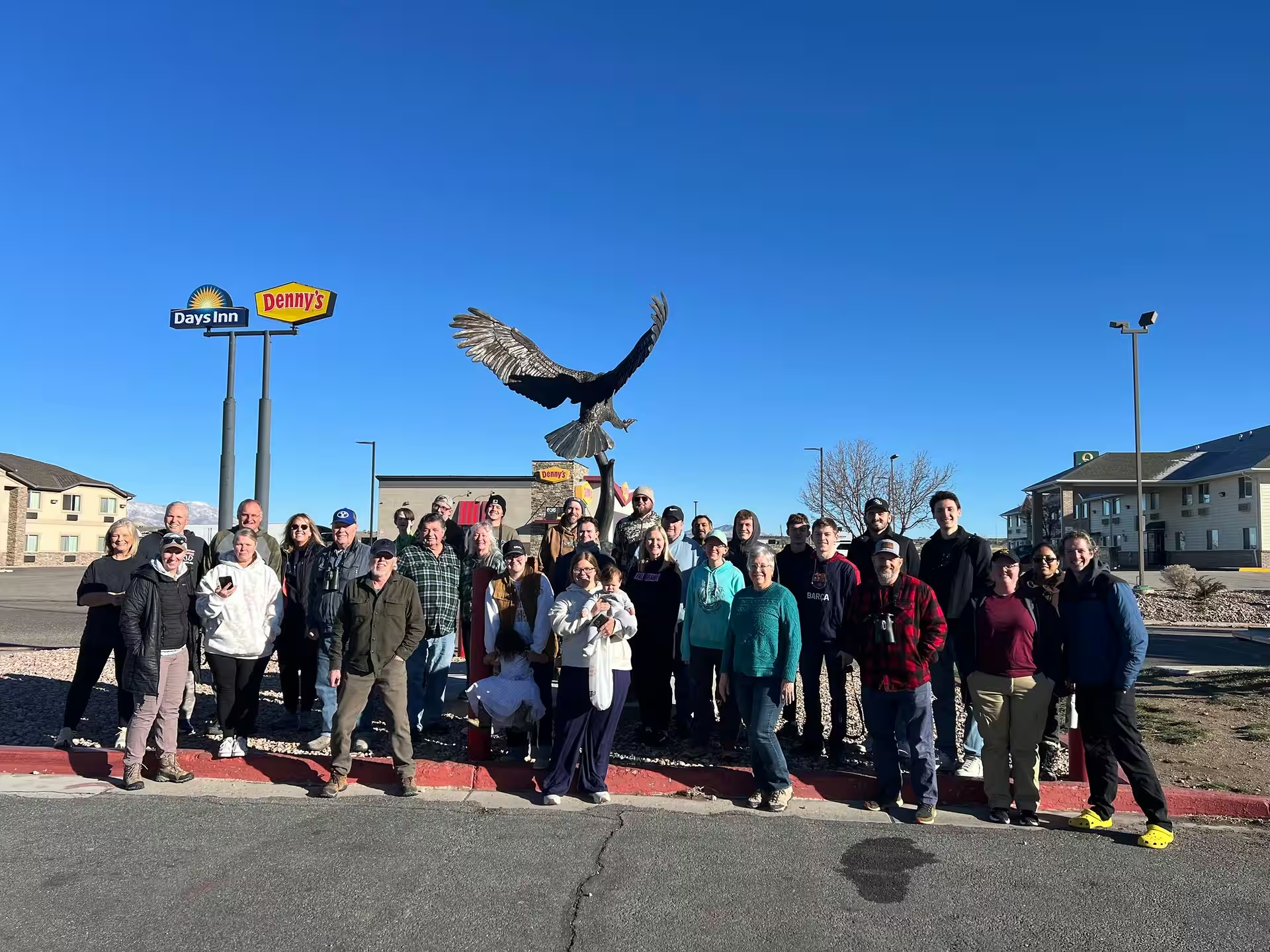
We drove hours south into Beaver and Iron Counties, stopping at multiple locations with one main goal in mind: build species lists for the Utah County Birders 2026 county challenge by finding at least 26 birds in each county.
Our route included neighborhood birding in Beaver, major reservoir stops, roadside ponds, Quichapa Lake, and a canyon walk that gave the whole day a nice change of rhythm.
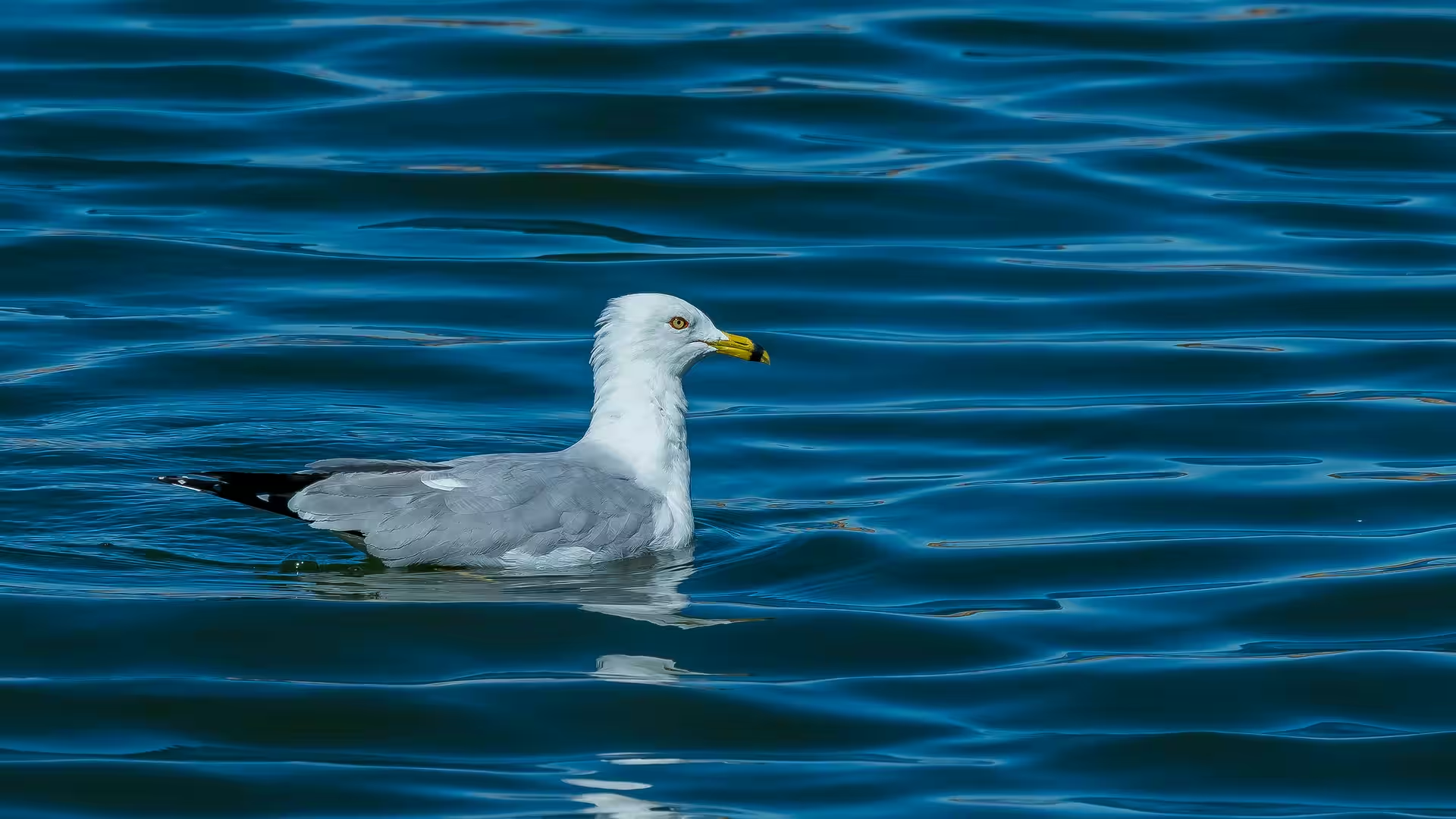
The drive itself became part of the story. My car had Jeanne, a seasoned birder from Texas and Colorado who recently moved to Utah with more decades of birding experience than I have years, Marisa, who absolutely fell in love with the gull family, Zack, who was on a mission for a Ferruginous Hawk, and Matthew, a fellow BYU computer science major who works as a lab assistant for Professor Ryan Farrell and is helping build a birding app. Between stops the car was full of bird stories, trivia, and that shared road‑trip energy that made the whole day feel even bigger.
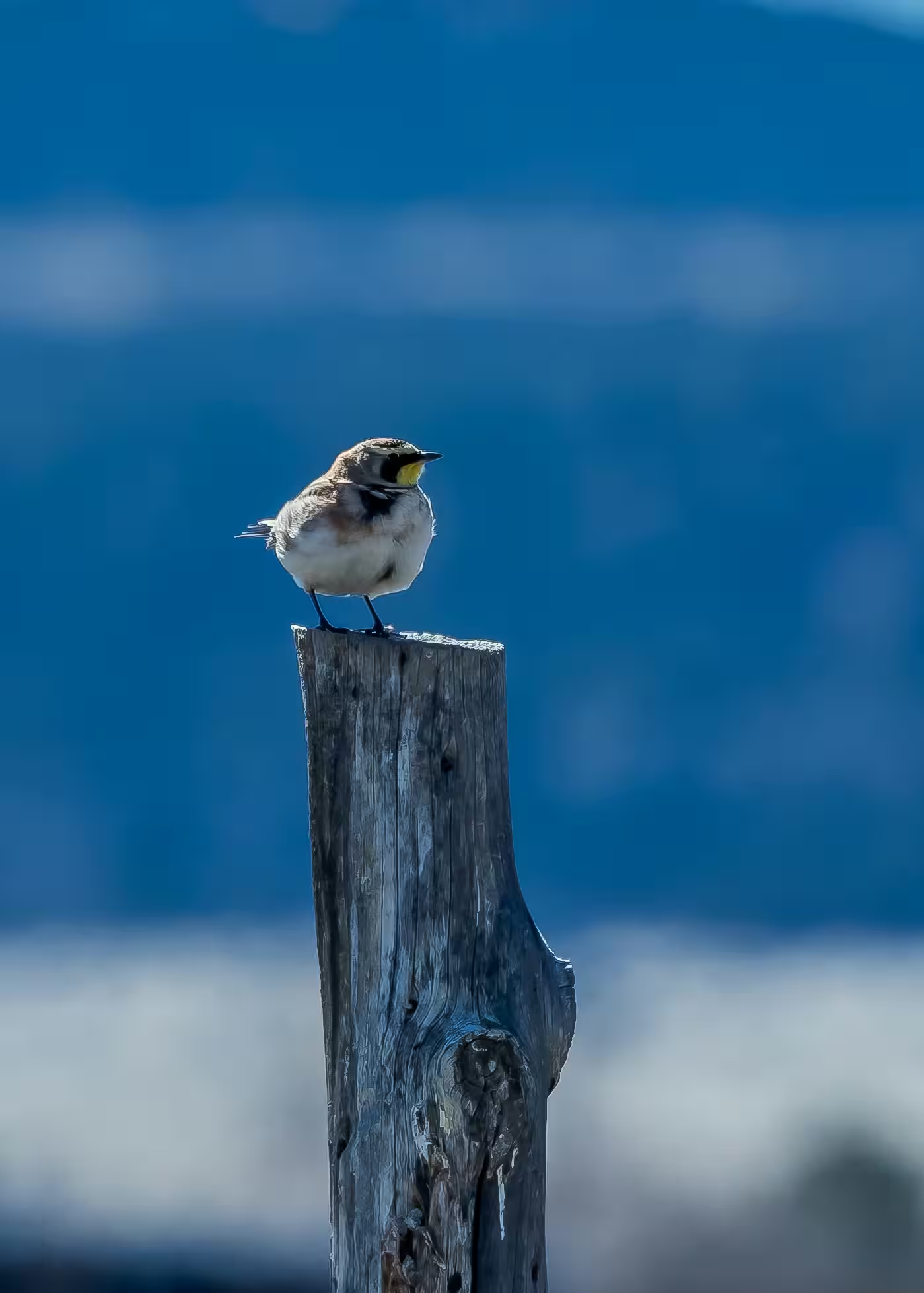
By the end of the trip, our car group logged 27 species in Iron County and 38 in Beaver County — enough to comfortably clear the challenge target in both places.
Birding as a Team Sport
We had 35 people spread across 11 vehicles, from babies to empty nesters.
I wasn’t surprised by how kind and welcoming everyone was, but it’s still worth saying: birders are some of the friendliest people you’ll meet.
Most of my birding is quieter and more solo. This felt different right away. The drive itself was nonstop bird stories, trivia, and quick decisions. If someone spotted something they wanted to stop for, we stopped. No questions. That was the whole point.
It felt less like a quiet personal walk and more like a coordinated search party. With that many eyes scanning water, roadside fences, brush, and sky, birding really did become a team sport.
A First Through the Scope
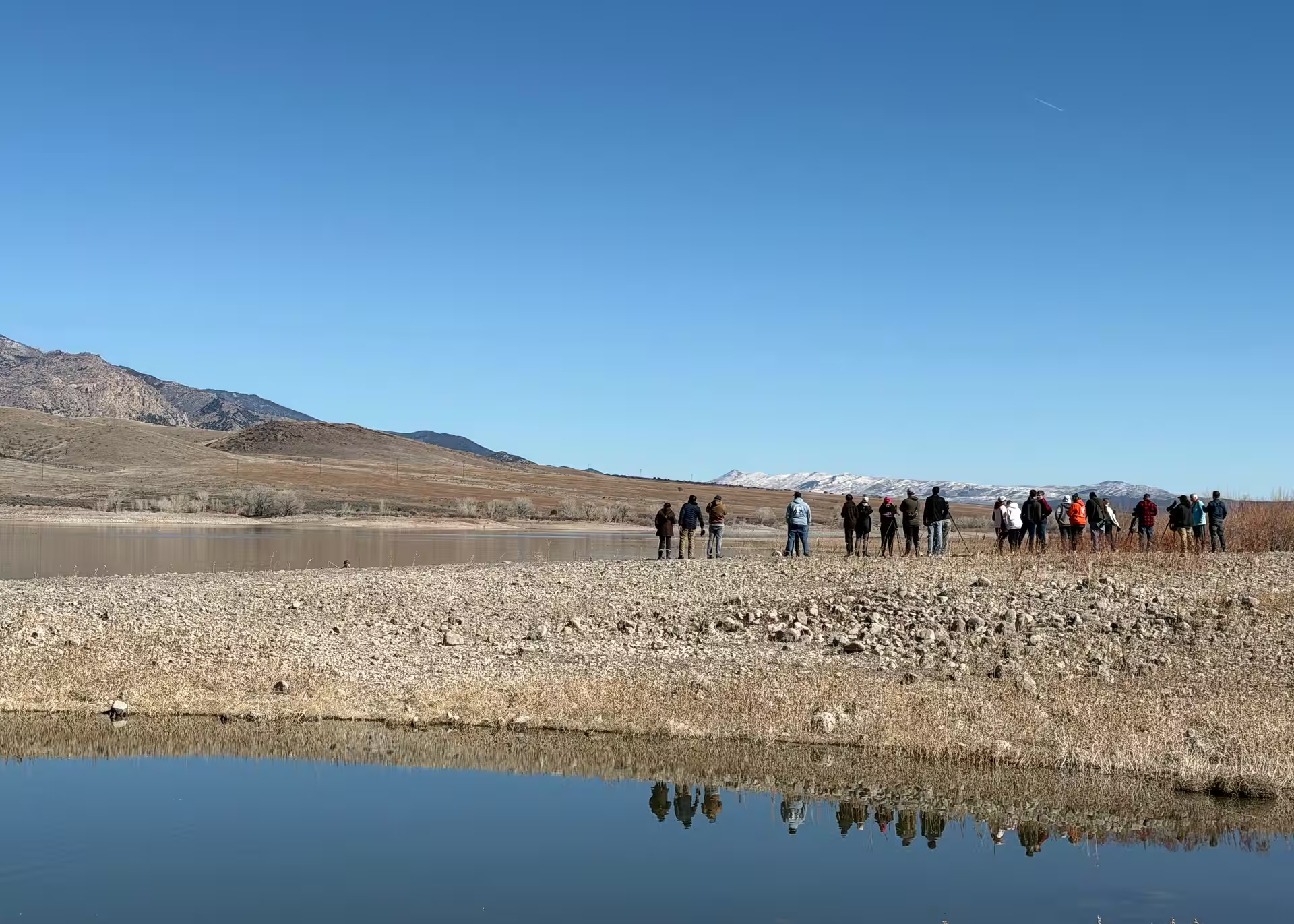
One of the big personal moments of the day came at Robinson Tanner Reservoir.
When everyone pulled out spotting scopes, I realized that while I had looked through scopes before, I had never really handled one myself.
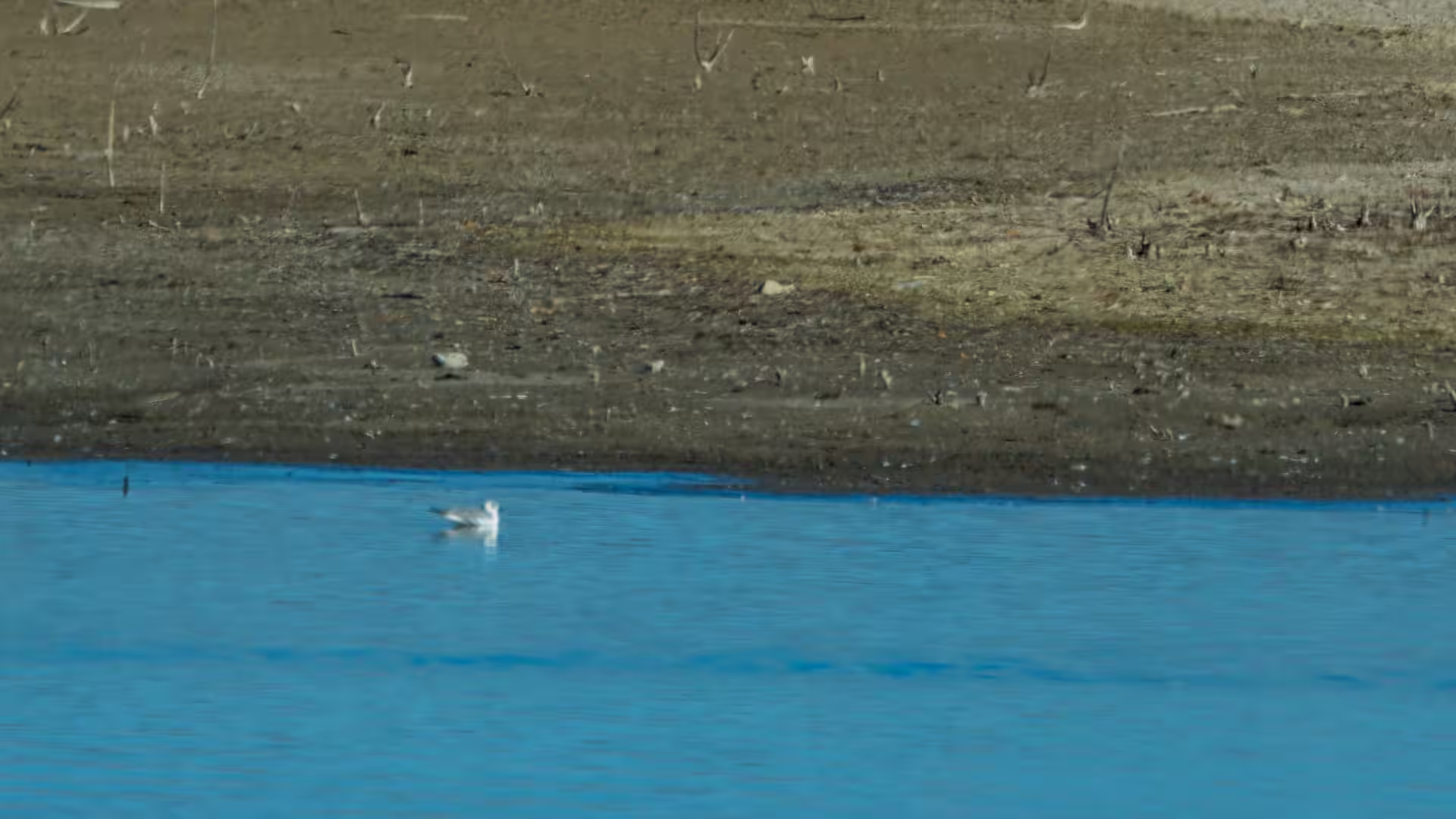
So I started scanning. Off to the side of a group of gulls, one bird looked a little different than the others. I called it out, and the more experienced birders confirmed it: Bonaparte’s Gull.
Later I also called out a Ruddy Duck and a Northern Shoveler to the group. That felt validating. I may have written a book and taken a lot of bird photos, but many of these people have been birding for more decades than I’ve been doing it for years.
Big Sky Moments
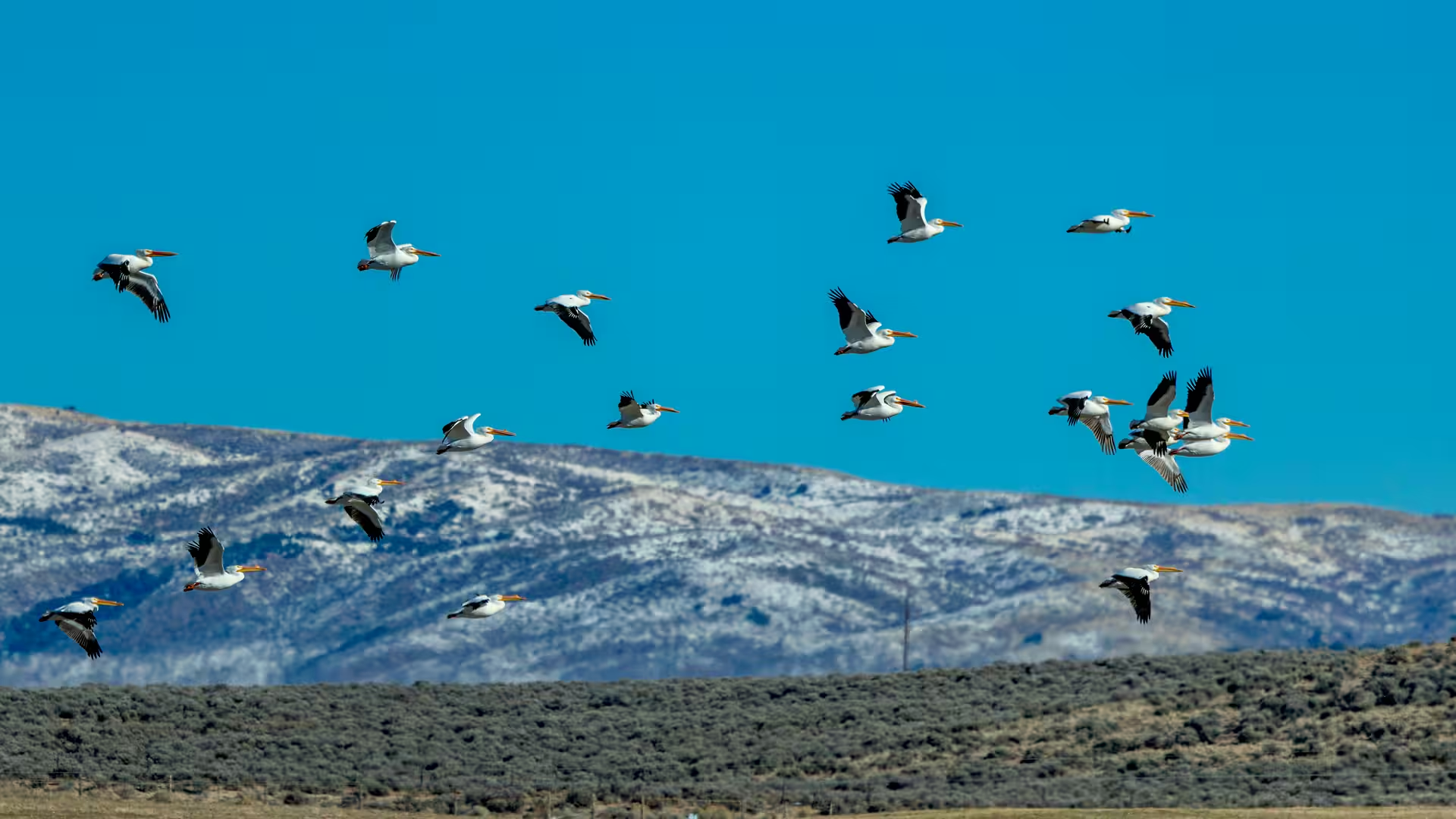
As we were leaving the first reservoir, one of the day’s biggest visual moments arrived overhead: a giant flock of around 40 American White Pelicans.
Pelicans always feel spectacular. They don’t just pass through a scene — they take it over.
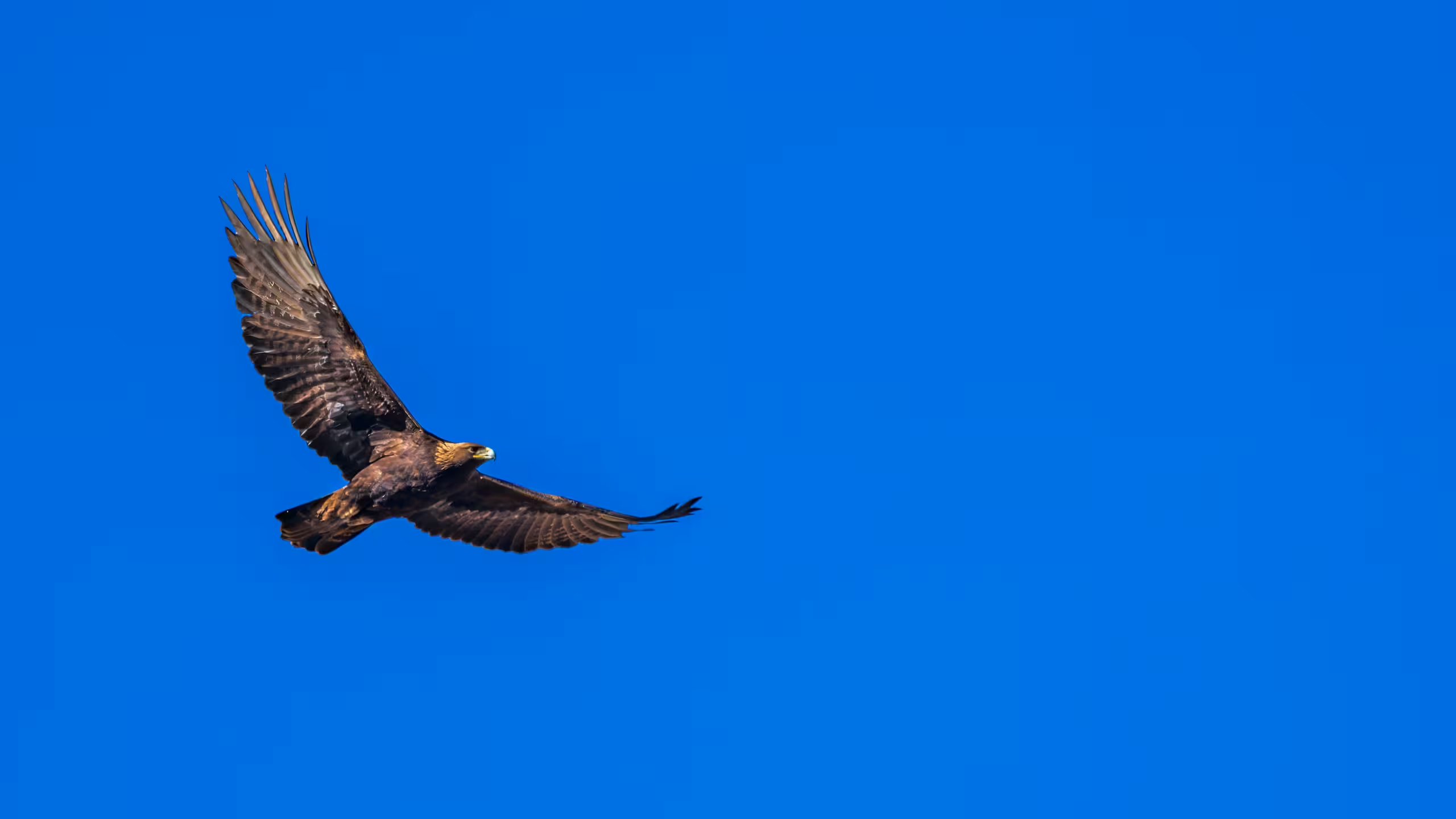
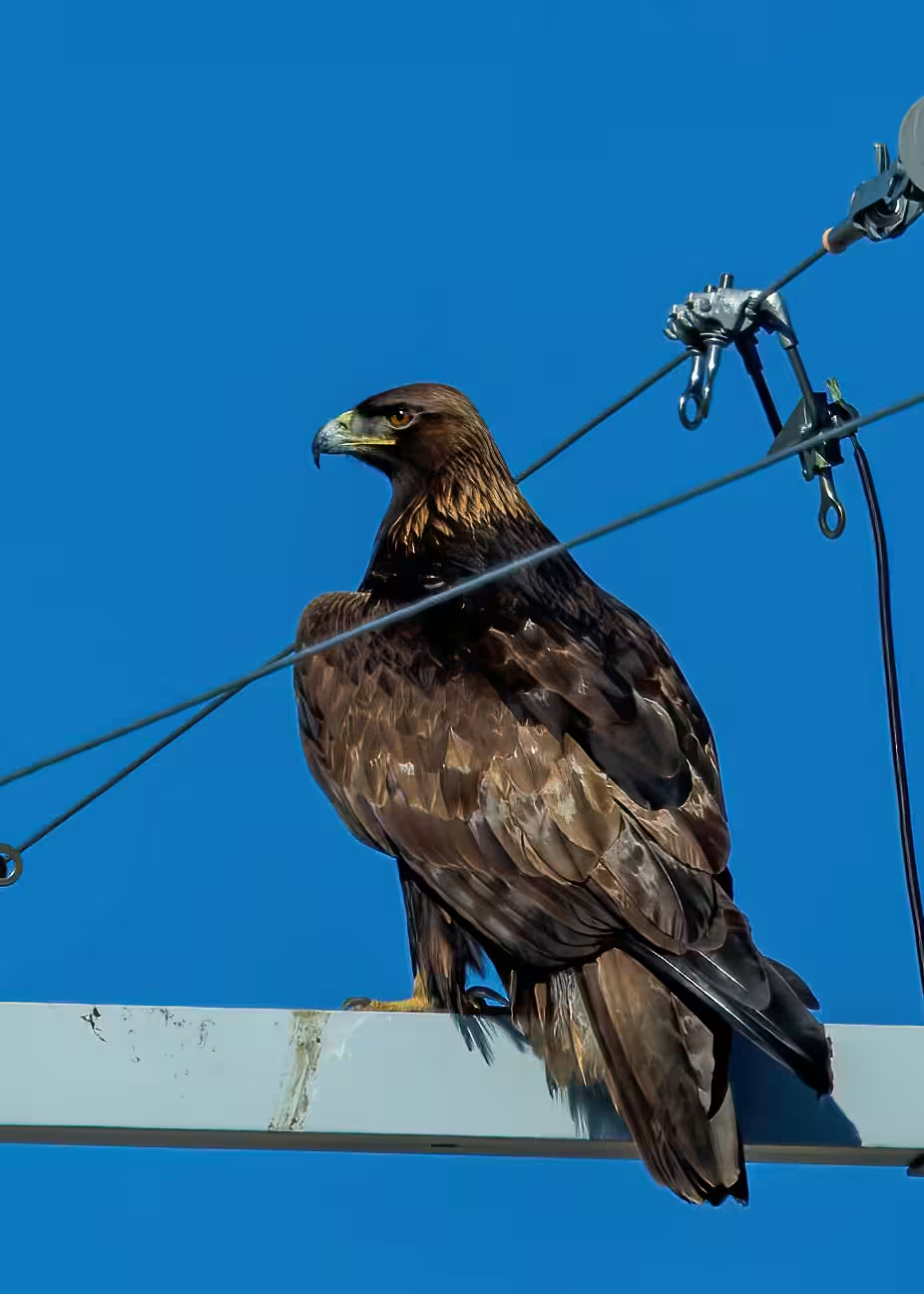
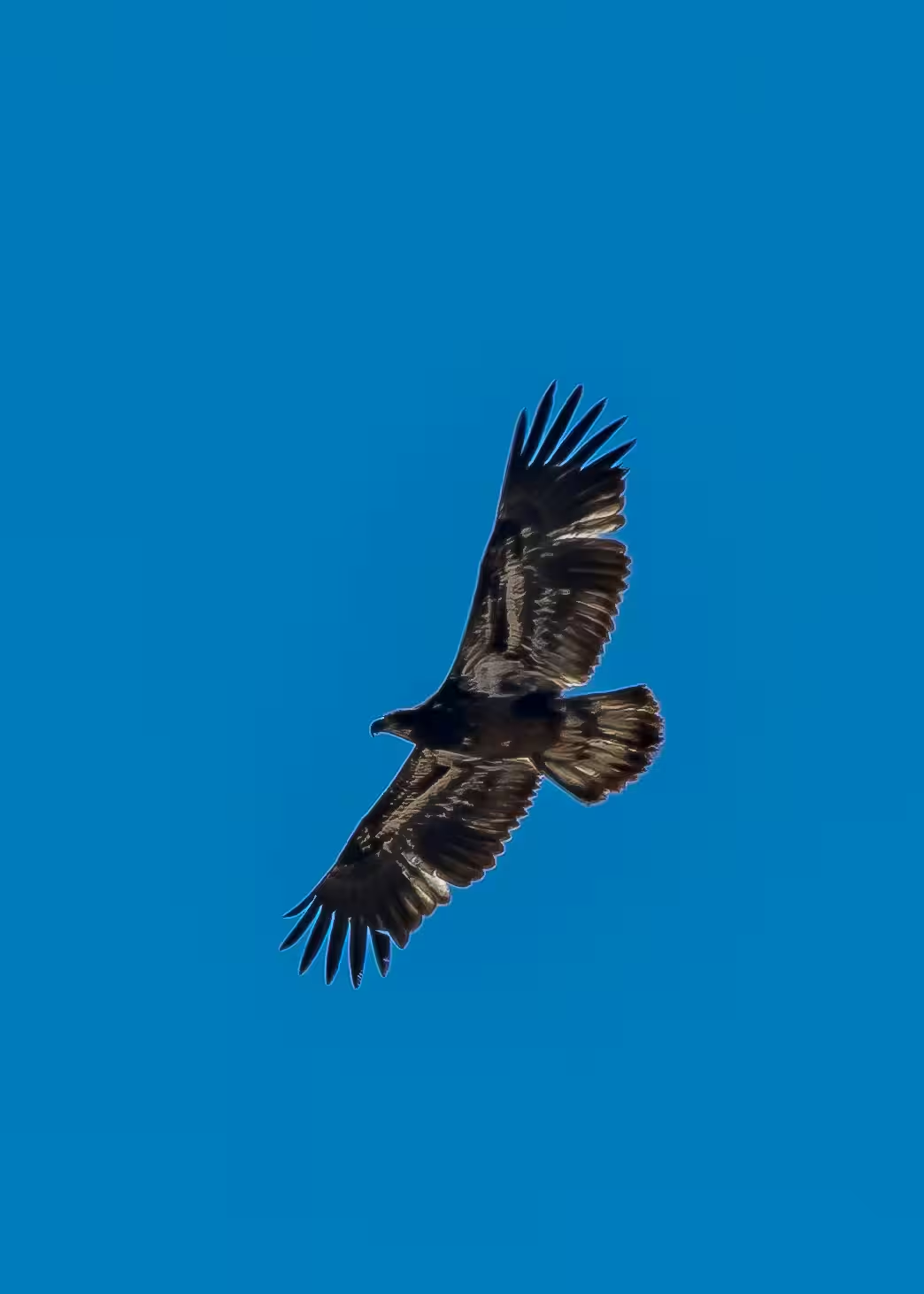
At another stop, we looked up and saw both a Golden Eagle and a Bald Eagle from the same pullout. That alone would have made the day memorable.
The Lifer
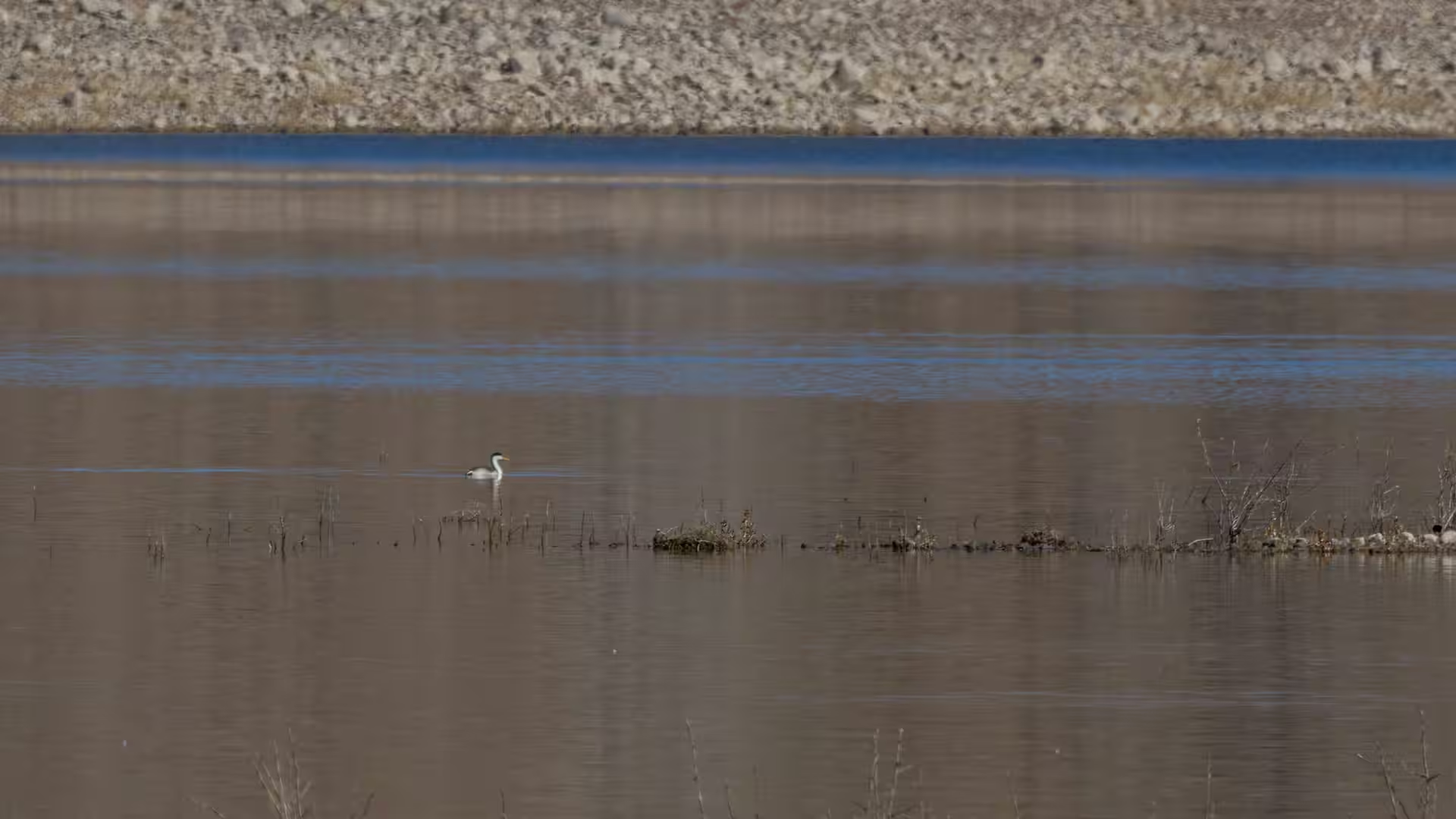
I had one clear lifer on the trip: Clark’s Grebe.
It was way out there — basically a dot in the scope and on my camera — but the field mark was clean. The black cap clearly stopped well before the eye.
That was enough for a positive ID, and enough for the kind of quiet satisfaction that makes lifers memorable even when the photos aren’t going to win any awards.
The Cedar Canyon Stretch
One of the most enjoyable sections of the trip came in Cedar Canyon.
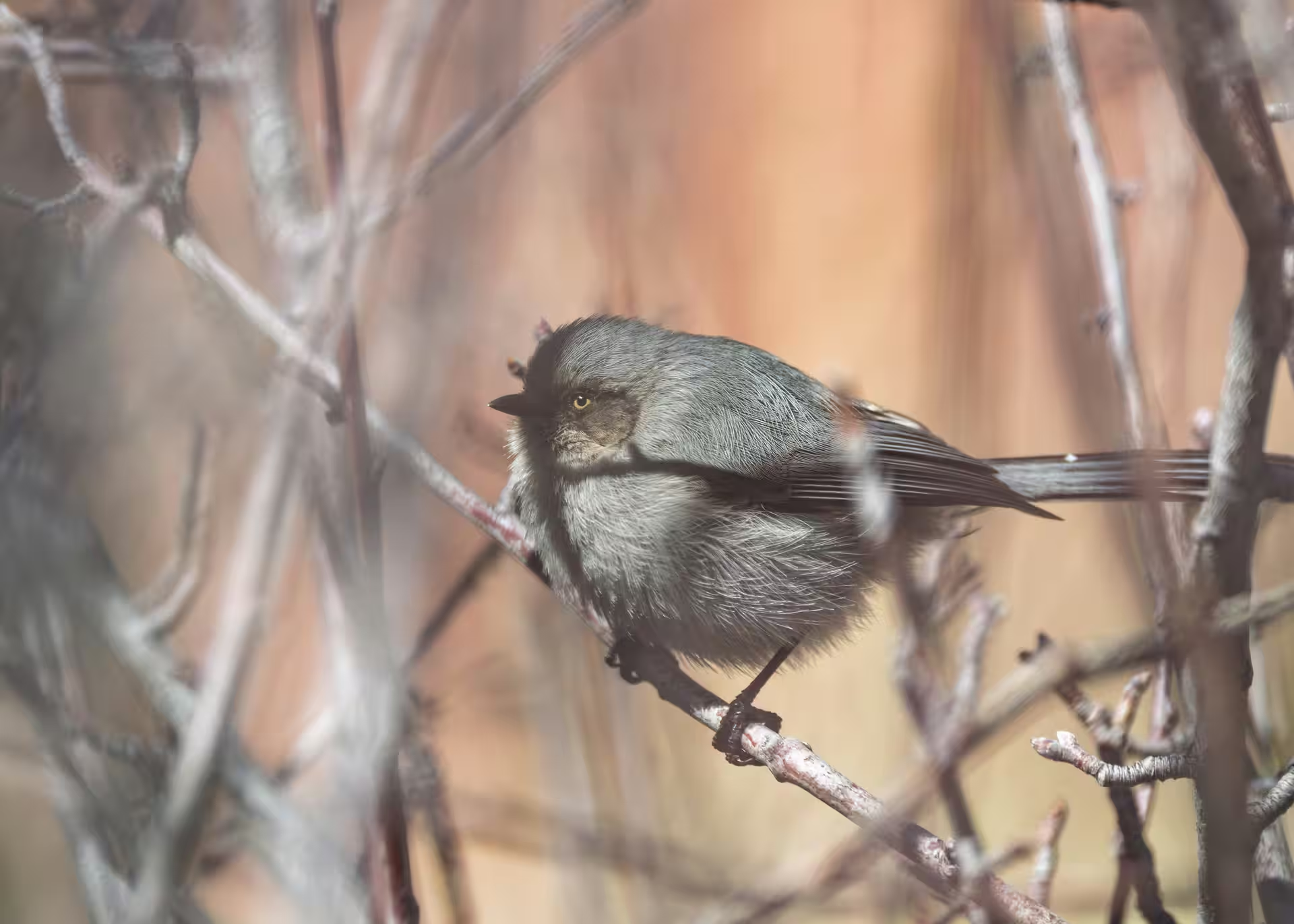
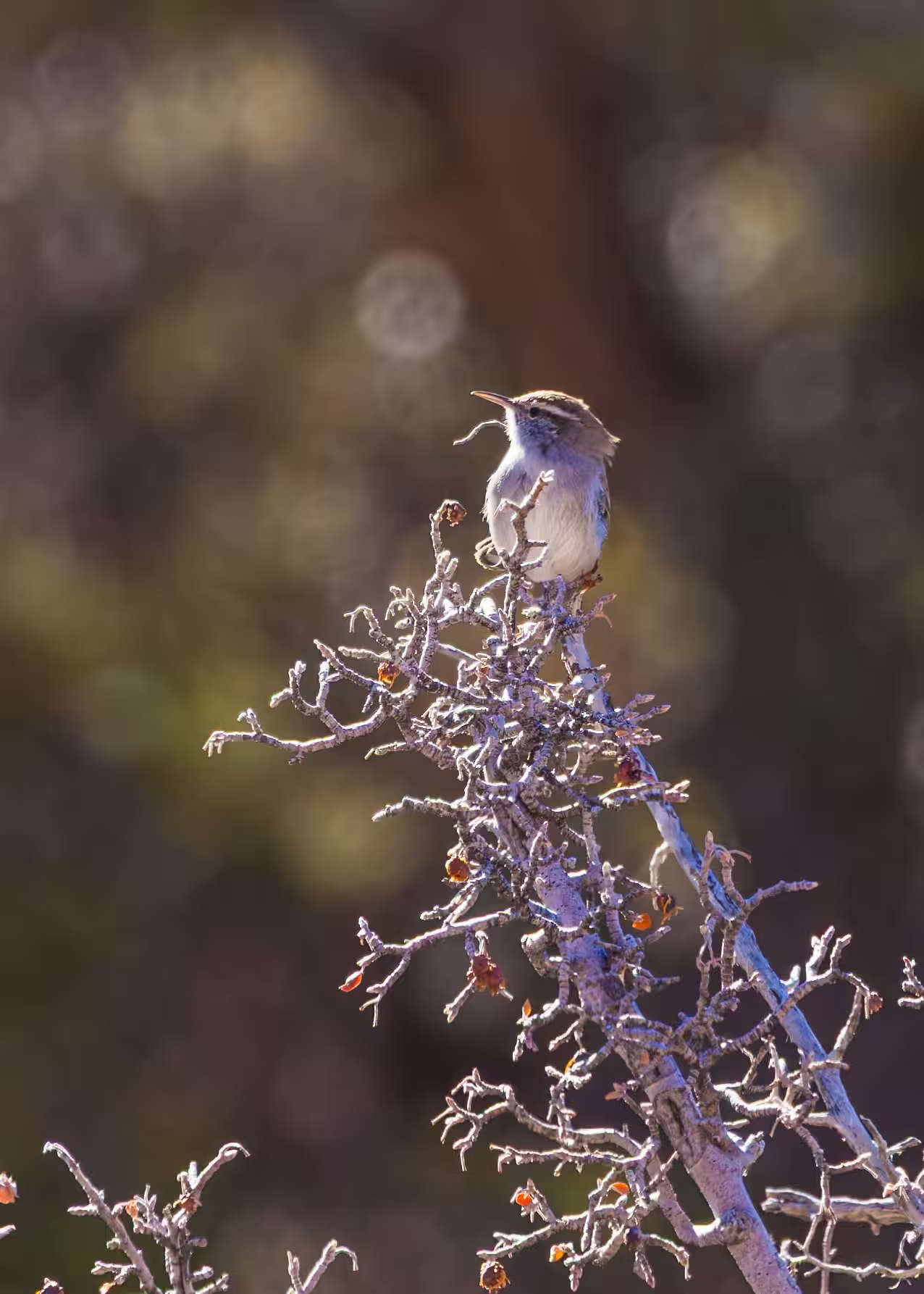
It was the most walking we did all day, and the vibe shifted in a good way. The Bushtits were lively, the group had a quick flash of a Juniper Titmouse that we were never fully able to relocate, and some of us — me included — spent a bit of time chasing a Bewick’s Wren around as it kept slipping through the brush. It felt less like hopping between checklists and more like settling into a place together.
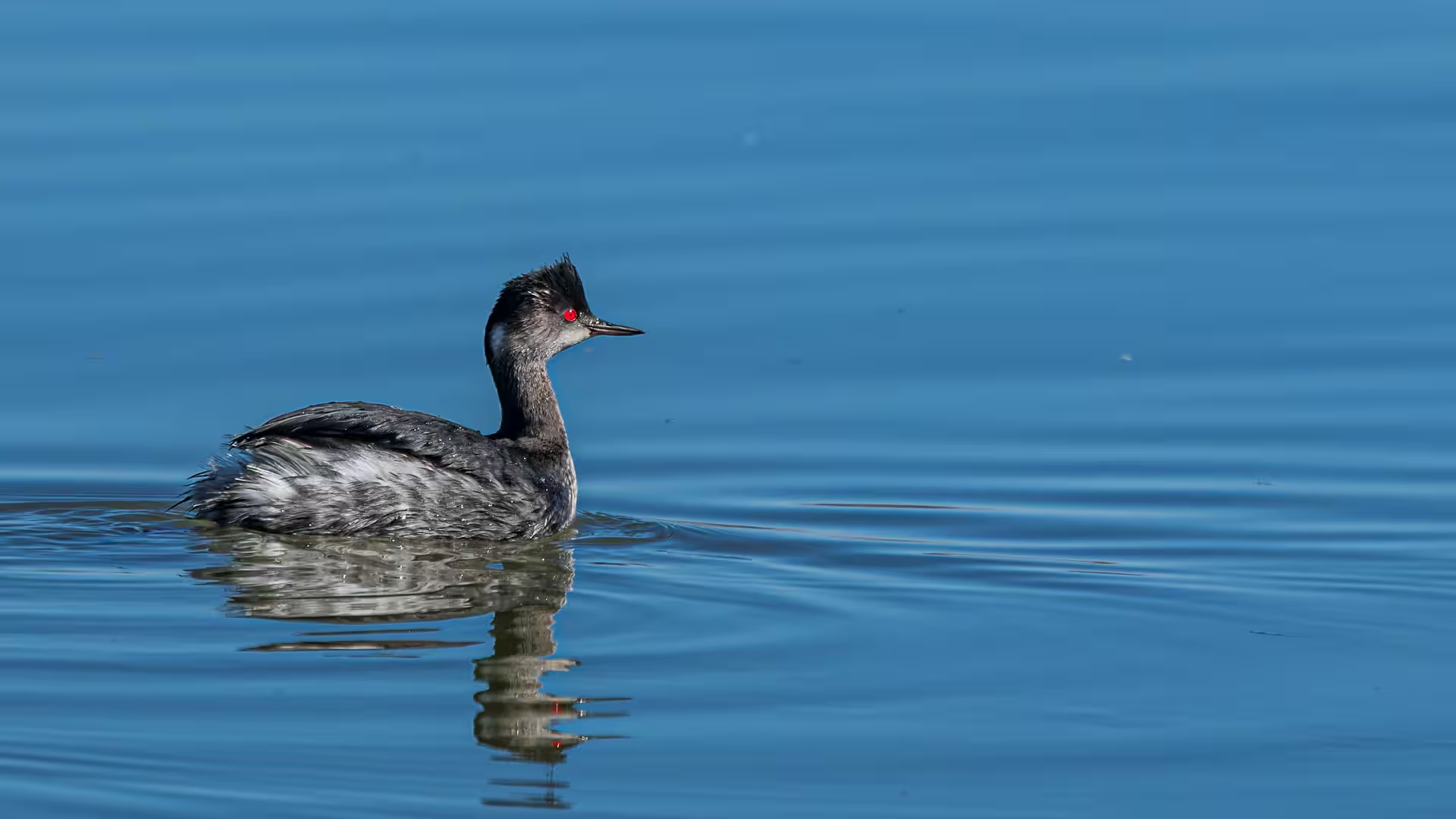
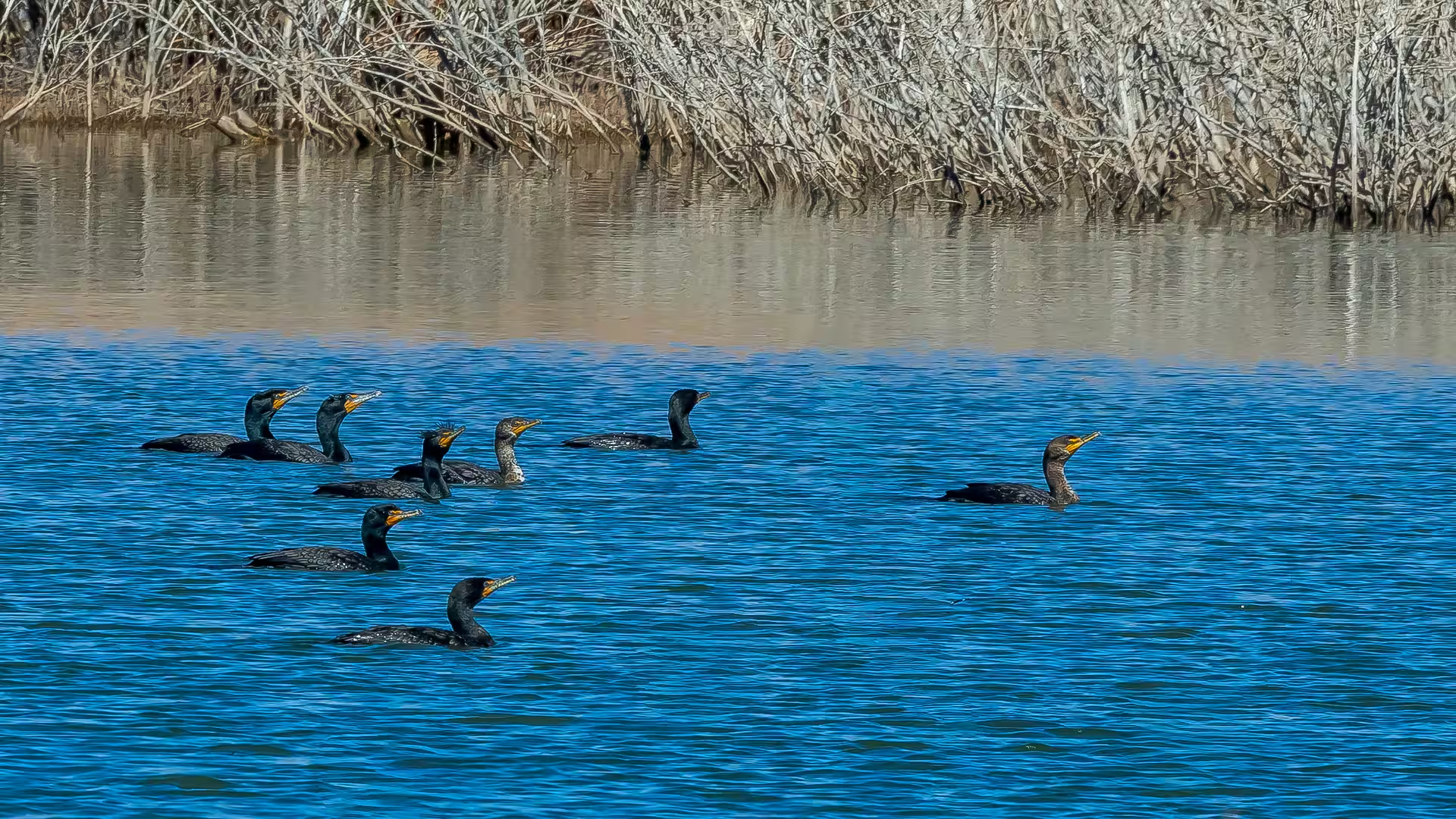
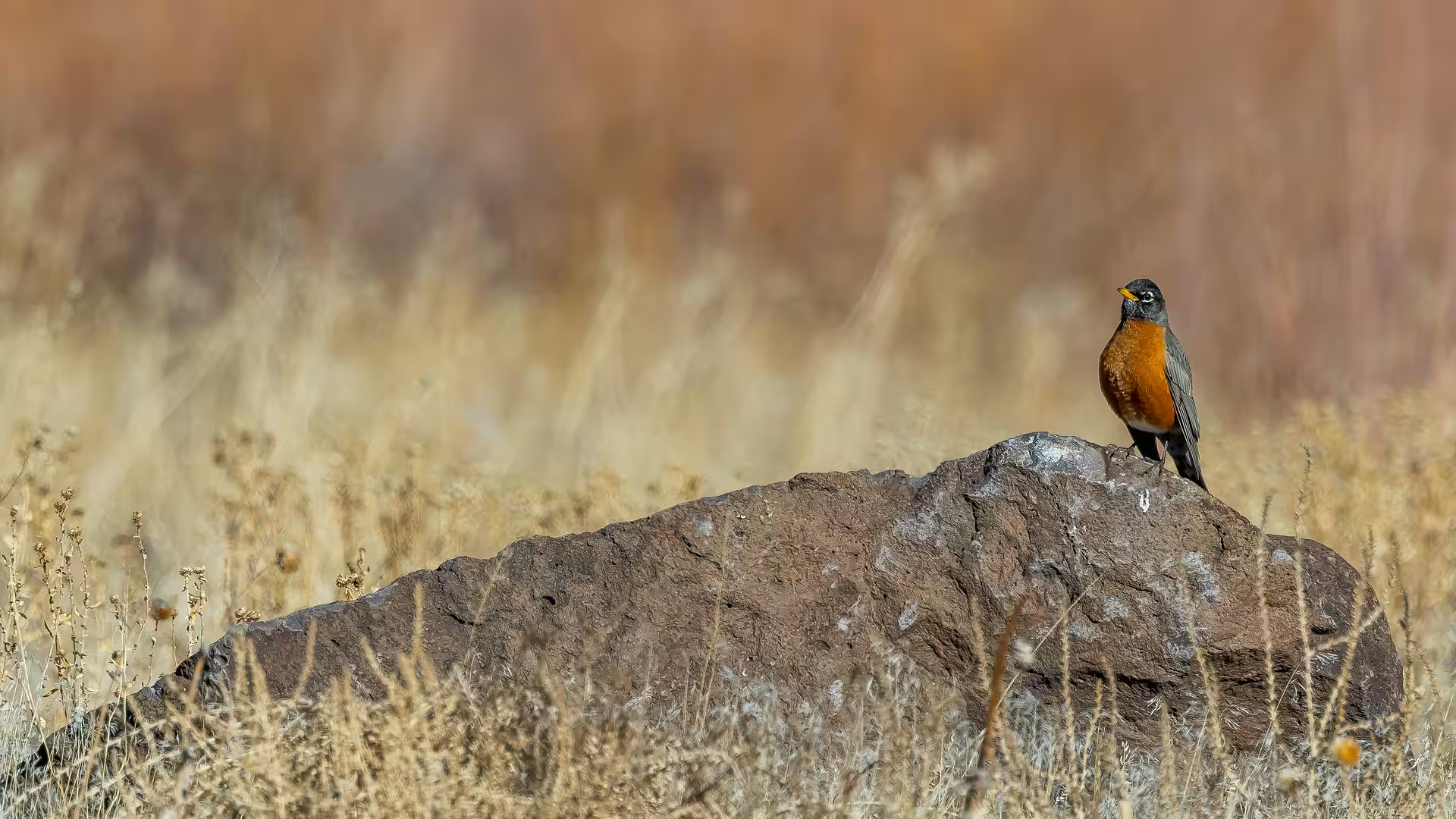
Roadside and Reservoir Birds
The Shared Mystery Lifer
Late in the day, Zack from my car had one bird firmly on his mind: Ferruginous Hawk.
For miles he kept his eyes and binoculars glued to the roadside. Many of the hawks we passed were clearly Red-tailed Hawks, but near the end of the trip on the way back, we all saw one that looked different.
The rest of the car felt convinced. I saw it too, but I was driving and didn’t get the kind of look I’d normally want for a personal lock-it-in certainty.
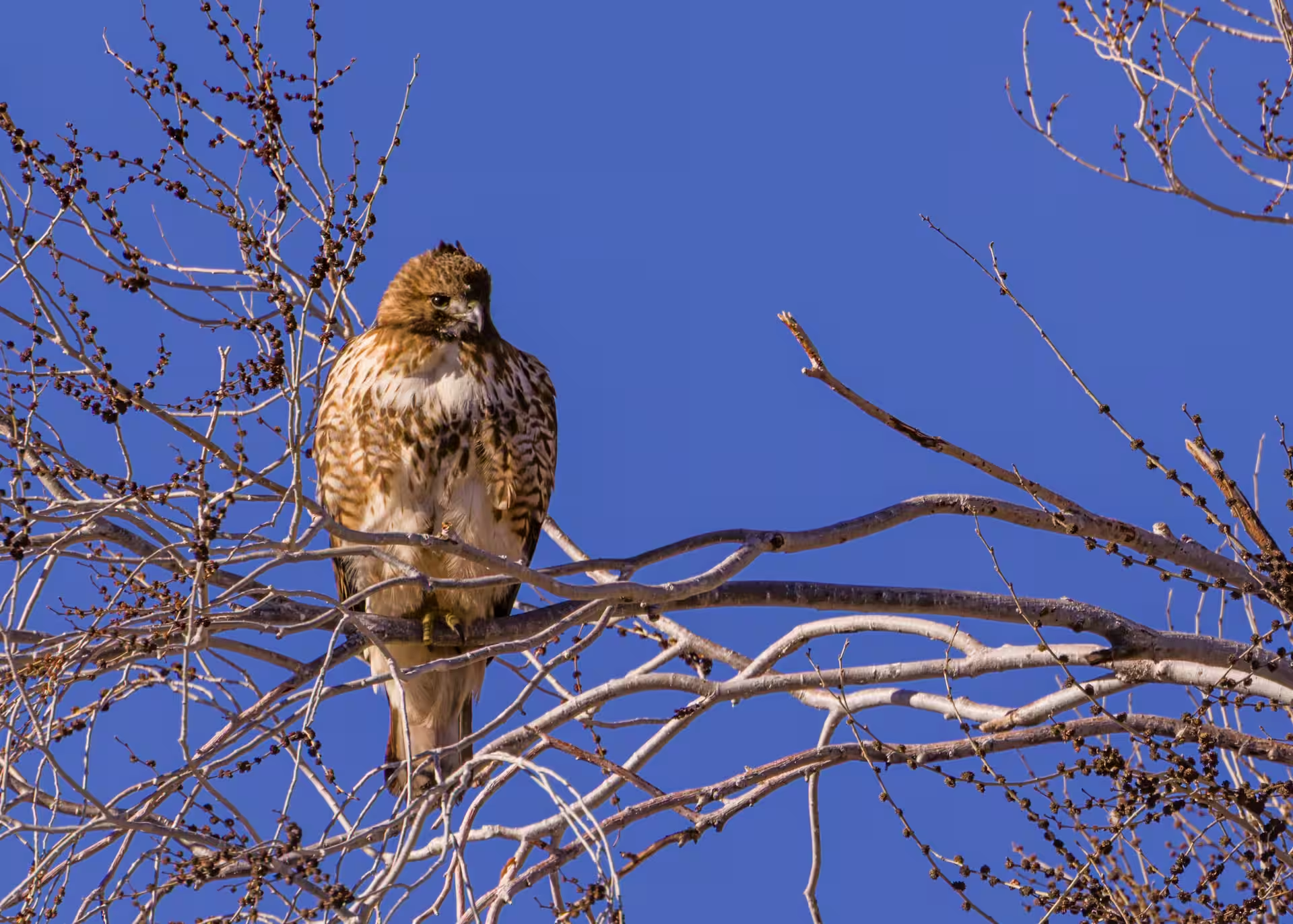
That led straight into one of the classic group-birding questions: do I go with the group list or only count what I personally saw? For most birds, especially common ones, I’m willing to trust the shared eBird list. But for lifers, I’m stricter. I want that one to be mine.
So for now, I’ve left this one in that gray zone — a shared mystery lifer moment with Zack that I know I’ll eventually settle by finding a Ferruginous Hawk again for myself. Until then, it stays in the story because the memory matters.
Birding doesn’t always bind people together through certainty. Sometimes it does it through possibility.
Why the Day Mattered
If someone asked me what the trip was like, I’d say this: Utah County Birders are great.
Sometimes advanced birders can make newer or less-experienced people feel out of place, but this group felt like the opposite. Everyone wanted everyone else to succeed. They were patient, generous, and determined to make sure as many people as possible saw what was being found.
For me, the day was more than just a checklist run through Beaver and Iron Counties. It was a first official outing, a community milestone, a few small validation moments through the scope, a true lifer, and one shared maybe-bird that will probably stay with me for a long time.
Birding alone helps you notice. Birding together helps you see more.
If this kind of county birding sounds fun, the Utah County Birders 2026 challenge is a great place to jump in.