

Provo Library Field Trip
Field Trip Recap • March 21, 2026
Quest Overview
A kid spotted and helped confirm a Clark’s Grebe Merlin app actively used by participants to identify birds Chickadees dancing in the pollen filled trees
Table of Contents
Quest Log
We had a great turnout for this Provo Library field trip—somewhere in the range of 30 to 40 people, with a strong mix of families, kids, and first-time birders. As we gathered, we were serenaded (if you call an alarm clock that) by a chorus of Red-winged Blackbirds echoing across the delta. The energy of the group was easy to feel right from the start.
We also had a simple field worksheet for the walk—something to guide what we notice rather than just what we see. You can follow along or revisit it here: Provo River Delta Field Worksheet (PDF).
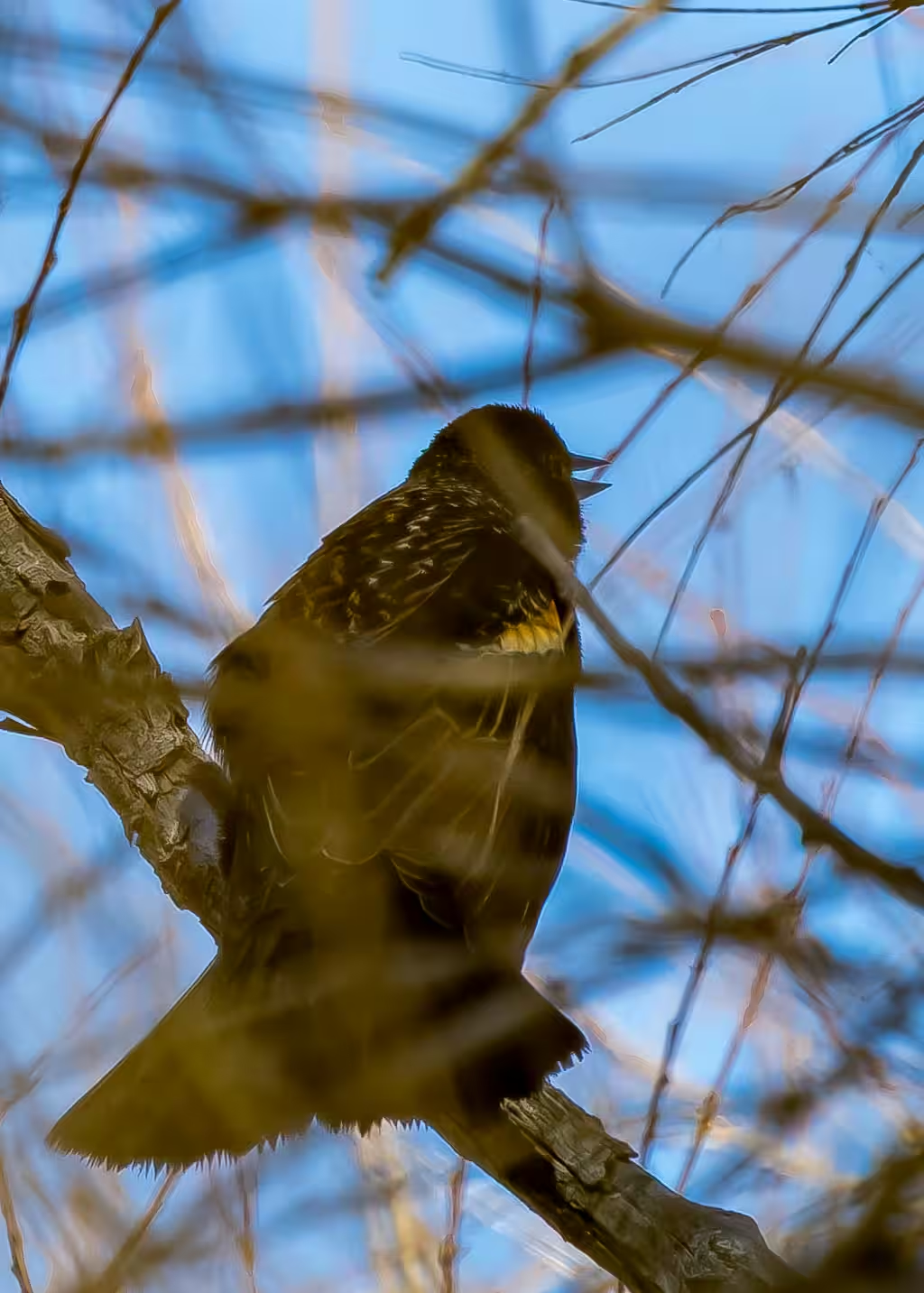
We kicked things off with a simple goal: not just to find birds, but to notice them. Instead of rushing from species to species, we slowed down, asked questions, and let the birds reveal themselves.
One of the best moments of the morning came from one of the kids in the group. While scanning the water, they called out a grebe that didn’t quite match the others. As we looked closer, we were able to confirm it together: a Clark’s Grebe.
That moment captured exactly what FeatherQuest is about. Not just seeing birds—but learning how to see them.
When the Tools and Curiosity Click
Another highlight came from a young participant using the Merlin app throughout the walk. At one point, Merlin picked up Pied-billed Grebe. I mentioned that it can occasionally misidentify sounds—but we kept it in mind.
A few minutes later, we spotted two fishing near the tower.
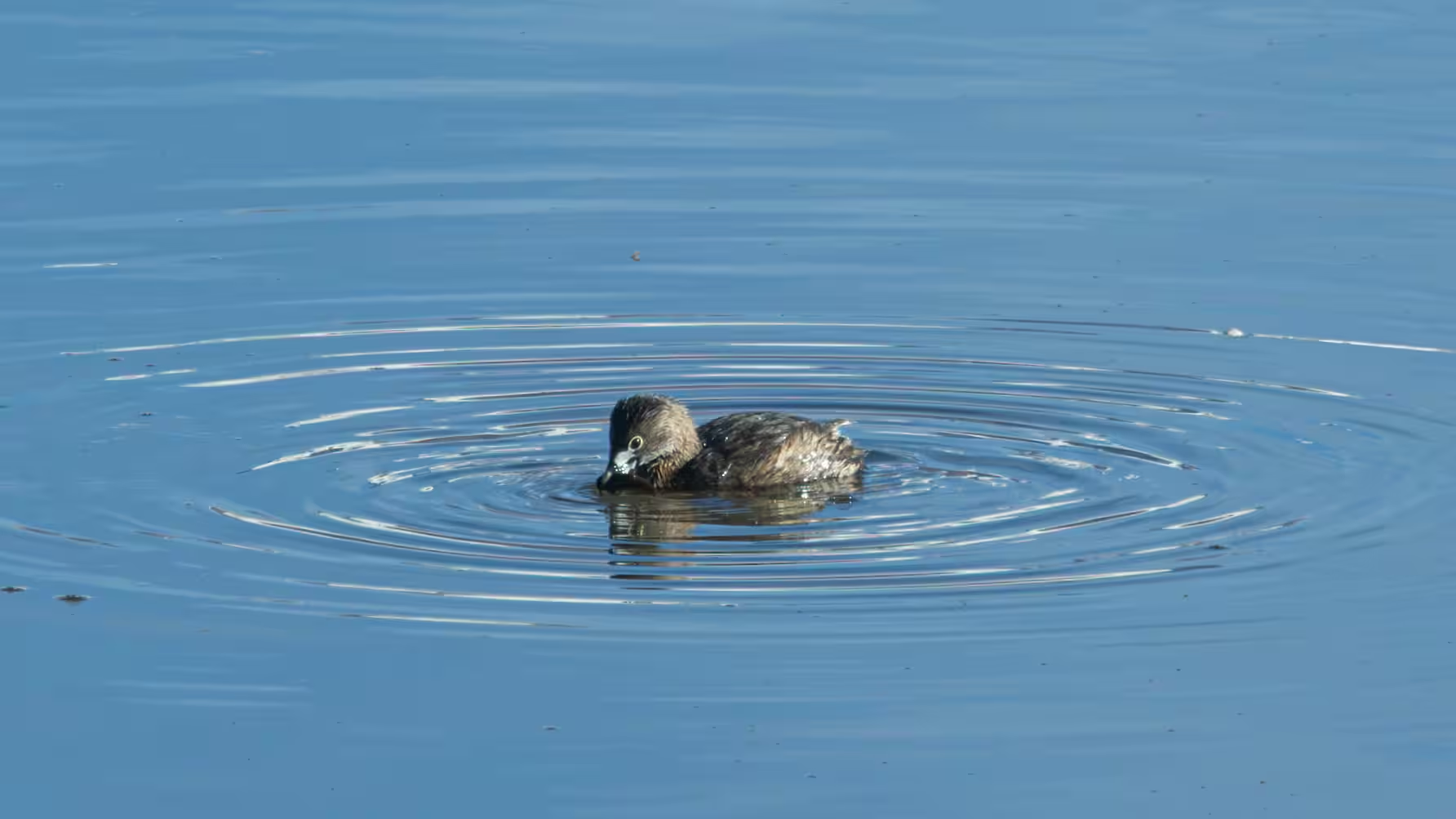
The same participant smiled and said, “I could just listen to them all day.”
That’s the kind of moment that sticks. Tools are helpful—but curiosity is what makes them meaningful.
What We Noticed
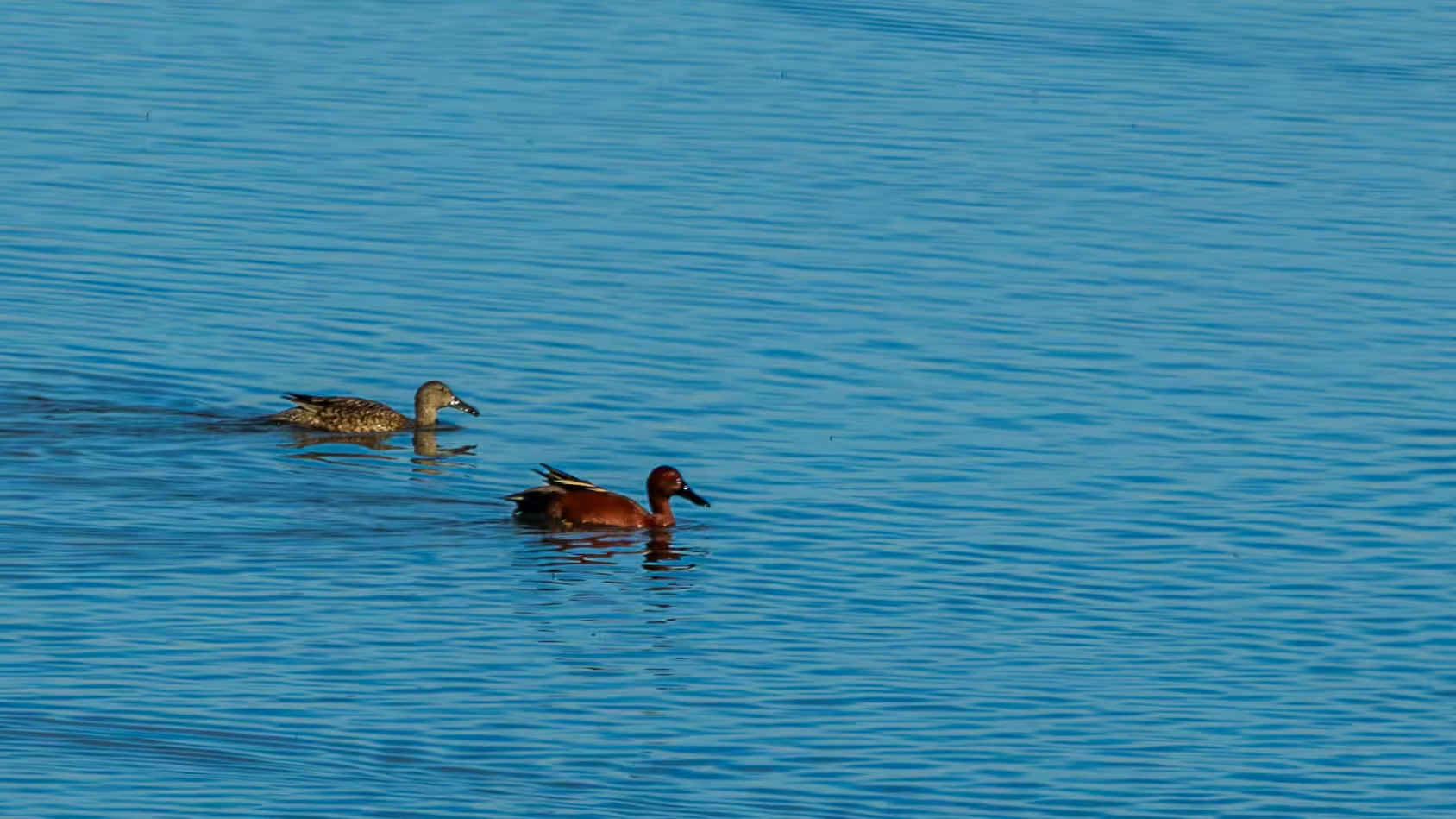
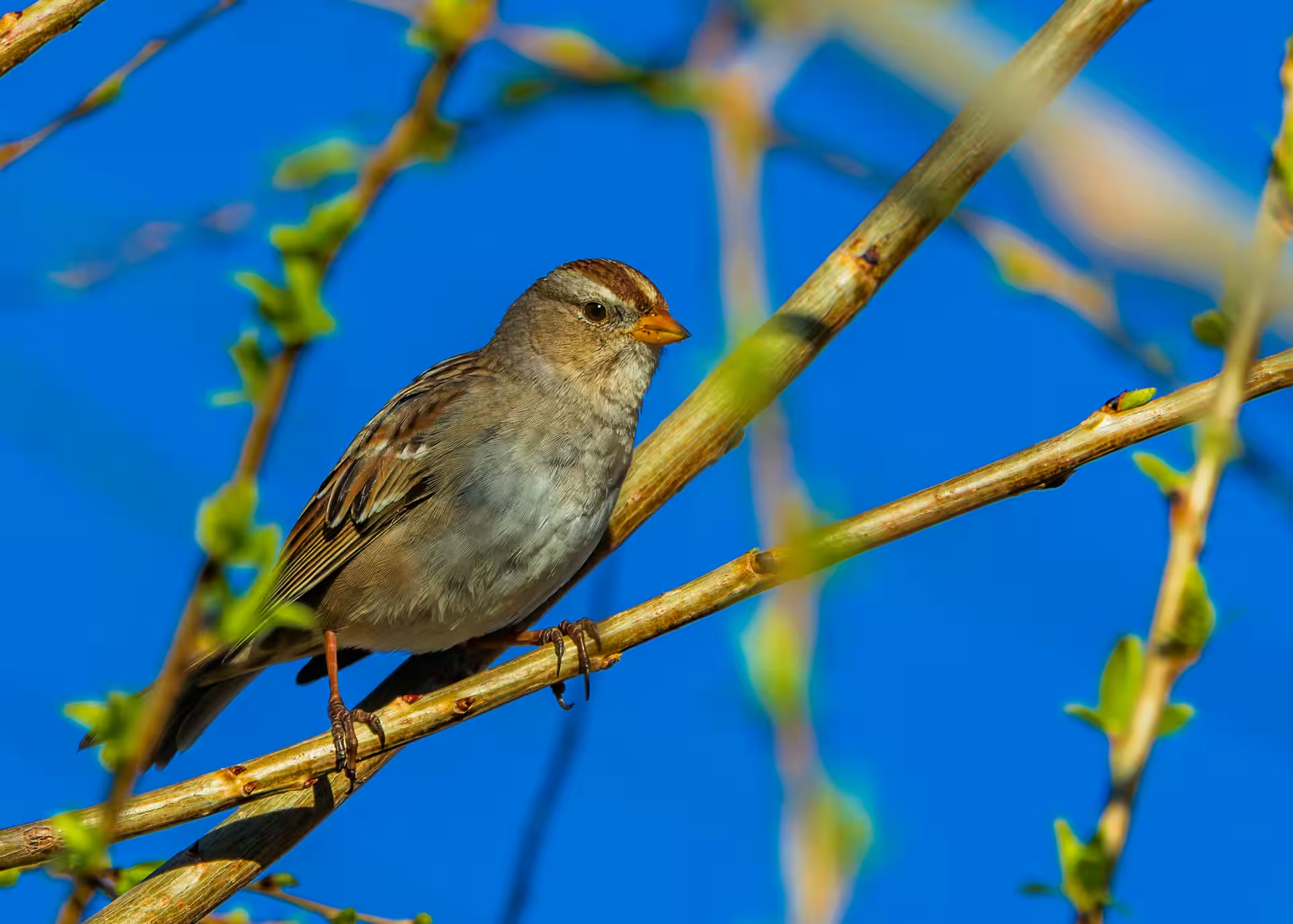
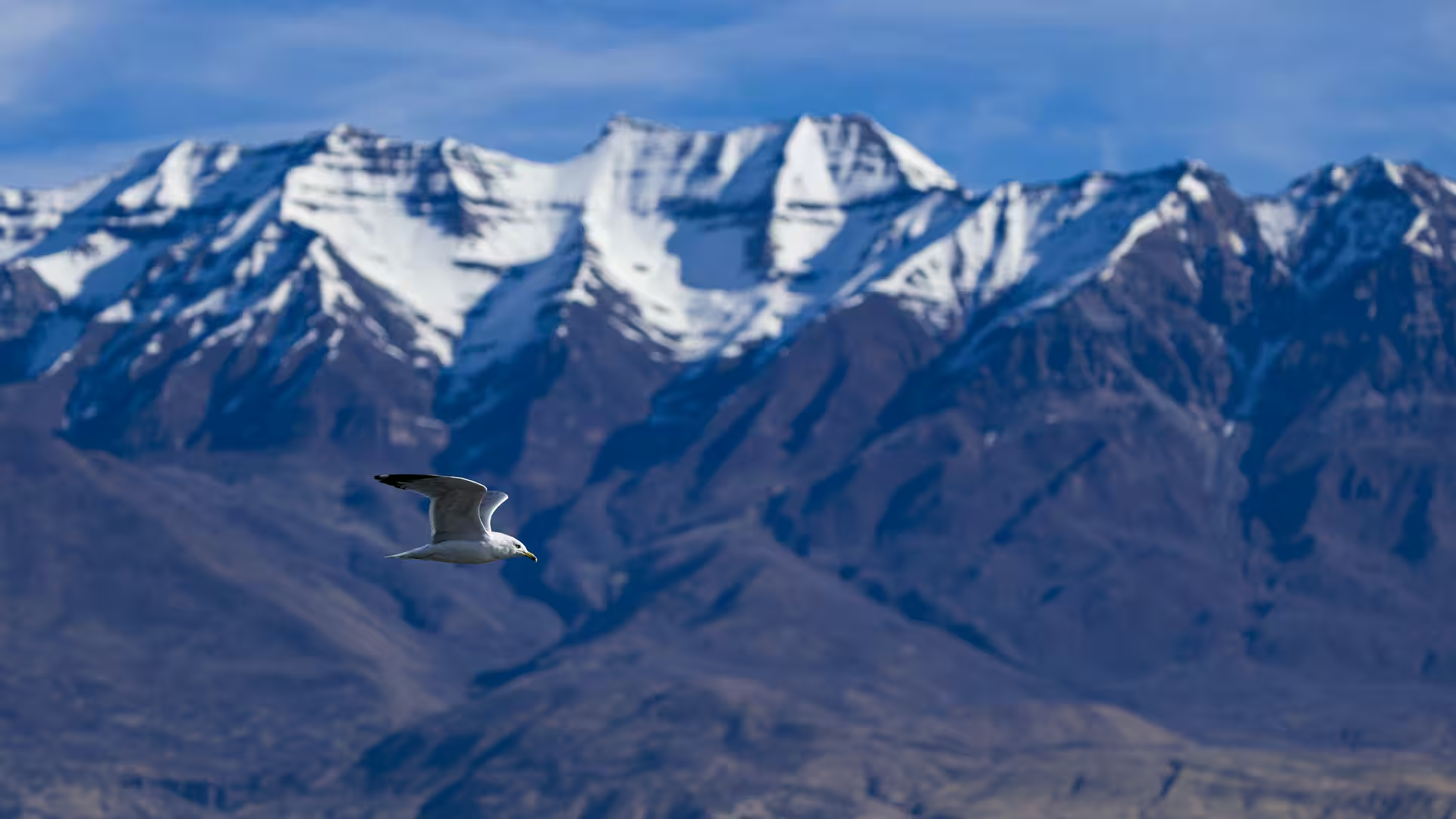
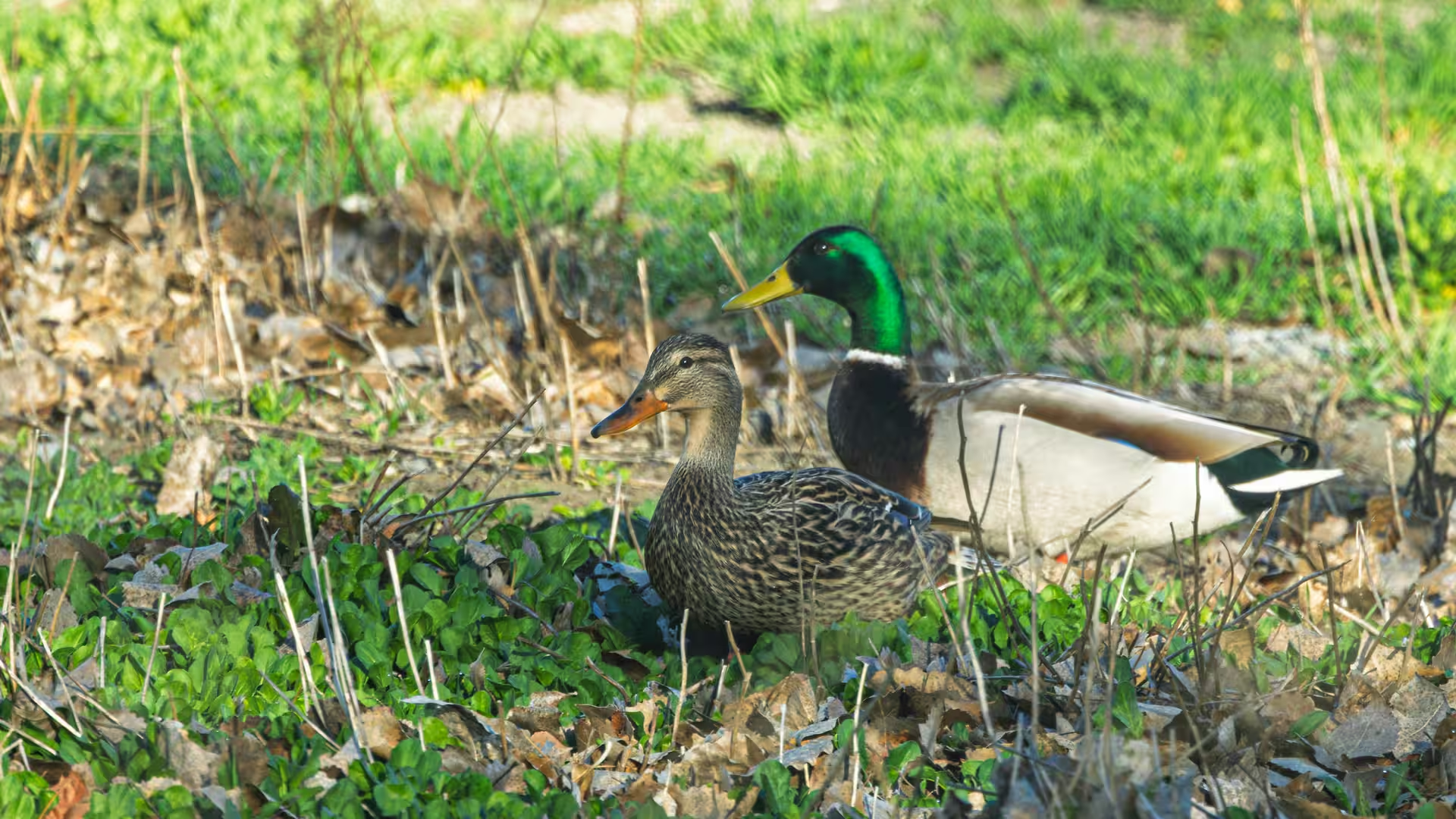
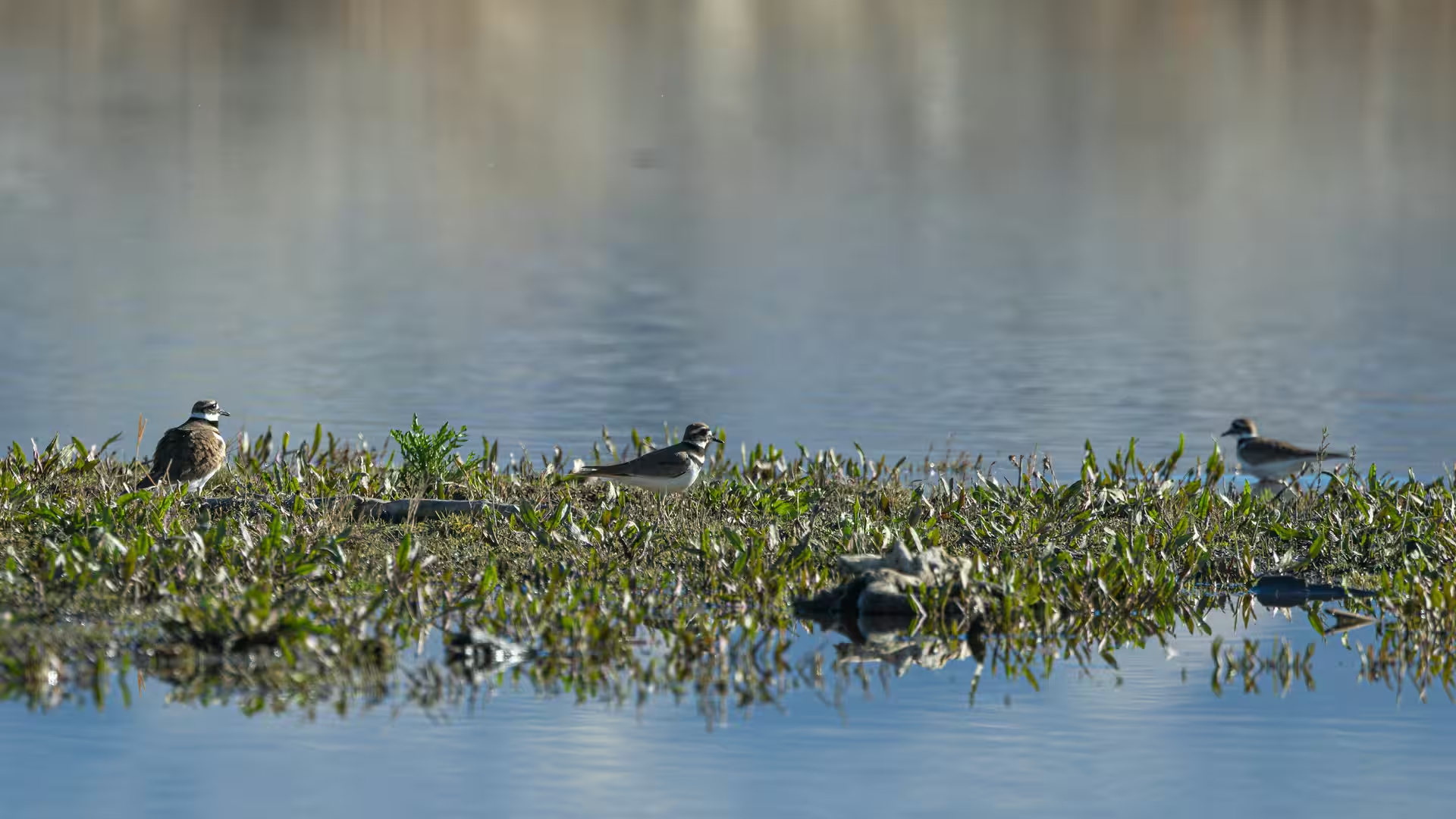
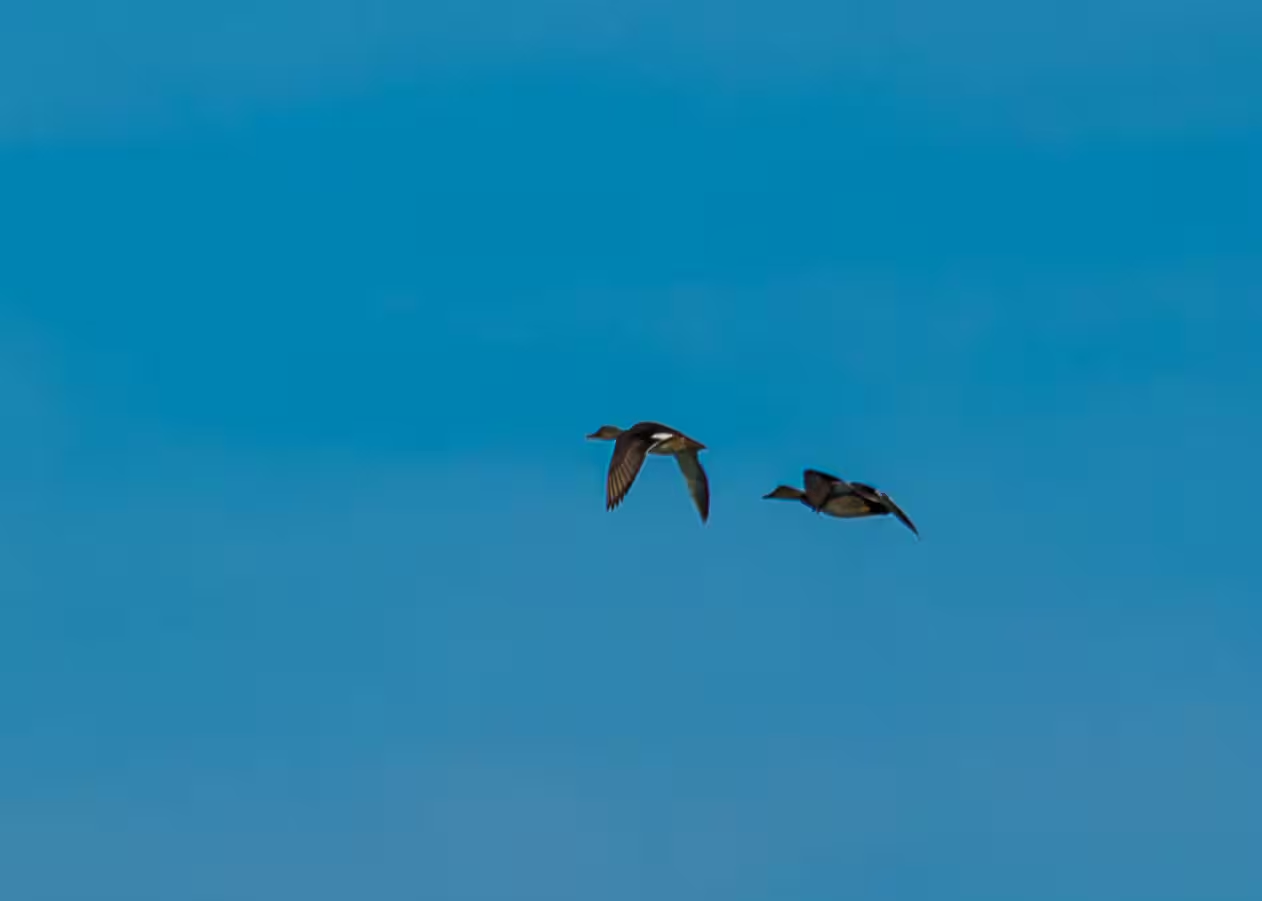
Throughout the walk, we saw a great mix of familiar and memorable birds—Canada Geese along the shoreline, Cinnamon Teal glowing in the light, Ring-billed Gulls moving overhead, and small songbirds like chickadees and sparrows working through the trees. One late surprise came during photo review afterward: a pair of Gadwalls flying overhead. The subtle white wing patch tipped me off that these weren’t Mallards, and a quick check with Merlin helped confirm the ID. As usual, we didn’t see every target—but we found plenty of unexpected extras along the way.
But more important than the list was how we engaged with them. We paused more. We asked better questions. We looked longer.
Trip Photo Highlights
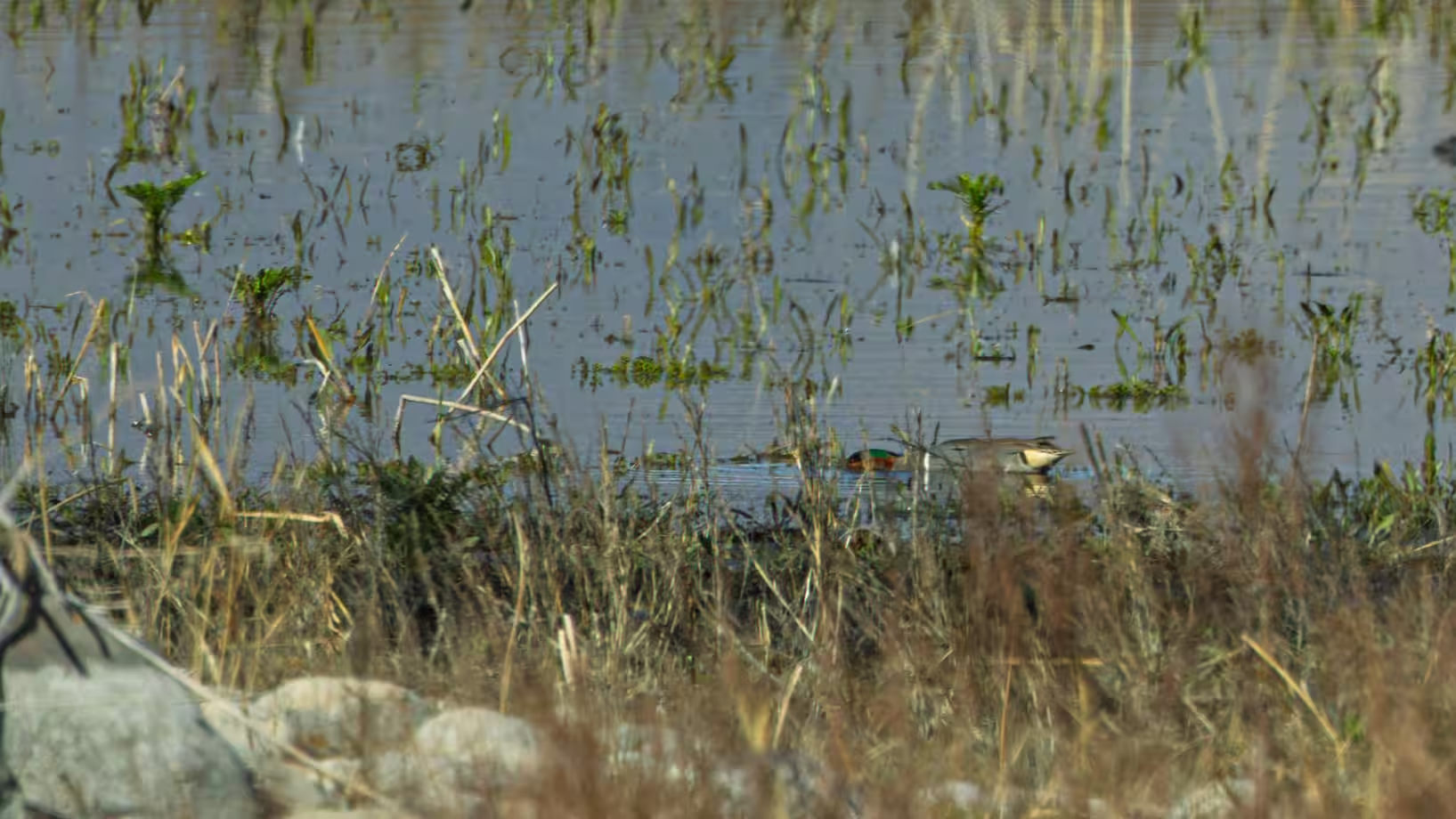
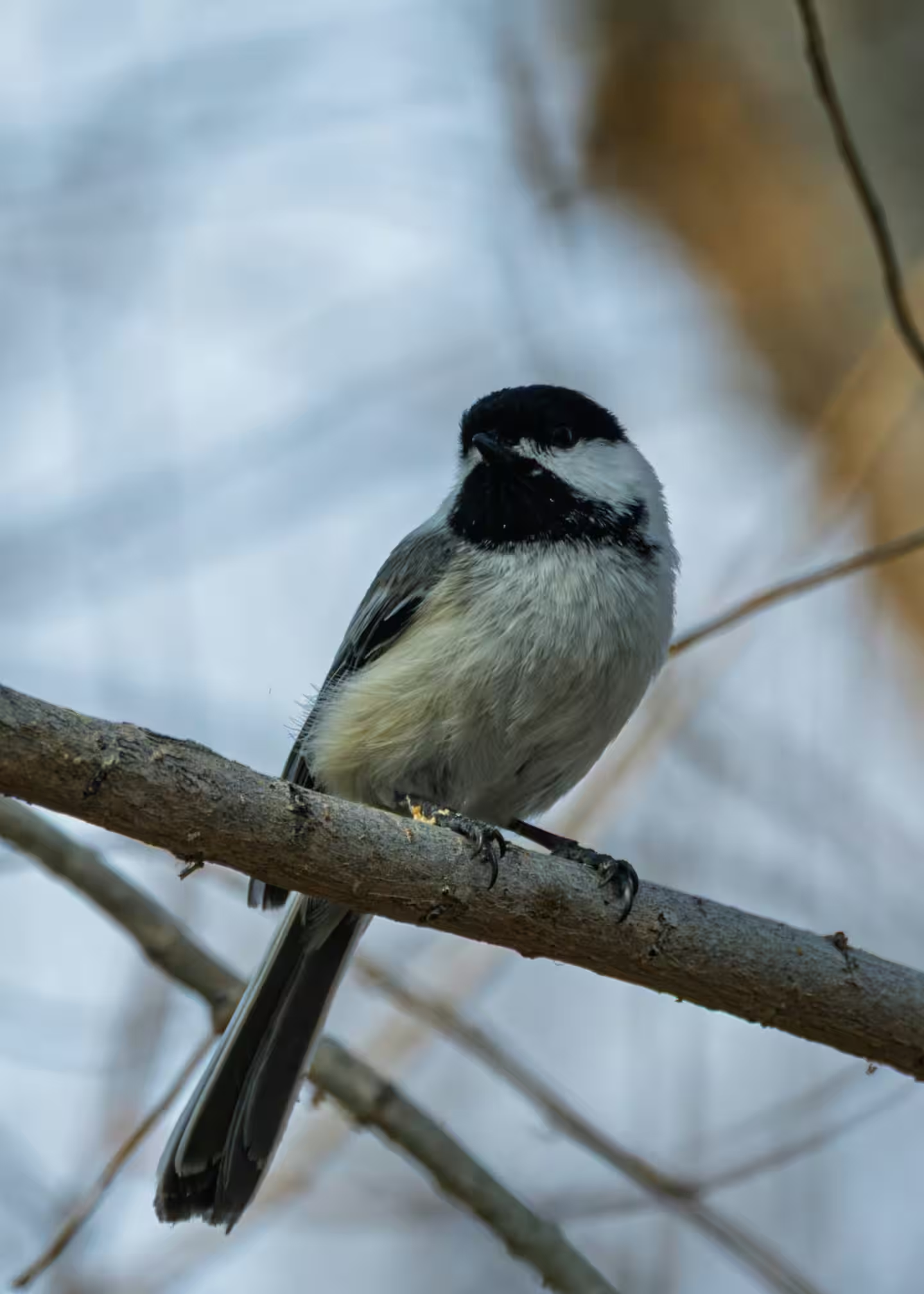
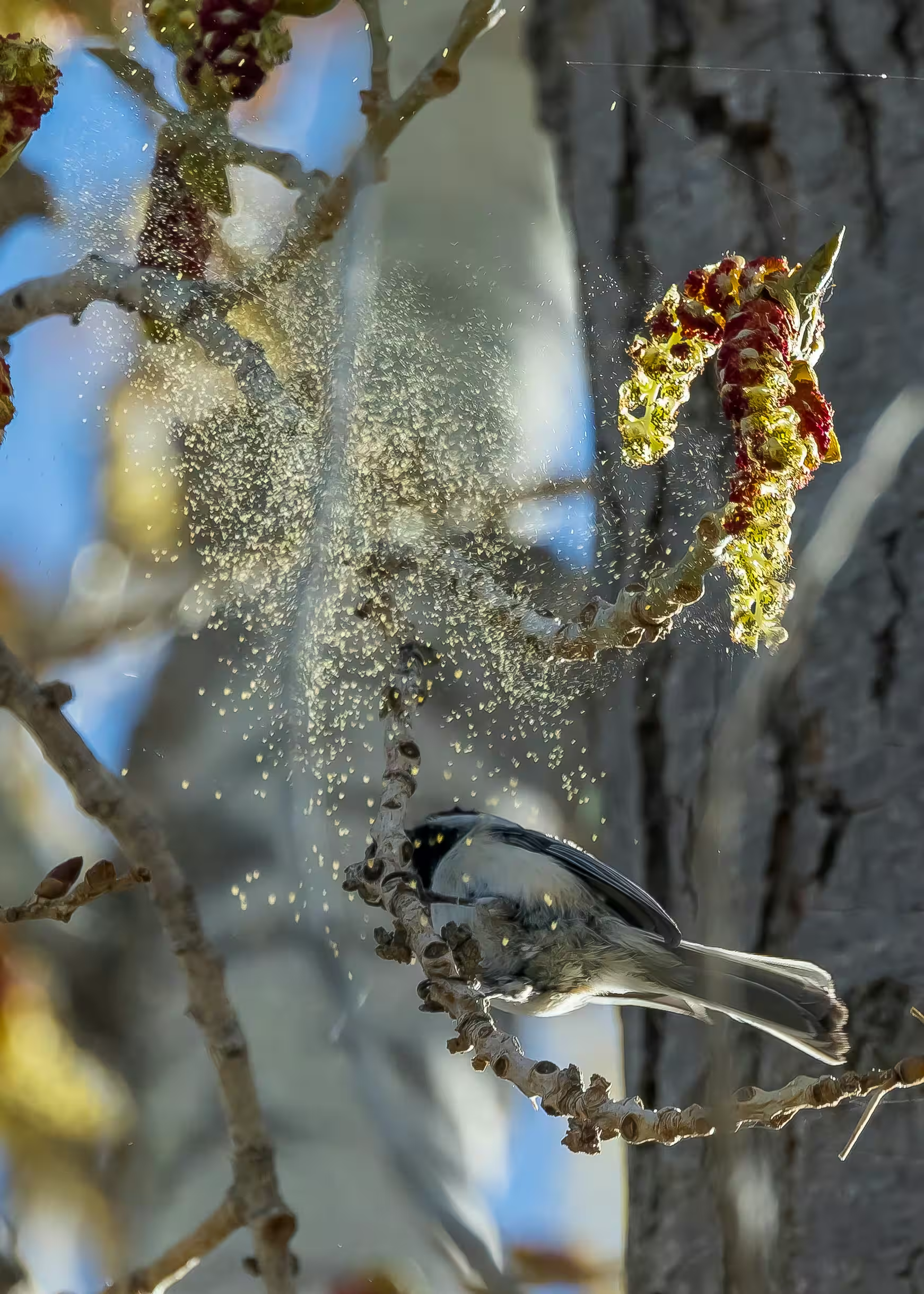
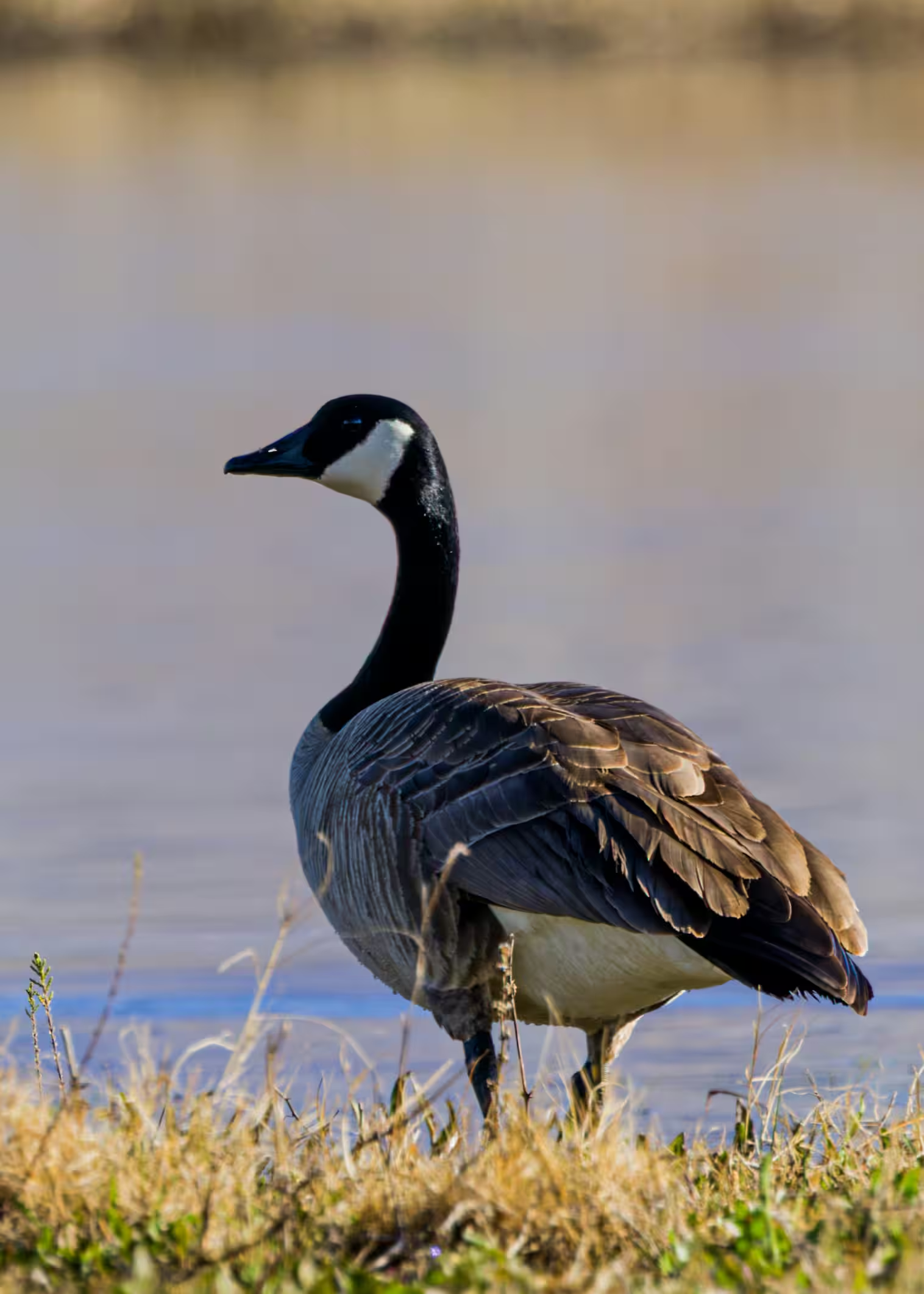
Why This One Mattered
This wasn’t just a bird walk—it was a shared experience.
We had kids leading discoveries, families learning together, and people using tools like Merlin in real time. It felt less like a guided tour and more like a group figuring things out together.
That’s when birding really starts to click.
One of the most meaningful moments for me personally was reconnecting with the woman who originally inspired FeatherQuest Discovery. Seeing her back this year—and being able to hand her a copy of the book—felt like things coming full circle. What started as a simple conversation has now become something others can step into.
Because noticing is the first step—and once you see it, you start to see everything differently.
If you’re just getting started—or looking for a simple way to go deeper—FeatherQuest Discovery is built for exactly this kind of experience. It’s a way to turn a walk like this into your own adventure.