
Woodpeckers
Rhythm, structure, and life in the trees.
How to Notice Woodpeckers
Where to Find Them
Woodpeckers are tied to trees—but not just any trees. Look along forest edges, older neighborhoods with mature trees, orchards, and especially burned forests where standing dead wood creates ideal feeding habitat. Snags (dead trees) are some of the best places to check.
What to Watch For
Woodpeckers move differently than most birds. Watch how they climb straight up trunks, bracing with stiff tail feathers for support. In flight, many show a bouncing pattern—flap, glide, flap, glide—that feels almost like a wave through the air.
Listen Closely
You will often hear a woodpecker before you see it. Drumming is one of the best clues—rapid, hollow bursts on trees, poles, or even houses. Each species has its own rhythm, and once you notice it, it becomes one of the easiest ways to find them.
Explore Further
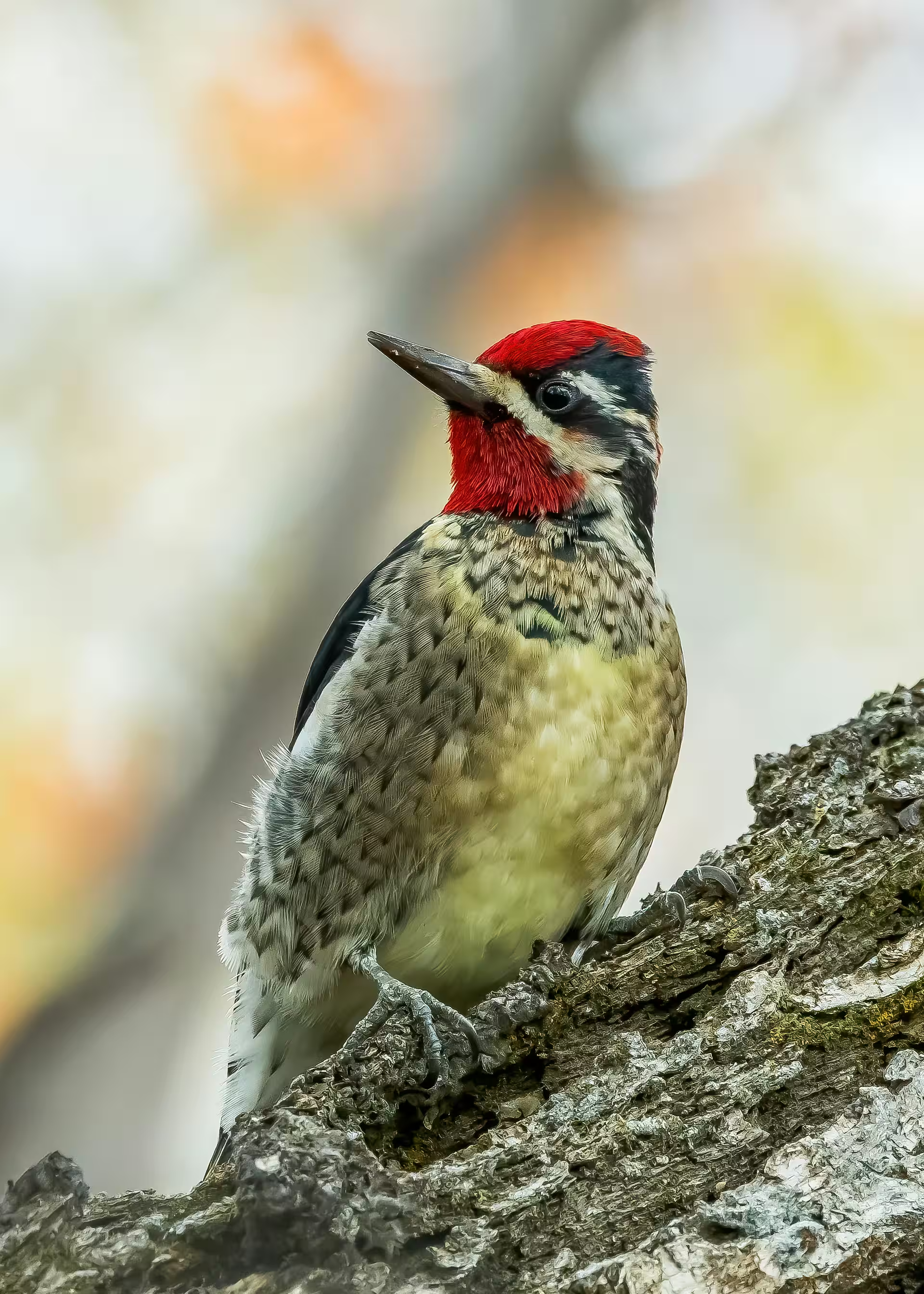
- Northern Flicker (All About Birds)
- ▶️ Downy Woodpecker Drumming (YouTube)
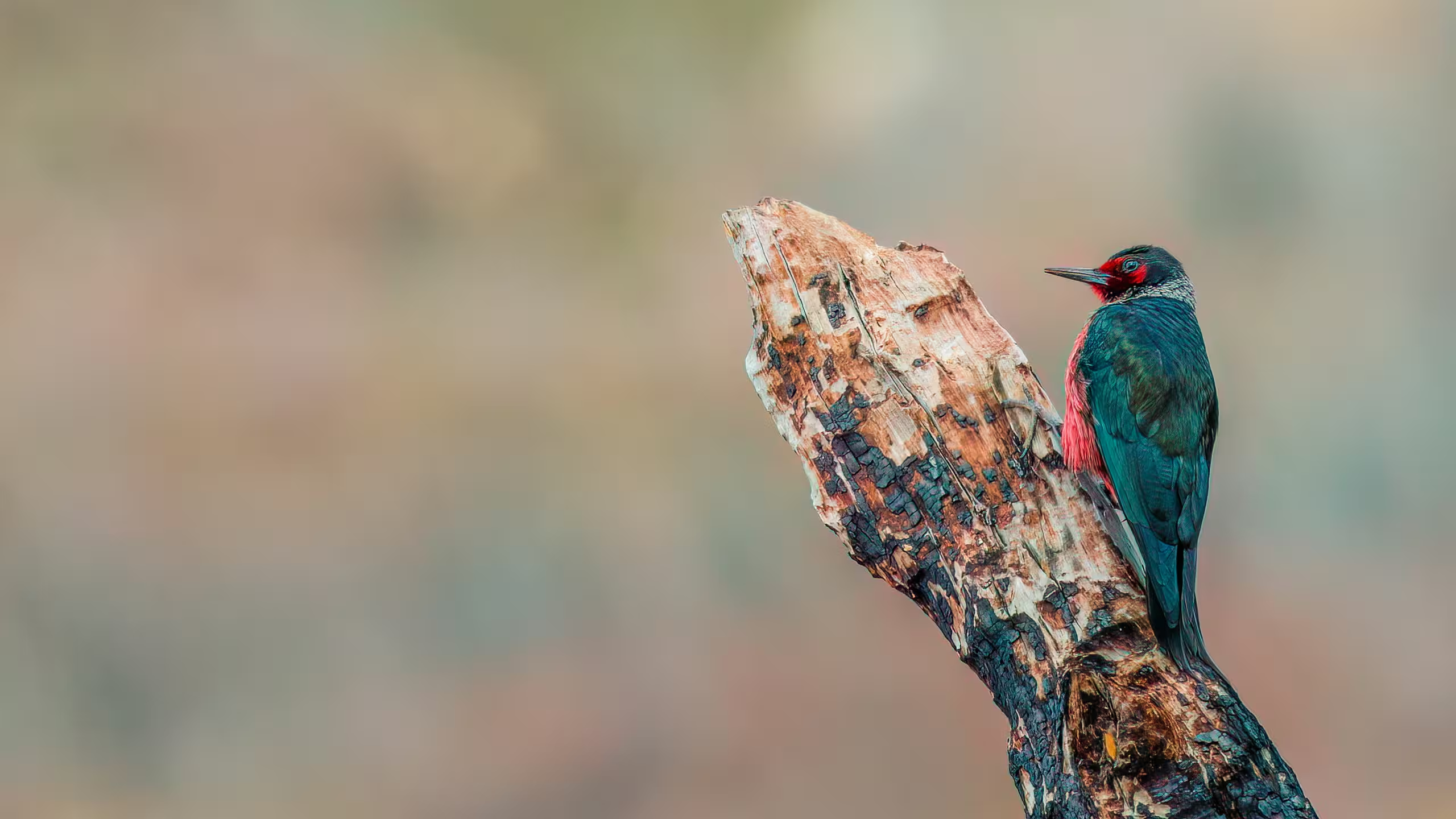
- Lewis’s Woodpecker Guide (All About Birds)
Woodpeckers
Woodpeckers are one of the most unique bird families you will come across. Everything about them feels specialized—the way they move, the way they sound, and even the way they are built.
Their climbing style is instantly recognizable. Instead of hopping along branches, they move vertically, gripping bark with strong feet and bracing with stiff tail feathers like a third leg. It gives them stability while they search for insects hidden deep inside the wood.
Then there is the sound. Drumming is not just feeding—it is communication. Woodpeckers use it to claim territory and attract mates, turning trees, poles, and even rooftops into instruments that carry their signal across the landscape.
And once you start noticing them, you realize how much variety there is. From the small Downy Woodpecker in a backyard tree to the bold, colorful Lewis’s Woodpecker in open burned forest, this family covers a wide range of styles and habitats.
Movement, Sound, and Structure
If there is one family where behavior makes identification easier, it is woodpeckers.
Start with flight. Many woodpeckers move in a bouncing pattern—quick flaps followed by a brief glide. Once you lock into that rhythm, it becomes one of the easiest ways to pick them out, even at a distance.
Then watch how they use trees. They rarely move sideways like other birds. Instead, they climb upward in short bursts, pausing to probe bark and wood. That vertical movement, combined with tail-bracing, is a signature look.
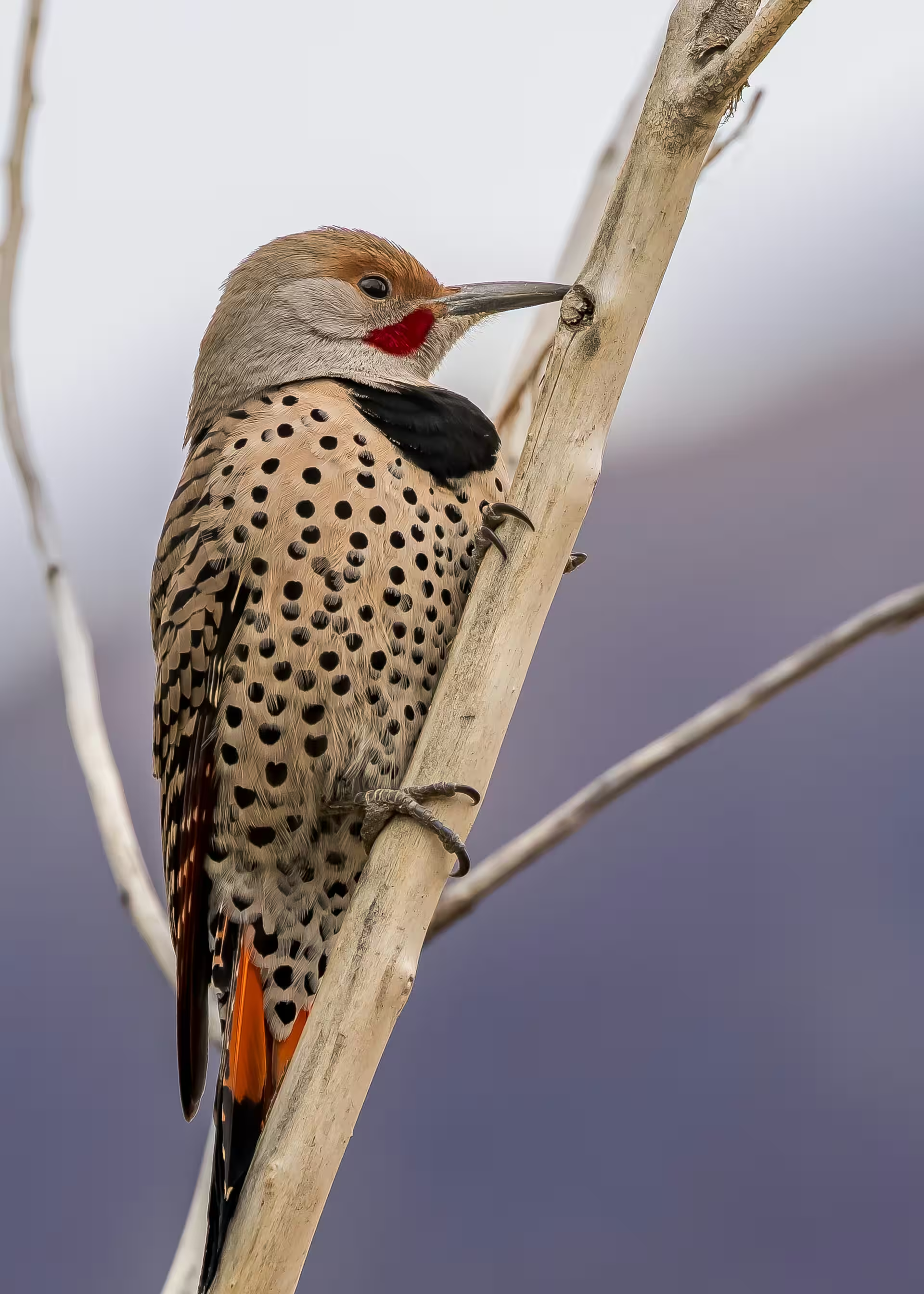
Sound ties it all together. Drumming can echo through a neighborhood or forest, and sometimes the source is surprising—metal gutters, poles, and even stucco walls. Flickers in particular are known to tap on homes, likely attracted to the sound amplification or searching for minerals and insects.
Downy vs Hairy Woodpecker
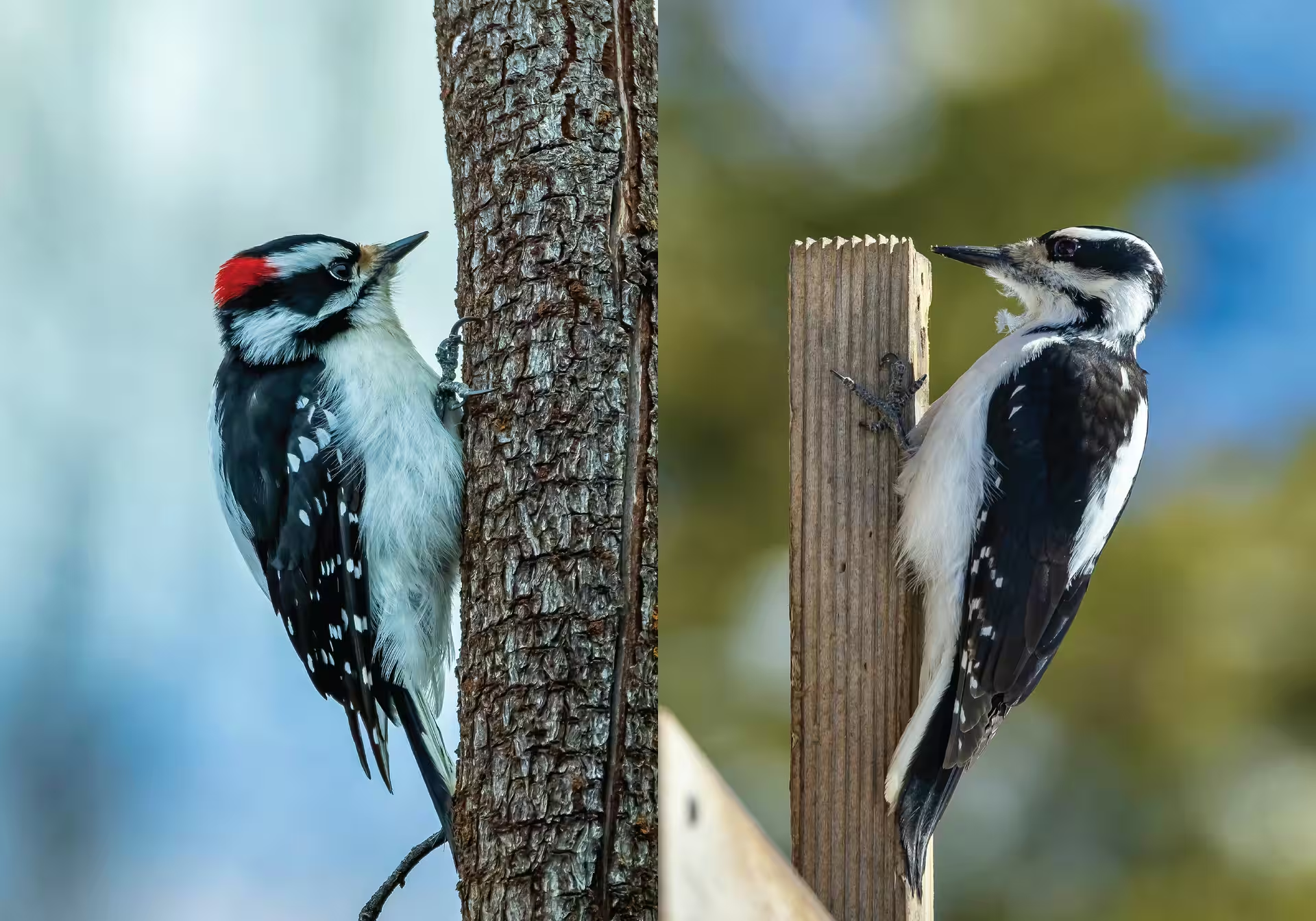
One of the most common identification challenges is telling Downy and Hairy Woodpeckers apart. They look nearly identical at first glance—but there are a couple of reliable clues.
Start with the bill. Downy Woodpeckers have a short, stubby bill that looks smaller than their head. Hairy Woodpeckers have a much longer, chisel-like bill that is about the same length as their head.
Size can help, but it is tricky without a direct comparison. Downy Woodpeckers are smaller overall and more common in neighborhoods. Hairy Woodpeckers are larger and tend to prefer bigger trees and forests.
If you are unsure, go with Downy—it is far more likely in most backyards.
Utah Edition Endcap
Want to keep exploring? You can read more Guides or join the FeatherQuest updates to hear when new ones go live.