
Warblers
Tiny birds, bright songs, and spring migration magic.
Table of Contents
How to Notice Warblers
Where to Find Them
Look for warblers in leafy places: cottonwoods, willows, aspens, riparian corridors, mountain forests, and backyard trees during migration. Some stay to breed in Utah, while others are simply passing through on their way north.
What to Watch For
Warblers rarely sit still for long. Watch for tiny birds flicking through leaves, hopping along branches, flashing wing bars, or pausing just long enough for a glimpse of yellow, gray, black, or olive.
Listen Closely
Warblers often announce themselves before they reveal themselves. Their songs drift from trees and thickets throughout spring, and learning even a few common voices can help turn hidden movement into a bird you can actually find.
Explore Further
- ▶️ Northern Yellow Warbler Feeding a Fledgling (FeatherQuest)
- Yellow Warbler Guide (All About Birds)
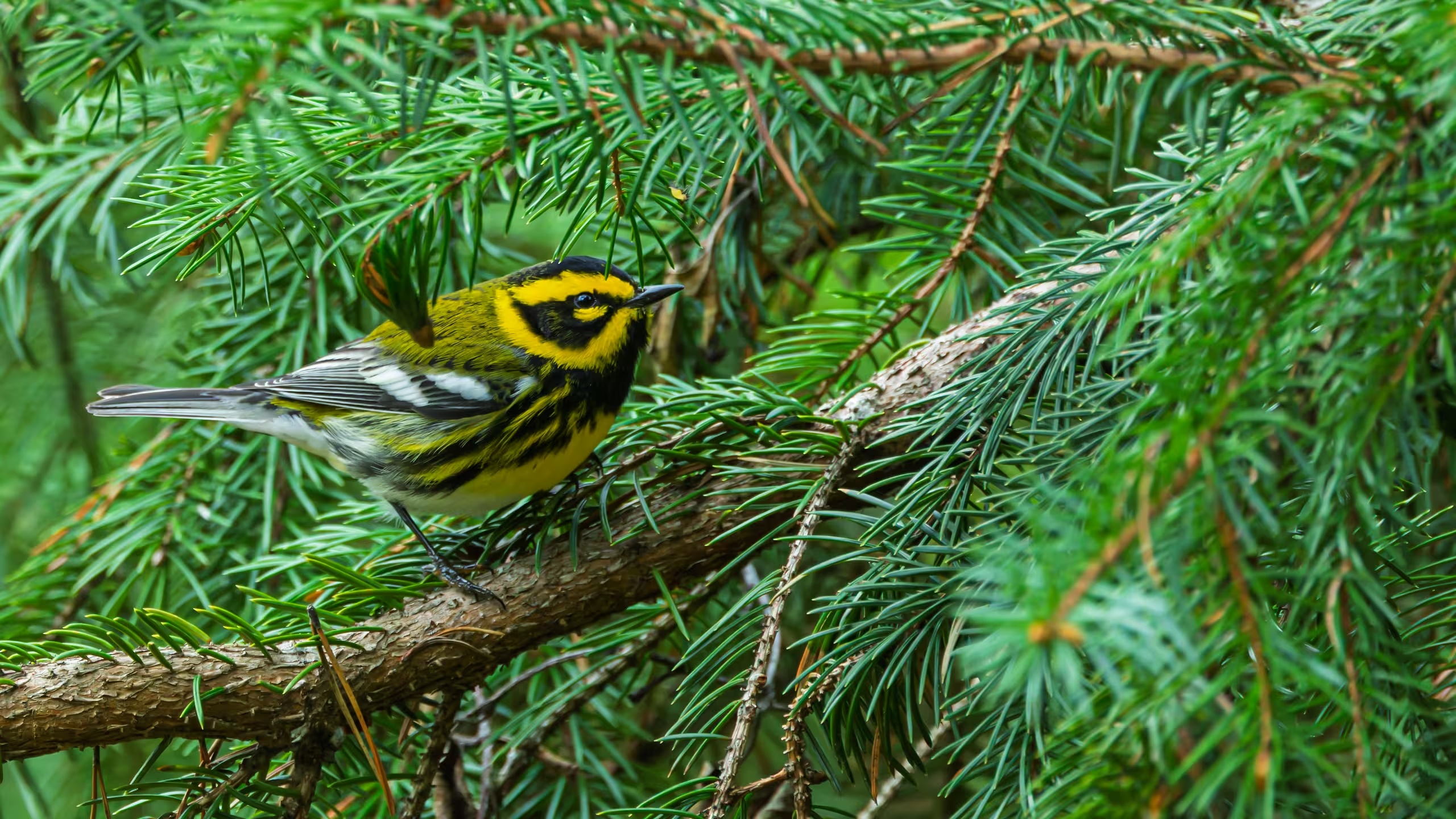
- Townsend's Warbler Guide (All About Birds)
Warblers
Warblers are tiny, colorful songbirds that return each spring and fill Utah’s trees, thickets, and mountain forests with movement and song. They can feel almost electric—there one second, gone the next, flicking through leaves just out of reach.
In some ways, warblers are not quite as tricky as sparrows. Many are brighter, more musical, and easier to get excited about. But their variety of shades, quick movement, and habit of lurking in the shadows of large trees can make them just as challenging—and sometimes even more difficult.
That is part of the fun. Warblers ask you to slow down, listen carefully, and let the trees come alive one small movement at a time.

Masters of Migration
Many of Utah’s warblers are most noticeable during migration. They may pause in a canyon, backyard, park, or patch of willows for only a short window before continuing farther north.
That briefness makes spring warbler season feel special. You are not just seeing a bird in a tree—you are catching one moment in a much larger journey between wintering grounds and breeding territories.
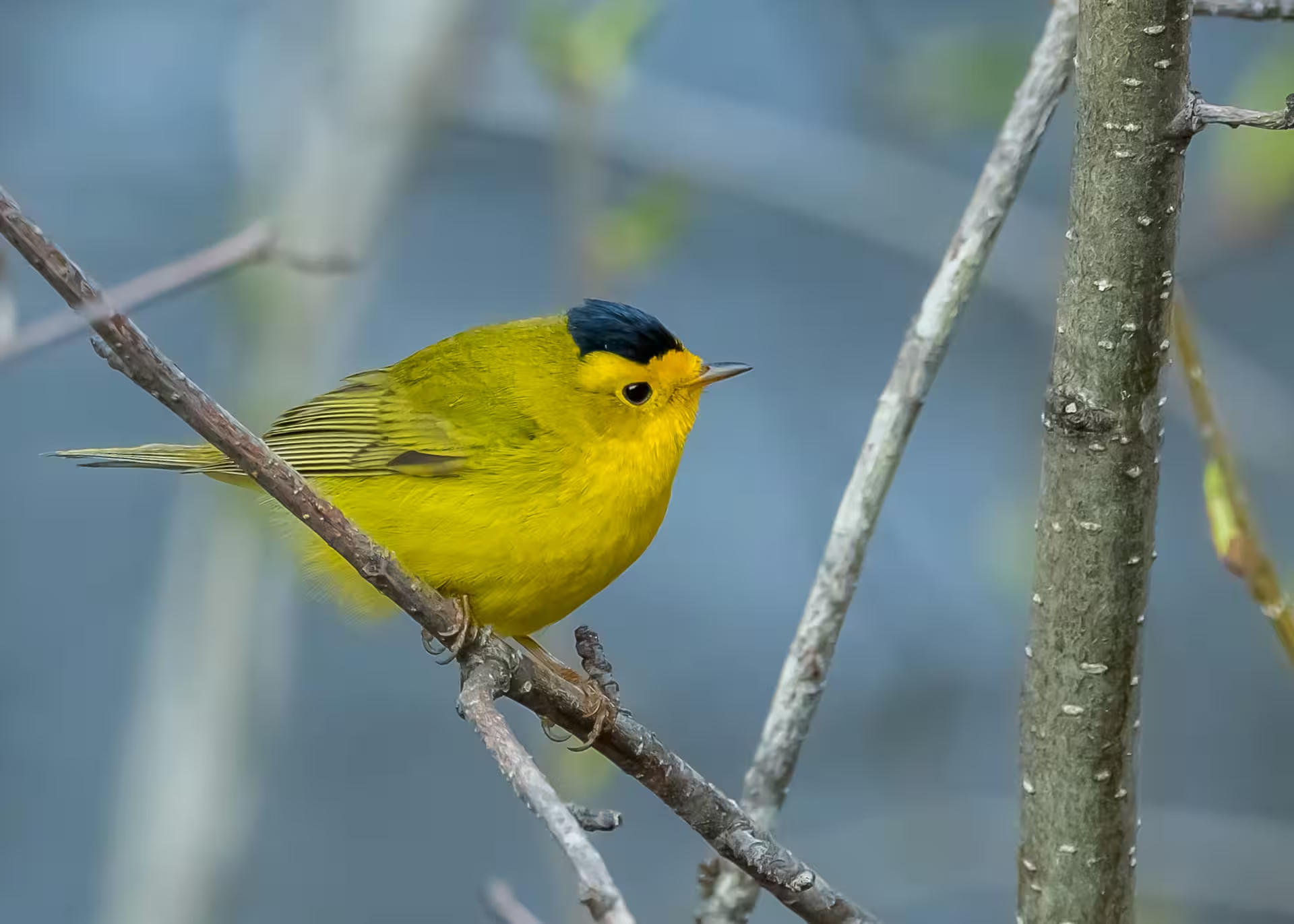
Wilson’s Warblers are a great example. Small, bright, and active, they can suddenly appear in leafy cover during migration, moving quickly as they search for insects.
The Year-Round Exception
While many warblers pass through Utah or arrive for the breeding season, the Yellow-rumped Warbler is different. It is the one warbler you are most likely to encounter here even in winter.
Yellow-rumped Warblers are hardy and flexible. When insects become harder to find, they can rely more heavily on berries and other foods, which helps them survive colder seasons that many warblers avoid.
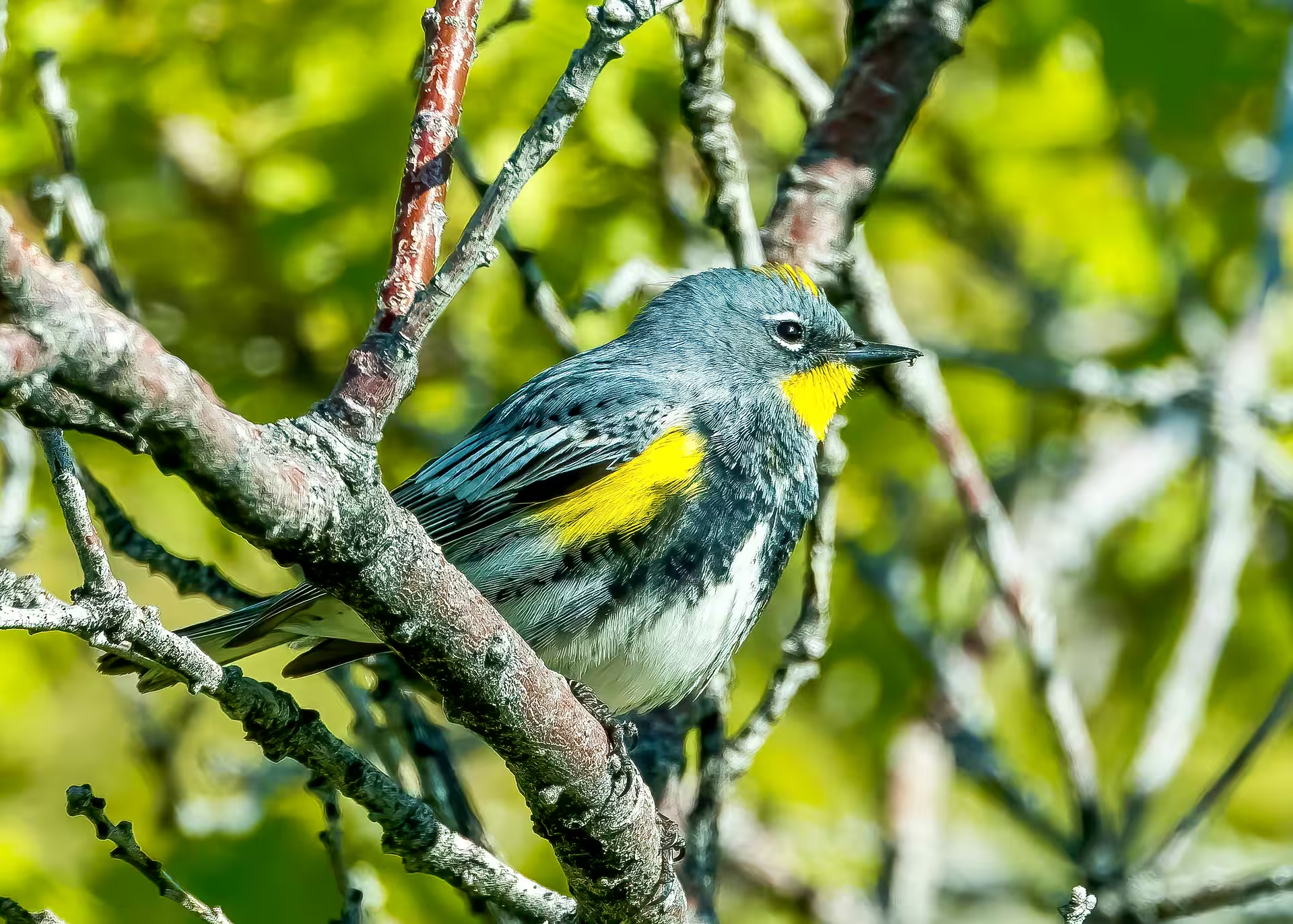
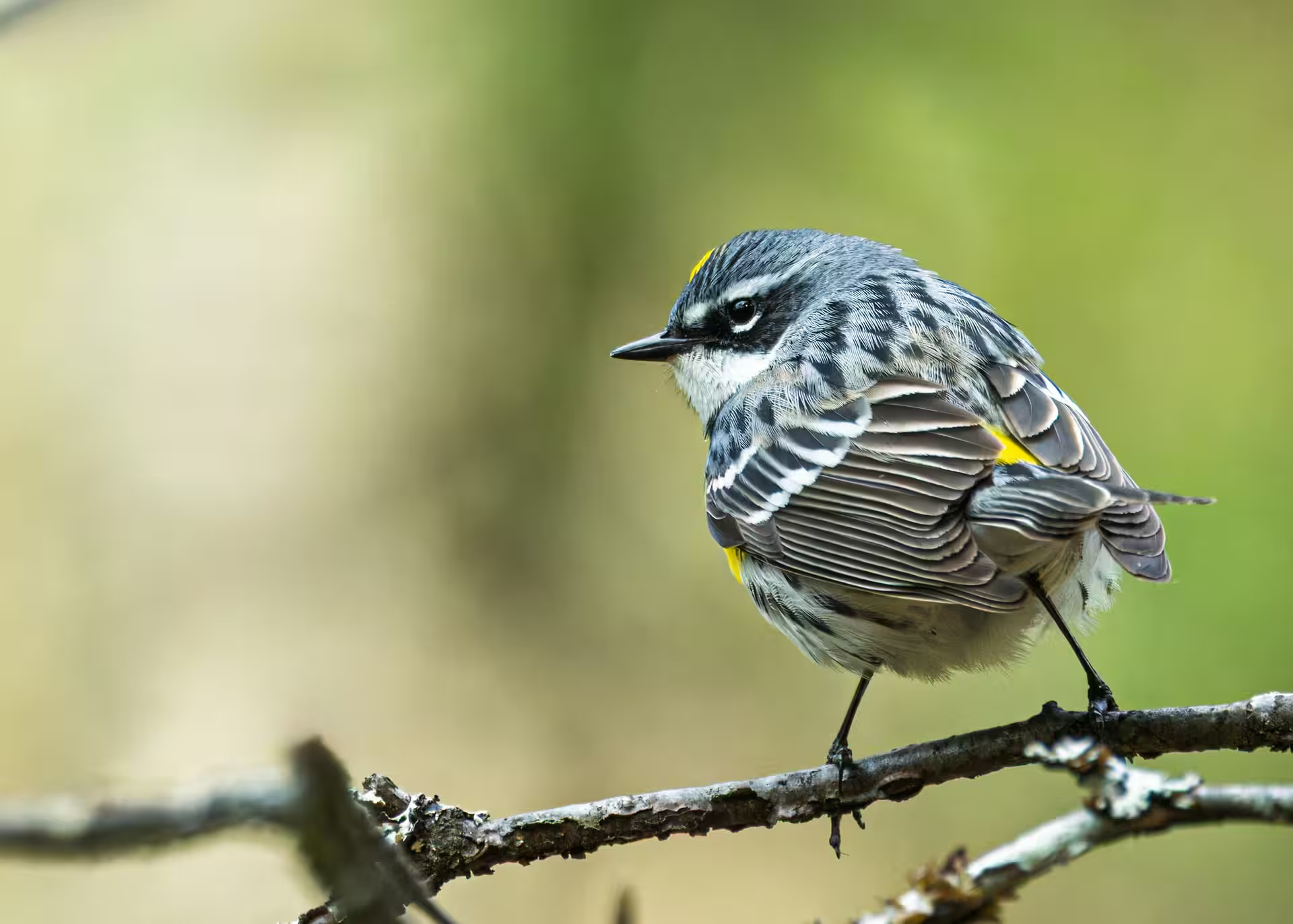
For many Utah birders, this is the first warbler that starts to feel familiar. Most of the Yellow-rumped Warblers seen in Utah are the western Audubon's form, recognized by its yellow throat. During migration, however, northern Myrtle Warblers occasionally appear as well, showing a white throat and bolder black-and-white facial pattern. Together they offer a fun reminder that sometimes the challenge is not identifying the species—it's noticing the details within it.
Looking Beyond Yellow
When people first hear the word warbler, it is easy to imagine a tiny yellow bird. And yes—many warblers are yellow. But Utah’s warblers also come in olive, gray, black, white, orange, and subtle combinations that can be surprisingly tricky.
That is where field marks start to matter. Look for eye-rings, face patterns, wing bars, throat color, tail flashes, and the way each bird moves through cover. Sometimes the best clue is not one bold color, but the whole pattern working together.
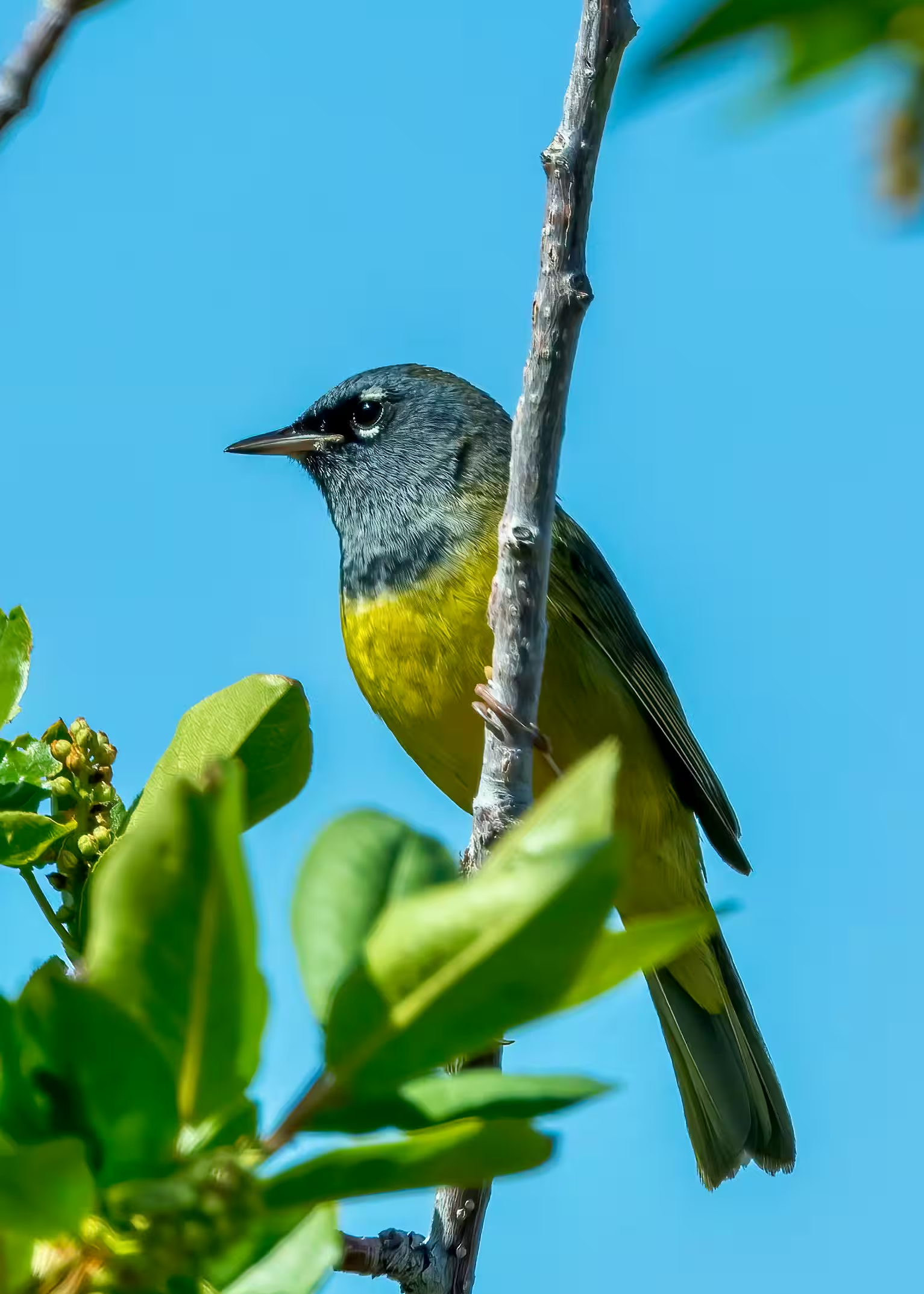
MacGillivray’s Warbler is a perfect example. It has yellow underneath, but the gray hood and broken white eye-arcs give it a very different feel from the classic bright yellow warbler image.
Northern Yellow Warbler
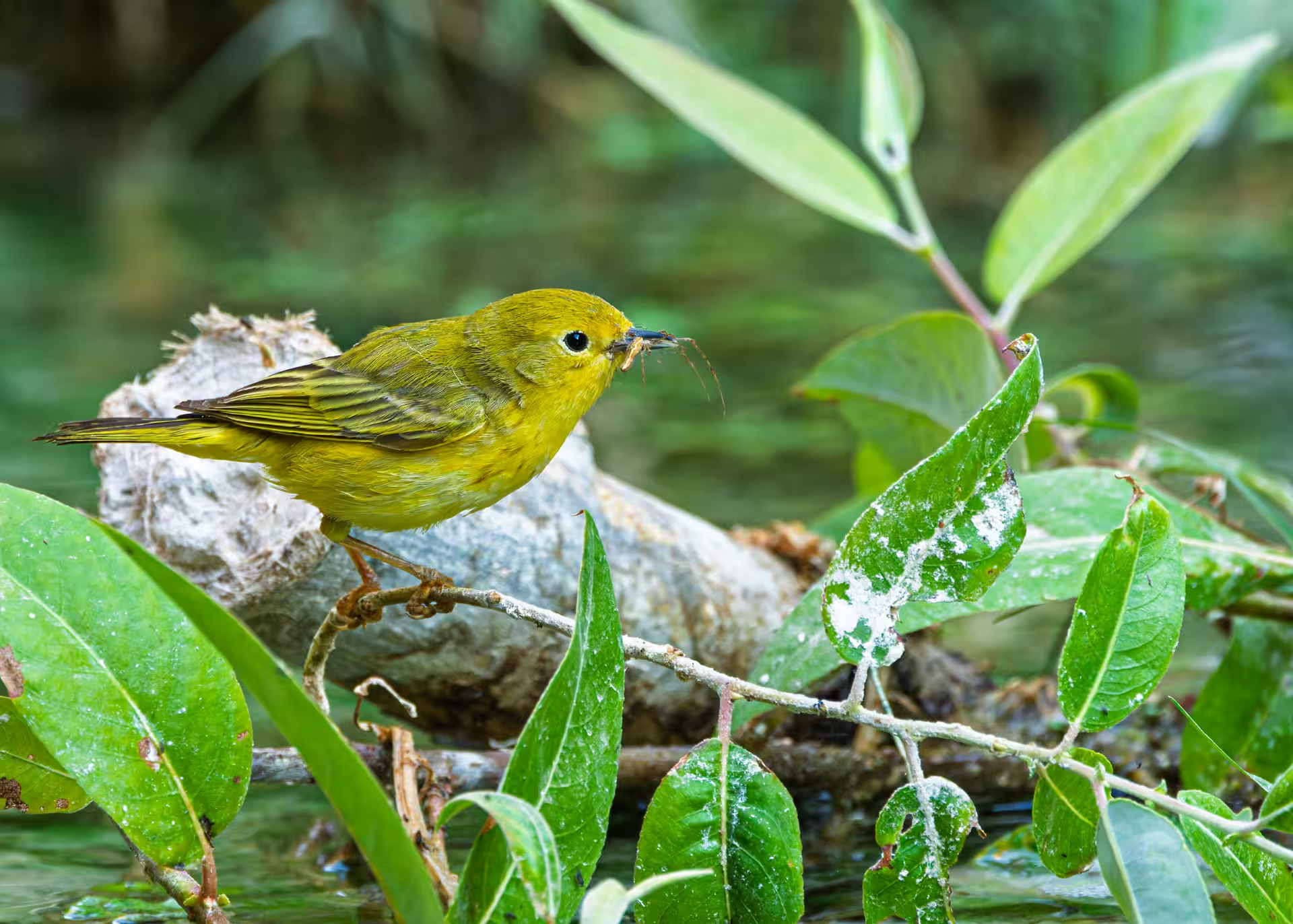
The bird many of us grew up calling simply the Yellow Warbler is now formally known as the Northern Yellow Warbler. The name changed because researchers split the broader Yellow Warbler group into more distinct species, separating the northern breeding birds from closely related forms such as the Mangrove Warbler.
For Utah birders, the familiar bird is still the same bright yellow songbird moving through willows, cottonwoods, and wet thickets. Most people will probably keep saying “Yellow Warbler” in casual conversation, but the updated name helps reflect the bigger story of how these birds vary across the Americas.
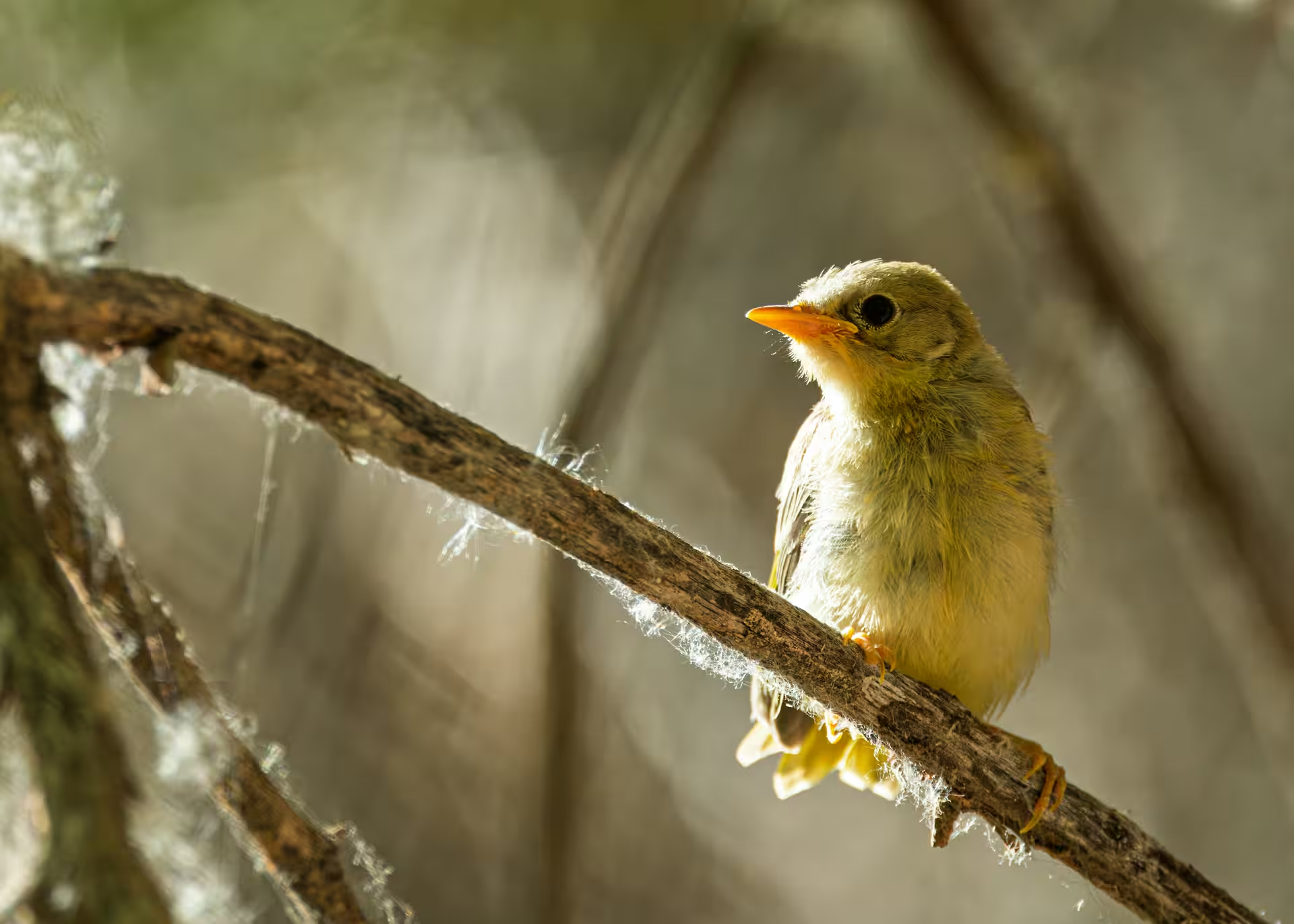
And that bigger story eventually comes back to a very simple moment: a parent feeding a youngster in the branches. Migration, song, territory, and color all lead toward the same goal—raising the next generation.
Utah Edition Endcap
Want to keep exploring? You can read more Guides or join the FeatherQuest updates to hear when new ones go live.