

Thrushes
Early risers, mountain singers, and birds with voices that linger.
Table of Contents
How to Notice Thrushes
Where to Find Them
American Robins are nearly everywhere—yards, parks, fields, and neighborhoods. Other thrushes often pull you higher or deeper into foothills, mountain forests, and wooded riparian areas.
What to Watch For
Watch for upright posture, round bodies, alert eyes, and birds hopping on the ground for worms, insects, and berries. Bluebirds often perch more openly in mountain meadows and open edges.
Listen Closely
Robins are among the first birds singing at dawn and often continue into twilight. Hermit Thrush songs feel slower, flute-like, and almost eerie from deep wooded places.
Explore Further
- ▶️ American Robin Sounds (Navarre's Wild Shots)
- Hermit Thrush Song++
- Mountain Bluebird Guide (All About Birds)
Thrushes
This is one of those bird families where the familiar and the mysterious sit right next to each other.
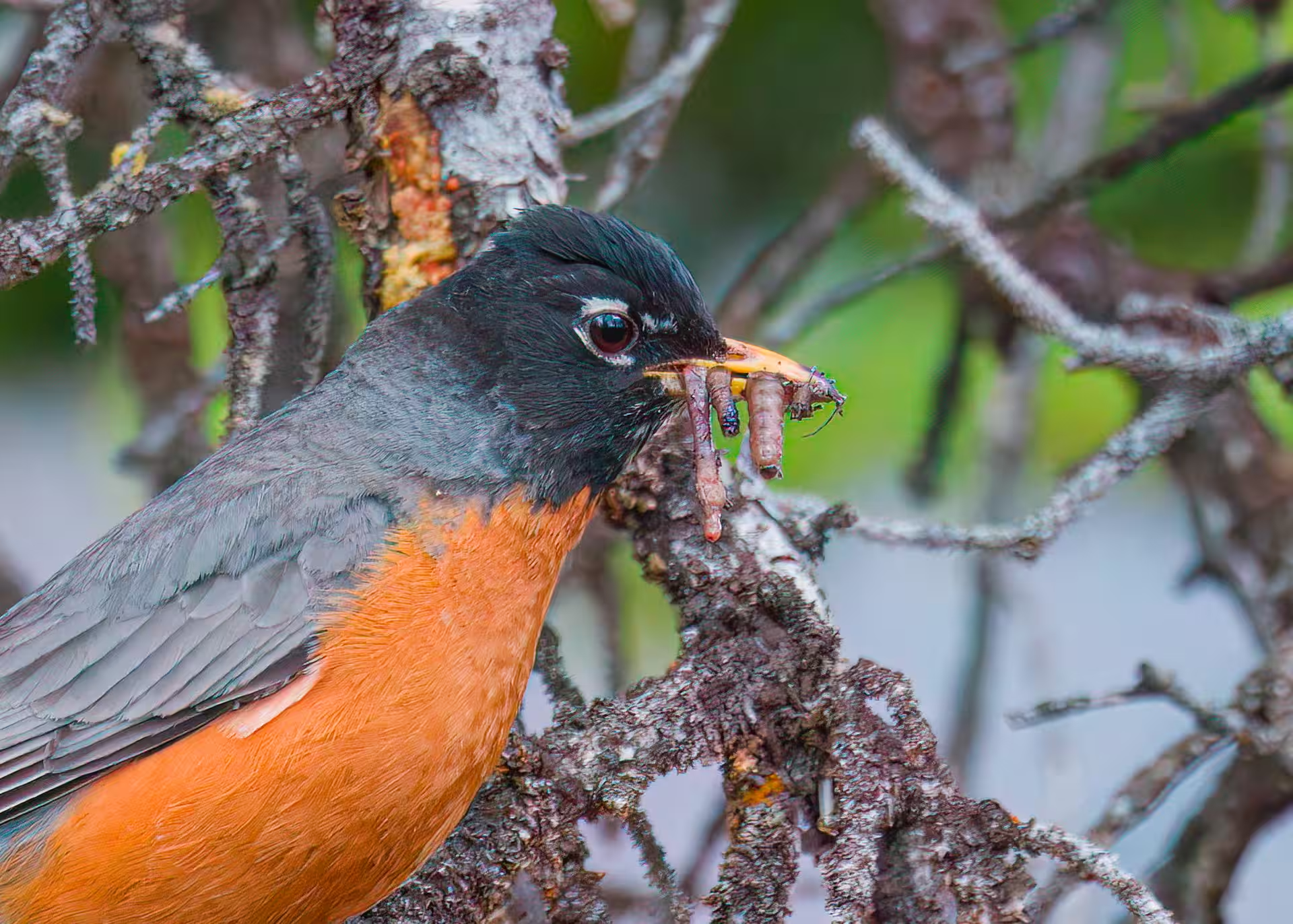
The American Robin may be one of the most recognized birds in North America. It shows up in yards, parks, sidewalks, fields, mountain cabins, and almost anywhere people are paying attention. In spring, robins feel especially present—nesting, hunting worms, carrying food, and filling the edges of the day with song.
But once you realize robins are thrushes, the rest of the family starts to open up. Suddenly the mountain bluebird, Townsend’s solitaire, Swainson’s thrush, and hermit thrush are not just separate birds. They are variations on a deeper pattern—round-bodied birds with expressive eyes, rich voices, and a strong connection to season and place.
Robins have earned their place in the old phrase about the early bird getting the worm.
They are often one of the first voices you hear in the morning, starting before much of the neighborhood has fully woken up. But what stands out just as much is how often they are still going at the other end of the day.
That robin song drifting through twilight is one of the most reliable sounds of spring and early summer. Familiar enough to overlook, but beautiful when you actually stop and listen.
That Impossible Blue
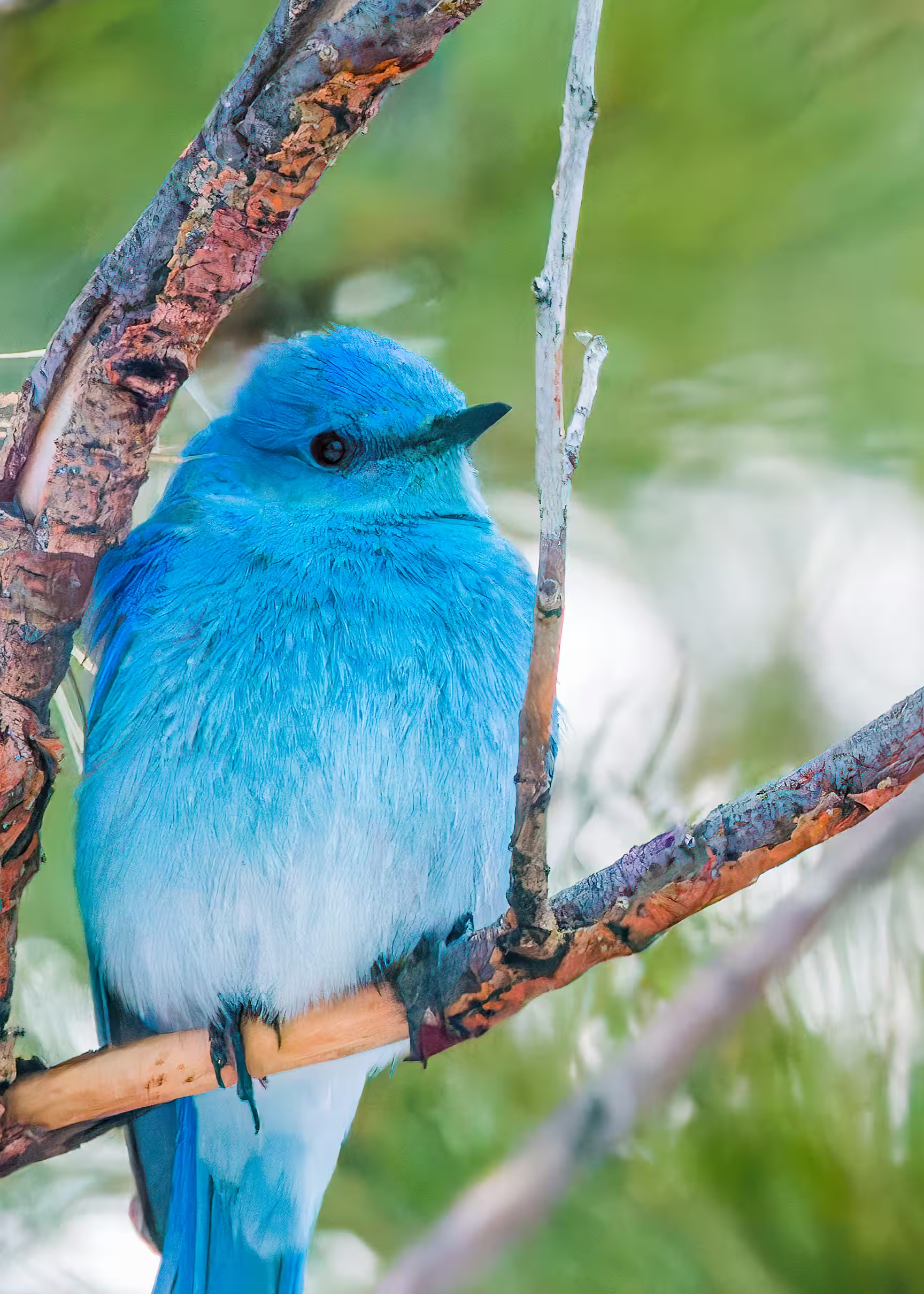
Then there are mountain bluebirds.
When the light hits just right, their color almost doesn’t feel real. It is not the dark blue of a jay or the quick flash of a bunting. It is softer, brighter, and more open—like a piece of sky landed on a fence post.
In Utah, look for them in open mountain country, meadows, sage edges, and higher-elevation spaces where they can perch, scan, and drop down for insects.
A Quiet Family Resemblance
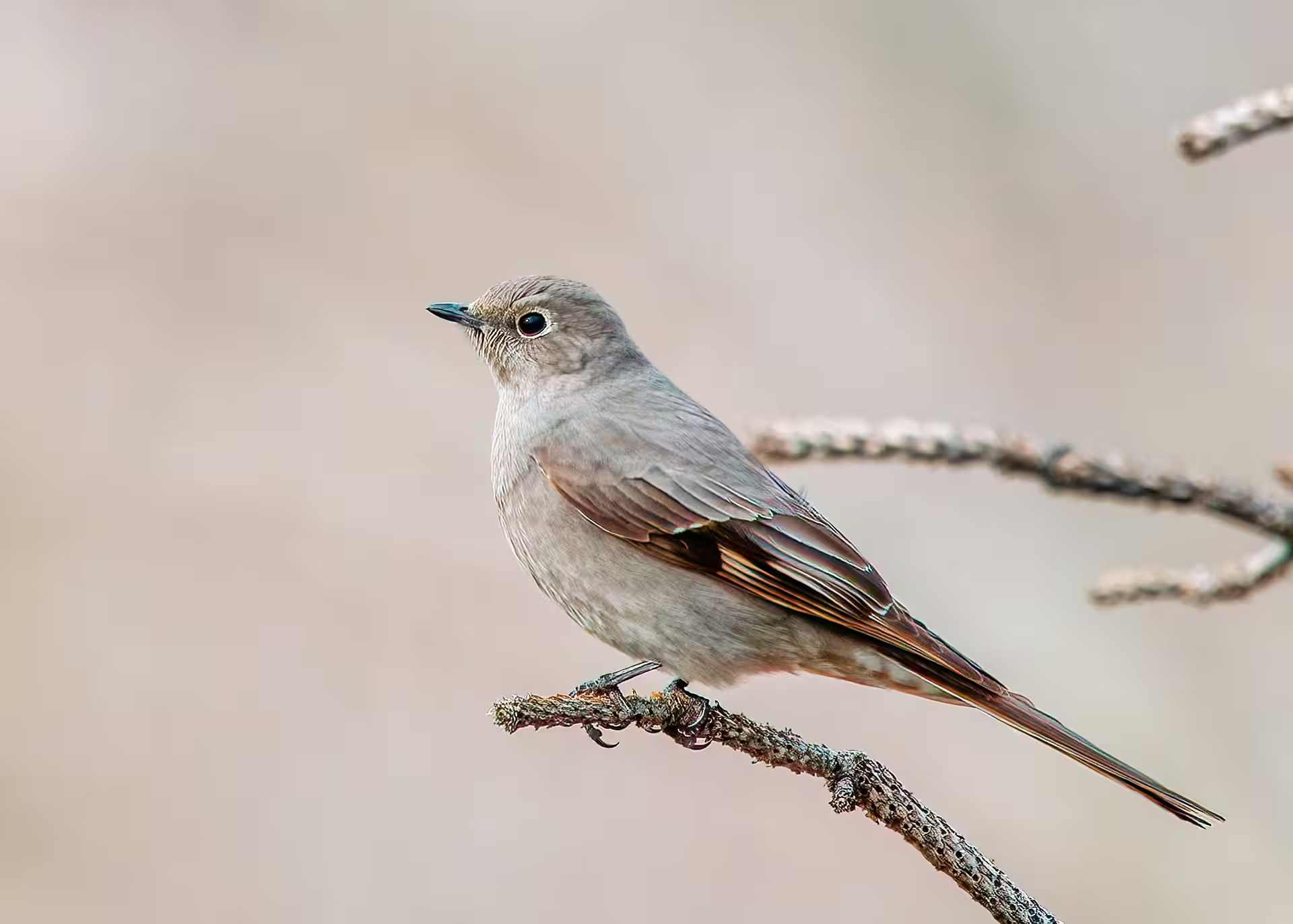
Townsend’s Solitaires can feel plain at first glance—gray, slim, quiet, and often perched alone.
But look closely at the face. That pale eye ring gives away a subtle family resemblance, almost like a quieter echo of the American Robin’s expression.
Many thrushes rely heavily on berries at different times of year, but Townsend’s Solitaires take it to another level—especially with juniper berries. In the right habitat, one bird may guard a berry-rich patch for weeks or even months.
The Flute in the Woods
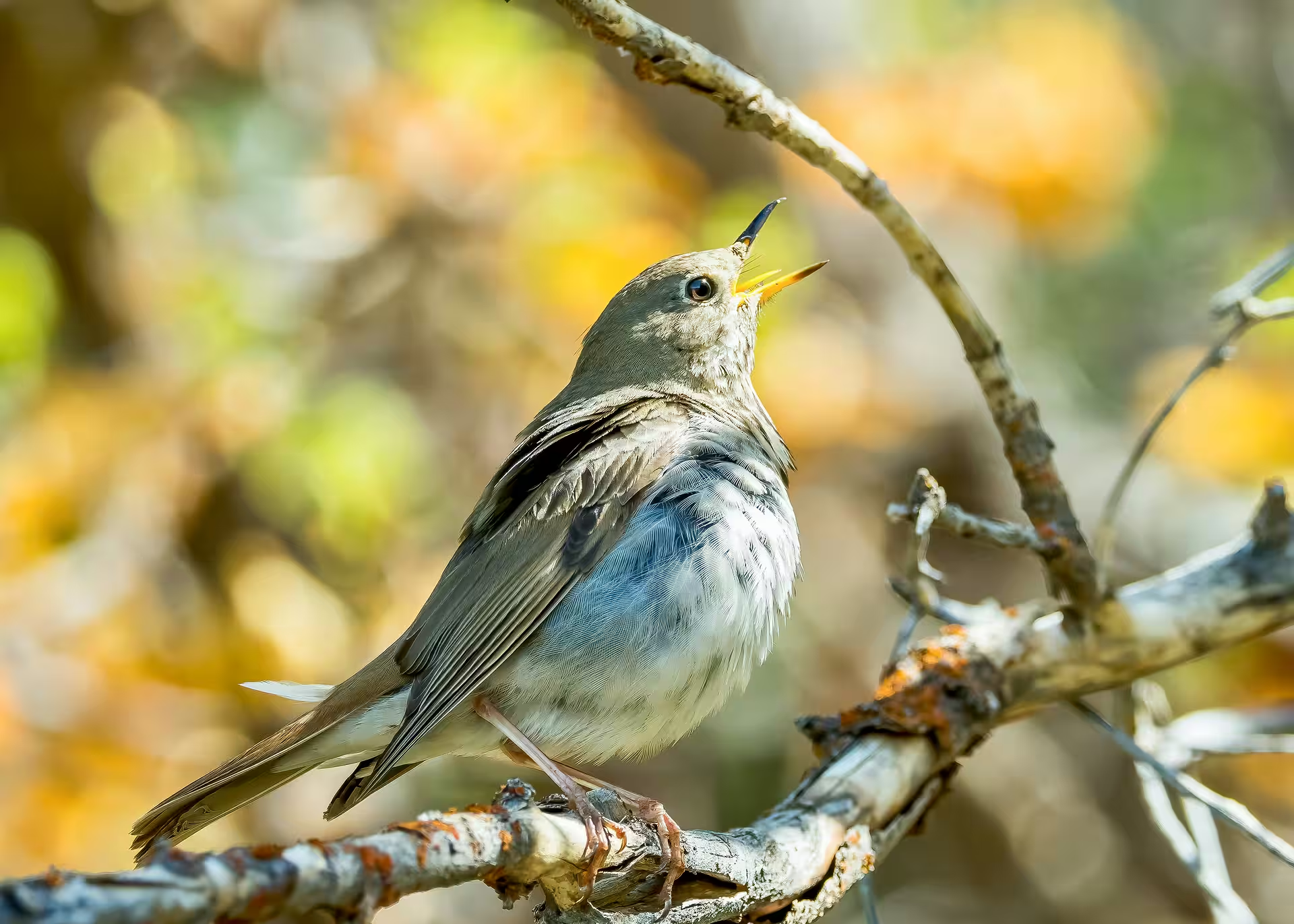
Hermit Thrushes are a different kind of encounter.
You may not see them right away. They often stay low, quiet, and partially hidden in shaded forest. But their song changes the whole place.
It has a hollow, flute-like quality that feels almost eerie coming from deep woods. Once you recognize it, a forest can suddenly feel alive in a new way.
Utah Edition Endcap
Want to keep exploring? You can read more Guides or join the FeatherQuest updates to hear when new ones go live.