
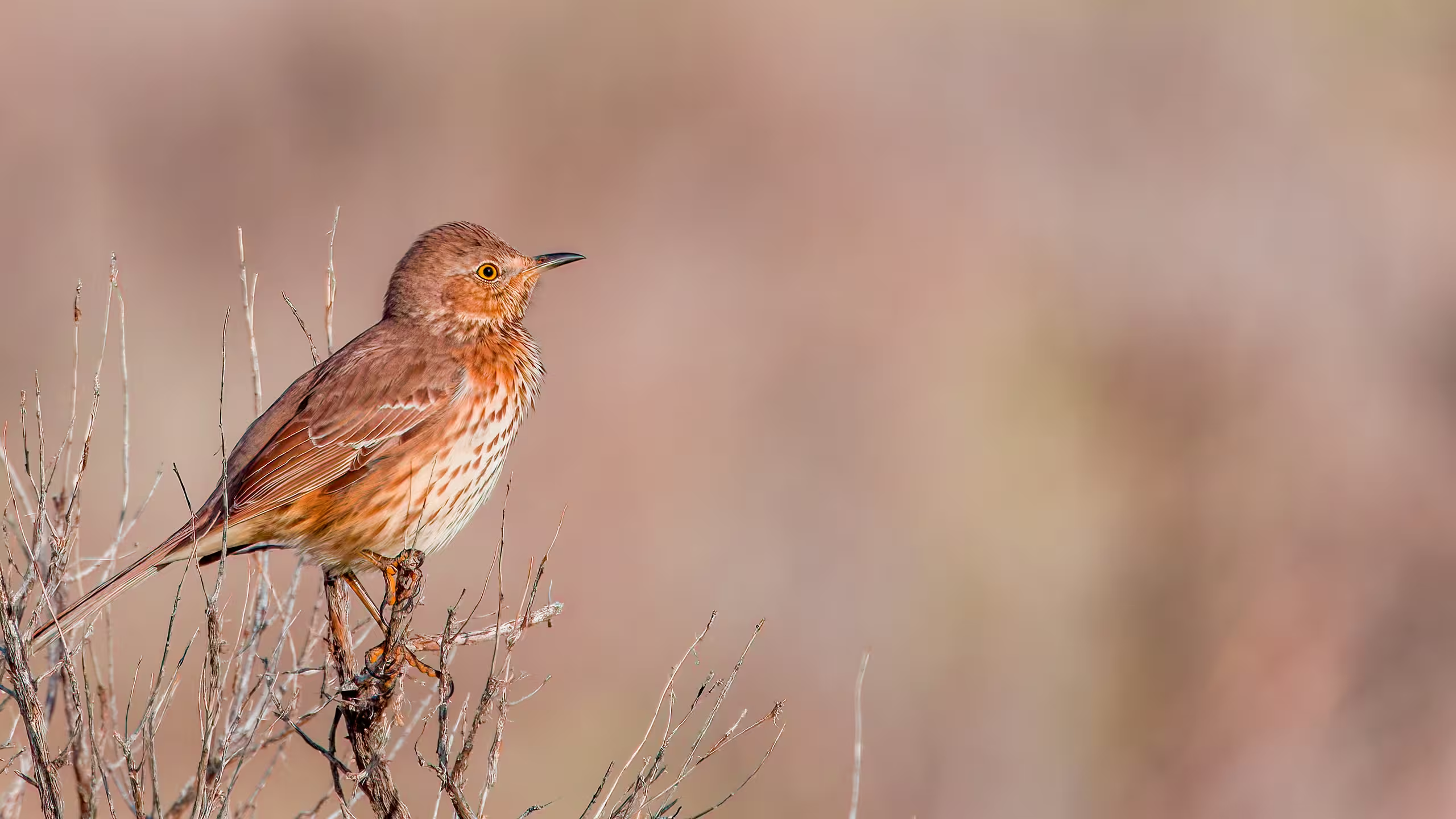
Thrashers
Western songsters of sagebrush, scrub, and thicket
Table of Contents
How to Notice Thrashers
Where to Find Them
This is a habitat-first week. Sage Thrashers require open sagebrush. Catbirds hide in dense thickets. Crissal Thrashers are only found the desert scrub of Washington county. If you’re not in the right habitat, you won’t find them.
What to Watch For
Look for long bodies, expressive eyes, and slightly curved or pointed bills. They often stay low or partially hidden, moving through shrubs rather than perching out in the open.
Listen Closely
You’ll often hear this group before you see them. Long, continuous singing, repeated phrases, and mimicry are key clues. Each species sounds a little different—but all feel expressive and layered.
Explore Further
- Sage Thrasher Guide (All About Birds)
- Gray Catbird Guide (All About Birds)
- ▶️ 5 Facts about Mockingbirds (Badgerland Birding)
Thrashers
This is one of the first weeks where birding becomes intentional. Thrashers are just arriving for breeding season, and they don’t make it easy. You won’t stumble into them—you’ll need to plan for them.
They are extremely habitat sensitive. Sagebrush, desert scrub, thick riparian tangles—each species has its place. When you step into the right environment, everything changes. The sounds shift. The movement changes. And suddenly, they’re there.
You can see their connection in their structure—the eye, the bill, the posture. But more than anything, you feel it in their personality. These are expressive birds. Singers. Mimics. Storytellers of their environment.
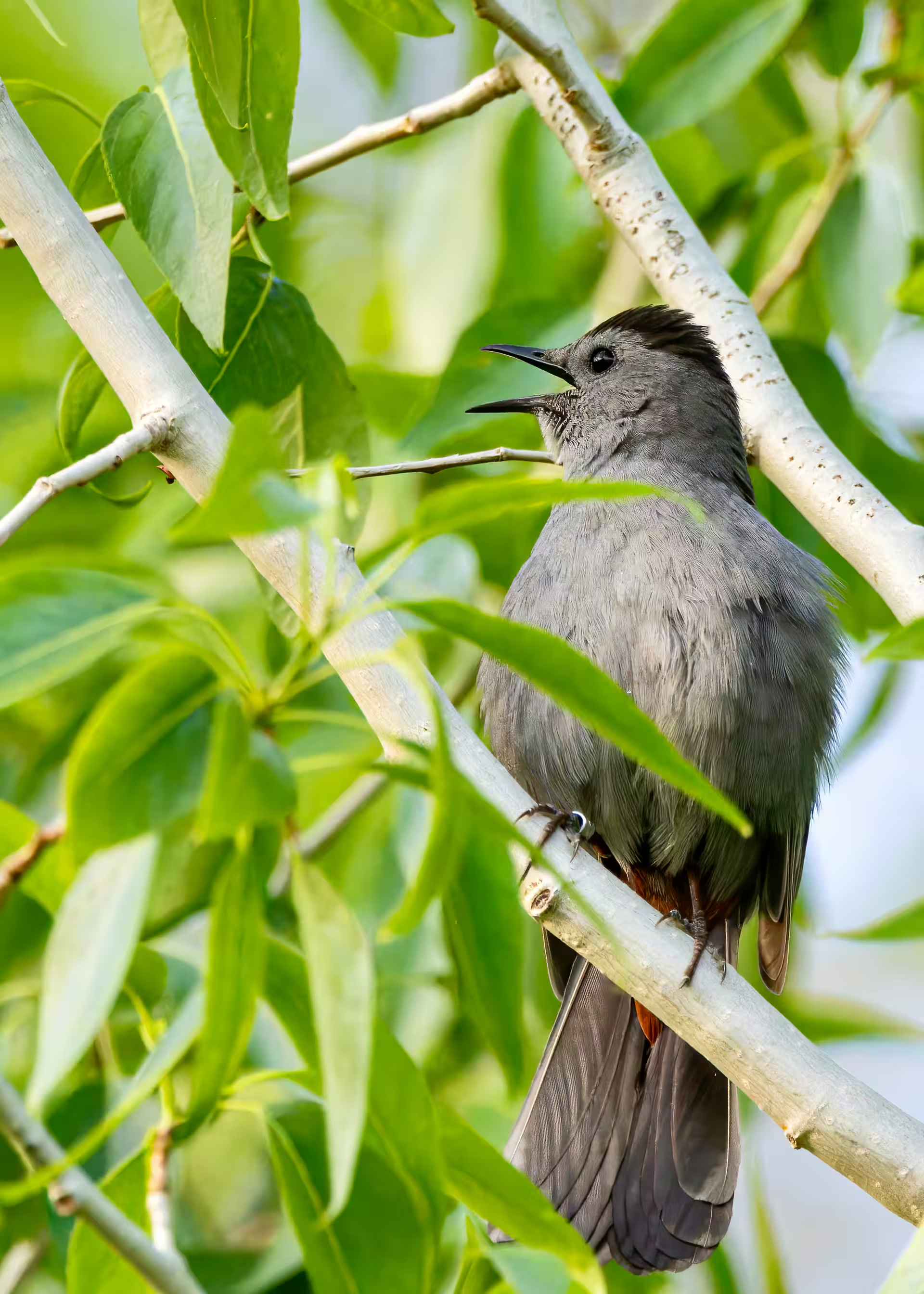
The Rambling Singer
Gray Catbirds rarely give you a clean look. They stay tucked inside dense vegetation, moving quietly and unpredictably. But their voice gives them away.
Their song feels like a stream of thoughts—phrases stitched together, repeated, changed, and layered. It’s not clean or structured. It’s expressive and ongoing, like they’re thinking out loud.
And then there’s the signature "mew" call—exactly what it sounds like. Once you hear it, you won’t forget it.
The Mimic
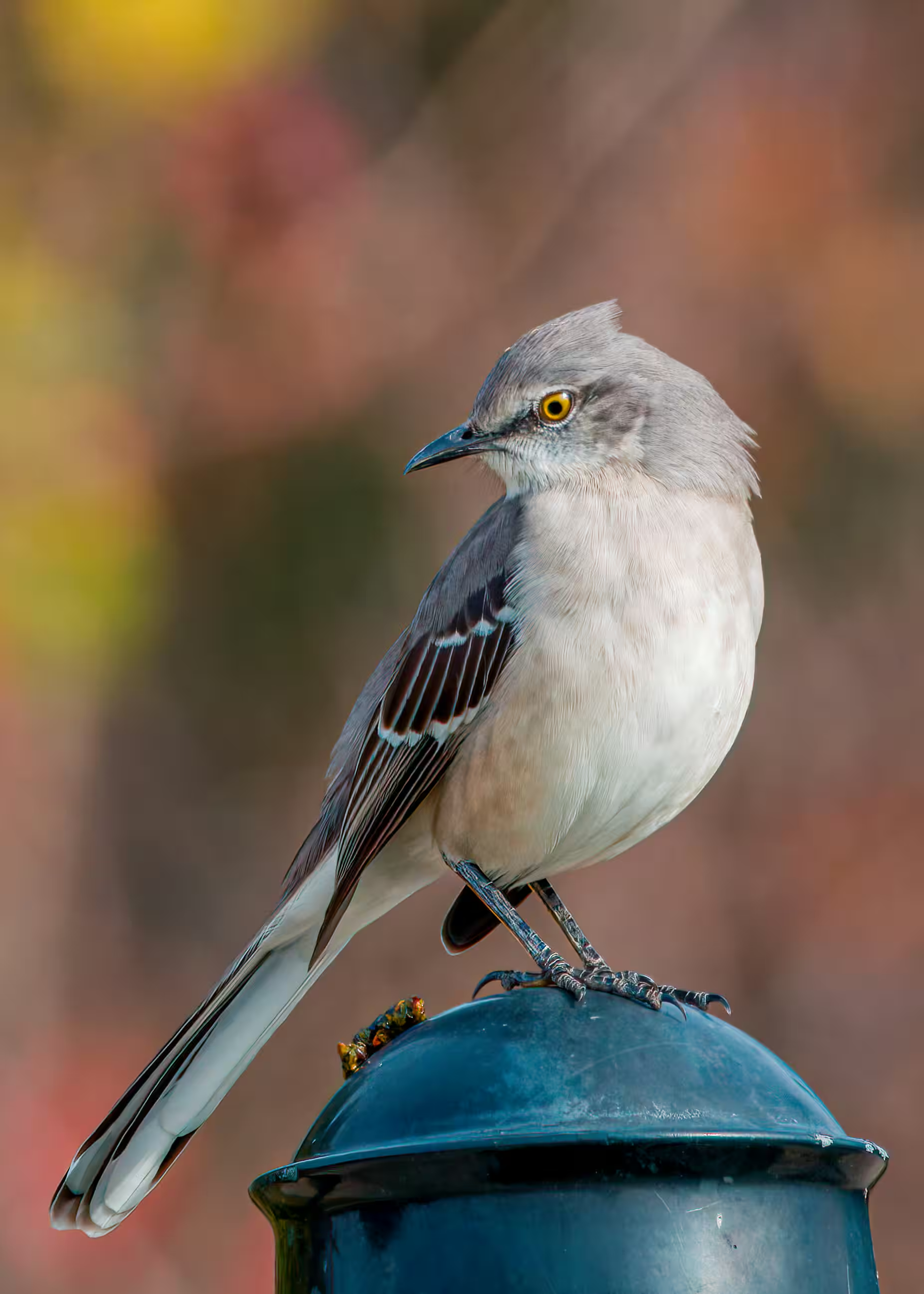
Northern Mockingbirds take everything this family does and amplify it. Louder. Bolder. More visible. And endlessly creative.
They mimic other birds, sounds, even human-made noise—car alarms, squeaks, anything they hear. And they repeat phrases over and over, building a performance that can go on for minutes at a time.
They’ve become part of American culture and storytelling. The mockingbird appears in literature, music, and memory. And it’s not just symbolic—multiple states chose it as their state bird.
It’s one of the few birds that feels familiar even before you really know it.
A Different Kind of Week
This week is less about checking boxes and more about tuning in. You may not see as many birds—but the ones you do find will feel earned.
Slow down. Choose your habitat carefully. And listen longer than you think you need to.
Utah Edition Endcap
Want to keep exploring? You can read more Guides or join the FeatherQuest updates to hear when new ones go live.