
Shrikes, Waxwings & Allies
Stylish masks, very different lives.
Table of Contents
How to Notice Shrikes, Waxwings, and Allies
Where to Find Them
Waxwings are the easiest birds to start with this week. Look for them around towns, parks, and neighborhoods with fruiting trees where flocks may suddenly appear. Shrikes usually take a little more effort, favoring open country, fence lines, and exposed hunting perches. Phainopepla are the wildcard—most likely in southern Utah desert habitats, especially where mistletoe grows.
What to Watch For
Start with the mask, then look deeper. Waxwings move in smooth flocks and feed on berries. Shrikes sit upright on exposed perches and hunt like tiny raptors. Phainopepla stand apart with a sleek crest and glossy black look that feels more desert than forest.
Listen Closely
Waxwings often reveal themselves with thin, high calls as a flock moves overhead or through berry trees. Shrikes are quieter and usually found by silhouette and posture. Phainopepla can be subtle too, so shape and habitat often matter more than sound.
Explore Further
- ▶️ Cedar Waxwing Sounds (FeatherQuest)
- ▶️ Shrike "Lizard Shish Kabobs" (National Geographic)
- Waxwing Comparison (All About Birds)
- Phainopepla Guide (All About Birds)
Waxwings
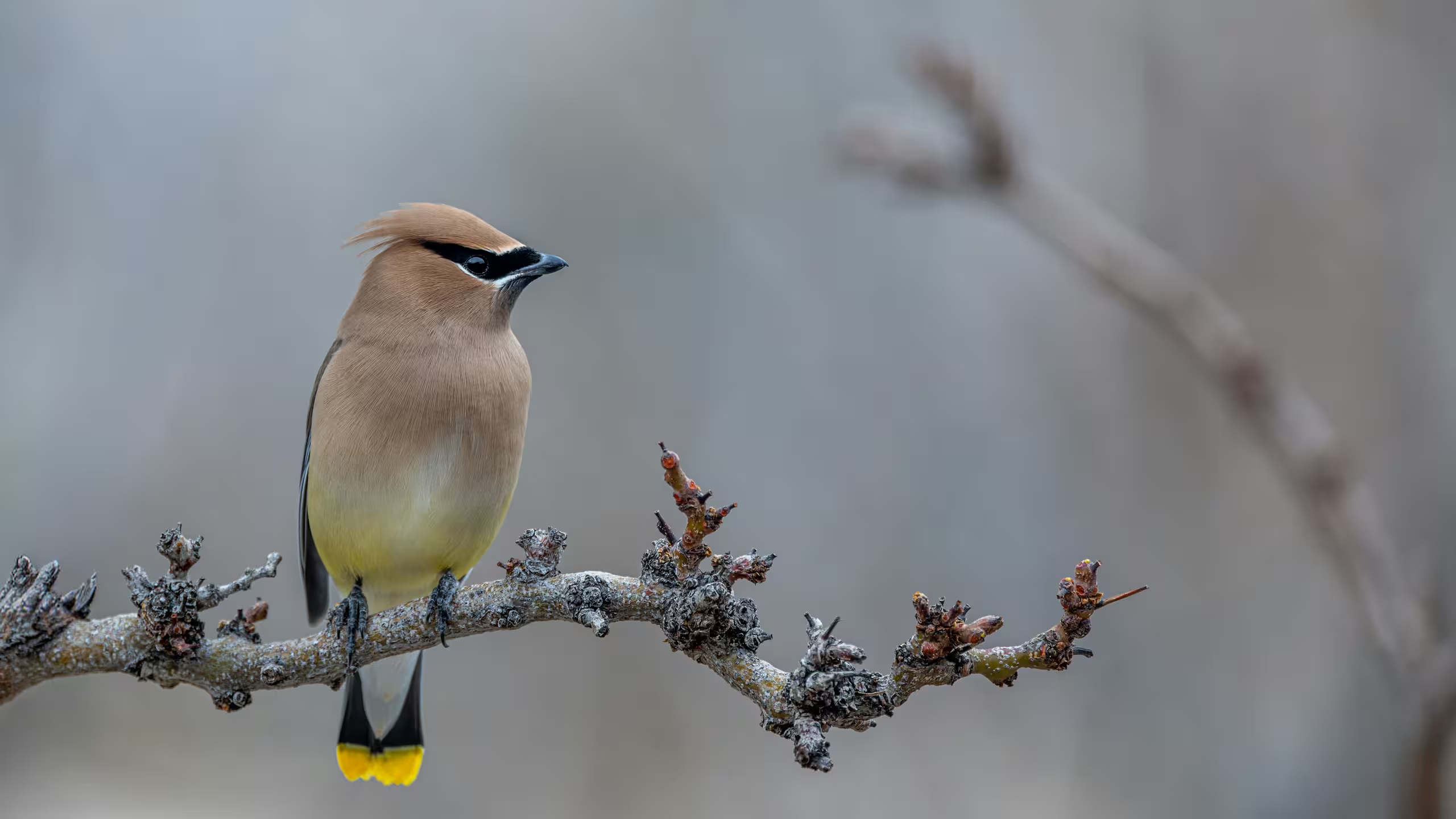
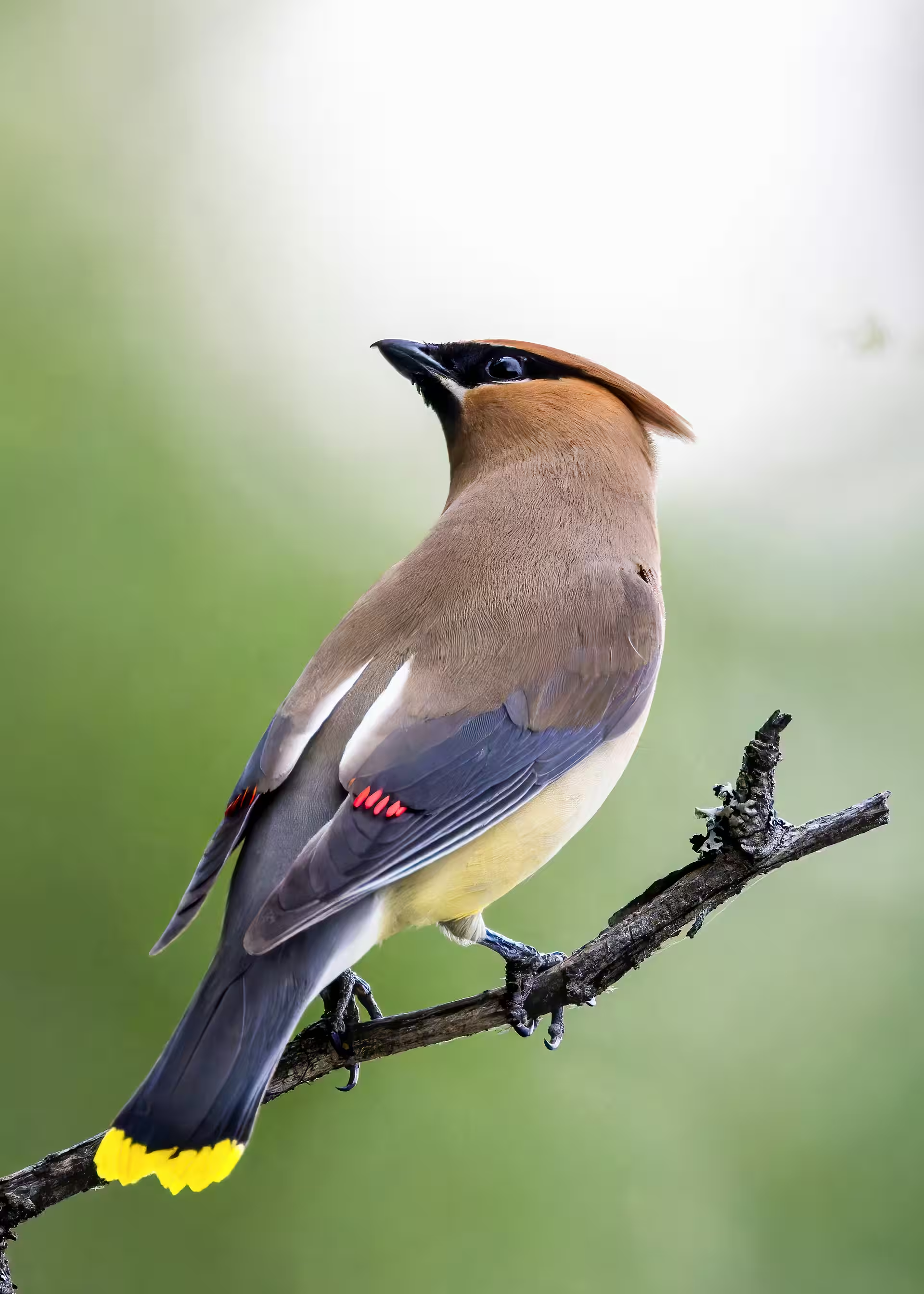
Waxwings are some of the most polished-looking birds in Utah. The black mask, soft crest, yellow tail tip, and tiny red “wax” drops on the wing tips give them their name and their elegant look.
Waxwings often appear suddenly around fruiting trees in towns, parks, and neighborhoods. One day the tree is quiet, the next day a flock arrives and strips the berries within minutes.
Most flocks in Utah are Cedar Waxwings, but Bohemian Waxwings sometimes mix in during winter. The best field mark is the rufous-colored undertail on the Bohemian. The farther north you go, the more likely you are to see them blending into cedar flocks.
Shrikes
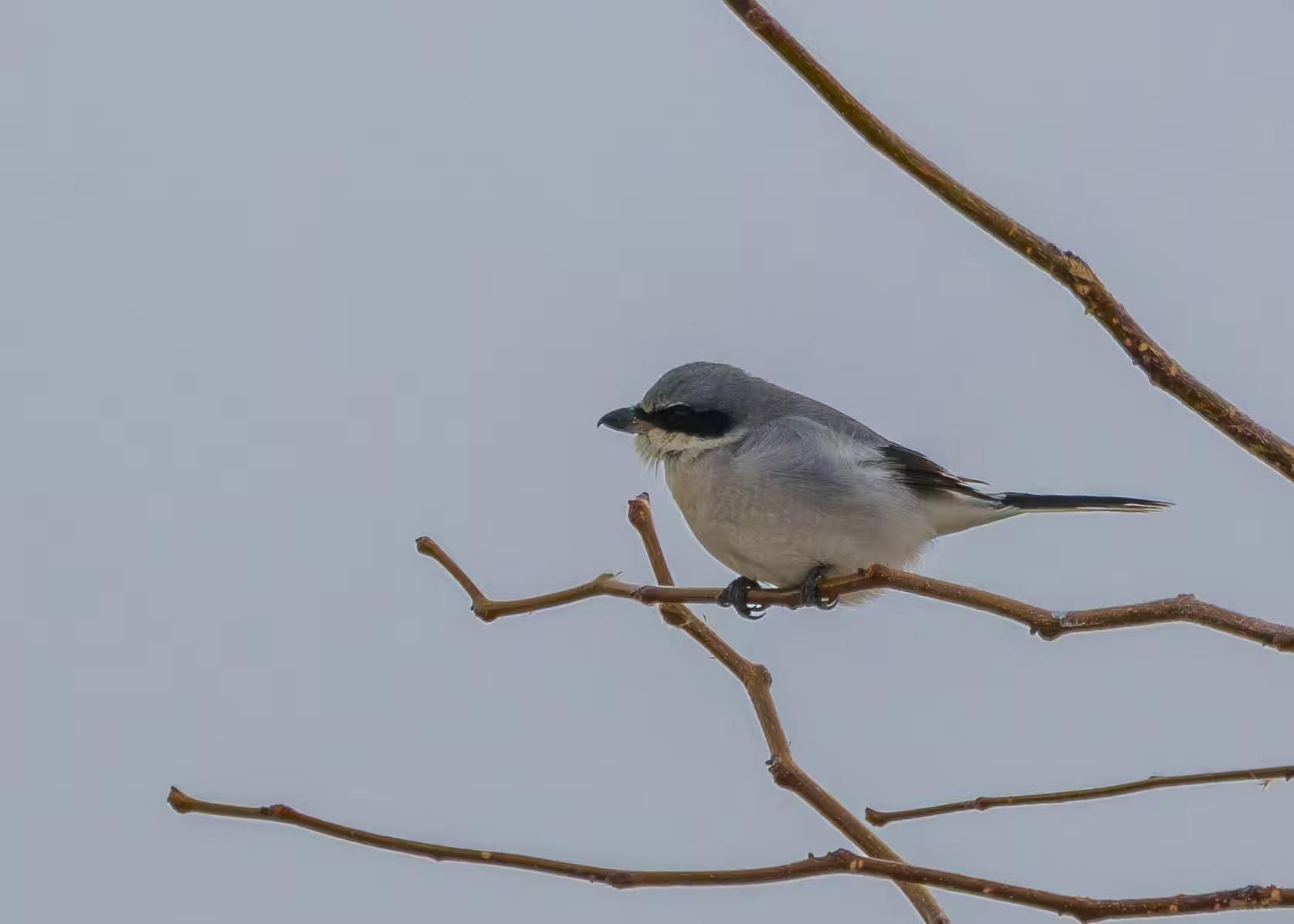
Shrikes share the bold mask, but their lifestyle is completely different. These birds are predators—small songbirds that hunt insects, lizards, and even other birds from exposed perches. A quick clue between the two Utah species: the Loggerhead Shrike usually shows a thicker mask that reaches above the bill, while the Northern Shrike tends to have a thinner mask with more pale space above it.
Look for shrikes in open spaces: sage flats, farm edges, fence lines, and desert roads. Their upright posture and watchful stillness often give them away before any movement does.
Shrikes are famous for their nickname “butcher birds,” impaling prey on thorns or barbed wire. It’s a surprising behavior for a songbird and one of the reasons spotting a shrike is always memorable.
Phainopepla
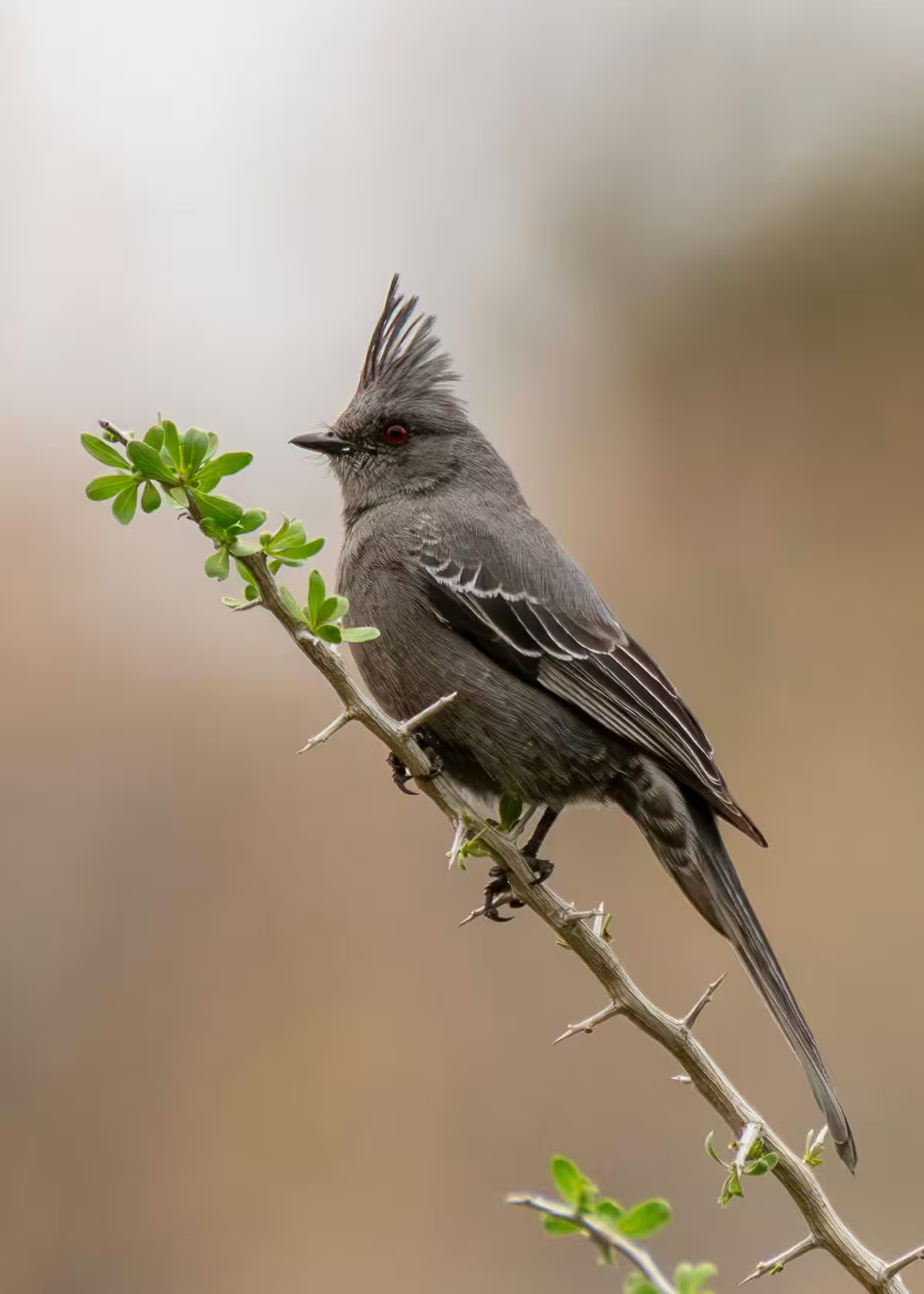
Phainopepla is the oddball of the group. It doesn’t wear the mask that defines the others, but it earns its place here as one of Utah’s most distinctive desert birds.
This sleek, crested bird is most common in southern Utah deserts, especially where mistletoe grows. Their glossy black plumage and red eye can glow in the desert light.
Including Phainopepla here reminds us that bird groups don’t always fit perfectly. Sometimes the most interesting species are the ones that break the pattern.
Utah Edition Endcap
Want to keep exploring? You can read more Guides or join the FeatherQuest updates to hear when new ones go live.