
Rails & Cranes
Hidden marsh birds and one of North America's greatest migrations.
How to Notice Rails & Cranes
Where to Find Them
Sandhill Cranes are often found feeding in agricultural fields, wet meadows, and open marshes. Rails and Soras prefer dense cattails and marsh vegetation, while American Coots thrive on almost every pond, marsh, and reservoir in Utah.
What to Watch For
Cranes are impossible to miss with their height and graceful movements. Rails are the complete opposite—look for quick movement along reed edges or brief crossings through small openings before they disappear again.
Listen Closely
This is one family where your ears often beat your eyes. Sandhill Cranes fill the sky with loud bugling calls, Virginia Rails give their famous pig-like 'oink,' and Soras produce an unforgettable descending whinny.
Explore Further
- ▶️ Sandhill Crane Overview (Badgerland Birding)
- Virginia Rail Guide (All About Birds)
- American Coot Guide (All About Birds)
The Voice of the Wetlands
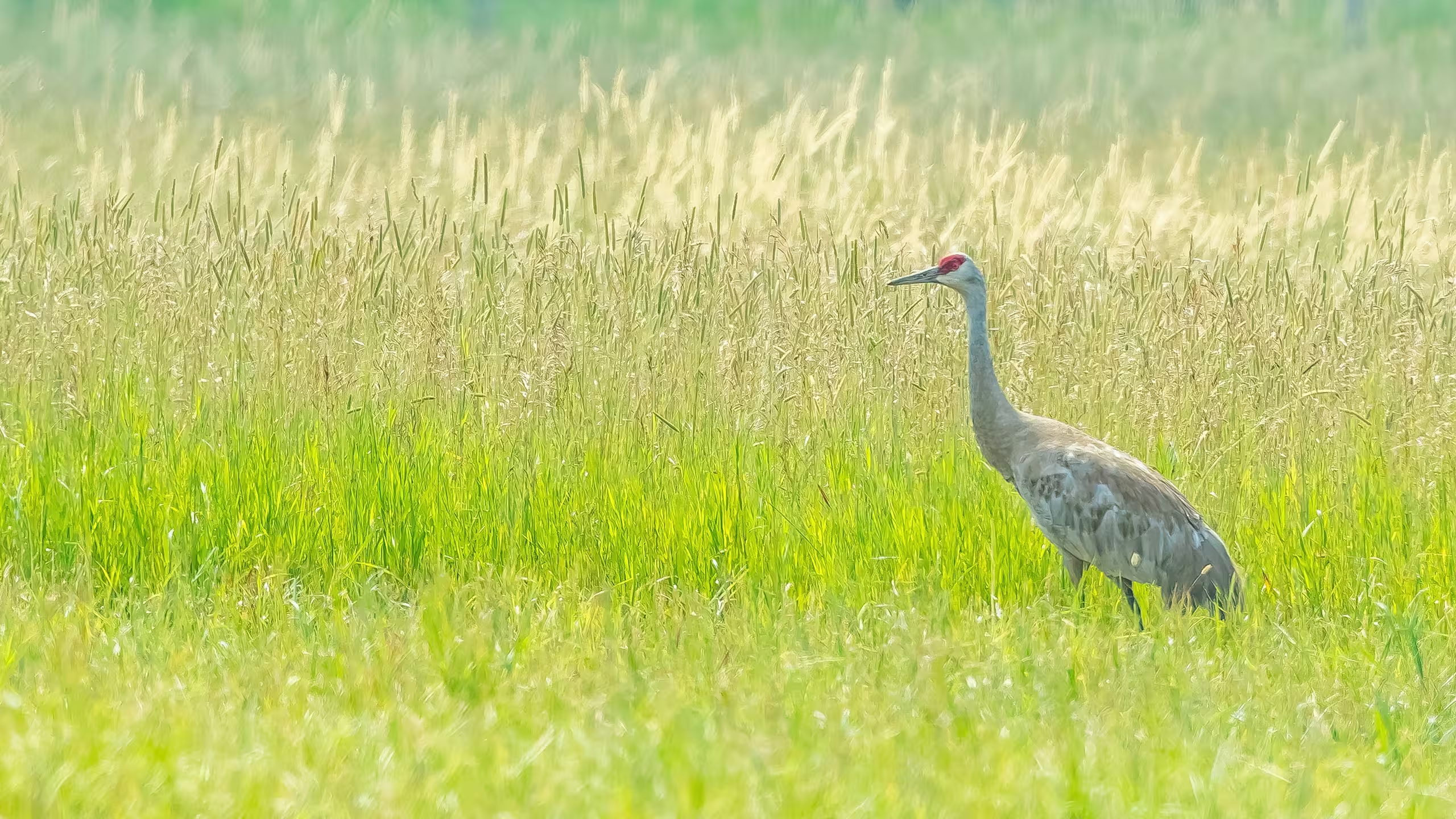
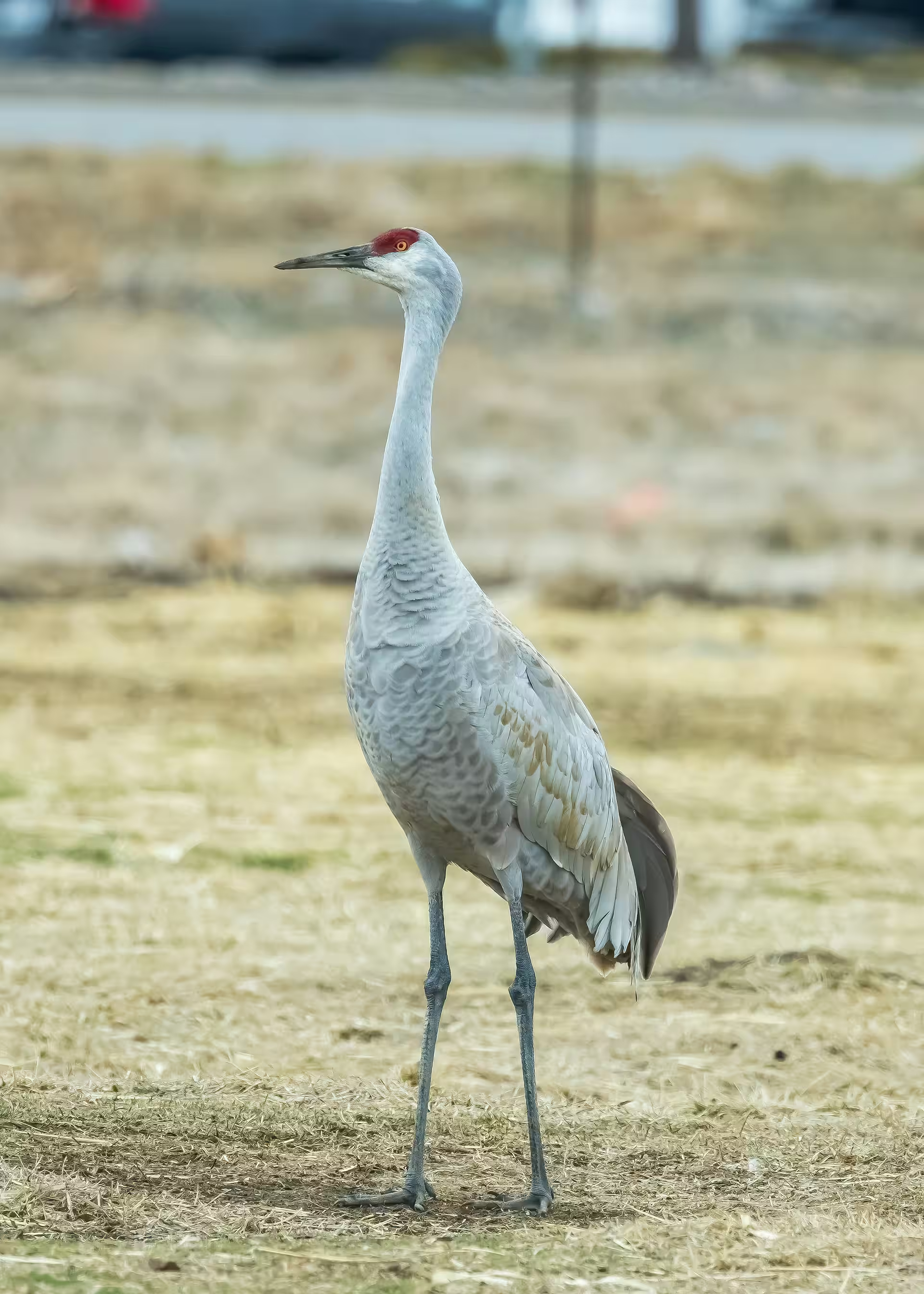
Sandhill Cranes are among the tallest birds you'll encounter in Utah, standing nearly four feet tall with long legs, elegant necks, and a bright red crown. Even before you see one, there's a good chance you'll hear it. Their loud bugling calls can carry for miles and are one of the defining sounds of migration.
Although they nest around marshes and wet meadows, Sandhill Cranes spend plenty of time feeding in agricultural fields where they search for grains, insects, and other food. During migration they often gather in family groups, and seeing them walking through a field almost feels like watching tiny dinosaurs roaming the landscape.
Their migration is one of North America's greatest wildlife spectacles. Hundreds of thousands pass through the Great Plains each spring, especially along Nebraska's Platte River, creating one of the largest crane gatherings anywhere in the world.
Masters of Hide-and-Seek
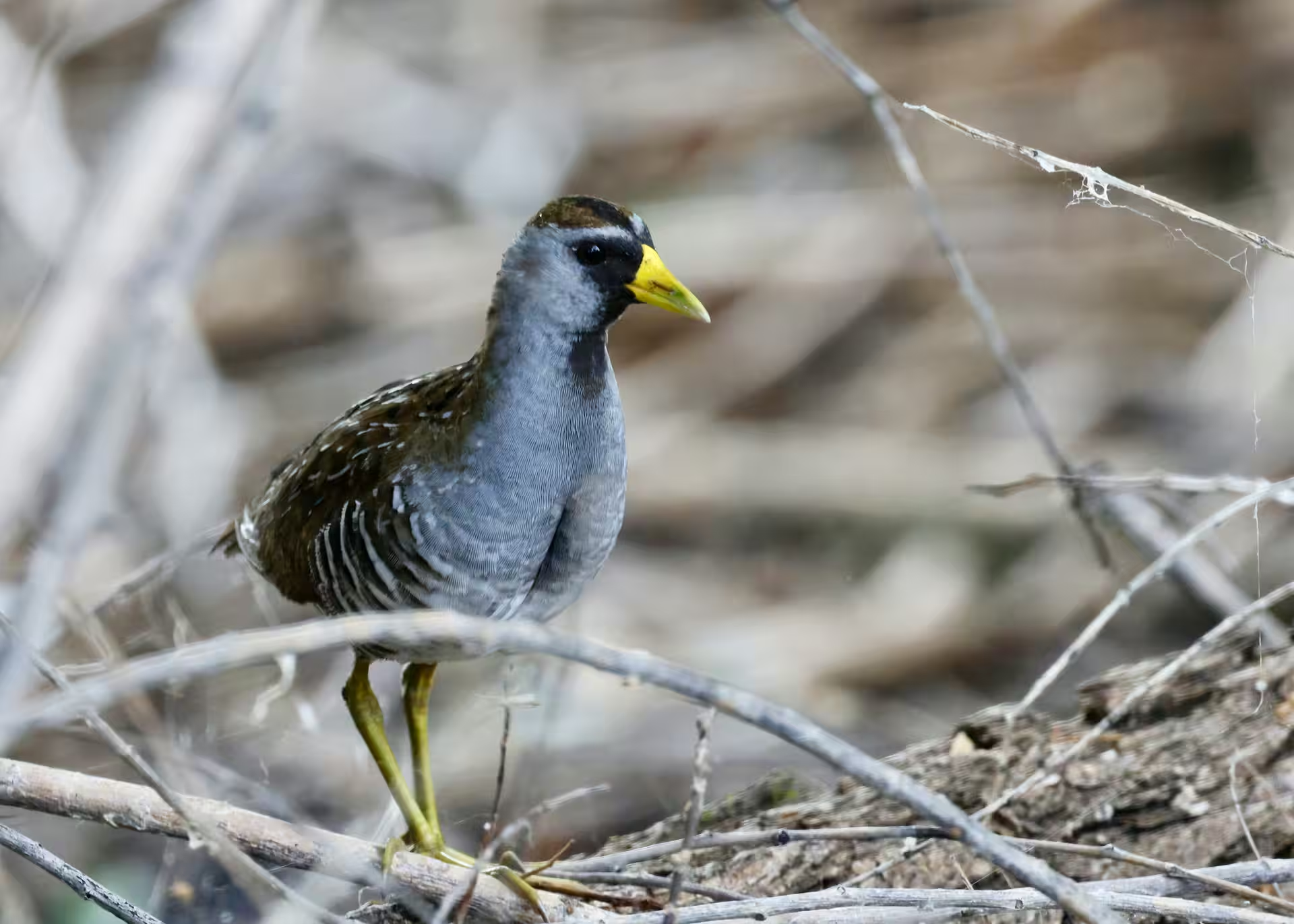
If Sandhill Cranes are impossible to overlook, rails might be some of the hardest birds in Utah to actually see. They spend most of their lives tucked deep inside cattails and reeds, slipping through marsh vegetation without ever exposing themselves.
Fortunately, they don't stay completely silent. Virginia Rails are famous for their pig-like 'oink' call, while Soras produce a descending whinny that quickly becomes recognizable once you've heard it a few times. In many cases you'll hear these birds dozens of times before ever laying eyes on one.
The best strategy is simple: visit marshes during spring or early summer, stop walking, and listen. With enough patience you may catch a Sora or Virginia Rail slipping across a narrow opening before it melts right back into the reeds.
The Bird Everyone Ignores
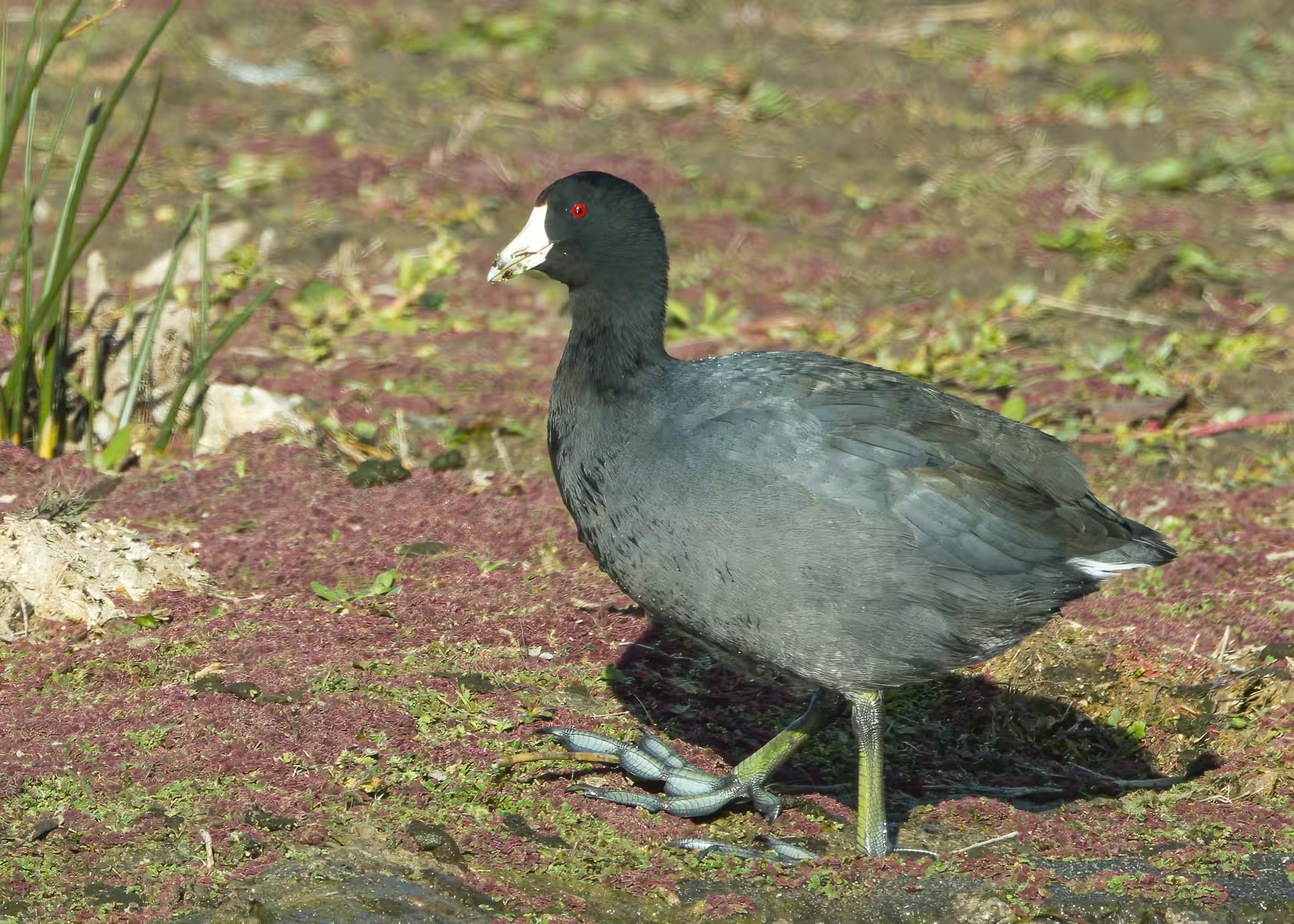
American Coots might be the most underappreciated wetland bird in Utah. Nearly every pond seems to have them, especially during winter when they gather into enormous flocks numbering in the hundreds or even thousands.
Most people assume they're ducks, but they're actually members of the rail family. Instead of webbed feet, coots have broad lobed toes that help them swim while still allowing them to walk surprisingly well across floating vegetation.
I've always thought of coots as the carp of the birding world. They're incredibly common, often overlooked, and rarely anyone's favorite. But spend a few minutes watching them and you'll discover surprisingly entertaining personalities, constant squabbles, awkward running takeoffs, and a bird that's far more interesting than its reputation suggests.
Utah Edition Endcap
Want to keep exploring? You can read more Guides or join the FeatherQuest updates to hear when new ones go live.