
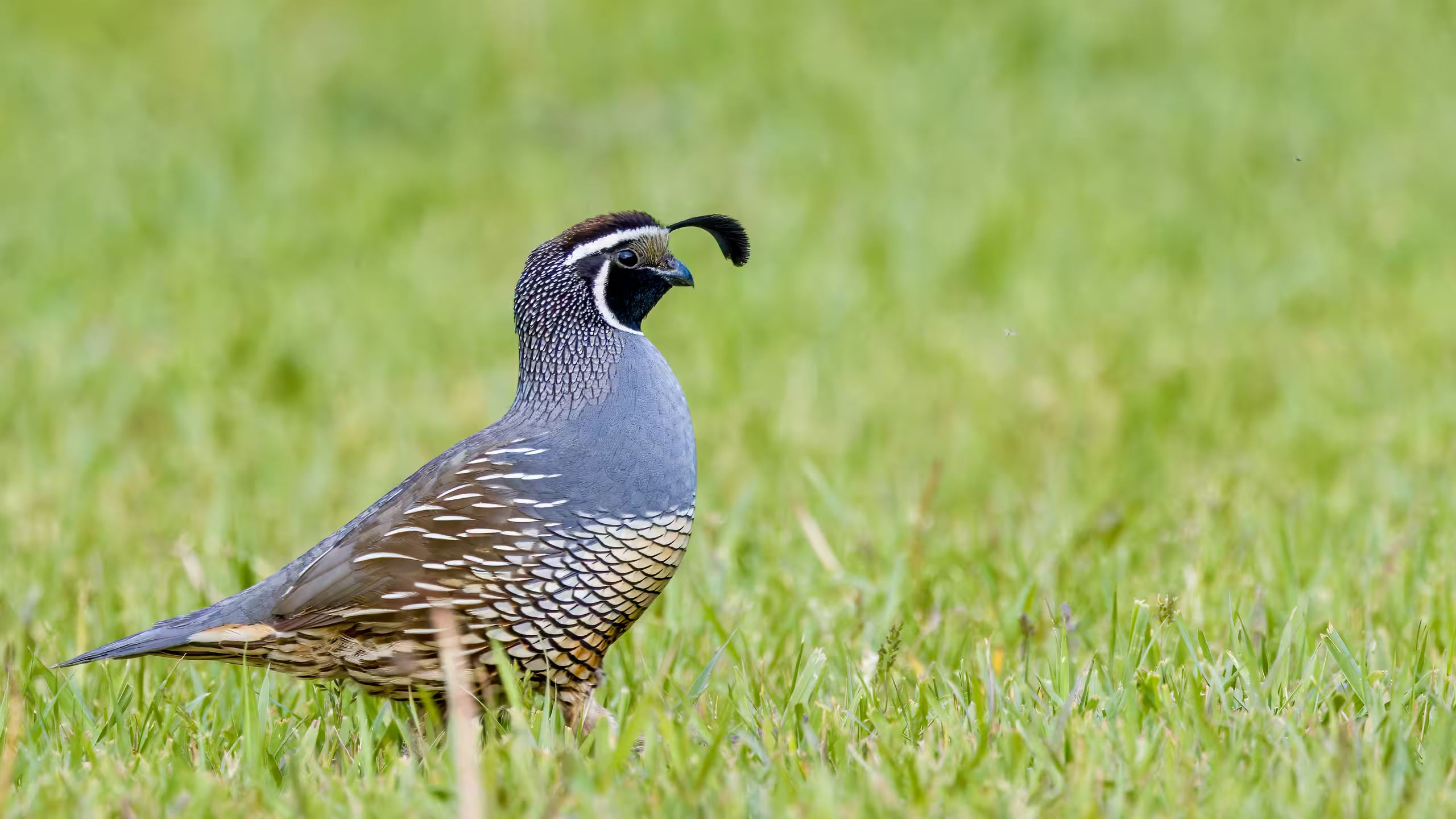
Quail
Coveys, topknots, and desert cousins.
Table of Contents
How to Notice Quail
Where to Find Them
California Quail are common in central and northern Utah—especially foothills, brushy edges, greenbelts, and neighborhoods near cover. Gambel’s Quail dominate southern Utah’s warmer desert scrub and washes. If you know your location, you’re already halfway to an ID.
What to Watch For
Watch for coordinated movement. Quail forage in loose formation, then freeze together, scan together, and sprint together. They run far more often than they fly, and short explosive flushes usually mean you got too close.
Listen Closely
That familiar “Chi-ca-go” call often gives them away before you see them. In spring especially, males vocalize from elevated perches—fence posts, shrubs, low trees—while keeping visual contact with the covey.
Explore Further
- California Quail Guide (All About Birds)
- Gambel’s Quail Guide (All About Birds)
- ▶️ California Quail Video (YouTube)
- Kevin the California Quail (Instagram)
Quail
Quail are one of those birds that feel like part of daily life. In many Utah neighborhoods, especially near foothills or open desert edges, they’re regulars—moving through yards, feeding along fences, and slipping back into cover at the first sign of pressure.
Spring is when they shine. Coveys shift into breeding pairs and family units, and by early summer you may see lines of chicks hustling behind attentive adults. By fall, groups gather again into larger formations, rebuilding that familiar covey rhythm.
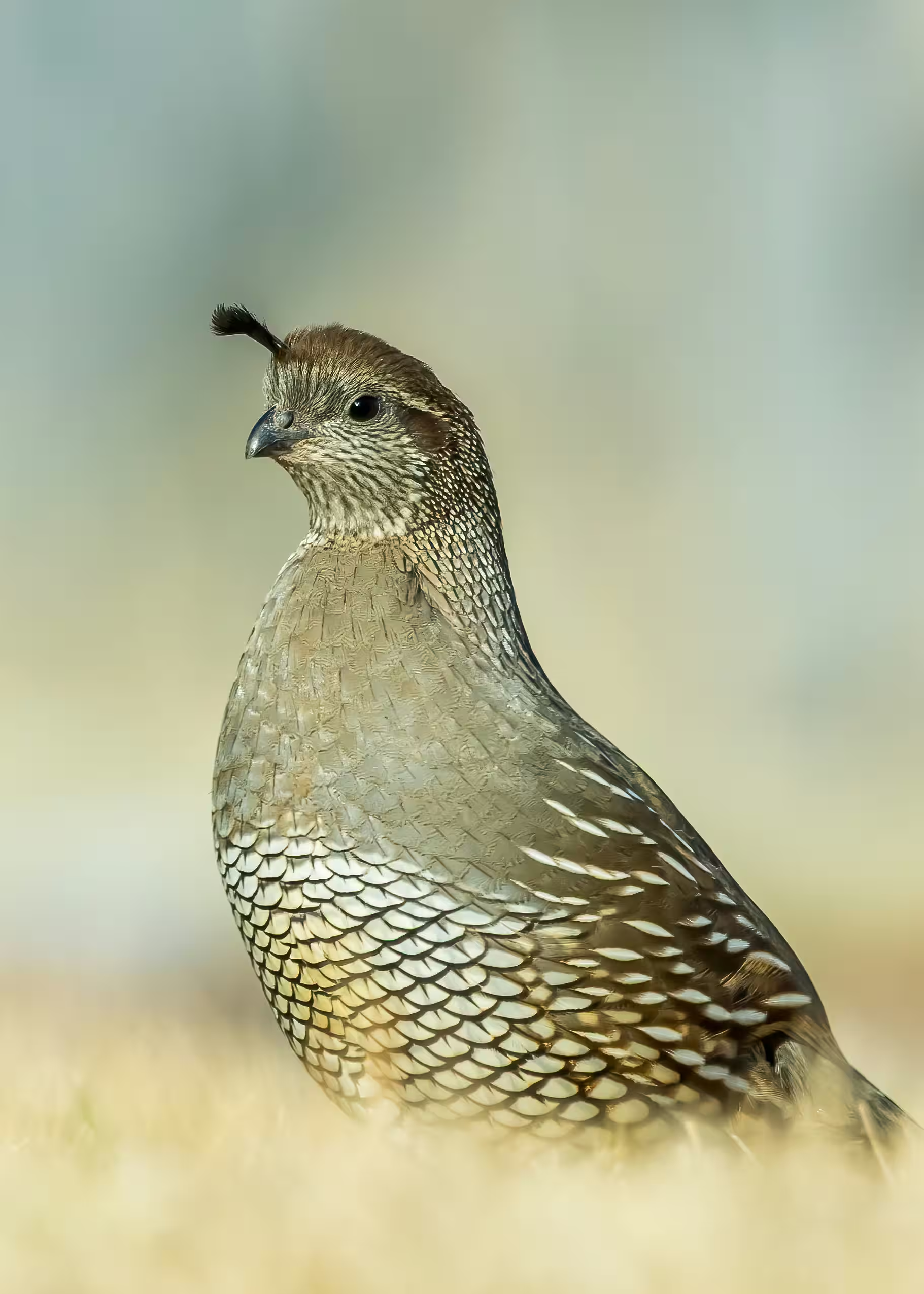
Quail are also a clean introduction to dimorphism. Males tend to show bolder facial contrast and stronger head patterning, while females appear more muted. Once you start noticing the difference, it becomes surprisingly obvious.
California Quail and Gambel’s Quail look similar at first glance, but habitat tells much of the story. California Quail lean toward greener foothill environments, while Gambel’s Quail thrive in hotter desert scrub. Down south, the chestnut cap on male Gambel’s often stands out beautifully against muted desert tones.
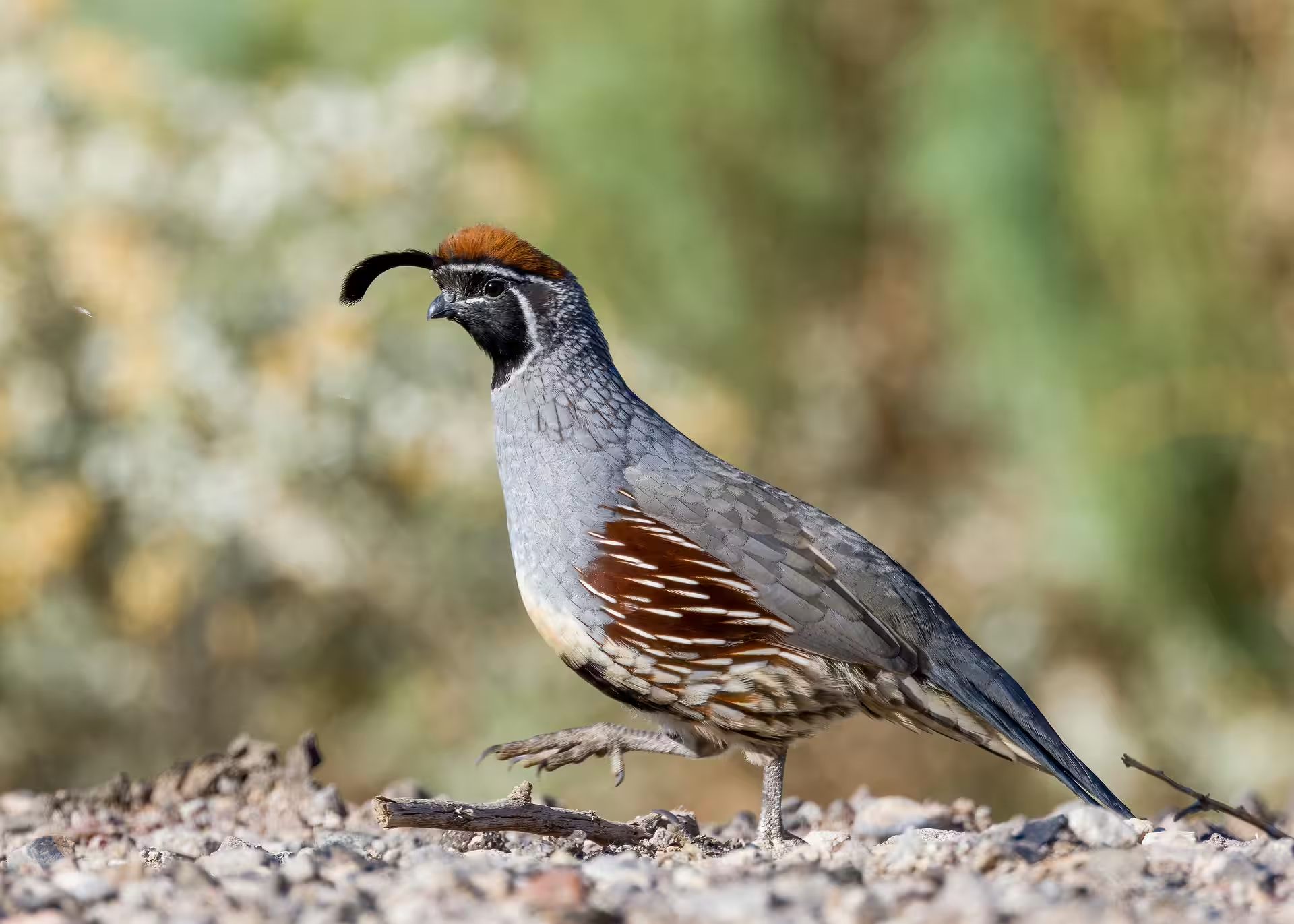
What makes quail especially enjoyable is their rhythm. They reward slow observers. Move gently. Pause often. Let them settle. If they don’t feel pressured, they’ll return to foraging quickly—and that’s when the best watching begins.
If you have quail near your home, consider this your invitation to study them more intentionally this week. Notice where they enter and exit cover. Count how many birds are in a covey. Watch how quickly they settle after a disturbance. The more you observe, the more their patterns—and personalities—begin to reveal themselves.
Utah Edition Endcap
Want to keep exploring? You can read more Guides or join the FeatherQuest updates to hear when new ones go live.