
Orioles & Tanagers
Bright summer birds with bold color, sweet songs, and surprising diets.
How to Notice Orioles and Tanagers
Where to Find Them
Look in leafy places with insects, fruit, flowers, and open perches—cottonwoods, parks, orchards, riparian corridors, foothill edges, and backyard trees. Southern Utah can add even more variety.
What to Watch For
Watch for flashes of yellow, orange, black, and red moving through the canopy. Orioles may visit nectar, suet, fruit, or insects, while tanagers often appear higher in trees.
Listen Closely
Western Tanagers often sound sweeter and cleaner, while orioles can bring a more raspy, rolling quality. Early morning is one of the best times to hear and see both groups active.
Explore Further
- Western Tanager Guide (All About Birds)
- Bullock's Oriole Guide (All About Birds)
Orioles & Tanagers
Some bird weeks feel quiet and subtle. This is not one of them.
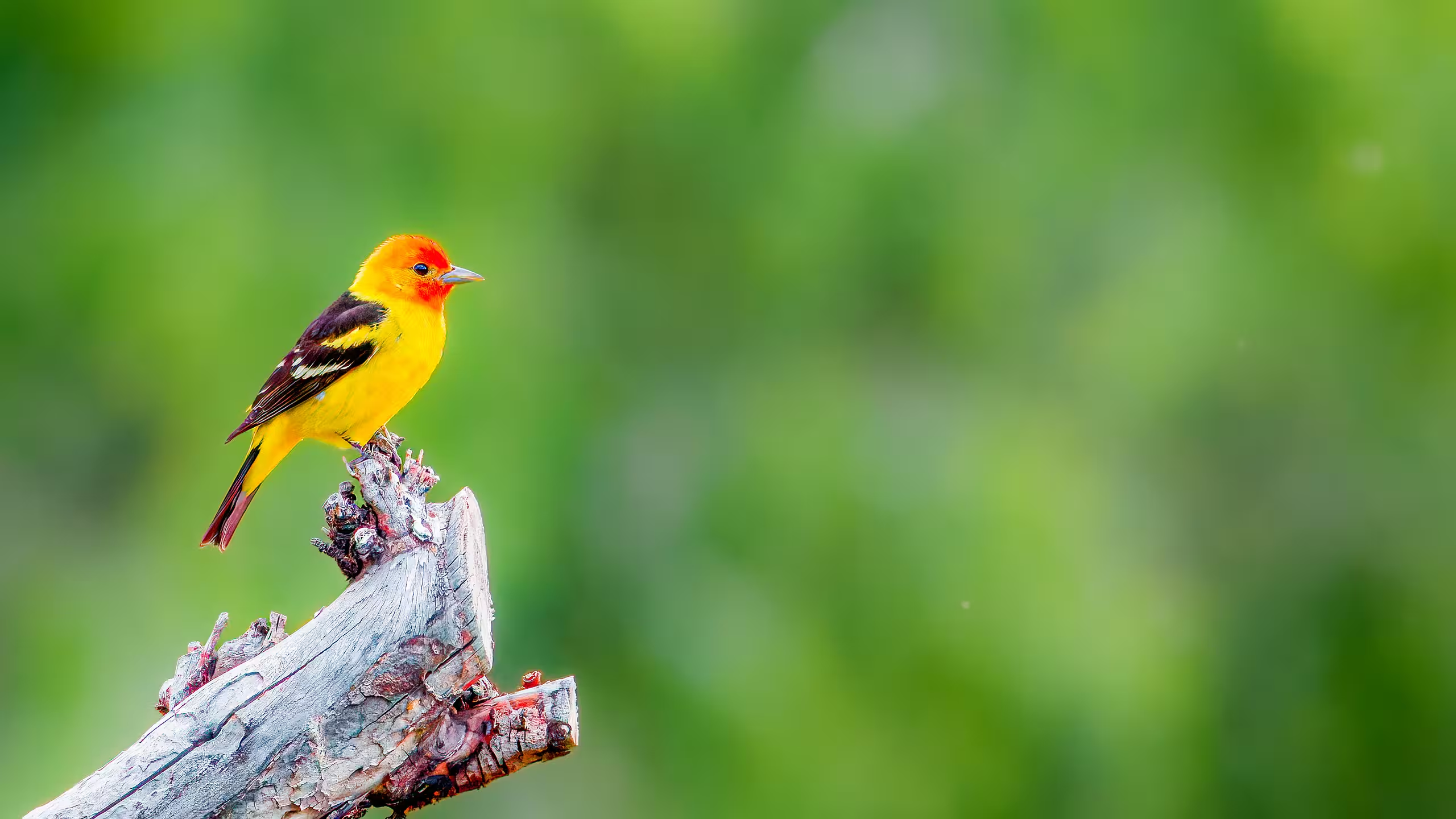
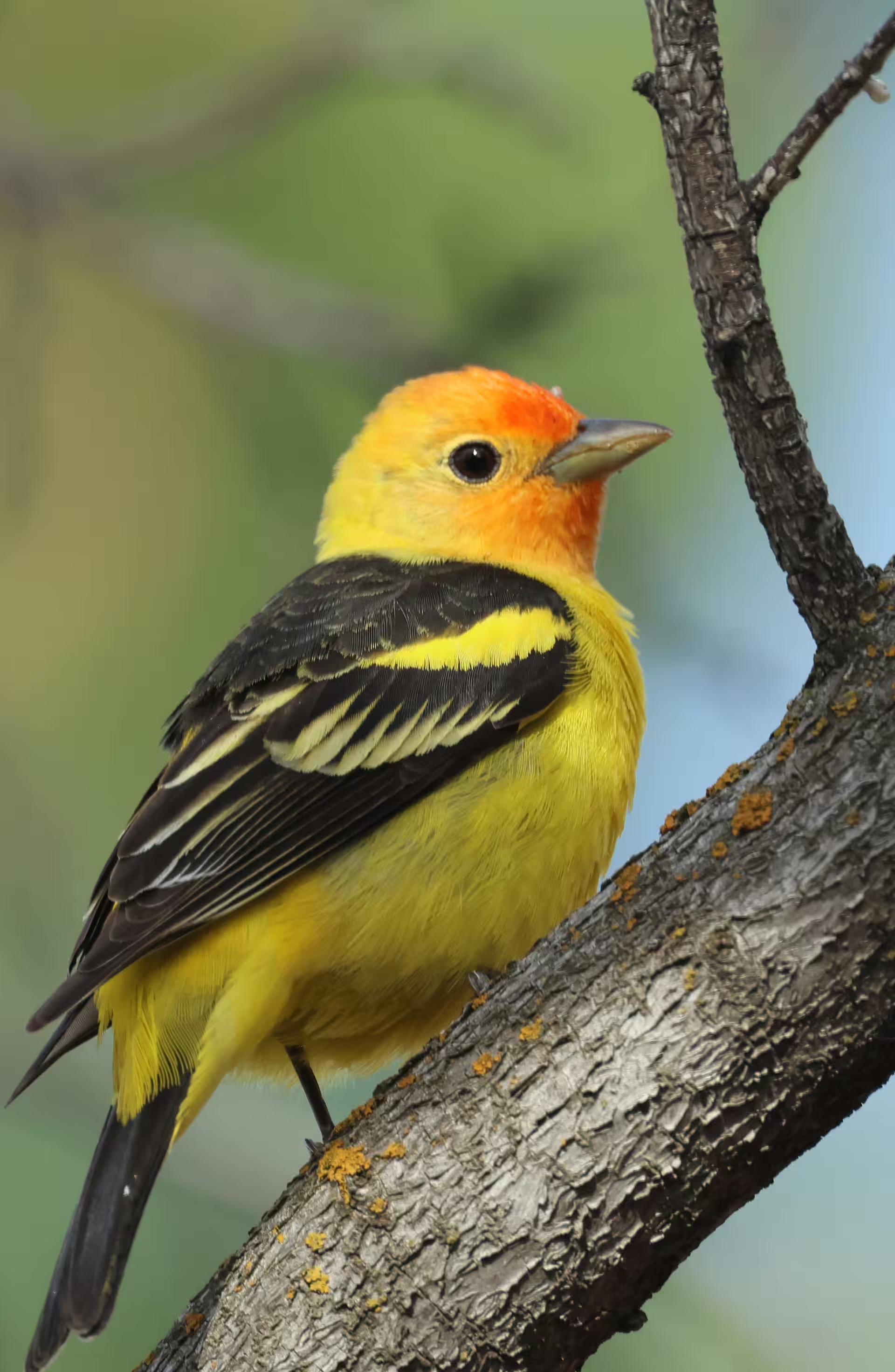
Western Tanagers are often the first bird in this group that truly stops people in their tracks. A flash of yellow high in the trees. A glowing red-orange face catching morning light. A sweet song drifting down from the canopy before the day has fully warmed up.
They can stay surprisingly high and hidden, but once you learn their voice and glowing color pattern, western tanagers become one of the most rewarding summer birds to notice in Utah.
Orioles Up Close
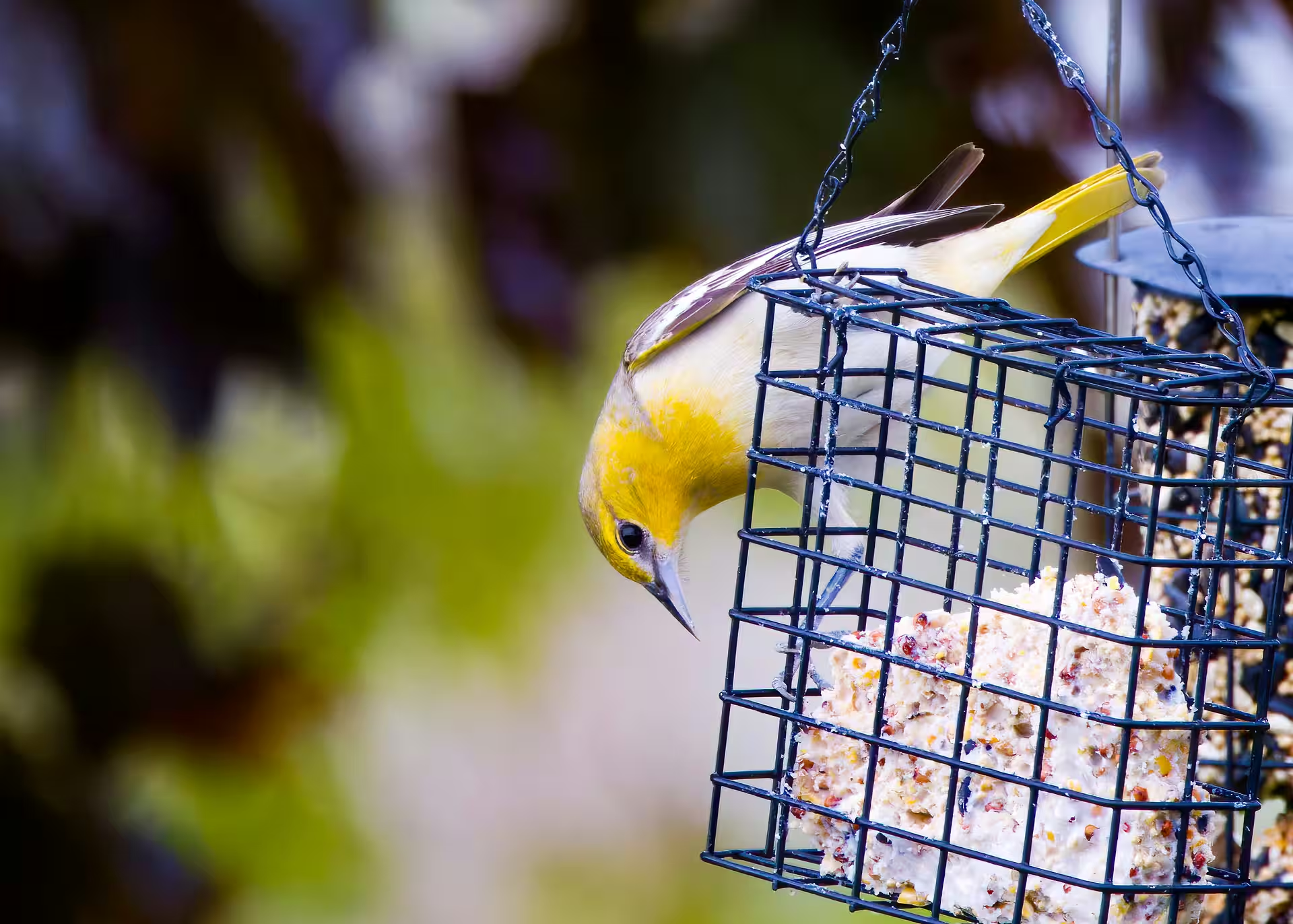
Orioles feel different than tanagers the moment you start watching them closely. They are louder, more social around feeders, and often much easier to observe in backyards and neighborhood trees.
They also have one of the widest diets of almost any colorful backyard bird in Utah. Orioles may visit nectar feeders, oranges, jelly, suet blocks, and still spend much of the day chasing insects through trees and shrubs.
This is also a great family for noticing dimorphism. Males often glow with bold orange and black patterns, while females can look softer and more subtle with yellow and gray tones that blend beautifully into summer foliage.

More Variety Down South
Utah’s main summer cast already gives birders plenty to enjoy, but southern Utah adds another layer to the story.
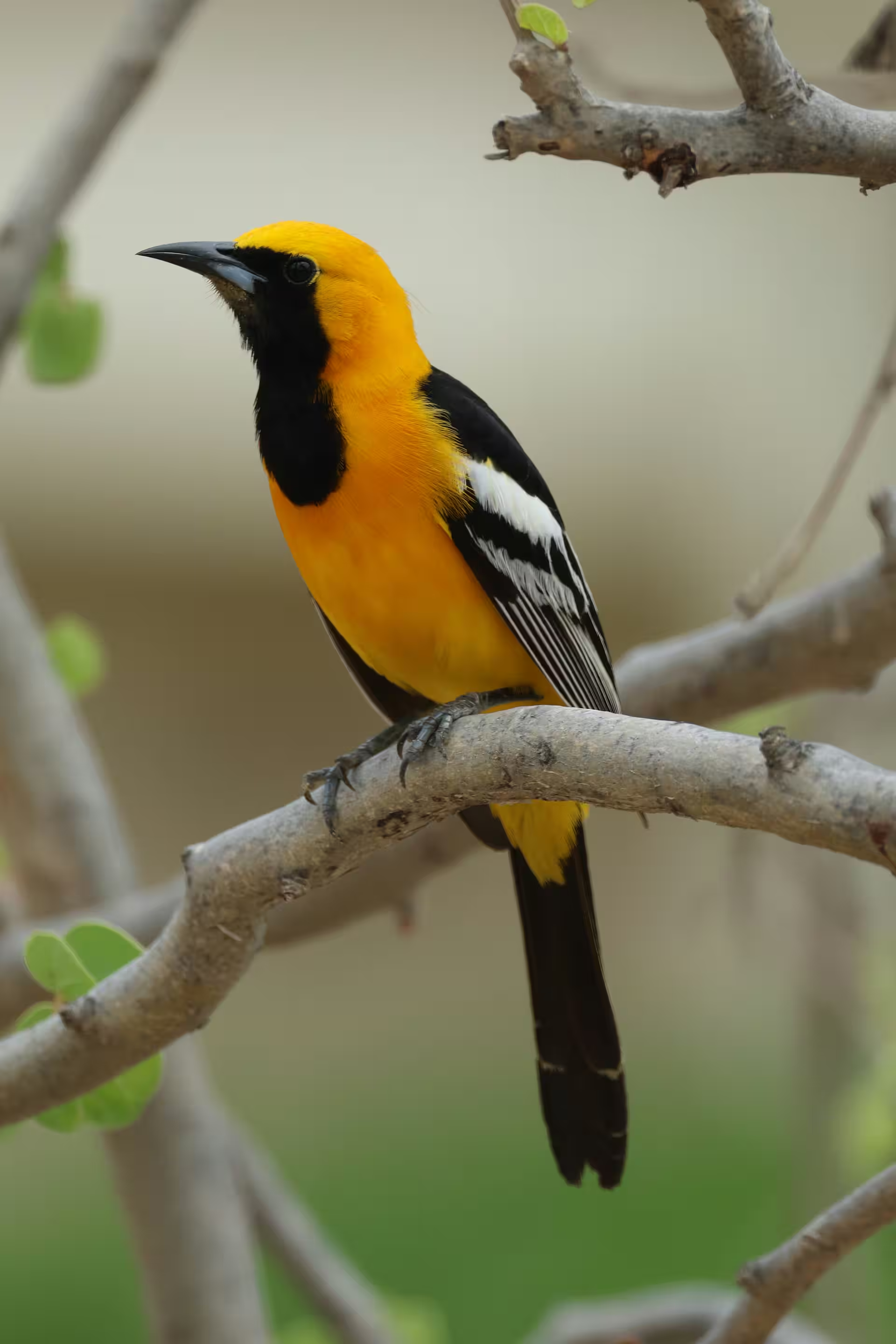
Scott’s Oriole, Hooded Oriole, and Summer Tanager are all birds that feel more tied to the southern edge of the state. They are harder targets for many Utah birders, but that makes them especially exciting when you are birding around St. George, desert washes, palms, or warm riparian pockets.
This week is a reminder that some of the brightest birds in North America pass right through Utah every summer—if you know when and where to look.
Utah Edition Endcap
Want to keep exploring? You can read more Guides or join the FeatherQuest updates to hear when new ones go live.