

Large Shorebirds & Waders
Curved bills, bright yellow legs, and shorebirds that turn up where you least expect them.
Table of Contents
How to Notice Large Shorebirds & Waders
Where to Find Them
Look for these birds along exposed shorelines, mudflats, marsh pools, and the shallow edges of lakes and reservoirs. The Antelope Island causeway can feel surprisingly coastal, but even small inland wetlands may hold a migrating shorebird.
What to Watch For
Start with bill shape and length. Curlews and Whimbrels have downcurved bills, Willets have straighter bills, and dowitchers probe with long, mostly straight bills. Yellowlegs earn their name, but comparing their overall size, bill, and voice helps separate Greater from Lesser.
Listen Closely
Yellowlegs are often vocal, especially when alarmed or taking flight. Greater Yellowlegs commonly gives a ringing series of three or more notes, while Lesser usually gives a softer one- or two-note call. Dowitchers can also be easier to separate by voice than by appearance.
Explore Further
- Long-billed Curlew Guide (All About Birds)
- Whimbrel Guide (All About Birds)
- Greater Yellowlegs Guide (All About Birds)
- Long-billed Dowitcher Guide (All About Birds)
Back to the Water
Once again, we’re heading to the water. Most of my encounters with these larger shorebirds have come during coastal trips, but I’ve found a few along my travels through Utah too.
The Antelope Island causeway is one of my favorite places to look. With its broad shoreline and shallow water, parts of Great Salt Lake can feel remarkably coastal. These birds work the edges, probing sand and mud for a quick meal. Their bills may look almost comically long, but each is well suited to the way its owner feeds.
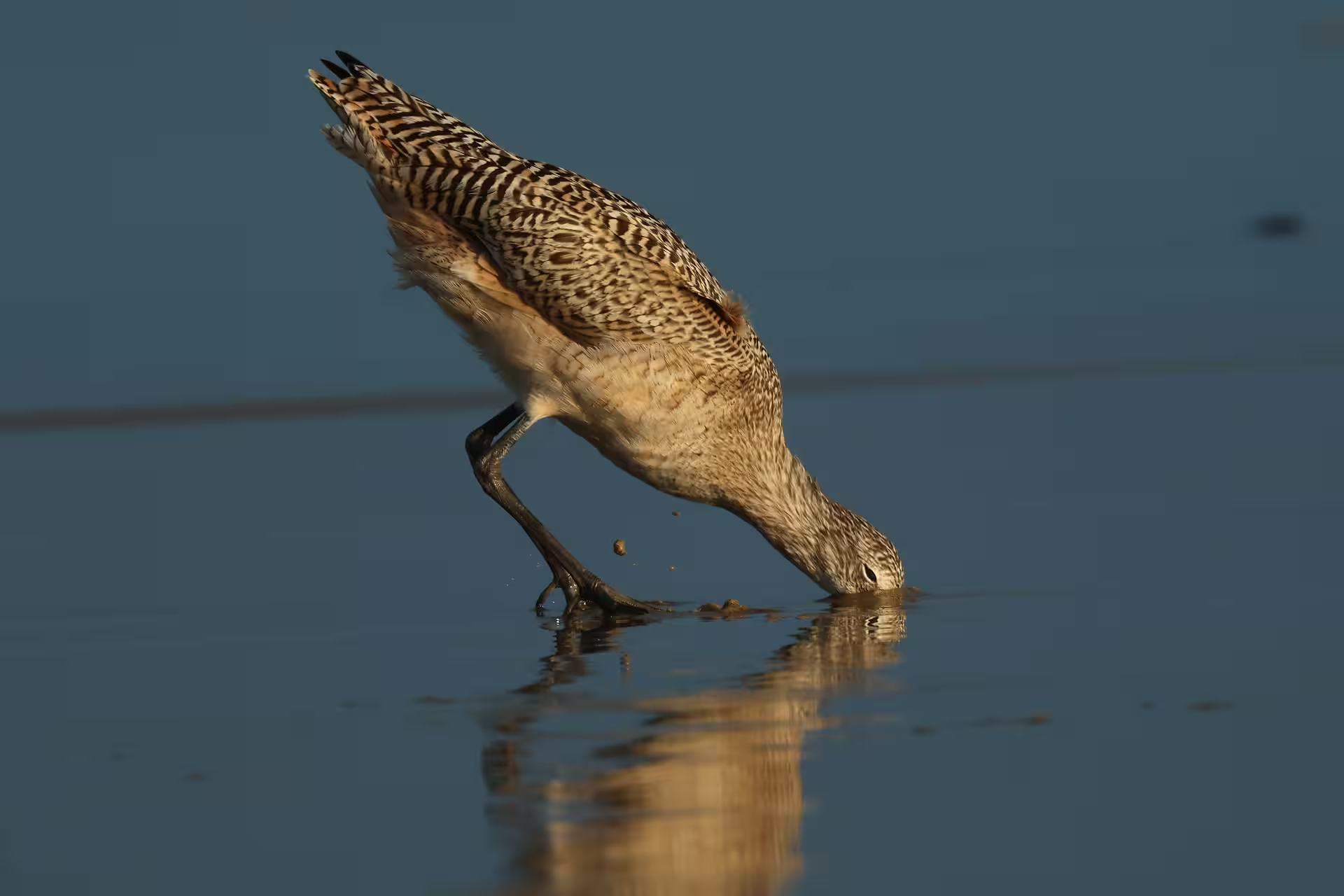
Take the Marbled Godwit, for example. Its long, slightly upturned bill can reach prey buried deep beneath the surface. Watch one feeding and you might see it plunge its entire bill into the mud, sometimes burying its face in the process!
The Bill That Steals the Show
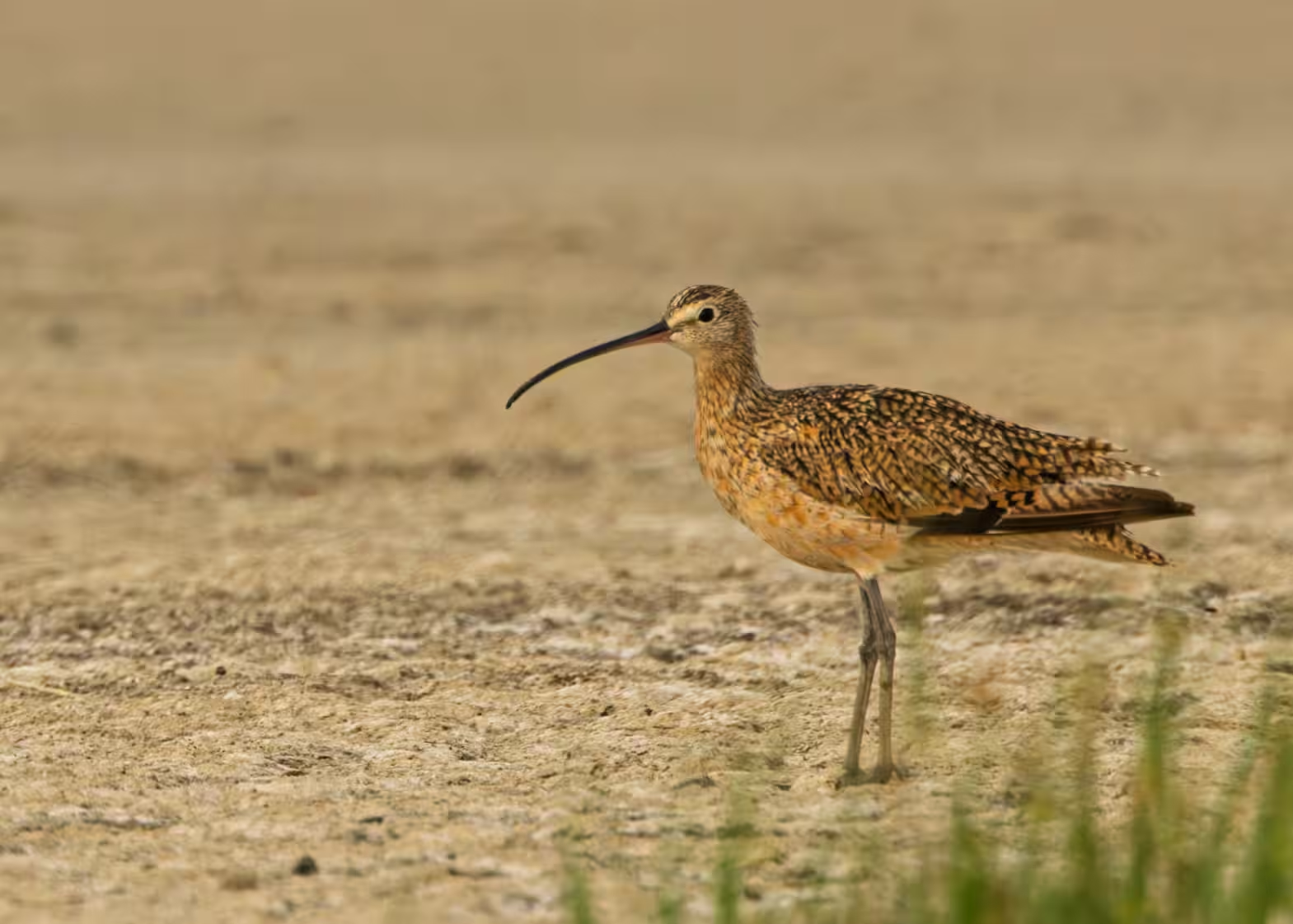
The Long-billed Curlew is hard to overlook once you see it. It is North America’s largest shorebird, and that long, sweeping bill gives it a silhouette unlike almost anything else on the shore. The bill helps it reach prey buried beneath the surface; females generally have noticeably longer bills than males.
Curlews aren’t strictly coastal birds. They breed in open grasslands of the interior West, including Utah, and can also be found foraging in fields and other open areas. That’s a good reminder that “shorebird” describes a family of birds, not a rule about where you must find them.
The similar-looking Whimbrel is smaller, with a shorter, downcurved bill and a boldly striped crown. Those head stripes become especially useful when a curlew is too far away to judge its size.
Two Bills, One Shoreline
I photographed this pair in Puerto Peñasco, Mexico: a Whimbrel on the left and a Willet on the right. Put them together, and the difference in bill shape becomes much easier to see.
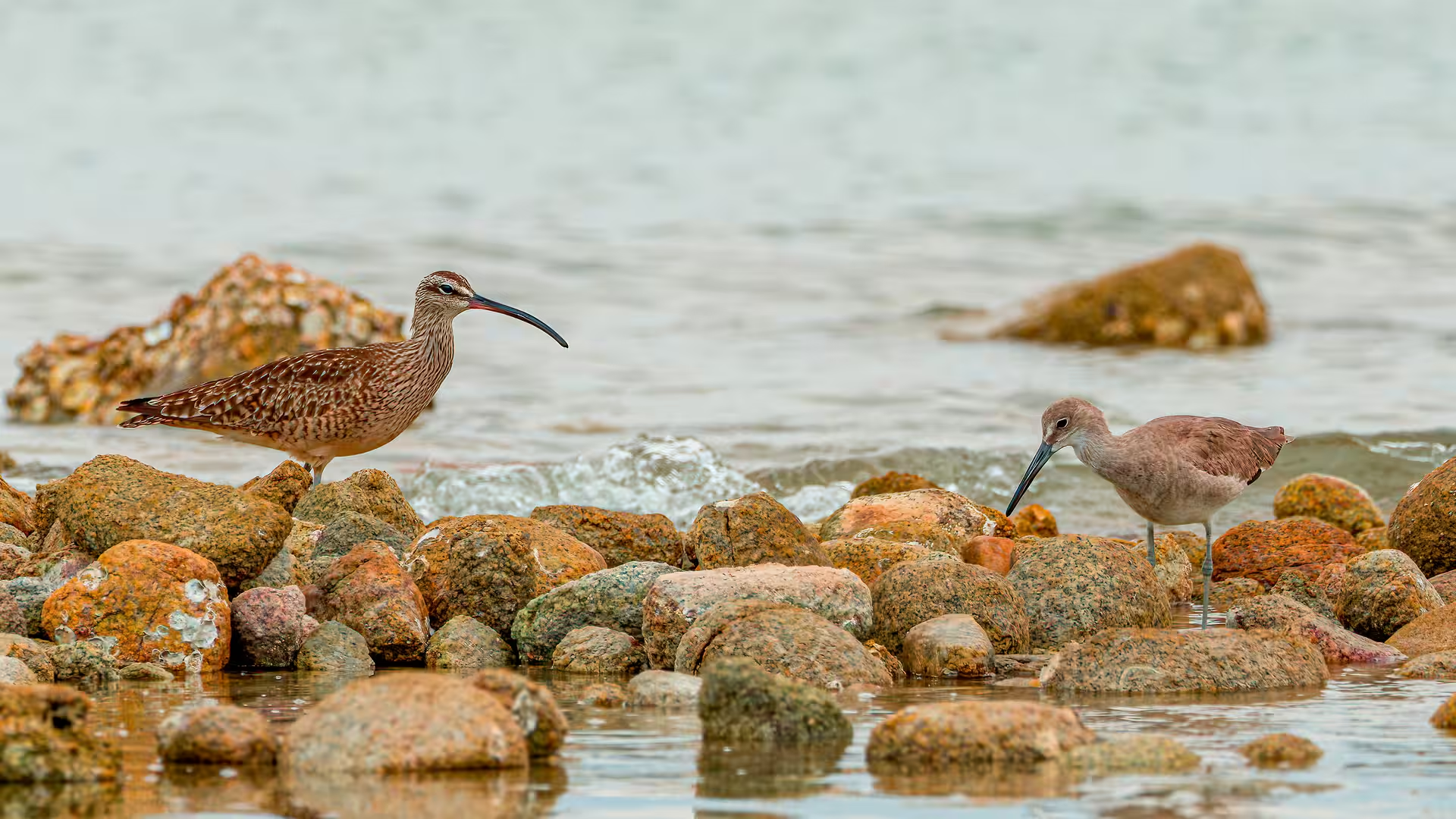
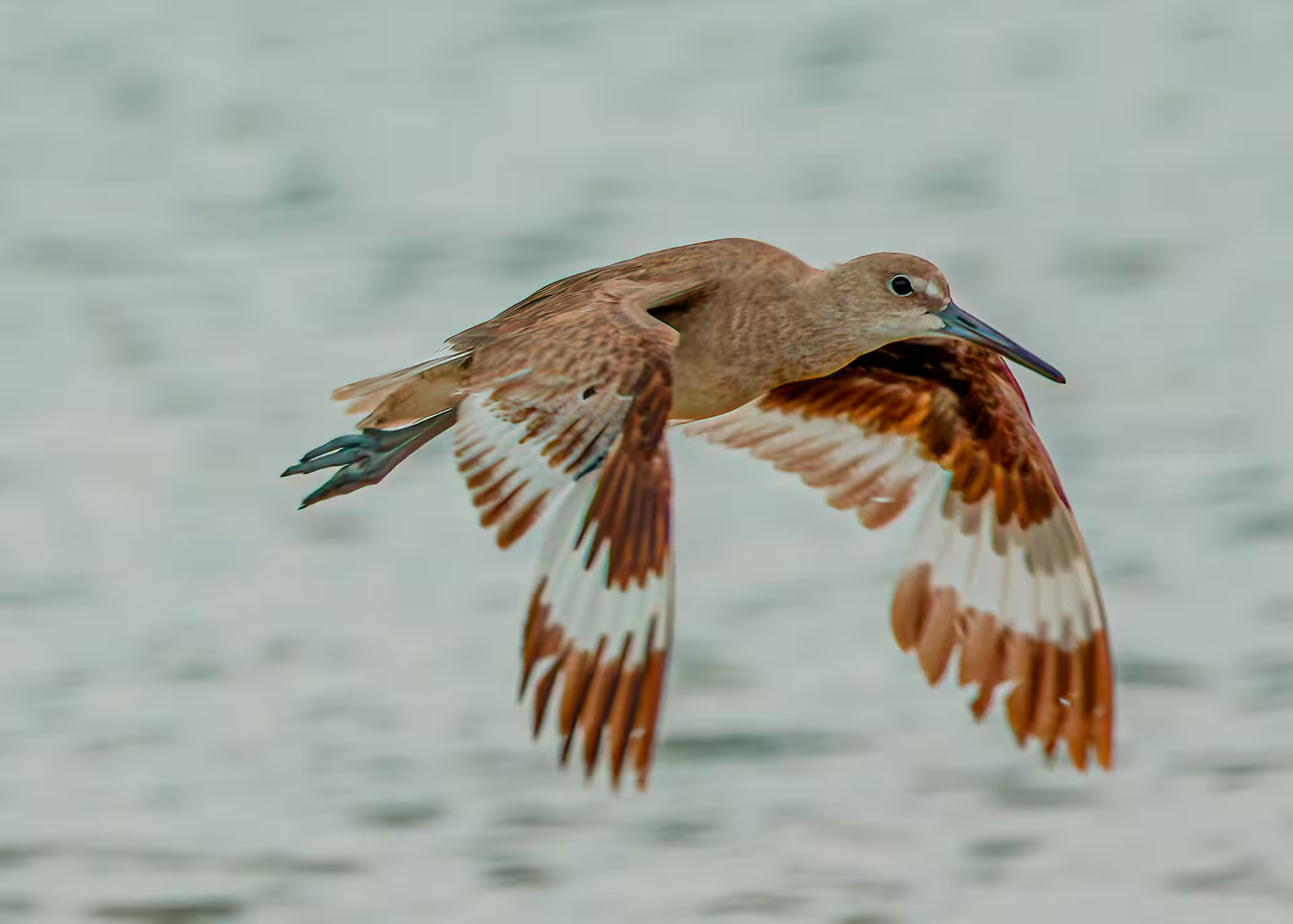
The Whimbrel has the familiar long, curved bill, built for probing and picking prey from coastal habitats. The Willet has a heavier, mostly straight bill and a plainer gray-brown look. It might seem unremarkable while standing still, but watch it take flight: the bold black-and-white wing pattern is one of the easiest Willet field marks to recognize.
The Yellowlegs Have Something to Say
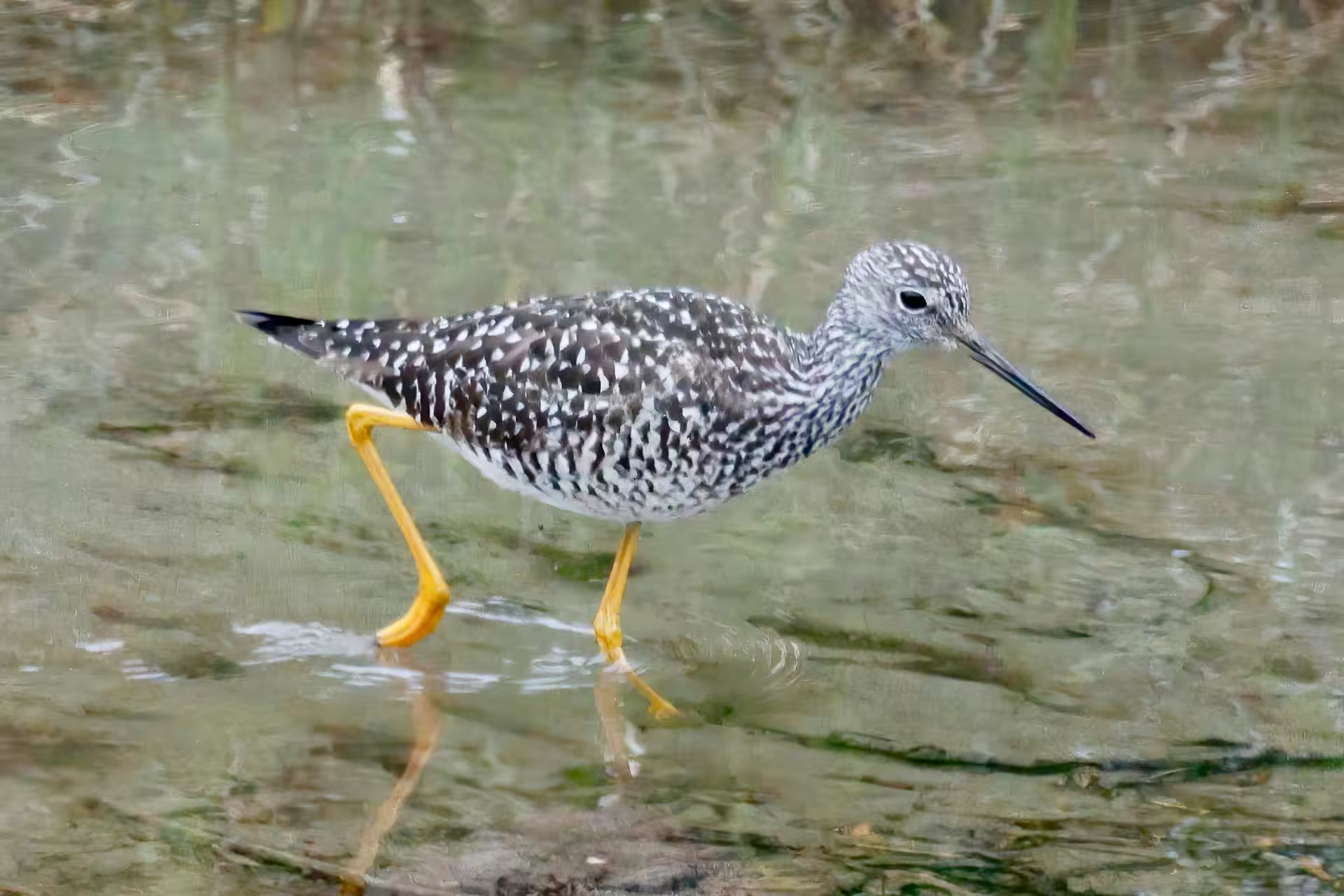
Some shorebirds make you work hard for your identification. Yellowlegs give you a pretty generous first clue: those bright yellow legs stand out against the shallow water.
From my experience, they also seem to be some of the more vocal birds in the bunch. A yellowlegs calling as it lifts off can be much easier to notice than one quietly wading along the edge of a pool.
Greater and Lesser Yellowlegs look similar, but Greater is taller and more robust, usually with a longer bill that may angle slightly upward. Lesser is more compact, with a shorter, straighter bill. Size helps most when they’re side by side; when they aren’t, listen for the calls and combine as many clues as you can.
A Surprise in Diamond Fork Canyon
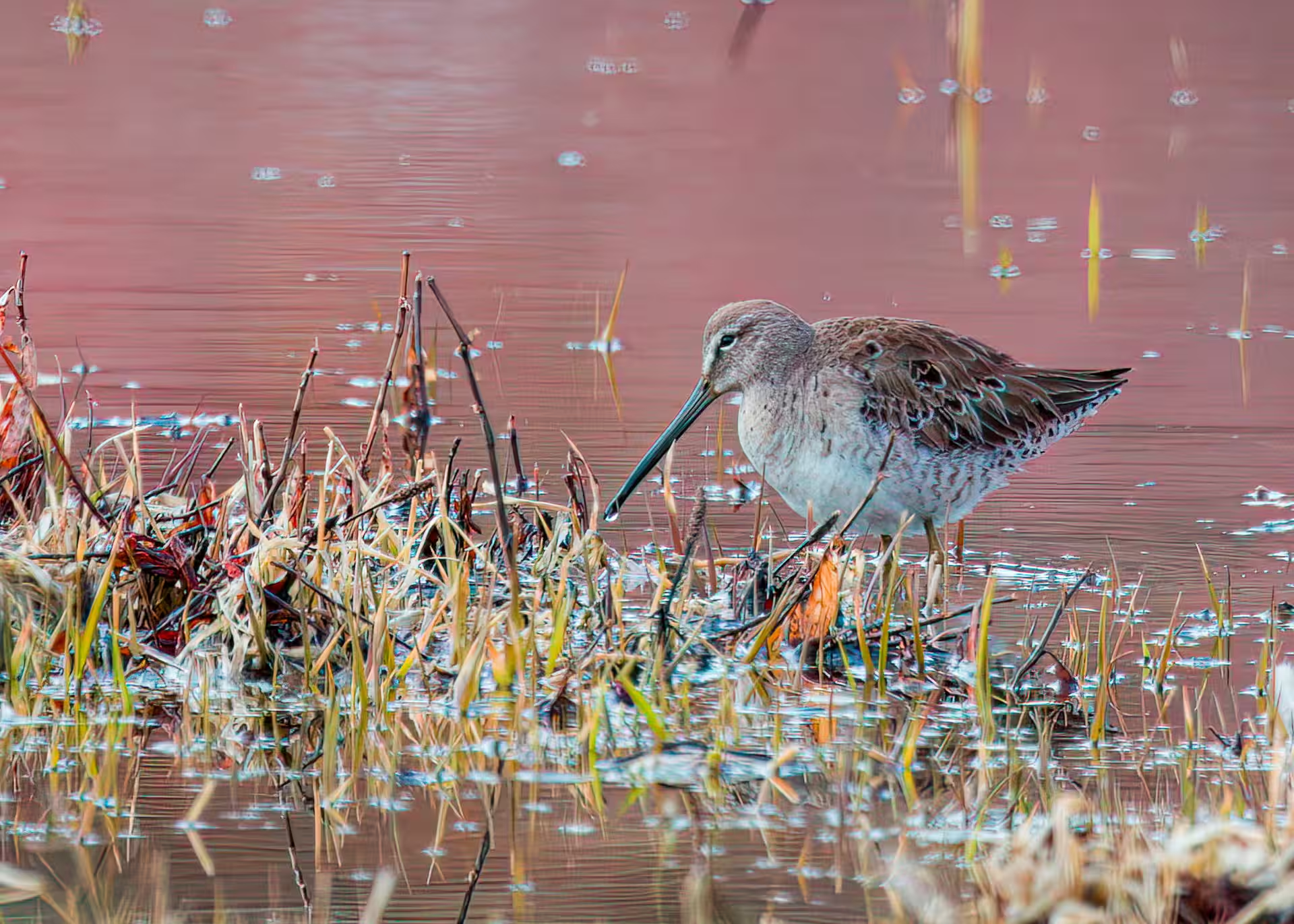
One trip up Diamond Fork Canyon gave me a great reminder not to think of shorebirds as strictly coastal. Spring runoff had formed a marshy pool, and a small flock of American Avocets had settled in.
Hanging out with them was a Long-billed Dowitcher. It was a fun bird to find in a place where I wouldn’t normally expect one. Dowitchers feed by repeatedly pushing their long bills up and down into wet mud, a motion often compared to a sewing machine.
The tricky part is telling Long-billed from Short-billed Dowitcher. Despite their names, their bill lengths overlap, and plumage can be difficult to judge. Habitat and especially voice are often more useful clues. For me, the bigger lesson was simpler: whenever a patch of water attracts shorebirds, take a closer look. You never know who might have joined the flock.
Utah Edition Endcap
Want to keep exploring? You can read more Guides or join the FeatherQuest updates to hear when new ones go live.