
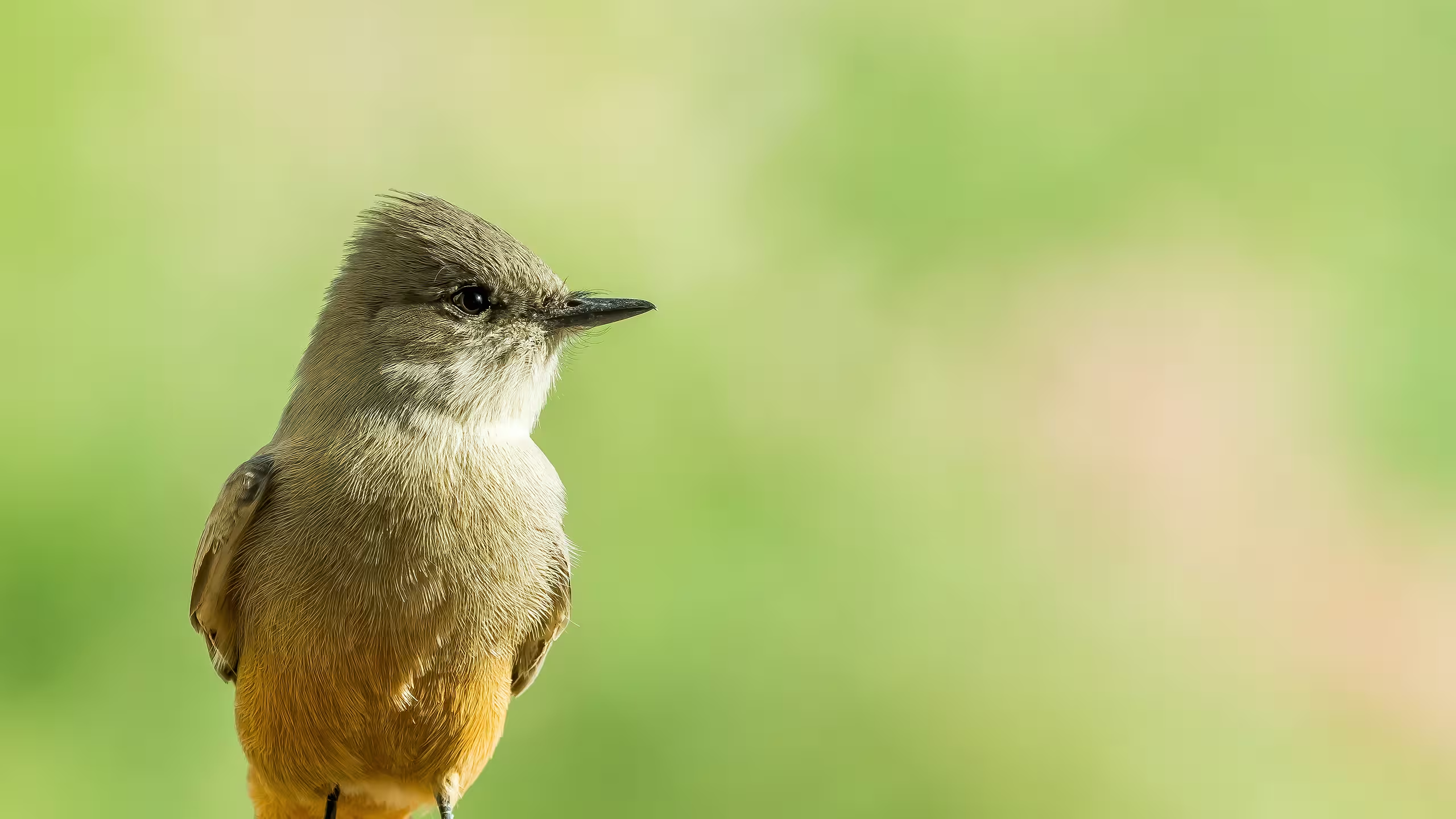
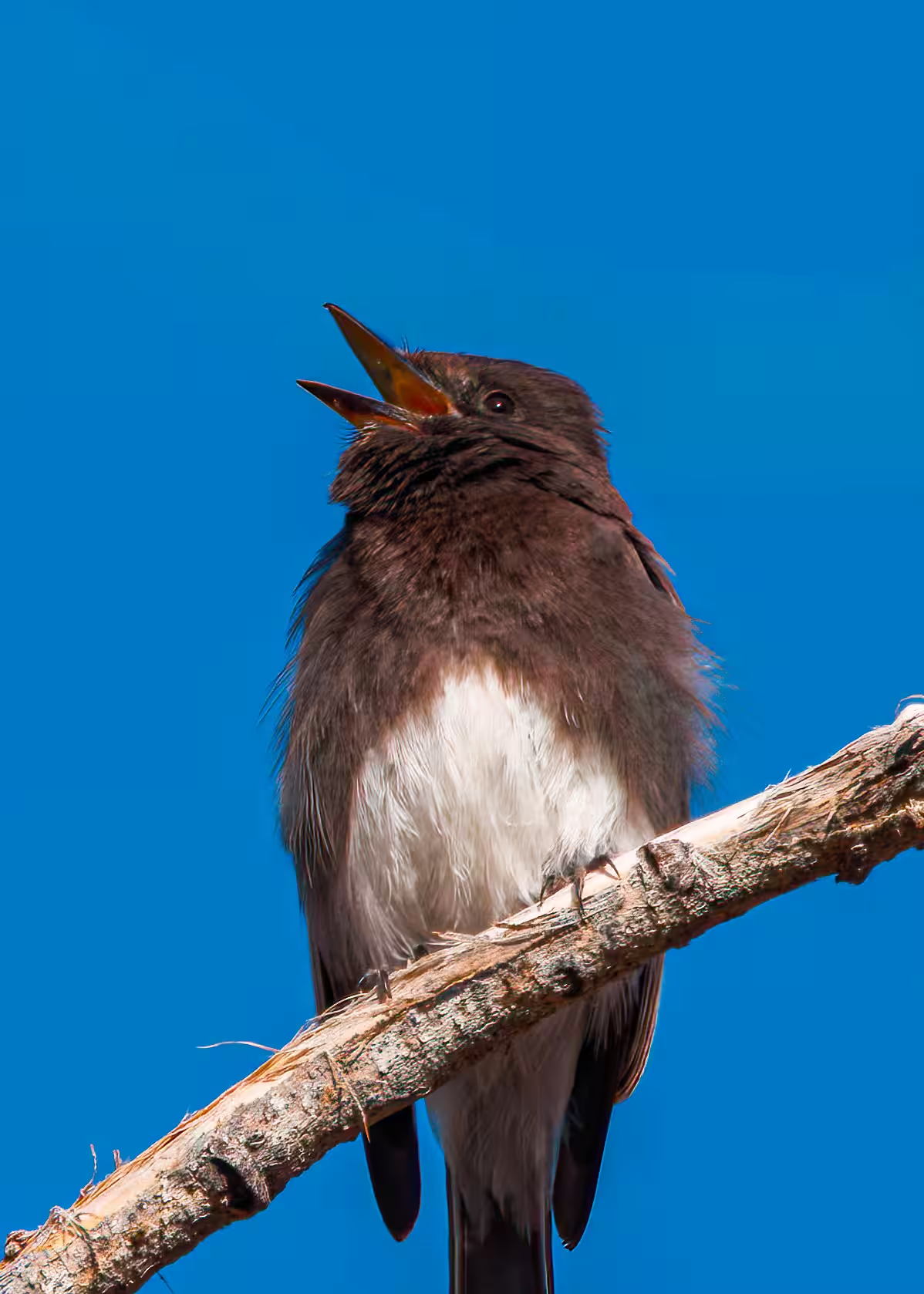
Kingbirds & Phoebes
Perch hunters with bold voices and bigger attitudes.
Table of Contents
How to Notice Kingbirds and Phoebes
Where to Find Them
Look for open space with clear vantage points—fields, lake edges, desert roads, farms, and neighborhood edges. Wires, fence posts, and exposed branches are some of the best places to start.
What to Watch For
Watch for the pattern: perch → launch → catch → return. These birds often use the exact same spot over and over, giving you multiple chances to study them.
Listen Closely
Sharp, confident calls—especially early in the morning. Western Kingbirds in particular can become part of the dawn rhythm in open country.
Explore Further
- Vermilion Flycatcher (All About Birds)
- ▶️ Flycatcher Hunting Superpowers (Fun Animal Superpowers)
- ▶️ Western Kingbird Song (American Bird Conservancy)
Kingbirds & Phoebes
There are some birds you notice… and some you remember.
For me, kingbirds became memorable early. Before I even had my camera, I had just discovered Merlin and headed down to Lake Powell. Every morning at dawn, the same bird would light up the tree right outside our tent—calling, moving, making sure nobody slept in.
That sound stuck. And once you connect that sound to the behavior, everything starts to click.
These birds are not subtle. They sit out in the open. They hunt constantly. And they act like they own the sky around them.

The Pattern You Start Seeing Everywhere
This might be one of the most important behavior weeks in FeatherQuest.
Once you see it, you can’t unsee it.
A bird launches from a perch, grabs something mid-air, and comes right back. Then does it again. And again.
That’s the flycatcher pattern. And once it clicks, you’ll start spotting these birds far more easily—even at a distance.
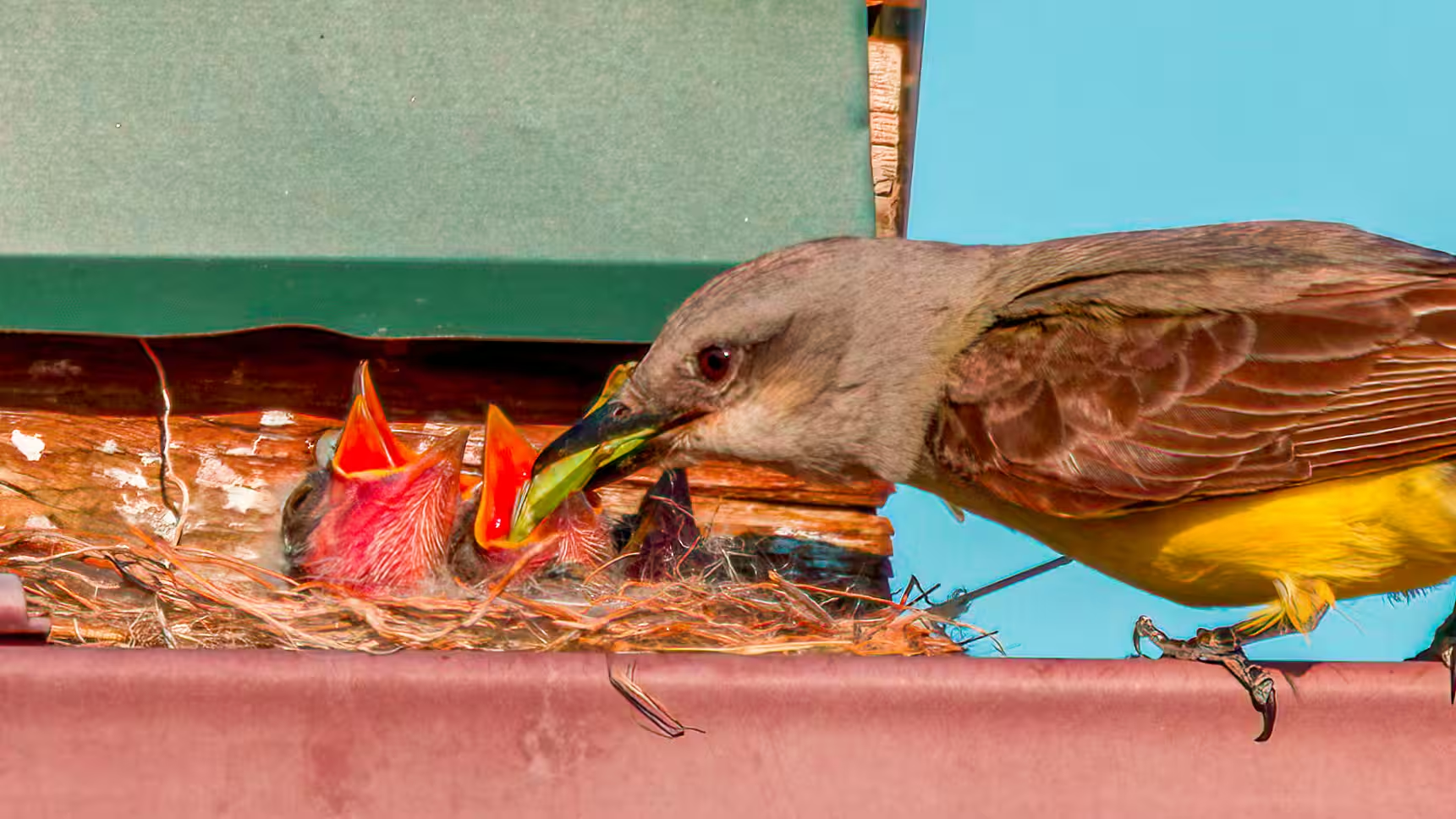
Small Bird. Big Decision.
Then there’s the part that surprises people.
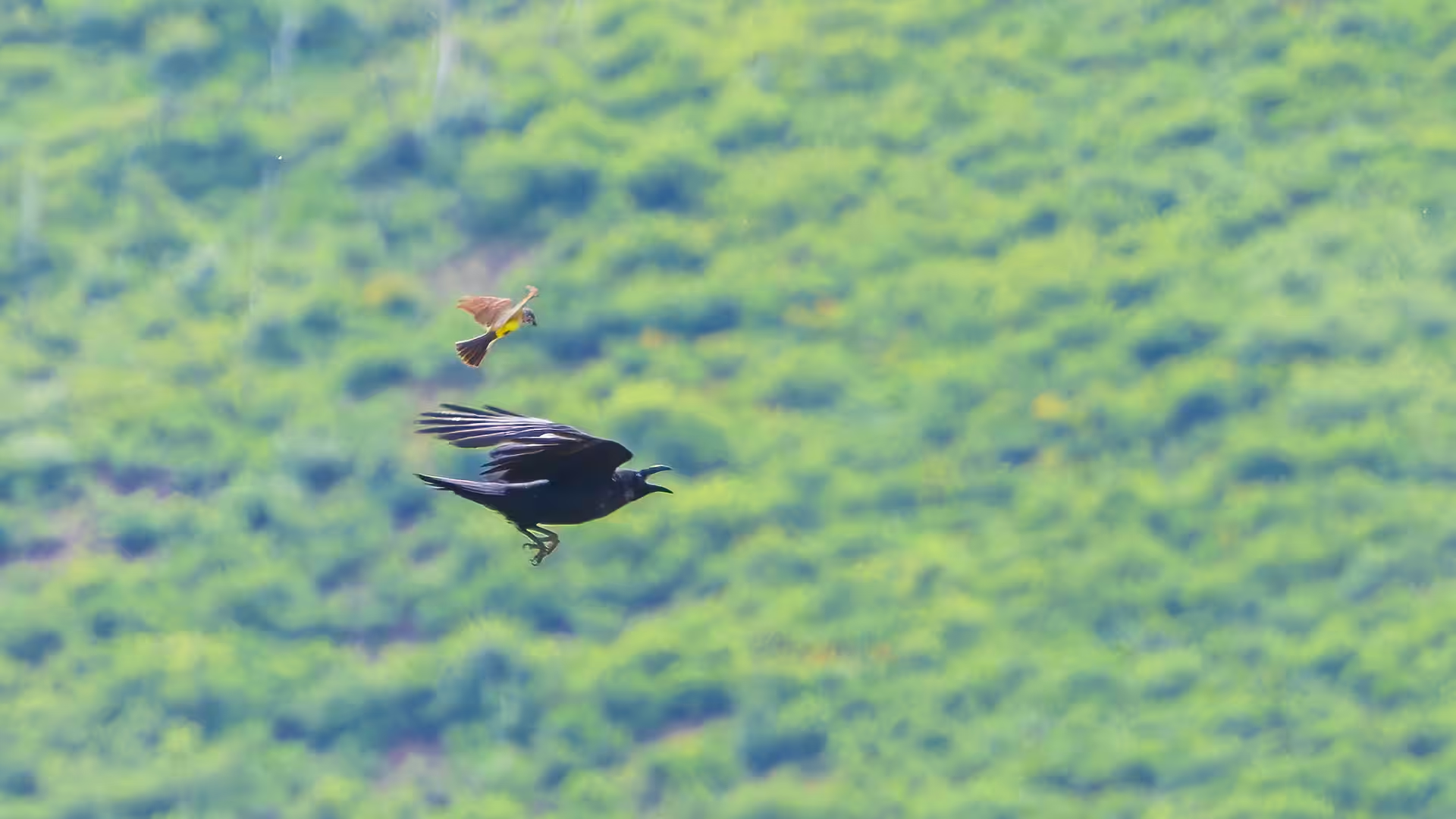
Kingbirds don’t just hunt—they defend.
It’s common to see them chasing ravens, hawks, and other birds many times their size. No hesitation. No buildup. Just immediate commitment.
You see it once and realize—they’re not reacting. They’re controlling their space.
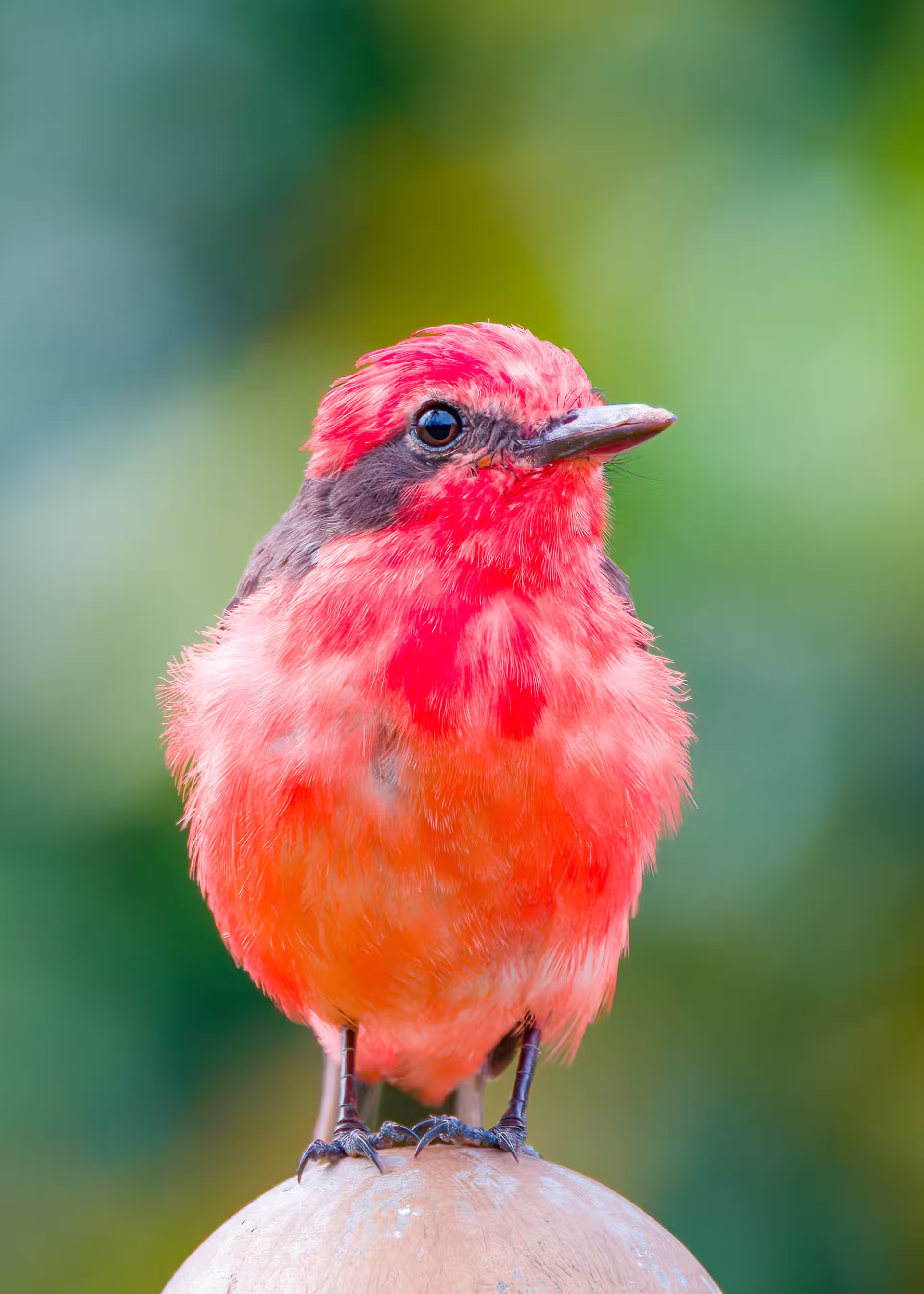
Not All Flycatchers Look the Same
Some species in this group stay subtle—soft browns, grays, and warm tones that blend into their surroundings.
Others don’t hide at all.
The Vermilion Flycatcher feels almost unreal the first time you see it. Bright red, glowing in the right light, and impossible to ignore.
Once You See It
This is one of those weeks where birding gets easier.
Not because the birds are simple—but because the pattern is strong.
Find a wire. Find a branch. Watch for movement.
And once you catch that first perch → flight → return loop…
You’ll start seeing kingbirds and phoebes everywhere.
Utah Edition Endcap
Want to keep exploring? You can read more Guides or join the FeatherQuest updates to hear when new ones go live.