
Herons, Ibises, & Allies
Large wetland birds that turn a quick sighting into a lasting memory.
Table of Contents
How to Notice Herons, Ibises, & Allies
Where to Find Them
Look for this group around marshes, wetlands, pond edges, slow-moving rivers, and shallow shorelines. Ibises and egrets also spend plenty of time in flooded fields and freshly cut agricultural areas.
What to Watch For
Start with size, shape, and posture. Great Blue Herons feel massive and prehistoric. Green Herons are compact and colorful. Ibises fly in flocks with curved bills stretched out in front of them.
Listen Closely
Many of these birds are quiet while feeding, but colonies and evening flights can be noisy. Night-herons give harsh calls after dark, while bitterns are famous for strange booming sounds hidden deep in the marsh.
Explore Further
- Great Blue Heron (All About Birds)
- White-faced Ibis (All About Birds)
- American Bittern (All About Birds)
Herons & Night-Herons
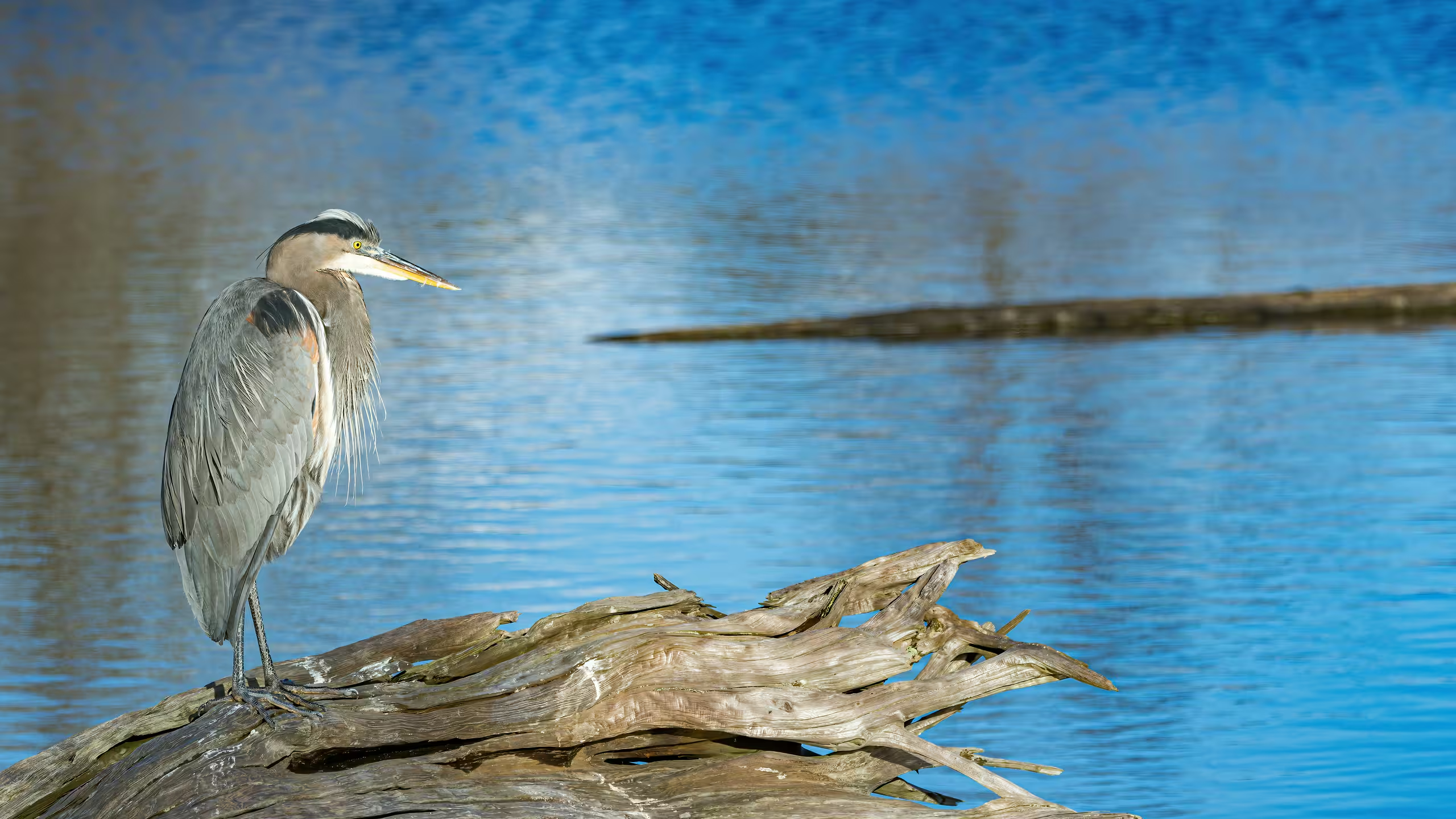
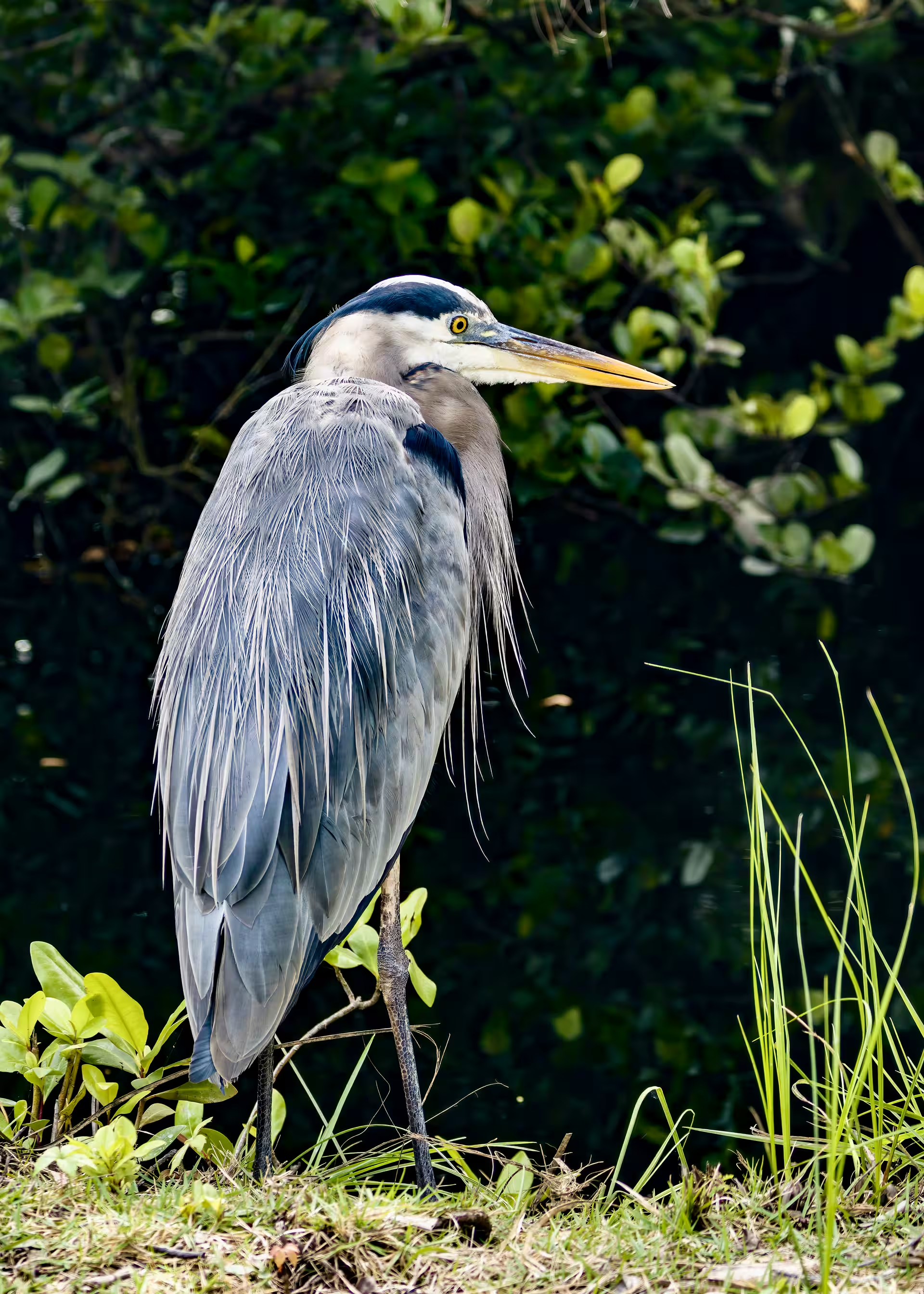
For many birders, the Great Blue Heron is one of those birds that changes everything.
I still remember seeing one early in my birding journey and posting it online. The reaction surprised me. Friends who rarely commented on wildlife photos suddenly noticed. It made sense. A Great Blue Heron is not a subtle bird.
These birds stand nearly four feet tall, hunt with incredible patience, and lift off with a slow, powerful flight that feels almost prehistoric. When one rises from a riverbank or glides across a marsh, it leaves an impression.
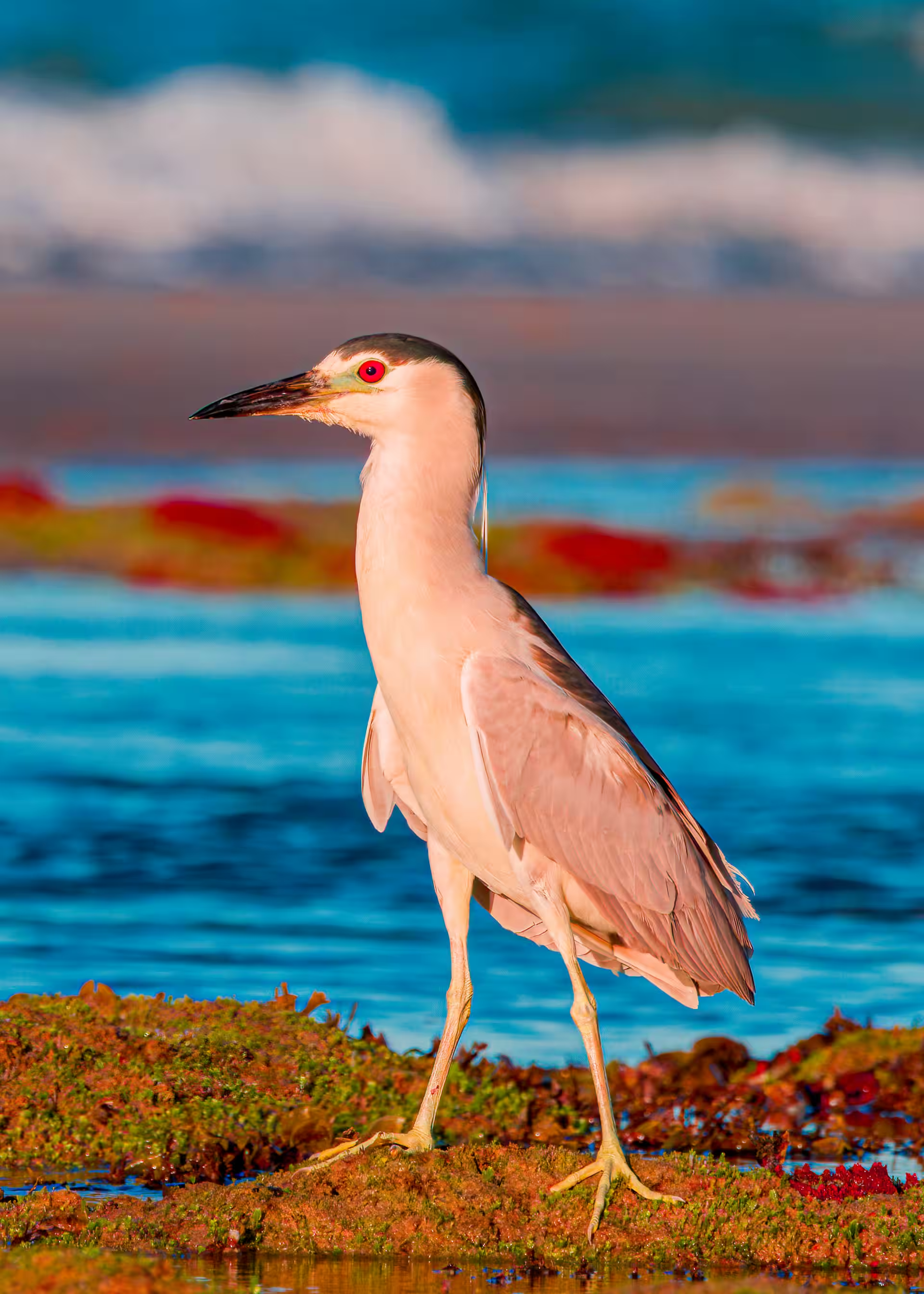
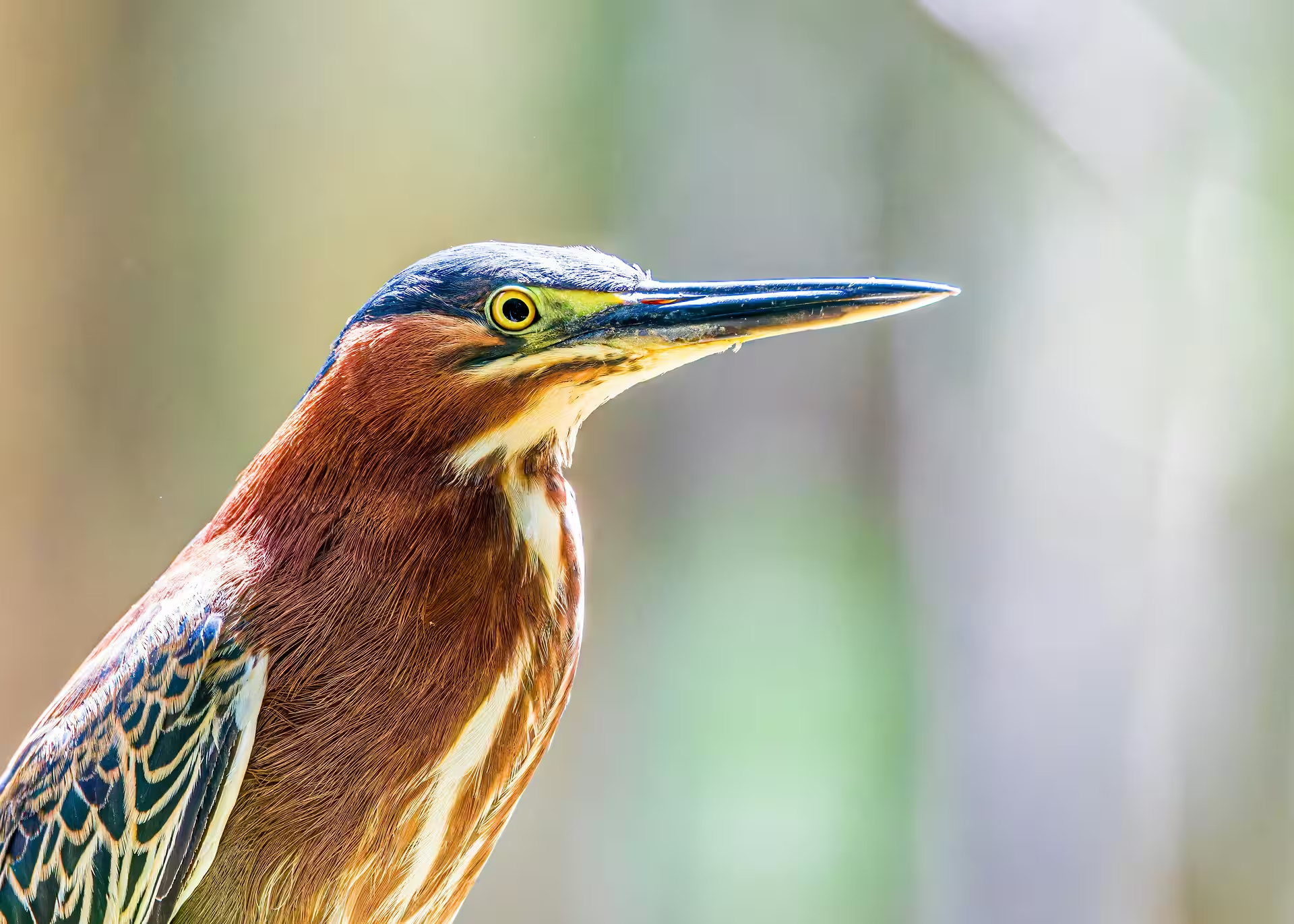
Utah's other herons are much easier to separate once you learn their overall shape. Black-crowned Night-Herons are stockier and often most active around dawn, dusk, or after dark. Green Herons are smaller, richer in color, and can feel almost tropical when you finally spot one tucked along a shaded edge.
Egrets
At first, egrets seem simple. They are the white ones.
Then you realize Utah has more than one white egret, and suddenly every bright bird in a marsh deserves a second look. The most helpful comparison is usually Great Egret vs Snowy Egret.
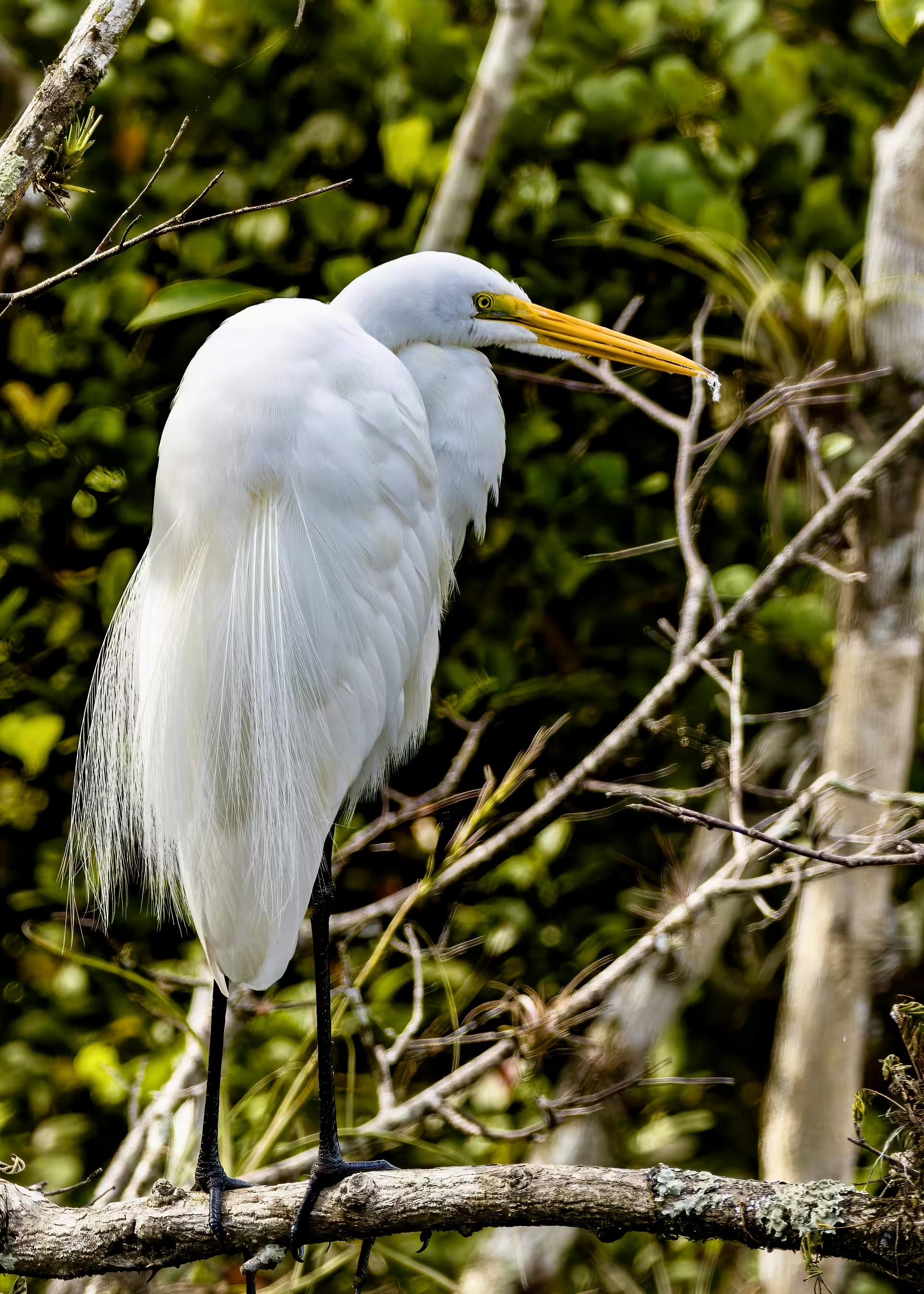
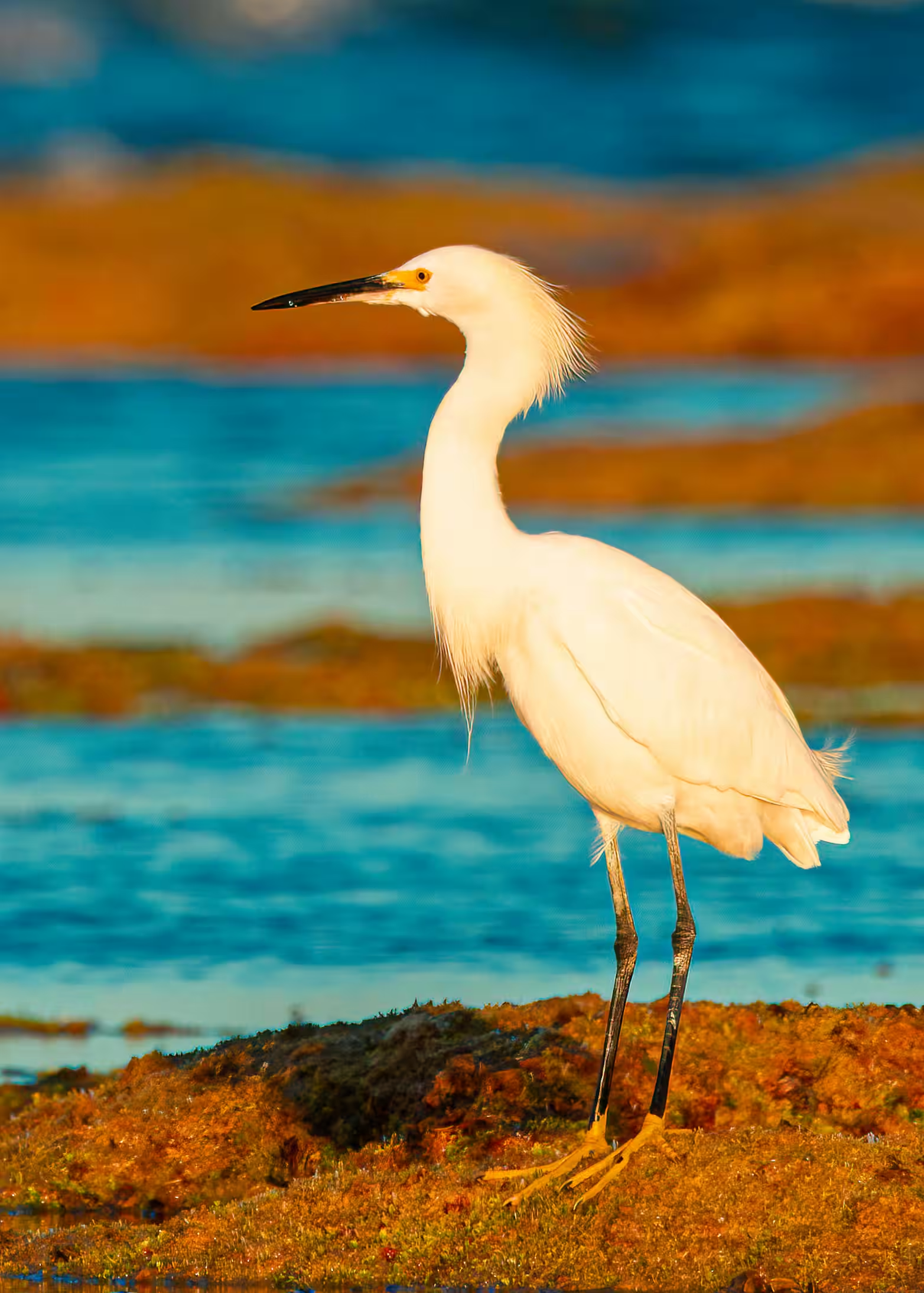
The easiest comparison starts with the bill. Snowy Egrets have a dark bill, black legs, and bright yellow feet. Great Egrets are much larger and show a yellow bill with dark legs and dark feet. Once you learn those combinations, separating the two becomes surprisingly easy.
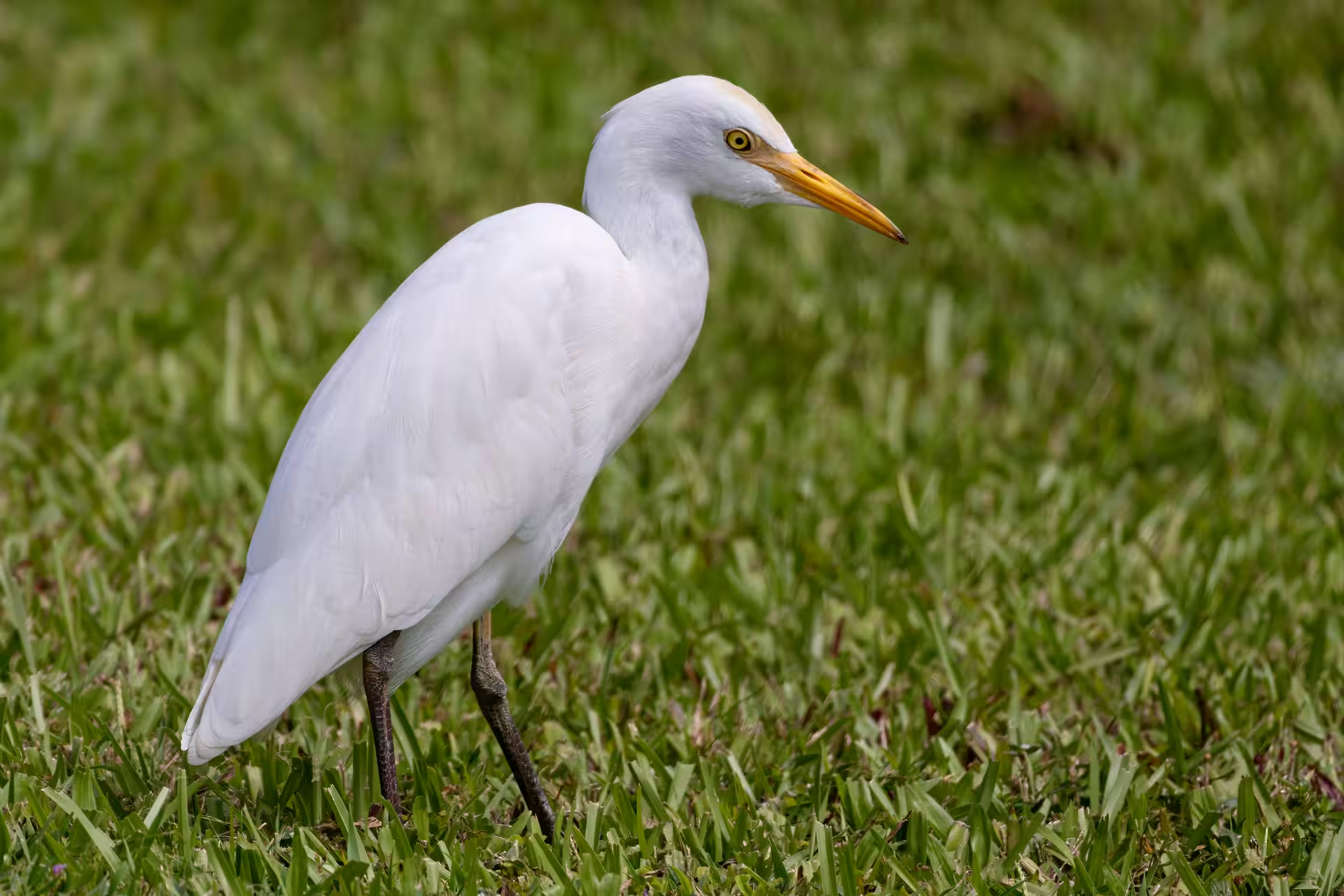
Western Cattle Egrets add another twist. They are shorter and stockier, and they are often found away from water in fields, pastures, and agricultural areas where insects are being stirred up.
Ibises
If herons are defined by posture, ibises are defined by flocks.
White-faced Ibises are common across many Utah wetlands, especially in shallow water and agricultural fields. Their long curved bills, dark bodies, and flashes of iridescent color make them feel completely different from the herons and egrets around them.
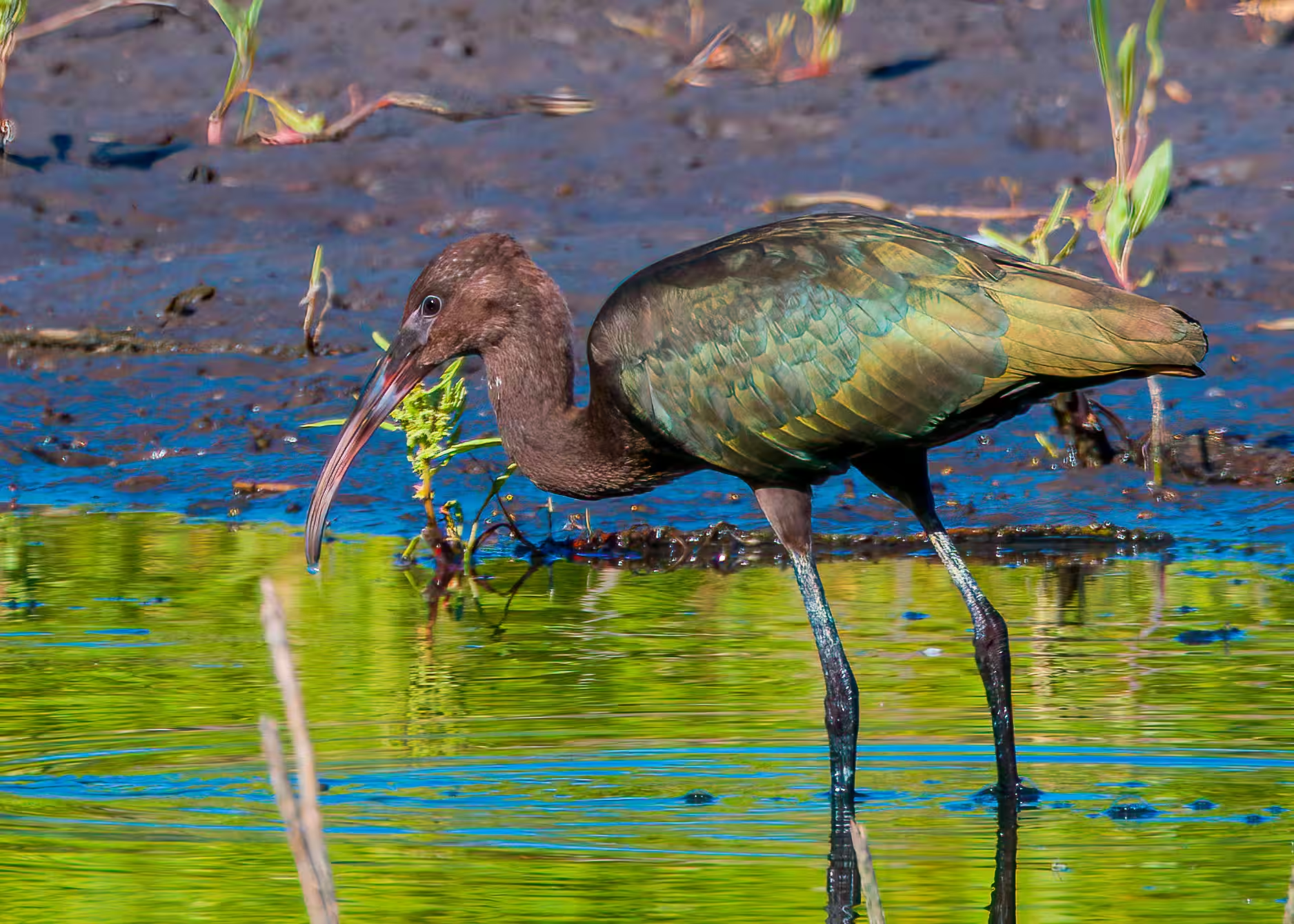
The biggest challenge is the rare Glossy Ibis. It looks very similar to White-faced Ibis, and the differences can be subtle. In breeding season, White-faced Ibises show pinkish-red facial skin around the eye, while Glossy Ibises show bluish facial skin.
Range is often the best clue. In Utah, White-faced Ibis is expected. Glossy Ibis is rare and is usually found mixed into flocks of White-faced Ibises. A possible Glossy is worth studying carefully, but most dark ibises in Utah will be White-faced.
The Secretive Bittern
Then there is the American Bittern.
Bitterns belong with the herons, but they play a very different game. Instead of standing boldly along a shoreline, they disappear into reeds and cattails. Their streaked bodies blend into the marsh so well that a bird can be standing nearby and still remain almost invisible.
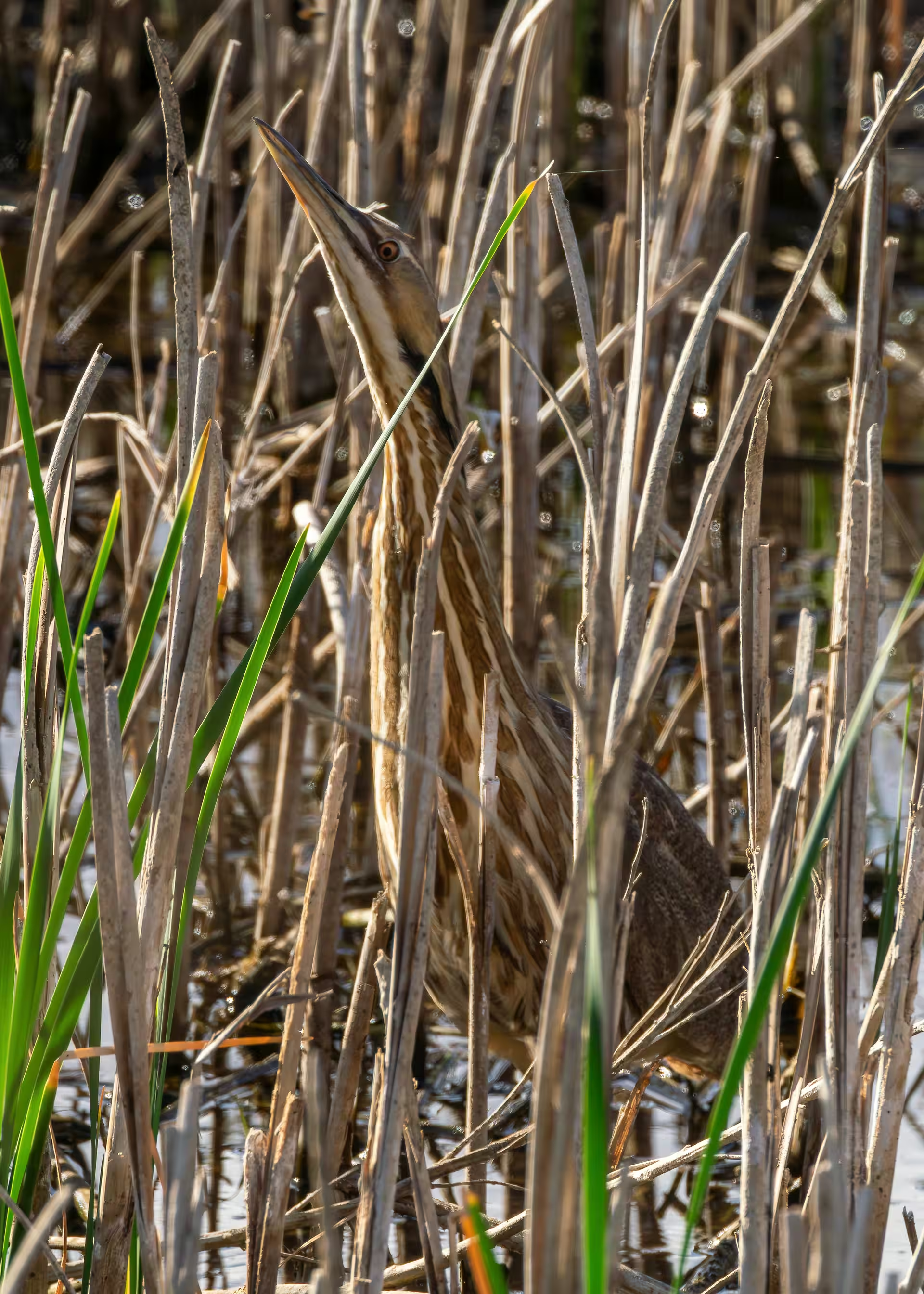
When threatened, an American Bittern may point its bill upward and freeze, lining its body up with the surrounding vegetation. It is one of the most impressive camouflage tricks in Utah birding.
It is also one of the birds I still have not seen. After plenty of time around wetlands, it remains a personal target—and a good reminder that some birds keep the quest going simply by staying hidden.
Utah Edition Endcap
Want to keep exploring? You can read more Guides or join the FeatherQuest updates to hear when new ones go live.