

Gnatcatchers & Dippers
Tiny voices, rushing streams, and two of Utah's most memorable specialists.
How to Notice Gnatcatchers & Dippers
Where to Find Them
American Dippers belong to clean, fast-moving mountain streams where rocks break the current. Blue-gray Gnatcatchers are usually found in leafy woodlands, riparian corridors, and scrubby edges, while Black-tailed Gnatcatchers are a southern Utah desert specialty.
What to Watch For
Watch for a slate-gray bird bobbing on rocks near rushing water, then disappearing into the stream. For gnatcatchers, look for tiny gray birds that rarely sit still, constantly flicking their long black-and-white tails as they search for insects.
Listen Closely
Dippers can sing surprisingly loud songs over the sound of rushing water. Gnatcatchers are the opposite—listen for thin, squeaky calls that sound almost more like a tiny toy than a bird.
Explore Further
- American Dipper Guide (All About Birds)
- Blue-gray Gnatcatcher Guide (All About Birds)
- Black-tailed Gnatcatcher Guide (All About Birds)
Small Birds, Big Specialties
This is one of the more unusual pairings in the FeatherQuest year, but that is also what makes it fun. Dippers and gnatcatchers are not closely related, and they do not share the same habitat, shape, or style.
What they do share is specialization. The American Dipper has mastered rushing water in a way almost no other songbird has. Gnatcatchers have mastered the tiny, restless world of insects hiding among leaves, twigs, and desert scrub.
Both are reminders that birding gets more interesting when you slow down. A gray bird beside a creek might turn out to be walking underwater. A tiny squeak in the trees might lead you to one of the smallest, busiest birds in Utah.
The Bird That Walks Underwater
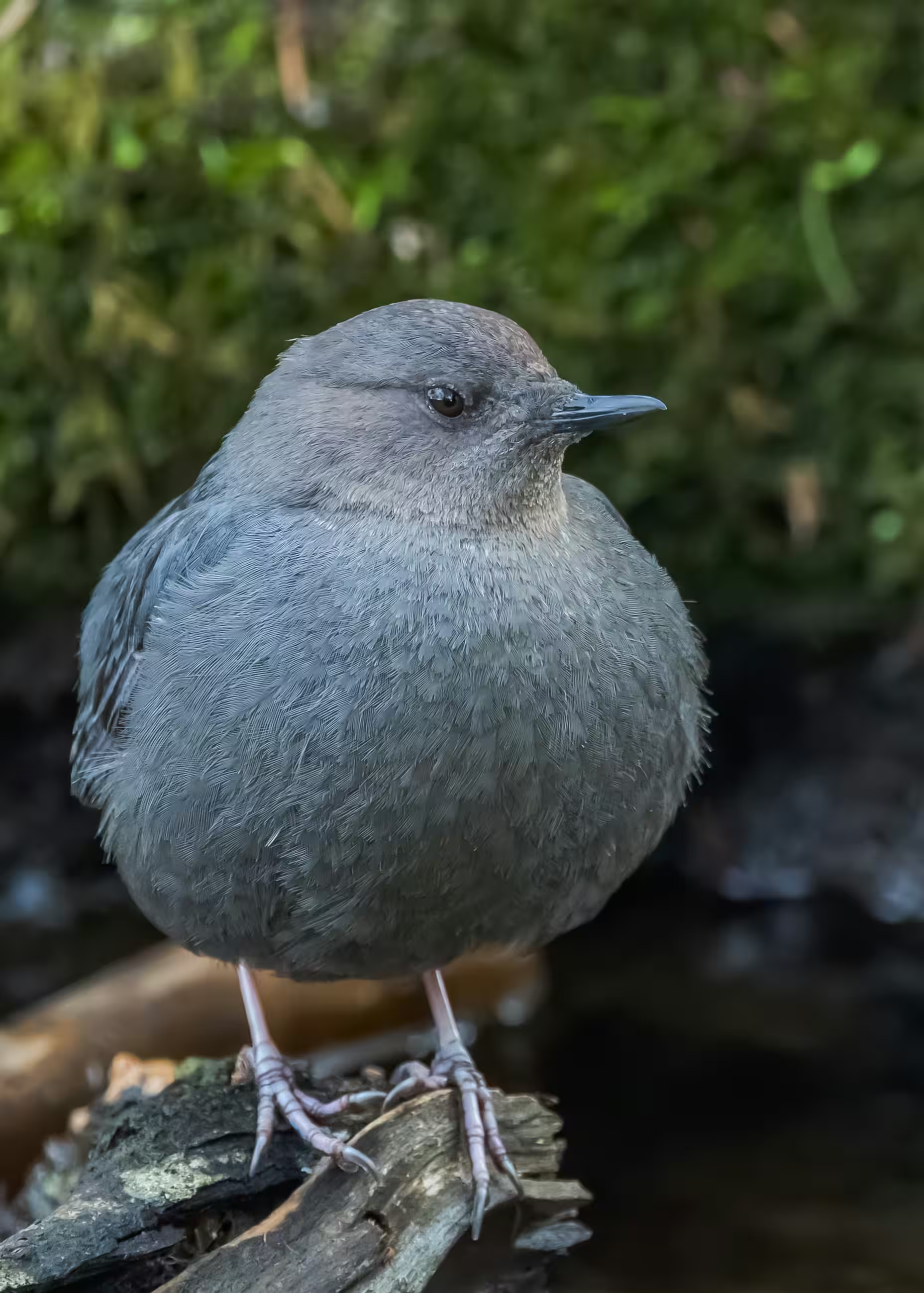
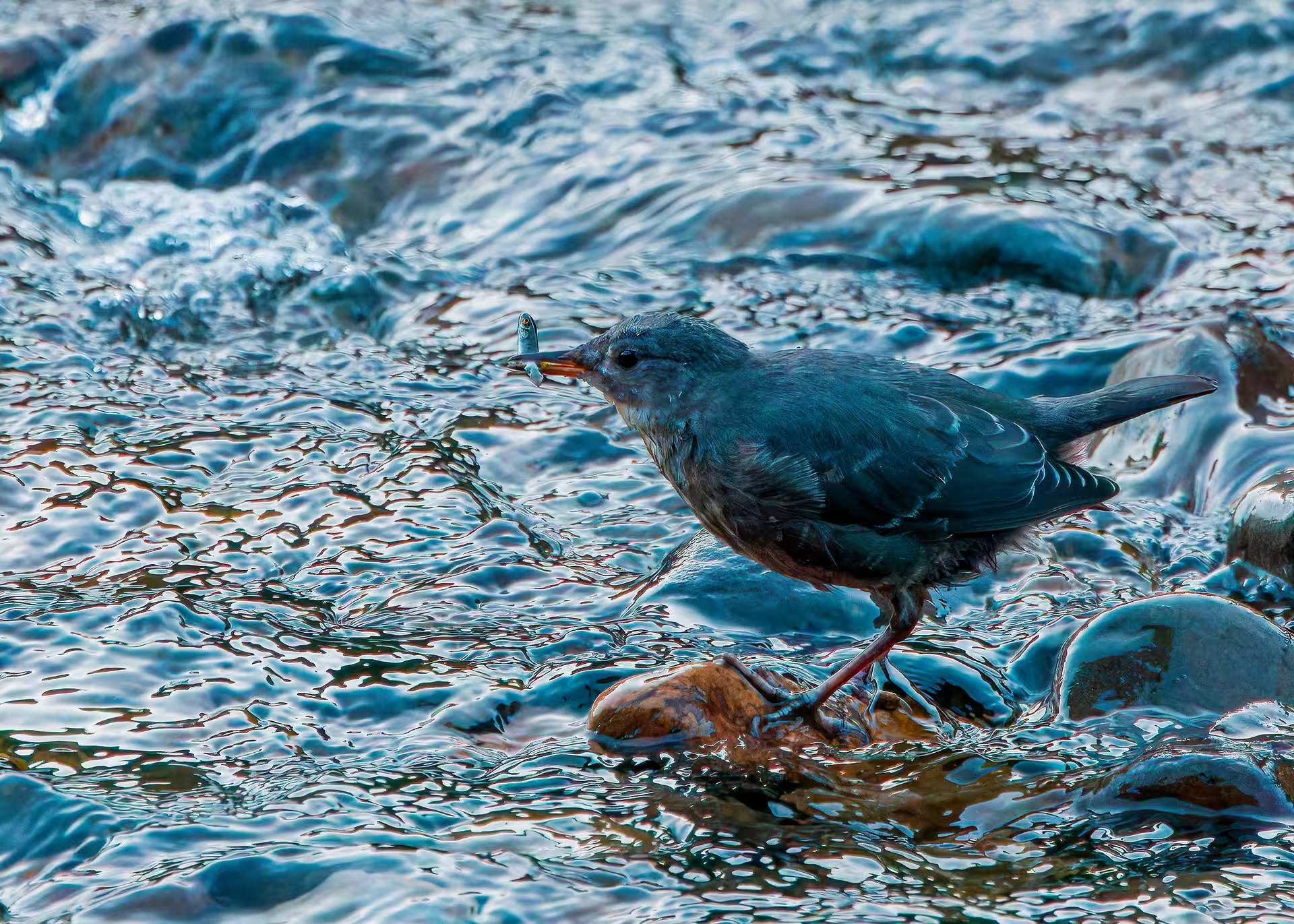
American Dippers are one of Utah's most entertaining birds to watch. At first they may look like simple gray songbirds standing beside a creek, but spend a few minutes with one and the whole personality starts to show.
They hop from rock to rock, bob up and down almost constantly, and then suddenly plunge into the water. Unlike most birds that catch food from the surface, dippers can actually walk along the bottom of fast-moving streams while hunting aquatic insects, larvae, and even small fish.
Because they rely on clean, oxygen-rich streams, American Dippers are often tied to mountain canyons, rocky creeks, and clear water. Once you learn their bouncing motion, they become much easier to notice against the rocks.
Tiny Birds with Squeaky Voices
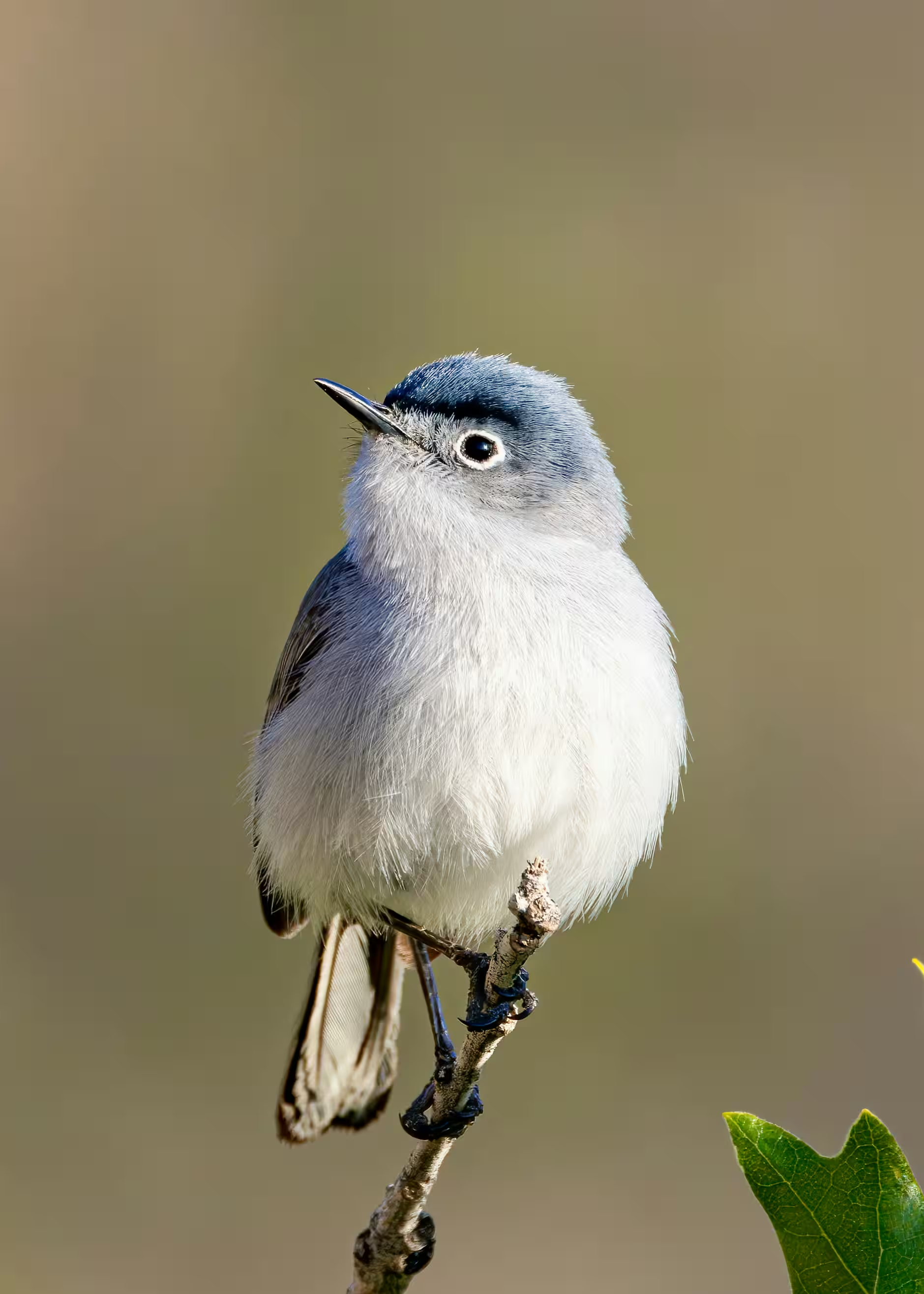
Gnatcatchers are easy to miss until you learn their sound. They are tiny, active birds with thin bills, long tails, and soft gray-and-white plumage. Their high, squeaky calls can sound almost like a tiny toy being squeezed somewhere in the branches.
Blue-gray Gnatcatchers are the species most Utah birders are likely to encounter. They move quickly through trees and shrubs, flicking their tails as they search leaves and branches for small insects. A clean white eye ring, thin bill, and long black-and-white tail are usually the best clues.
Black-tailed Gnatcatchers add a southern Utah twist. They prefer warmer, drier desert habitats and are much more limited in the state. For many Utah birders, finding one means heading south into desert scrub and listening carefully for another tiny voice in a big landscape.
Utah Edition Endcap
Want to keep exploring? You can read more Guides or join the FeatherQuest updates to hear when new ones go live.