

Finches
Seeds, color, and mountain specialists.
Table of Contents
How to Notice Finches
Where to Find Them
Finches show up in a wide range of Utah habitats. House Finches and American Goldfinches often visit backyard feeders and parks, especially where sunflower seeds are available. Pine Siskins and Cassin’s Finches lean toward conifer forests and mountain slopes, while the hardy rosy-finches spend winters on windswept alpine peaks.
What to Watch For
Finches are social and often move in small flocks. Watch for quick bouncing flight patterns, active feeding behavior, and constant chatter between birds. Many species hang upside down on seed heads or feeders while extracting tiny seeds.
Listen Closely
Finch songs are cheerful and musical, often delivered in long flowing phrases. House Finches and goldfinches sing bright, energetic songs that can fill neighborhoods and parks. Even small groups can sound like an entire chorus when they get going.
Explore Further
- Alta Rosy Finch Quest (FeatherQuest)
- ▶️ Rosy Finch Banding at Alta (FeatherQuest)
- Evening Grosbeak Guide (All About Birds)
- Red Crossbill Guide (All About Birds)
Finches
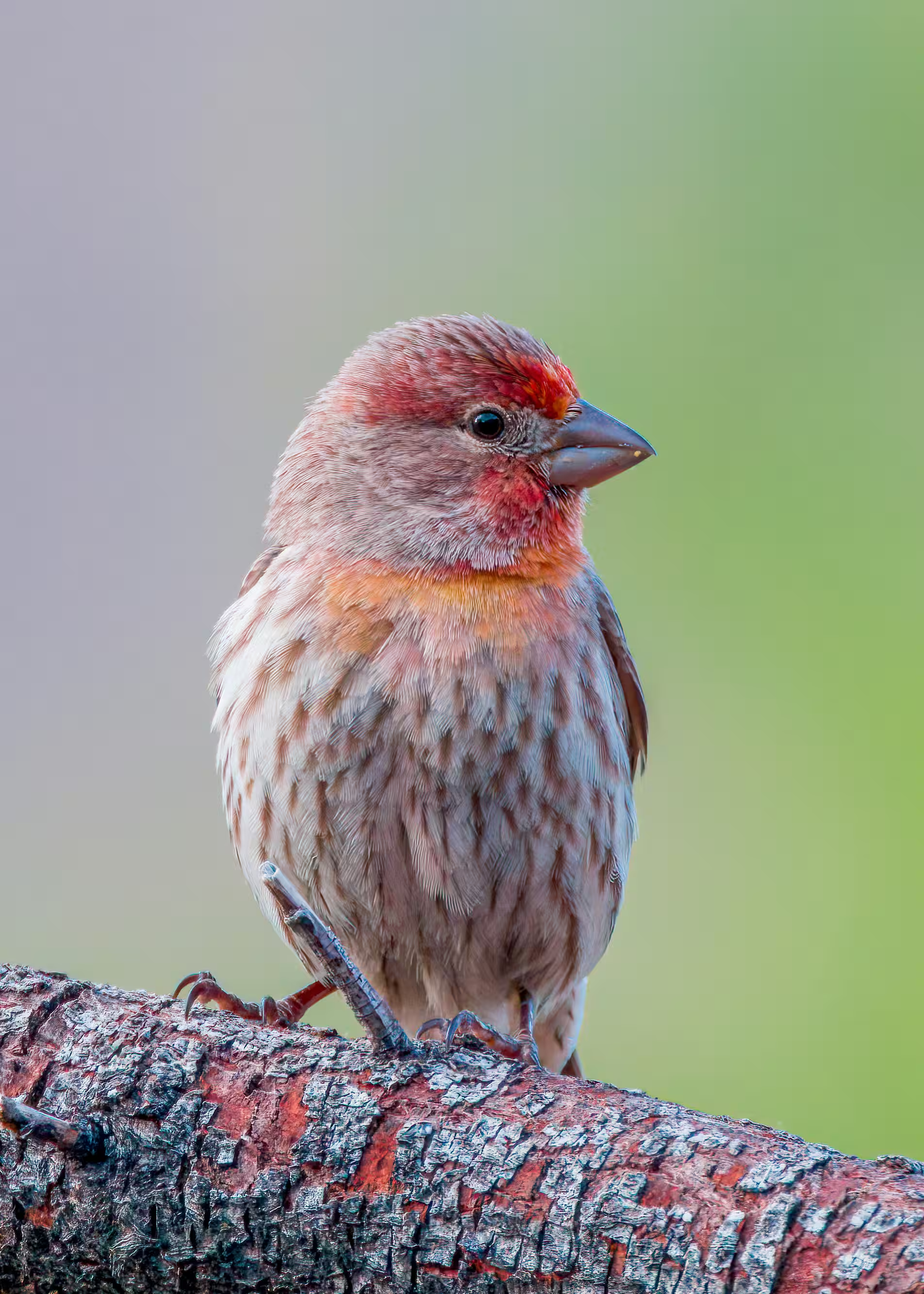
Finches are among the most colorful and cheerful songbirds in Utah. For many people, they are some of the first birds that make backyard birding feel alive. House Finches are usually early feeder regulars, and American Goldfinches bring a lighter, brighter energy whenever they show up.
They are seed specialists at heart, built around small bills, social feeding, and constant movement. Whether they are clinging to a feeder, picking through dried plants, or bouncing overhead in small flocks, finches often feel active and happy in a way that is easy to notice.
The Goldfinch Glow-Up
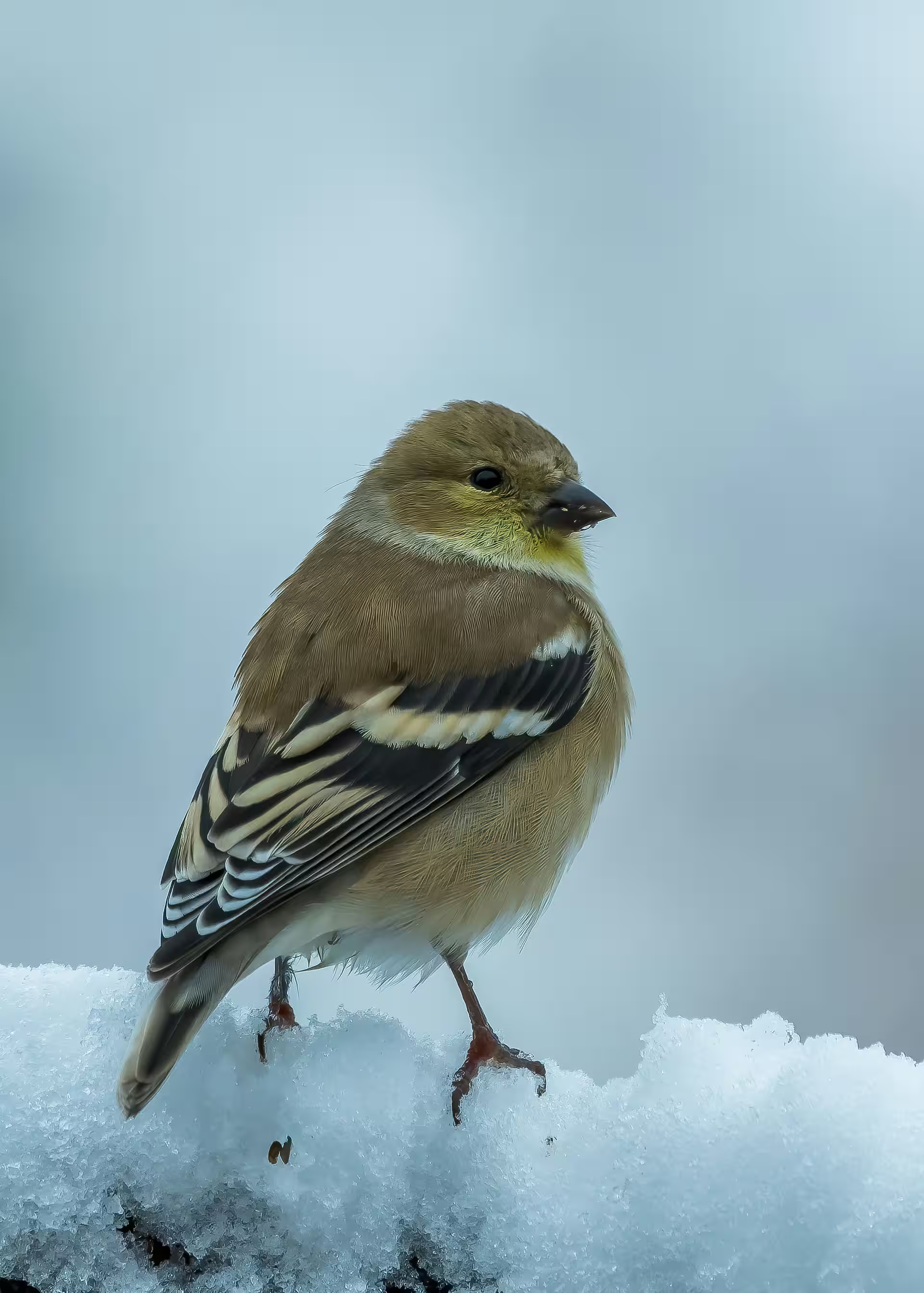
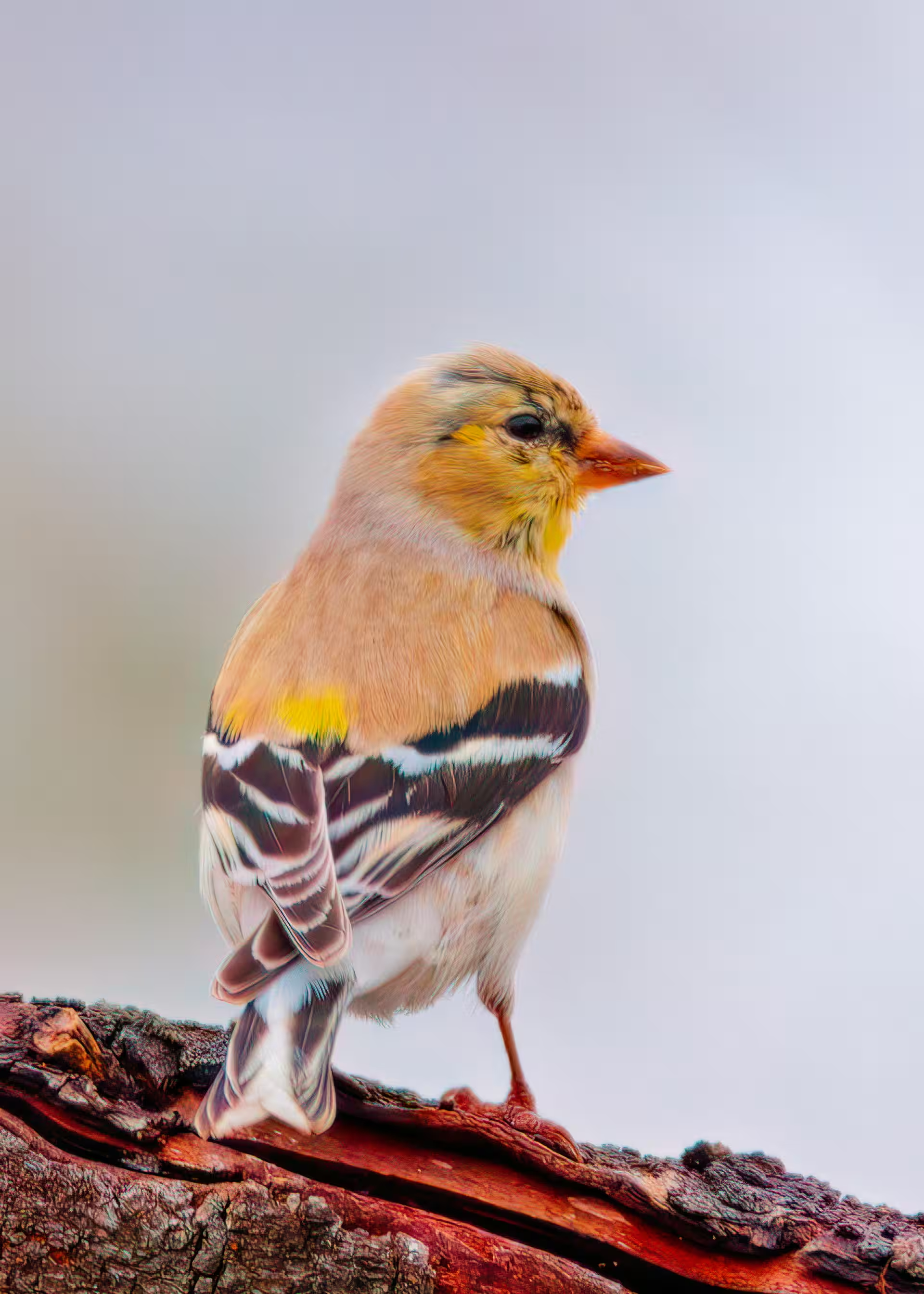
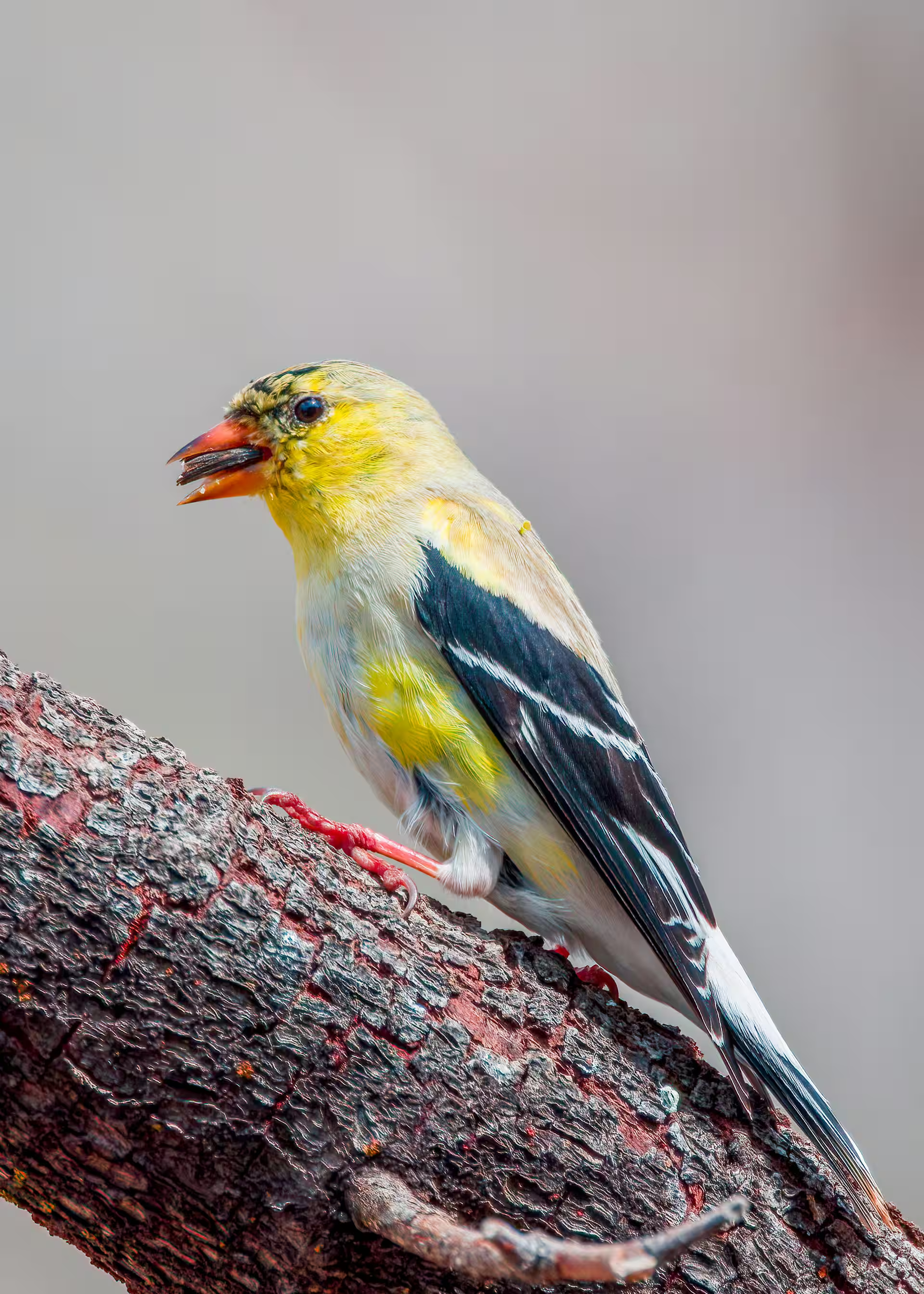
American Goldfinches go through one of the most noticeable seasonal changes of any common backyard bird. In winter, they can look surprisingly subtle—olive, tan, and easy to overlook. Then spring starts to work on them, and the males begin shifting into that bright yellow breeding plumage.
It really does feel like a transformation.
That seasonal cycle is part of what makes goldfinches so fun to follow. They are not just a species to identify once. They are a bird you can watch change over time, which makes them a great reminder that birding is also about noticing process, not just names.
Around my house they usually stick around through most of the molt, then disappear toward the foothills just as the males reach full color. It is a small seasonal rhythm that makes their transformation even more fun to follow.

Mountain Finches
The finch family also stretches far beyond feeders and neighborhood trees. In Utah’s mountains, Cassin’s Finches and Pine Siskins move through conifer forests, while the rosy-finches push even farther into alpine country. These are birds shaped by elevation, weather, and specialized habitats.
That is part of what makes finches such a fun family. One branch of the family feels familiar and backyard-friendly. Another leads you up into colder forests, exposed ridgelines, and some of the harshest birding environments in the state.
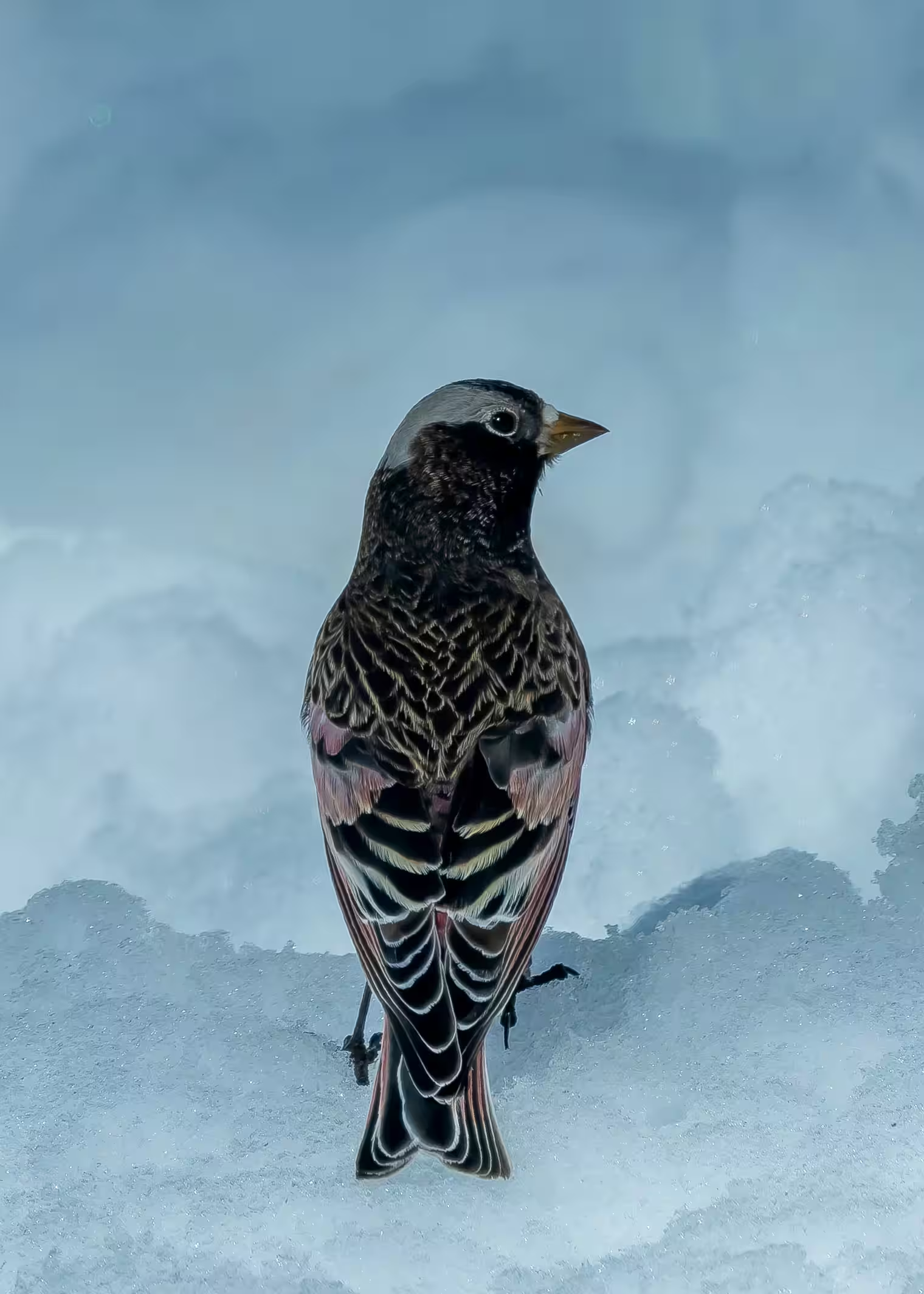
Rosy-finches are a perfect example. They spend winter on windswept peaks and move through high mountain environments that feel far removed from the average backyard feeder. Seeing them at Alta while scientists were banding them was a strong reminder that this same bird family spans both the ordinary and the extreme.
And then there are the bill specialists. Crossbills twist open pine cones with uniquely crossed mandibles. Grosbeaks use thick, powerful bills to crush tough seeds. However different they look, finches are all variations on a theme: birds built to master seeds in very different places.
Utah Edition Endcap
Want to keep exploring? You can read more Guides or join the FeatherQuest updates to hear when new ones go live.