
Empidonax Flycatchers & Pewees
When birding becomes more about listening than looking.
Table of Contents
How to Notice Empidonax Flycatchers & Pewees
Where to Find Them
Look for these birds in riparian corridors, mountain forests, canyon bottoms, aspen groves, and wooded edges. They often perch quietly in the middle canopy, watching for passing insects.
What to Watch For
Watch for a bird launching from a perch, grabbing an insect in mid-air, and returning to the exact same branch. This hunting pattern is often easier to identify than the bird itself.
Listen Closely
This is a week where your ears become more important than your eyes. Many species look remarkably similar, but their calls and songs can quickly narrow down the possibilities.
Explore Further
- ▶️ Empidonax Advanced ID (Absorbed In Nature)
- Willow Flycatcher (All About Birds)
- Western Wood-Pewee (All About Birds)
Empidonax & Pewees
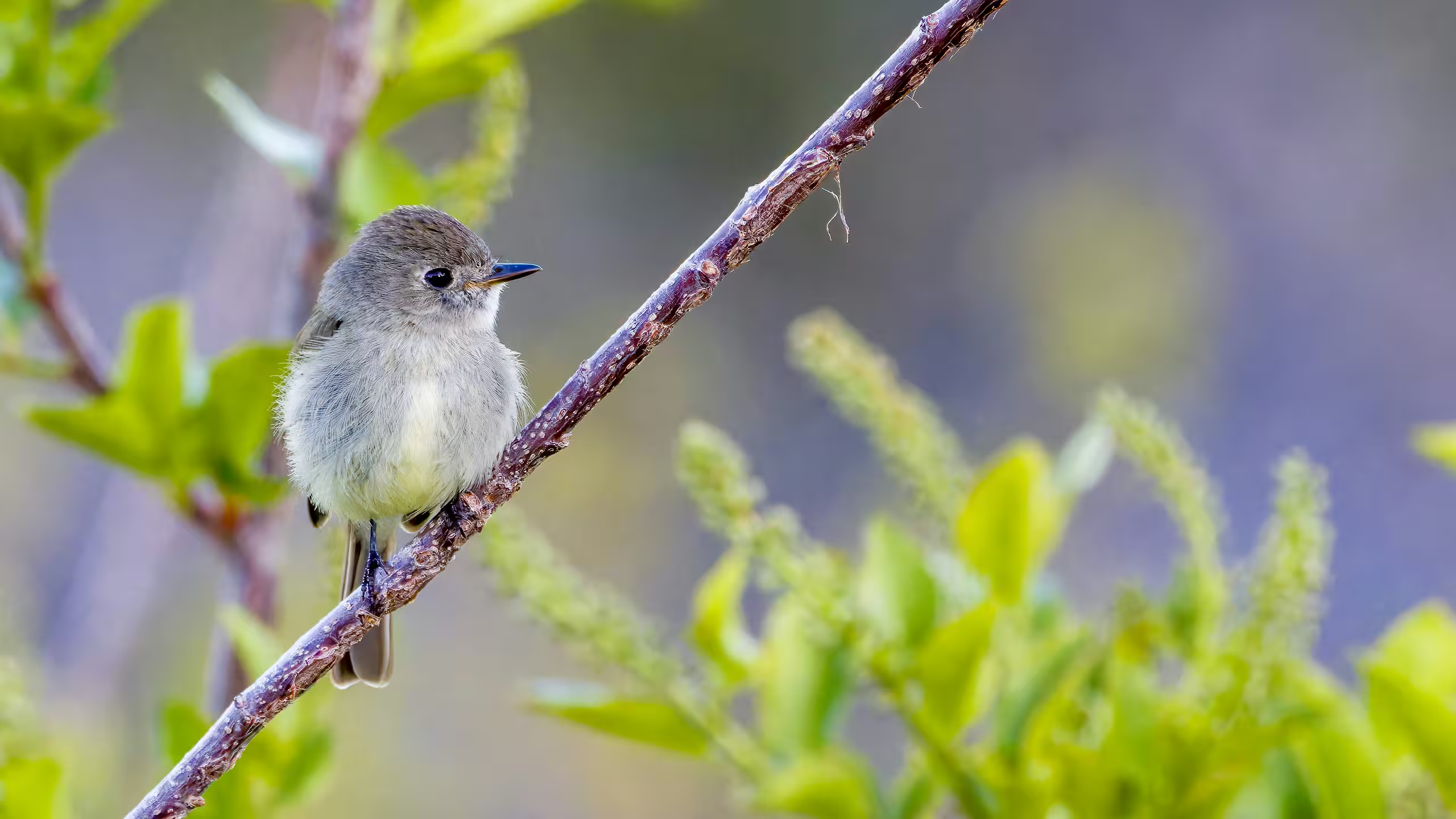
If there's one bird family that can humble even experienced birders, it's the flycatchers.
By now you've already met the bold personalities of the flycatcher family through kingbirds and phoebes. These birds are different. Their colors are subtle, their field marks can be frustratingly similar, and many species are easier to identify by sound than appearance.
Most birders never casually say Empidonax. In fact, when someone says they found an 'Empid,' they're often admitting they've found one of those notoriously difficult little flycatchers but aren't completely sure which one.
The name Empidonax comes from Greek roots meaning 'master of the gnats'—a fitting title for birds that spend much of their day chasing tiny flying insects. Despite the impressive name, most birders simply call them flycatchers.
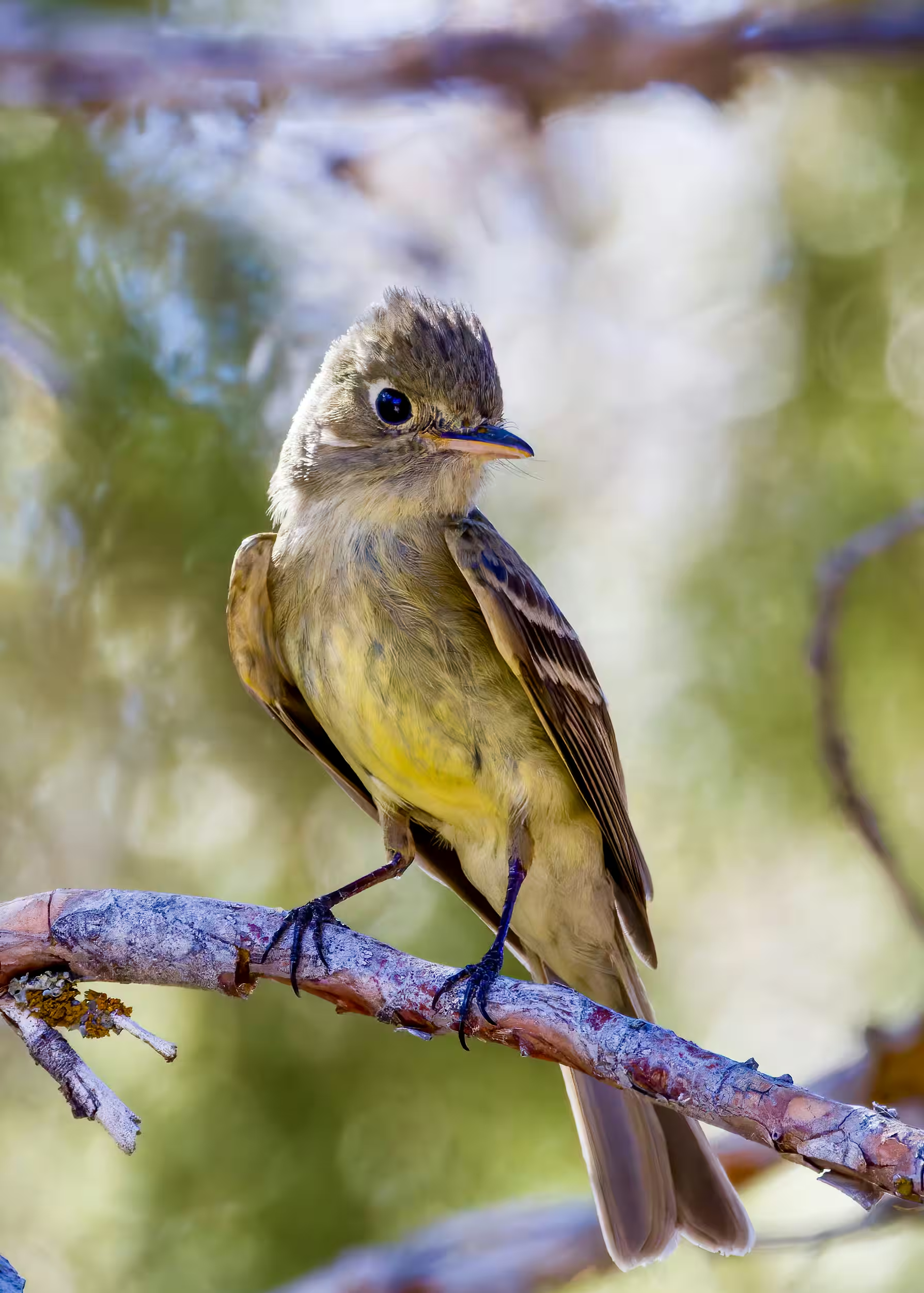
Unlike kingbirds and phoebes, these birds challenge us to slow down, listen carefully, and pay attention to the details.
Meet the Pewees
Pewees belong to the same flycatcher family, but they tell a slightly different story.
Unlike Empidonax, the name Pewee comes directly from the bird itself. Early naturalists described the song as sounding like 'pee-a-wee,' and the name eventually stuck.
Western Wood-Pewees often perch high in exposed branches where they can watch for insects. Their longer wings, upright posture, and distinctive whistled songs give them a different feel from the smaller Empidonax flycatchers.
Trust Your Ears
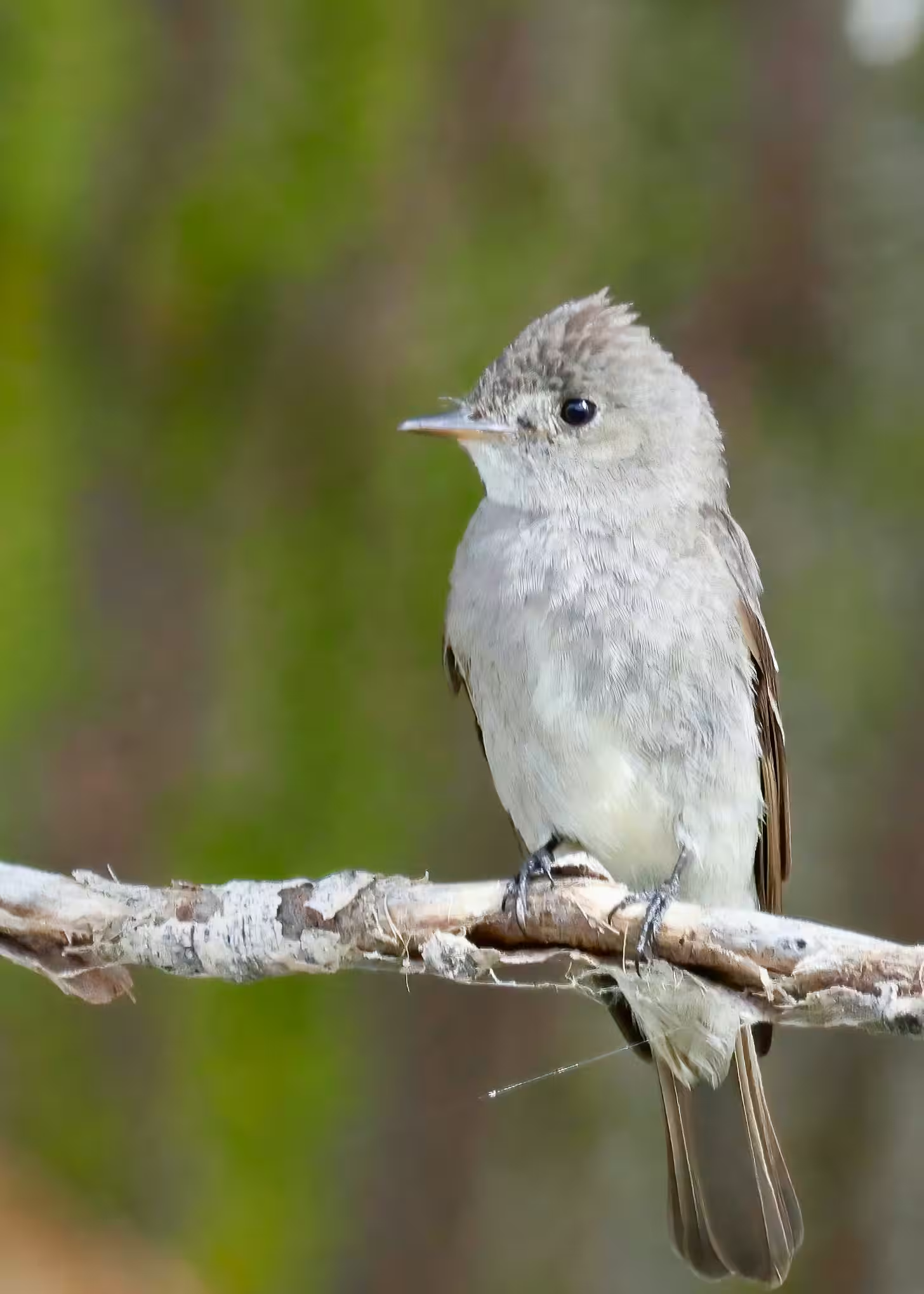
Many Empidonax flycatchers can look frustratingly similar. Lighting, distance, feather wear, and viewing angle can all change what you think you're seeing.
That is why experienced birders often trust their ears first. Calls and songs can provide clues that are far more reliable than subtle plumage details. When studying an Empidonax, birders often focus on features such as bill color, eye-ring shape, primary projection, head shape, and back color to help narrow down the possibilities.
Personally, I've had the most success finding these birds early in the morning when they seem more active and vocal. Many times I hear the bird first and only then begin searching the trees for movement.
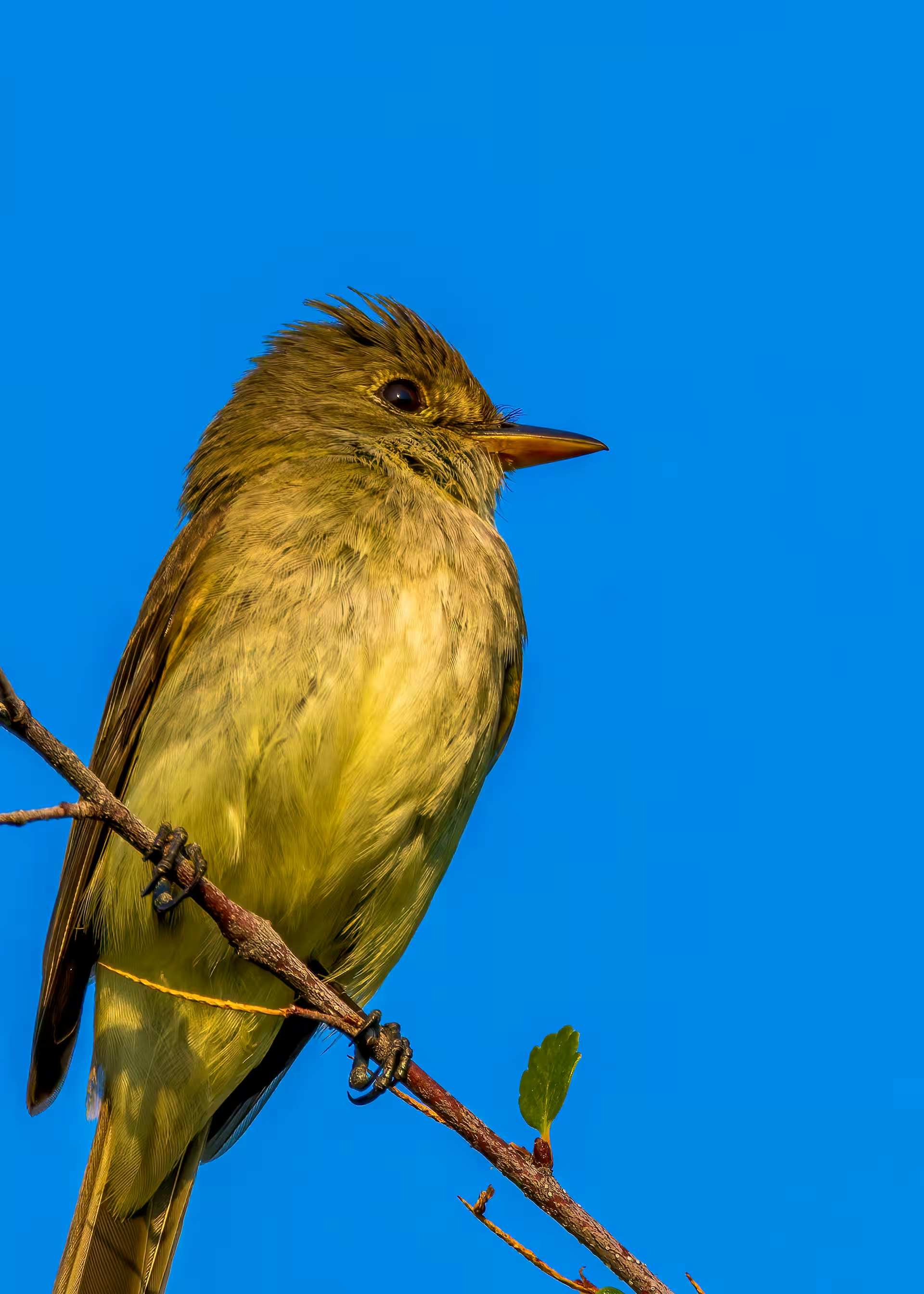
One of the lessons these birds teach is that not every observation needs a perfect answer. Listen for the calls. Watch the hunting behavior. Enjoy the challenge. And if all you confidently write down is 'flycatcher,' you're in very good company.
Utah Edition Endcap
Want to keep exploring? You can read more Guides or join the FeatherQuest updates to hear when new ones go live.