
Dabbling Ducks
Color, motion, and blink-and-you-miss-it moments.
How to Notice Dabbling Ducks
Where to Find Them
Look for dabblers in shallow water—pond edges, marshes, flooded fields, and slow-moving shorelines. If you see ducks feeding close to the surface instead of diving, you’re likely looking at dabblers.
What to Watch For
This is a group built for motion. Heads dipping, tails tipping up, constant repositioning. Many moments last only seconds—bright flashes of green, cinnamon, or white that disappear just as fast. Blink and you miss it.
Listen Closely
Dabblers bring sound to wetlands. Mallards quack, teal give higher, softer calls, and wigeon add a distinct whistle. Often, you’ll hear them before you fully notice what’s moving on the water.
Explore Further
- ▶️ Dabbling Duck Behavior Overview (FeatherQuest)
- Mallard Guide (All About Birds)
- Northern Shoveler Guide (All About Birds)
Dabbling Ducks
Dabbling ducks are some of the most visible birds in Utah—and somehow still easy to overlook. They’re everywhere, constantly moving, constantly feeding, constantly shifting just enough that you almost notice something… and then it’s gone.
Unlike diving ducks, dabblers stay near the surface. They tip forward to feed, reaching down into the water with their tails sticking straight up. It’s one of the most recognizable behaviors in birding—and one of the easiest ways to separate them from other ducks.
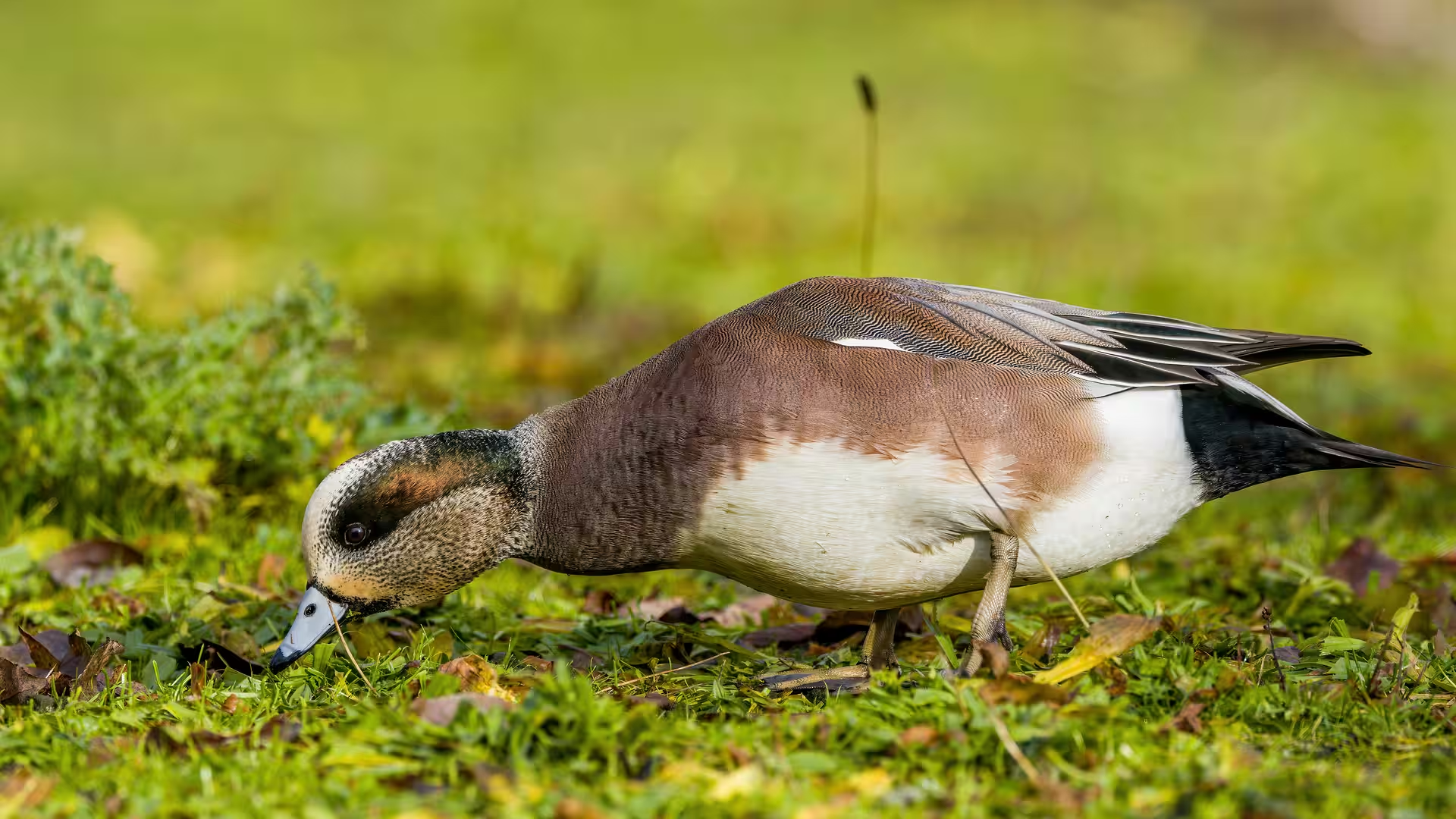
They don’t just feed in water either. Many dabblers will walk up onto the grass and graze, especially species like wigeon. It’s a small shift in behavior, but once you notice it, it changes how you look at every pond edge.
Standouts & Subtle Ones
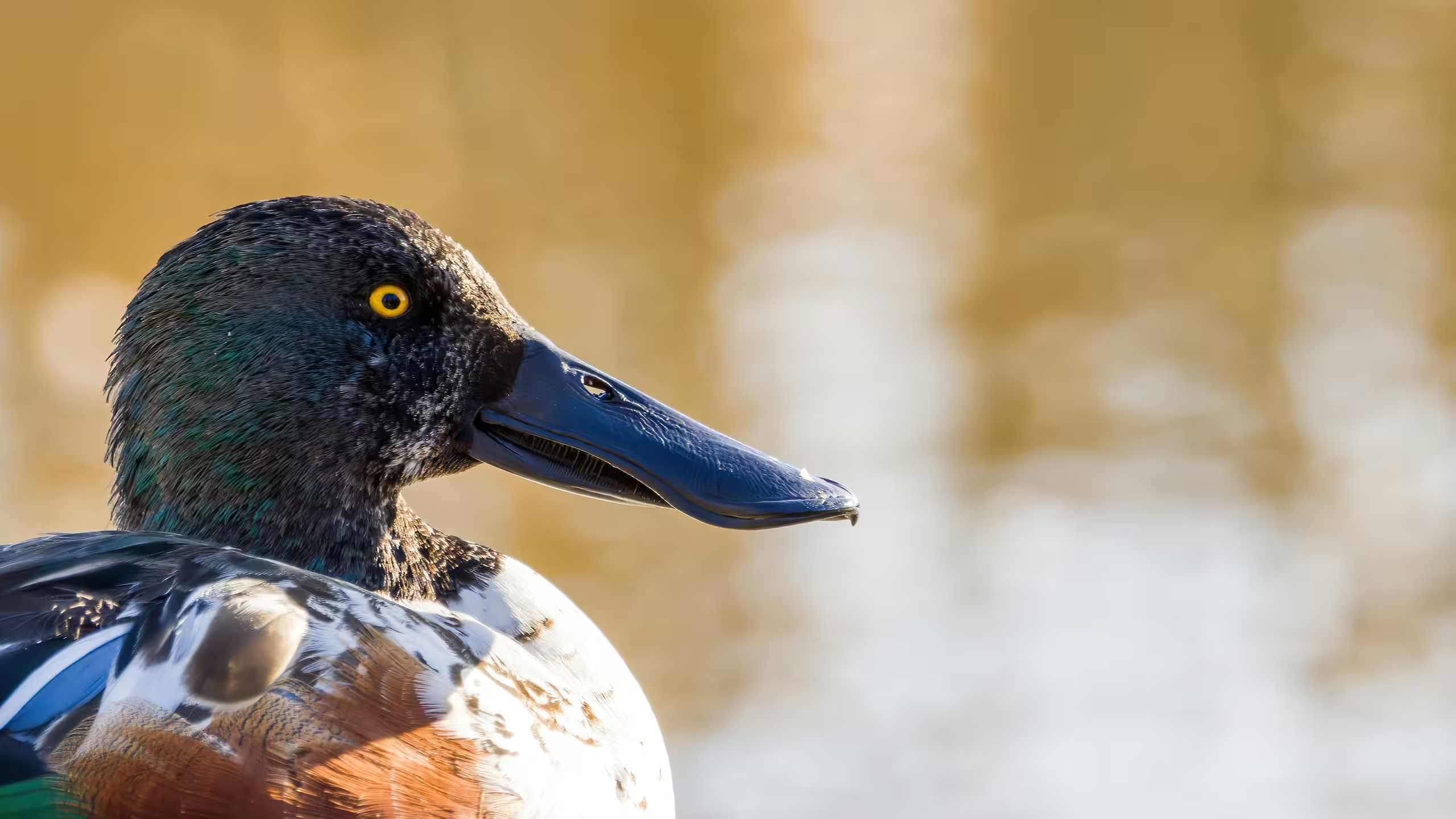
Some species stand out immediately. The Northern Shoveler feels almost unreal with its oversized bill. The Northern Pintail carries an elegant, elongated tail that gives it a completely different silhouette. And the Wood Duck—almost too colorful to feel real—can look more like something imagined than something wild.
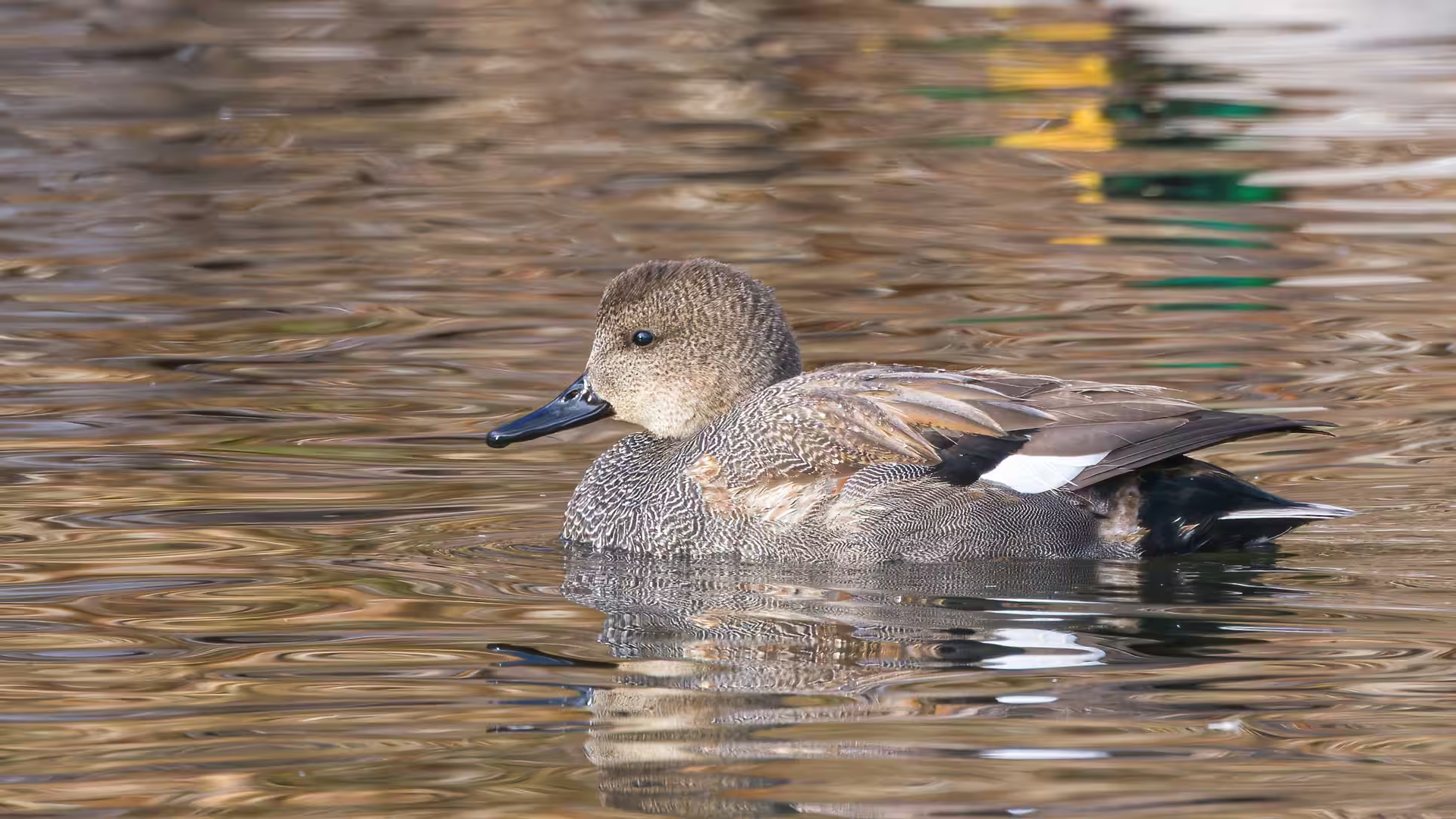
Others are quieter. Gadwall might be one of the most overlooked ducks in Utah. No bold colors, no obvious standout feature—just subtle, intricate patterning that only shows up when you slow down and really look.
Then there are the teal—smaller, faster, and full of sudden color. A flash of green on the wing, a cinnamon body catching the light. They don’t sit still long, and that’s part of the challenge.
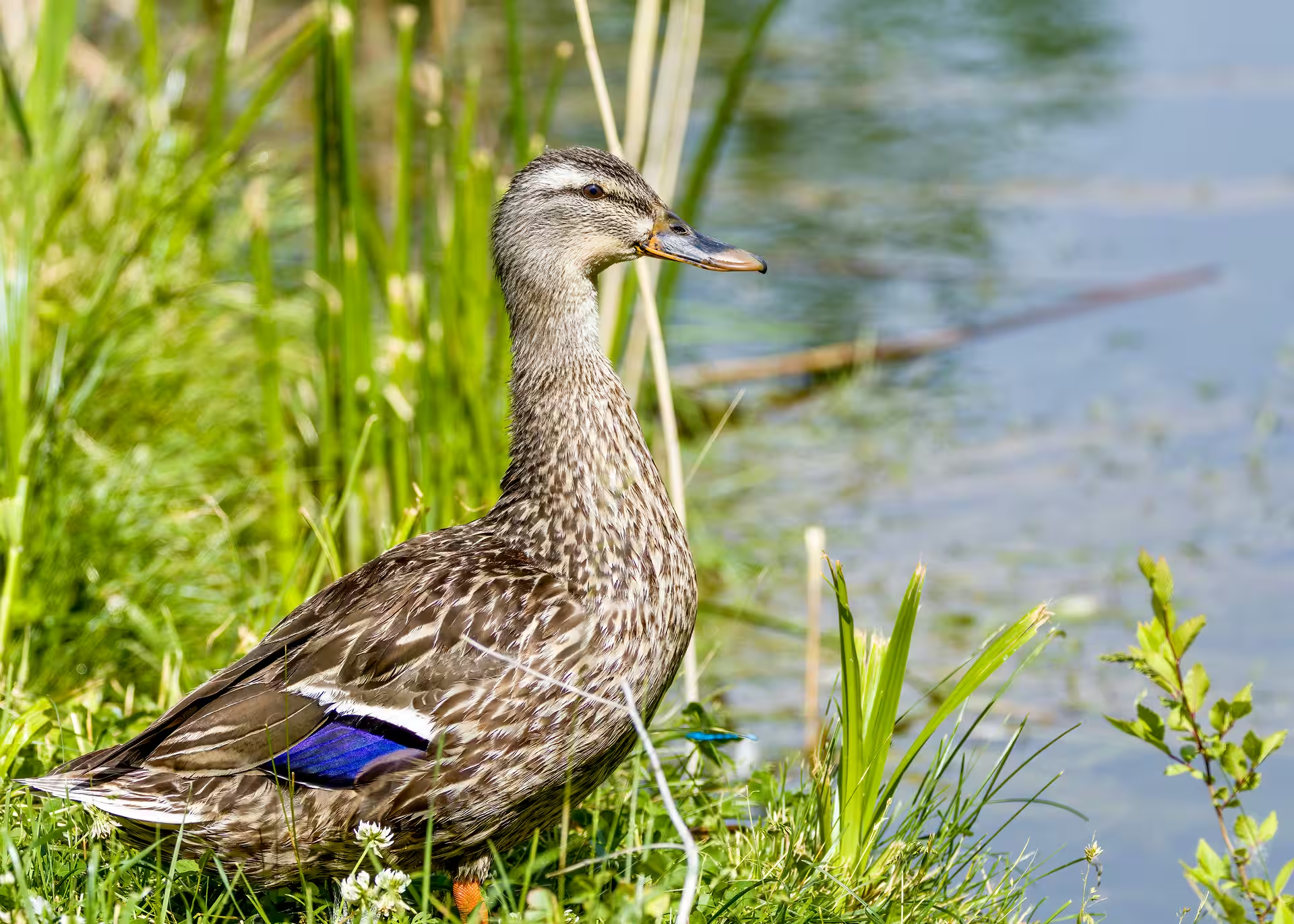
Mallards might be the most familiar bird of all—but they’re also the perfect entry point into noticing. Once you start separating everything else from a Mallard, the entire group begins to open up.
Dabbling ducks aren’t about one perfect look. They’re about moments—quick, layered, easy to miss. The more time you spend with them, the more those moments start to stack.
The Ducks We All Start With
For many of us, ducks were the first birds we ever noticed. A local pond. A handful of food. The excitement of watching them come closer. That simple moment has a way of sticking—and for a lot of people, it becomes the starting point for everything that follows.
Most of the ducks you see at neighborhood ponds are actually domestic forms of the Mallard. They can look surprisingly different—larger, smaller, all white, mottled, or with unusual patterns—but they all trace back to the same wild species.
When I first got into birding, I remember going out to a reservoir convinced I was about to see a huge variety of ducks. There were ducks everywhere. It felt like discovery. Then slowly it hit me… they were all Mallards.
It was a little disappointing at first. But it also turned into something better. Because once you understand that baseline, everything else starts to stand out. The differences become clearer. The details matter more.
Mallards aren’t just common—they’re the foundation. And for a lot of us, they’re where the whole journey begins.
Utah Edition Endcap
Want to keep exploring? You can read more Guides or join the FeatherQuest updates to hear when new ones go live.