

Cormorants & Pelicans
Soaring giants, underwater hunters, and one spectacular coastal dive.
Table of Contents
How to Notice Cormorants & Pelicans
Where to Find Them
Look around Utah lakes, reservoirs, wetlands, and rivers. American White Pelicans often gather in open water or soar high overhead, while cormorants may be swimming low, perched on a rock, or resting on a dock.
What to Watch For
Watch how they fish. Pelicans scoop prey while swimming, sometimes working as a group. Cormorants disappear underwater to chase fish, then often perch with their wings held open. Check size, tail length, and facial markings when comparing cormorants.
Listen Closely
Unlike many waterbirds, pelicans and cormorants are surprisingly quiet away from their nesting colonies. Cormorants make deep grunts and croaks, especially around nests, while American White Pelicans rarely vocalize as adults. You're more likely to notice the splash of a diving cormorant or spot a silent flock of pelicans soaring overhead than identify either by its call.
Explore Further
- American White Pelican Guide (All About Birds)
- Double-crested Cormorant Guide (All About Birds)
- Neotropic Cormorant Guide (All About Birds)
Two Ways to Catch a Fish
Cormorants and pelicans are one of the few groups where I’ve managed to see every species on the Utah list. They’re hard to miss once you know what to look for, but their fishing styles could hardly be more different.
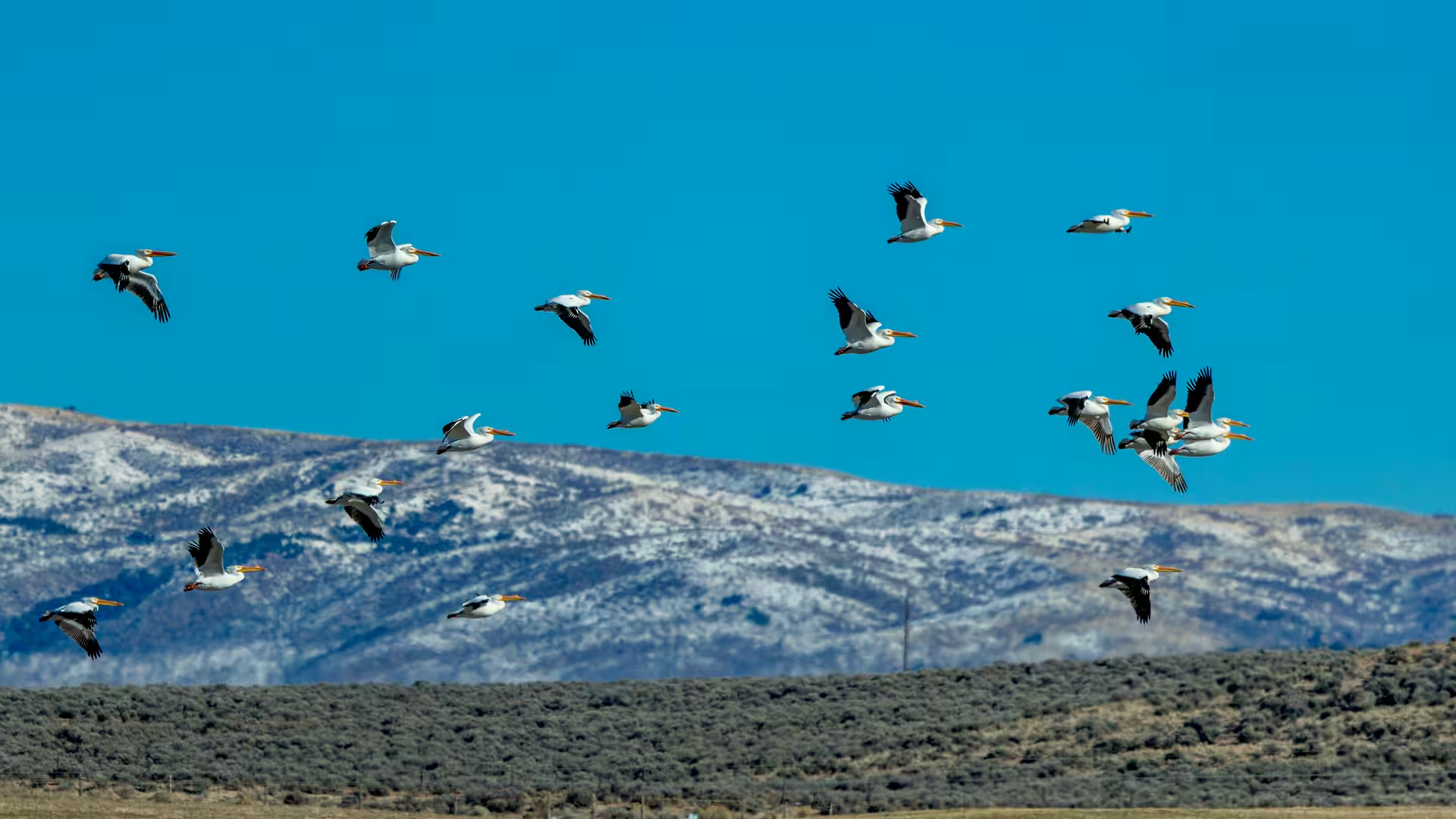
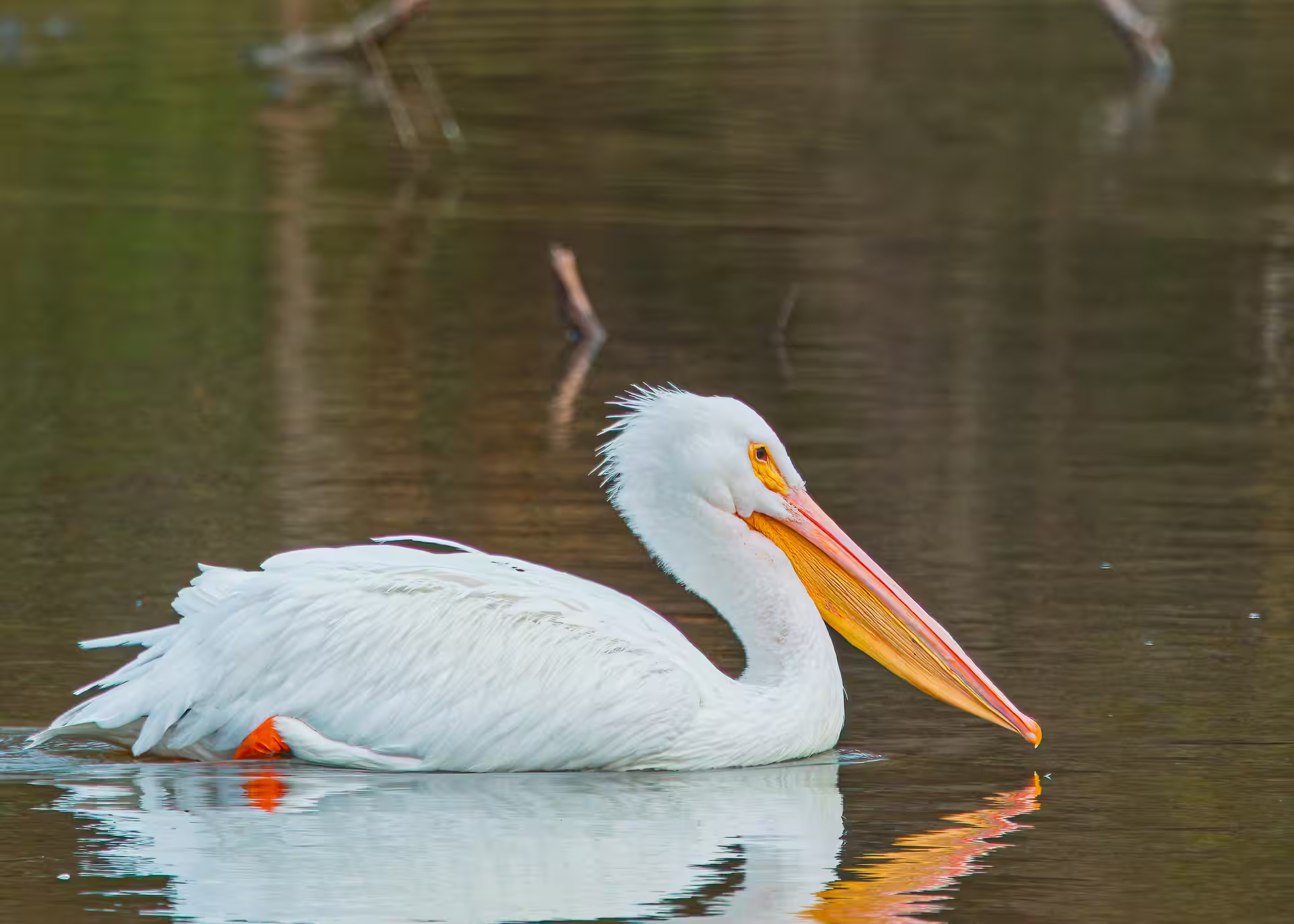
The American White Pelican gathers fish with its huge bill and throat pouch, often feeding alongside other pelicans. Cormorants do the opposite: they slip beneath the surface and pursue fish underwater. Both can look wonderfully relaxed when they’re taking a break.
Giants Overhead
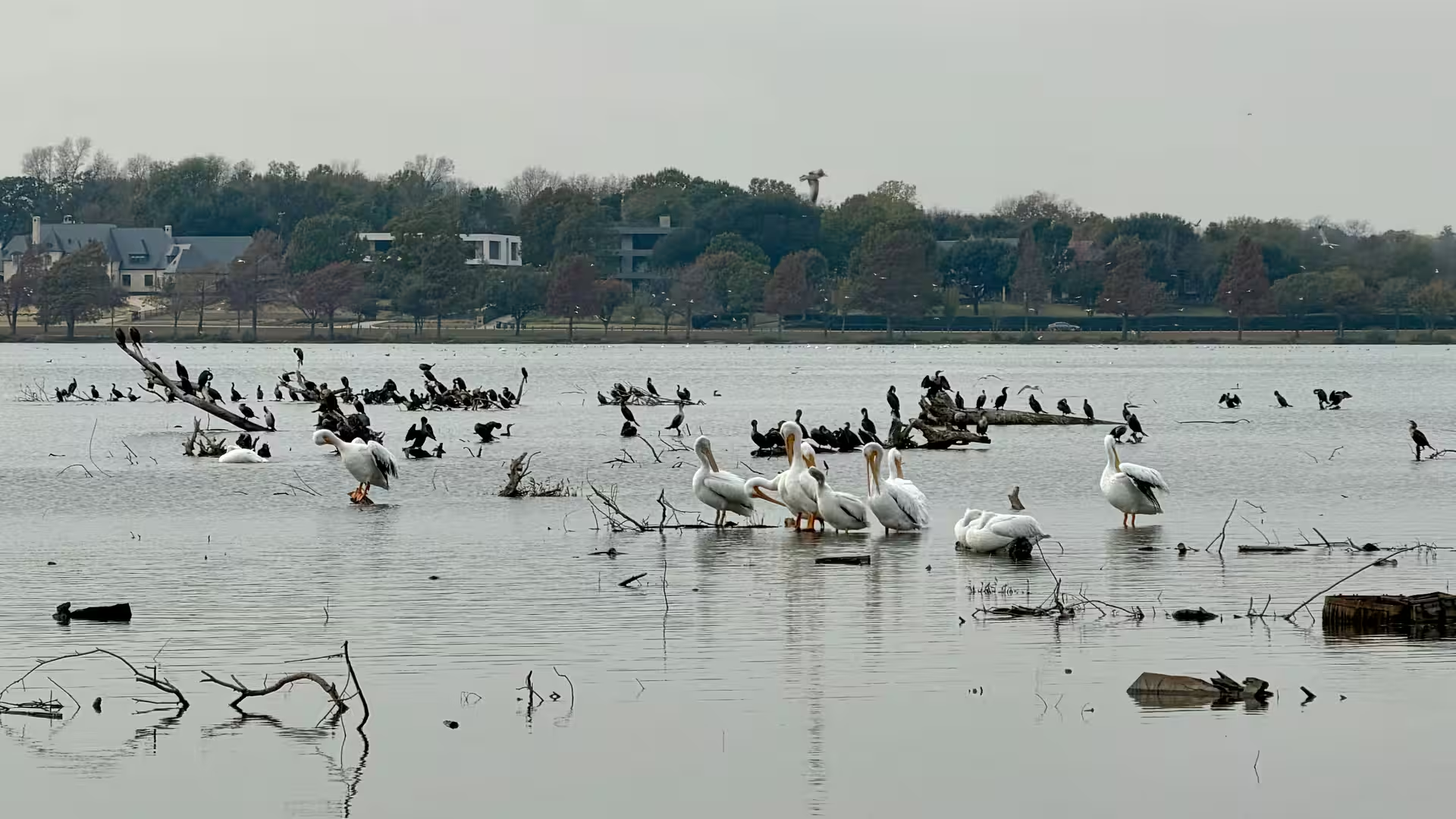
Few sights stop me in my tracks like a great convoy of American White Pelicans soaring overhead. These enormous birds have wingspans approaching nine feet, yet they can ride rising air in big, graceful groups with hardly a wingbeat. It’s an incredible sight from the ground—though my pilot friends are understandably less enthusiastic about sharing the sky with them!
Utah is an important place for White Pelicans. They nest in large colonies, including around Great Salt Lake, and travel to lakes, wetlands, and reservoirs to feed. Unlike the plunging pelicans of the coast, White Pelicans catch fish while swimming. Sometimes several work together, herding fish toward shallower water.
“That Ducky Just Ate a Fish!”
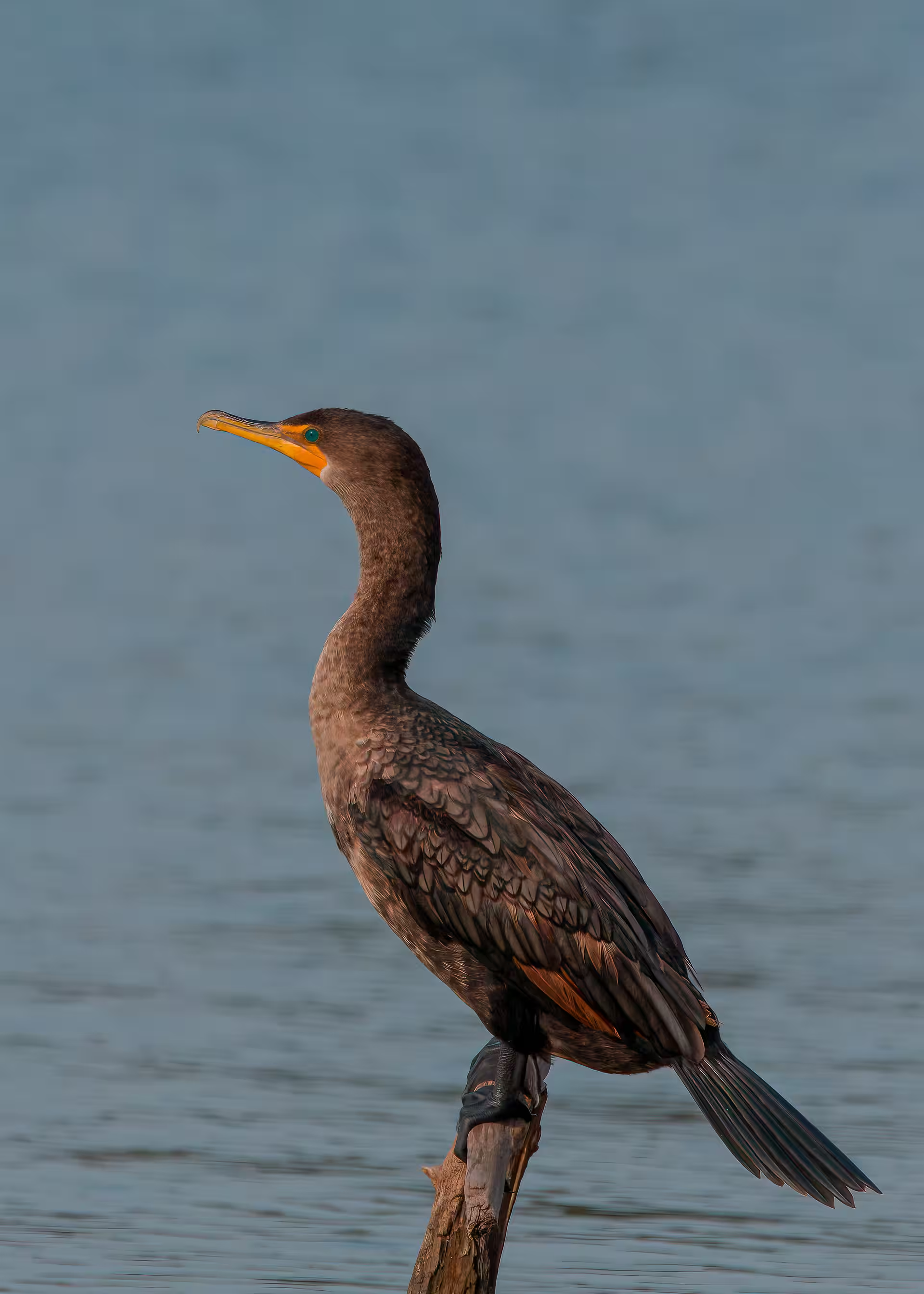
Double-crested Cormorants are our familiar Utah cormorants. You might see one swimming so low that only its head and neck show, or perched on a rock, branch, or human-made structure with its wings spread toward the sun.
They spend plenty of time drying and tending their feathers between dives, but don’t mistake all that sitting around for laziness. Cormorants are skilled underwater hunters, propelling themselves with their feet as they chase fish.
A friend once told me about their child watching one fish at a small pond in Washington, UT. After seeing it surface with its catch, she gasped, That ducky just ate a fish!” Honestly, that’s a pretty great introduction to cormorants.
A More Tropical Cormorant
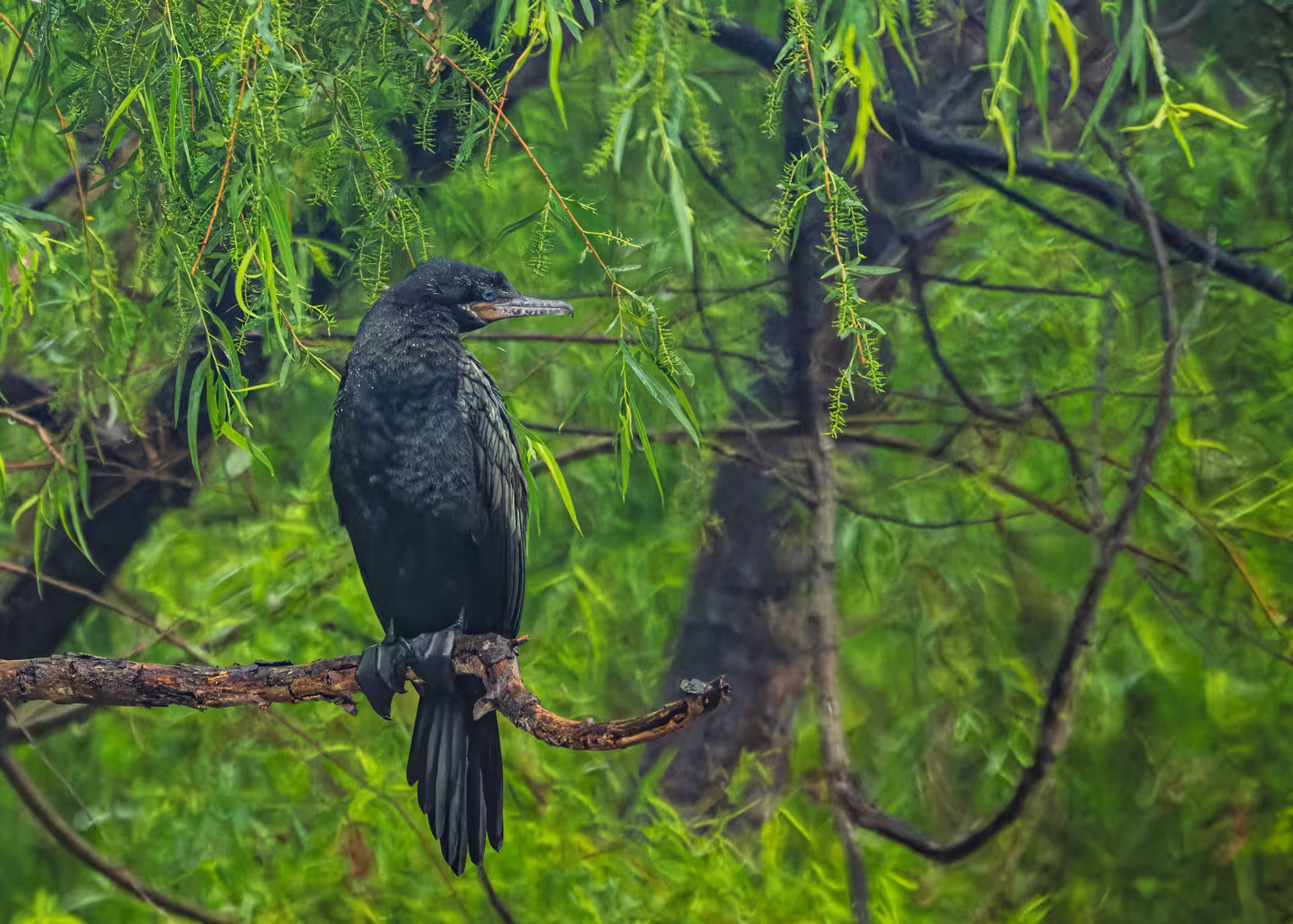
The Neotropic Cormorant was once a much more unusual find in Utah, but reports have become more frequent as the species has expanded northward. Double-crested is still the cormorant you're most likely to meet here, so a possible Neotropic is worth a second look.
Neotropics are generally smaller and slimmer, with a proportionally longer tail and less extensive orange skin around the base of the bill. Breeding adults can show a thin white border along the facial skin, often forming a pointed V. That white line can be faint or absent, though, so use several clues together rather than relying on one feature.
When I first saw this photograph shared by Steven Sheppard, I knew it was the perfect comparison for this guide. He kindly gave me permission to share it, and you can see why. With both species standing together, the differences in size, facial skin, and overall proportions become much easier to appreciate.
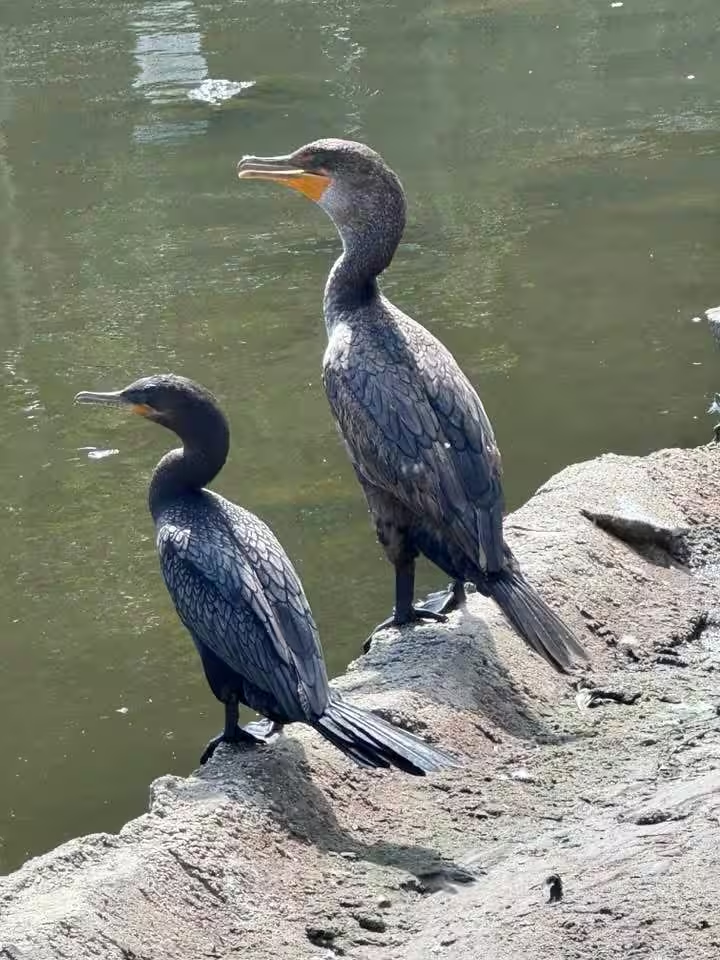
Of course, they're not always so cooperative. Size can be difficult to judge when a bird is alone, and younger birds don't always show the same field marks as breeding adults. Look at the bill, tail, and facial skin together before settling on an identification.
I photographed this next one in San Antonio, Texas, where the leafy green setting gives it a rather fitting tropical vibe. When you're sorting out a cormorant in Utah, that scenery won't help much—but the bird's shape just might.
A Coastal Bonus: The Dive-Bombers
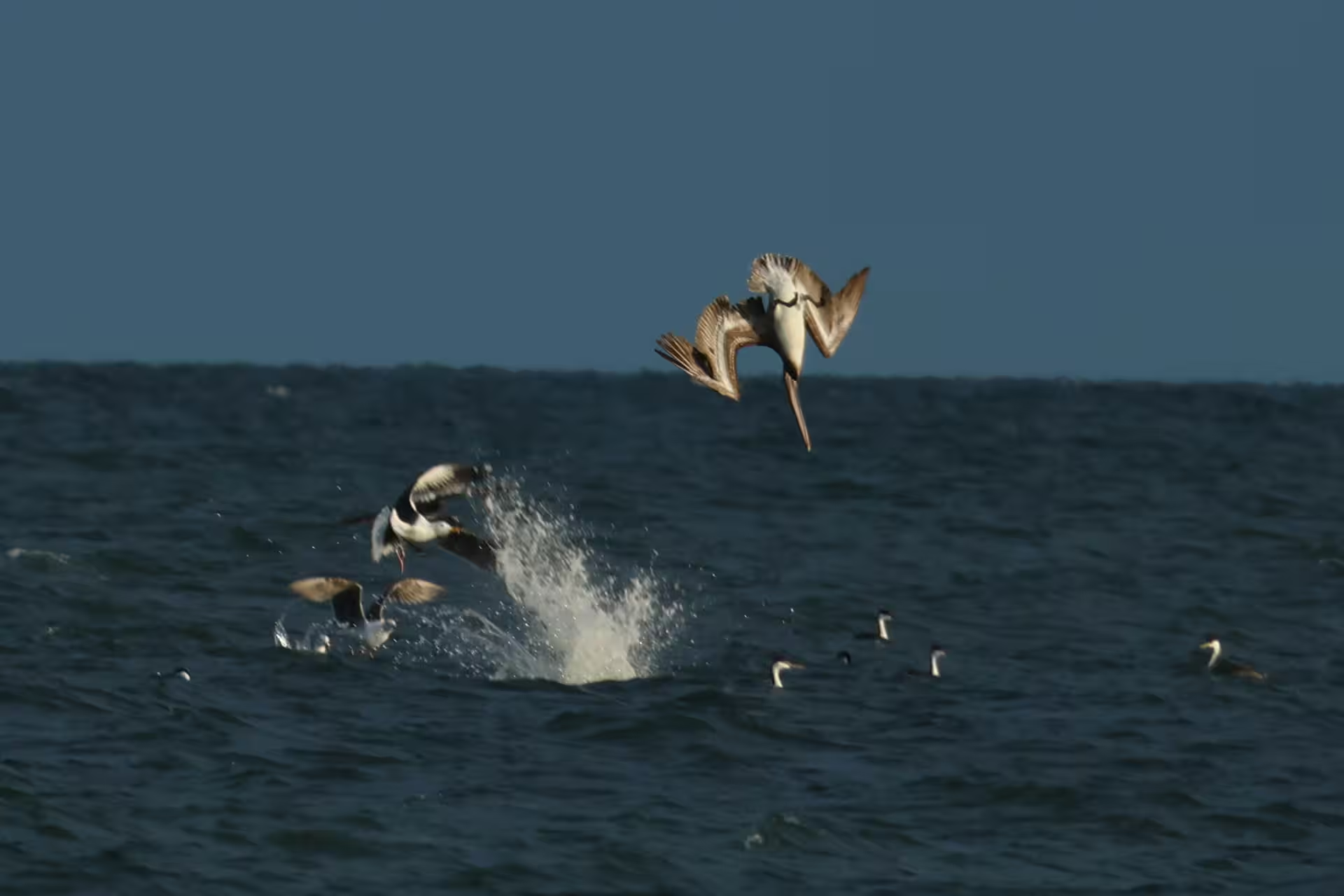
We don’t normally see Brown Pelicans in Utah, but they deserve a shout-out for the next time you make it to the coast. Unlike American White Pelicans, Brown Pelicans hunt by plunging from the air into the water after fish.
If you’ve ever watched a group fishing, you know how exciting it can get. One bird folds its wings and drops, then another follows, and suddenly the surface is exploding with splashes. It’s one of those behaviors worth stopping to watch even after you already know what bird you’re seeing.
Utah Edition Endcap
Want to keep exploring? You can read more Guides or join the FeatherQuest updates to hear when new ones go live.