
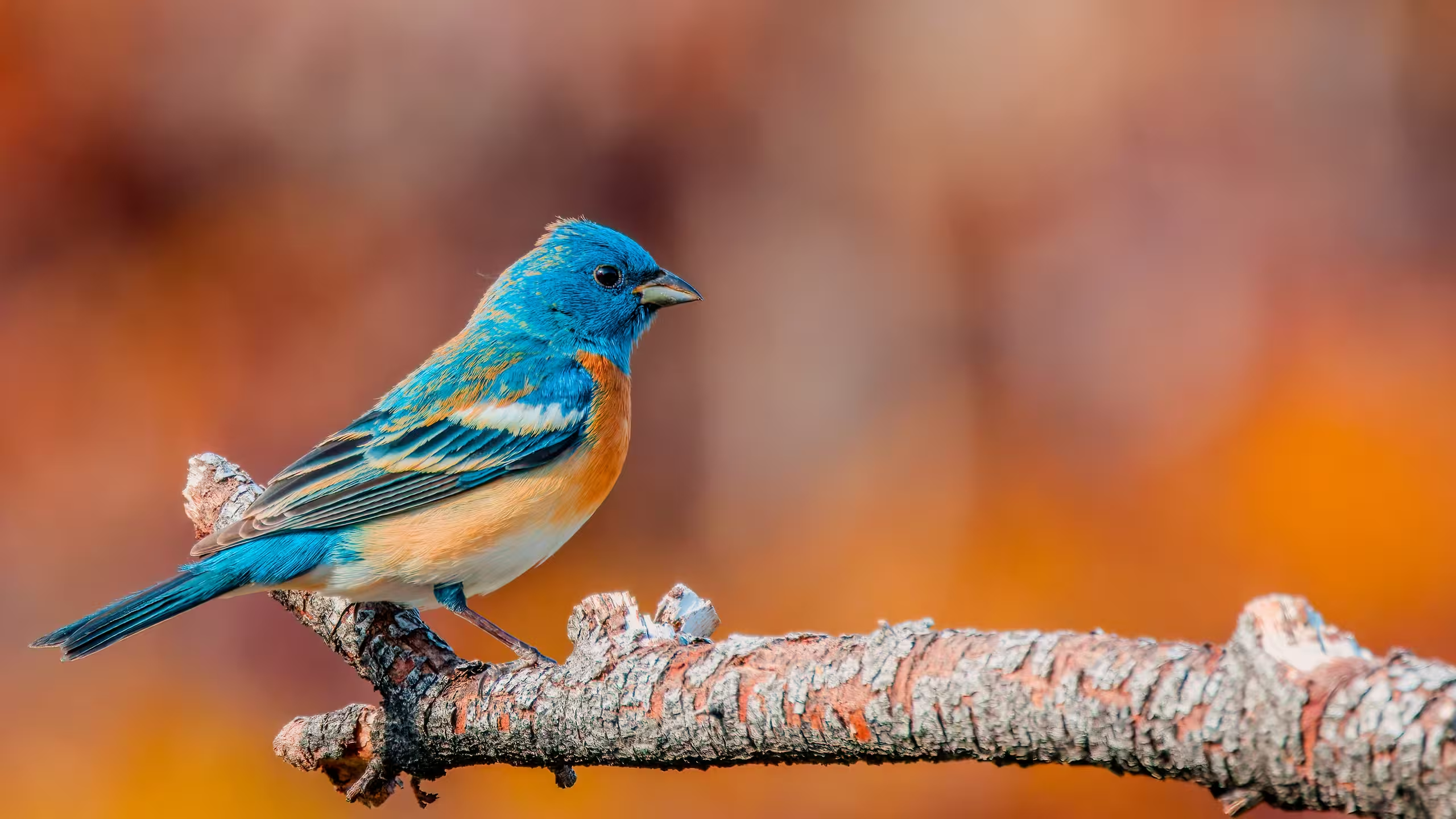
Buntings
Bright color, backyard invasions, and the rare flash of something more.
How to Notice Buntings
Where to Find Them
Look for Lazuli Buntings in brushy edges, foothills, canyon openings, and backyards with feeders. Once they find a food source, they often return in numbers.
What to Watch For
Males glow with blue and orange, while females are soft brown and easy to overlook. In flocks, watch for variation—some birds will look noticeably different.
Listen Closely
One of the best clues is the little buzzy call note they give while moving through an area. In spring especially, buntings can seem to appear everywhere once your ear learns that soft bzzz sound.
Explore Further
- ▶️ Buntings on millet feeder (FeatherQuest)
- Lazuli Bunting Guide (All About Birds)
- Indigo Bunting Guide (All About Birds)
Buntings
Some birds feel special the moment you see them. Lazuli Buntings are one of those birds. The blue, the orange, the clean contrast—it almost feels unreal the first time it clicks.
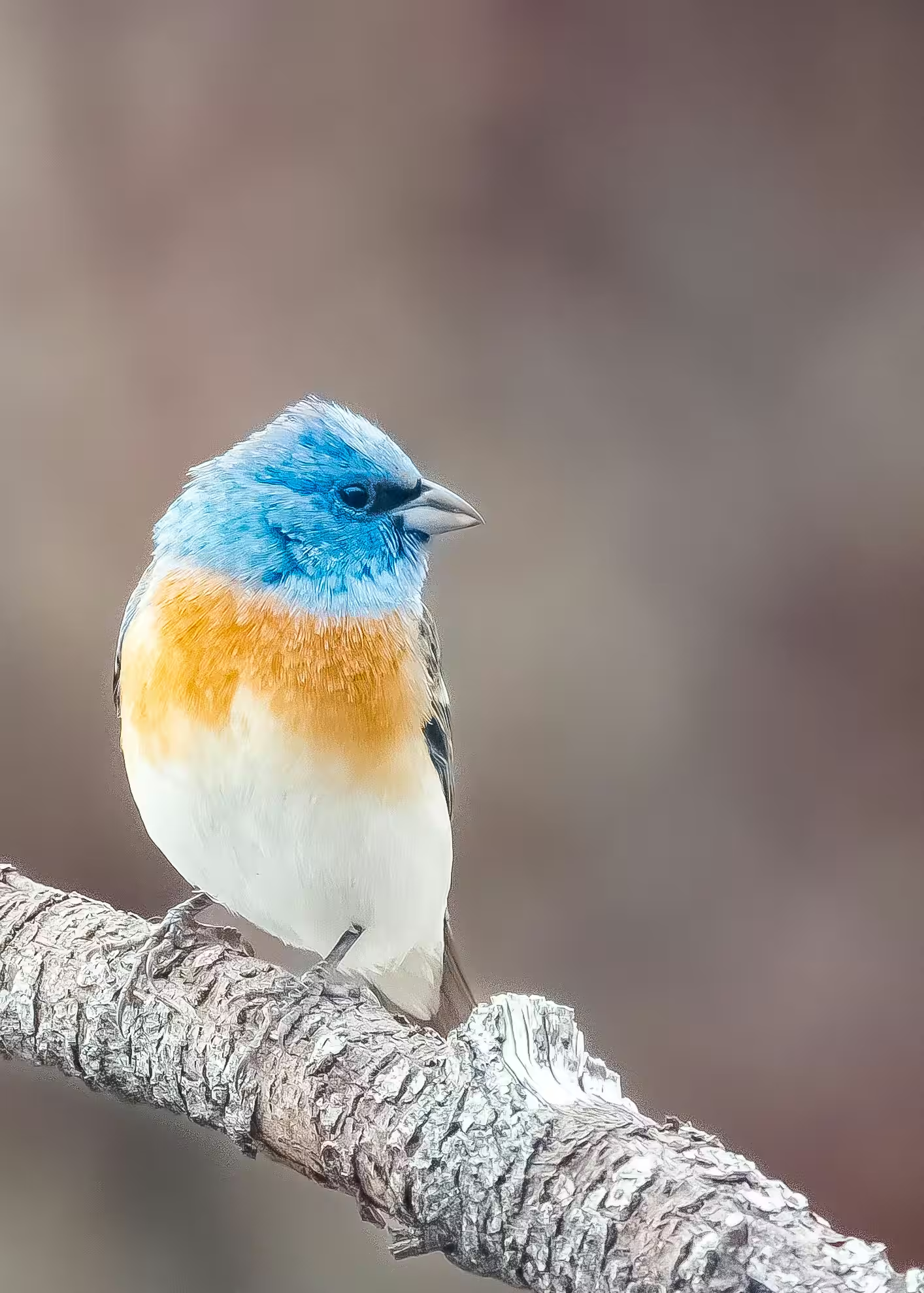
In Utah, they arrive each spring and can show up in surprising numbers. Once they find a good food source, especially millet, they don’t just visit—they take over.
I’ve counted at least 40 buntings in one pass through my yard, and I’m sure there were more. That kind of density turns a simple feeder into something much more interesting.
The Millet Magnet
If you want buntings, give them millet. Few birds commit to a feeder the way they do. When a flock locks in, it becomes constant motion—birds rotating in and out, perching, dropping, feeding, and shifting.
That chaos is actually the opportunity. Large flocks let you slow down and compare birds side by side. You start to notice subtle differences, posture, age, and the occasional outlier.
That’s where things get interesting—leucistic birds, unusually bright individuals, or birds that don’t quite match what you expect.
Color and Contrast
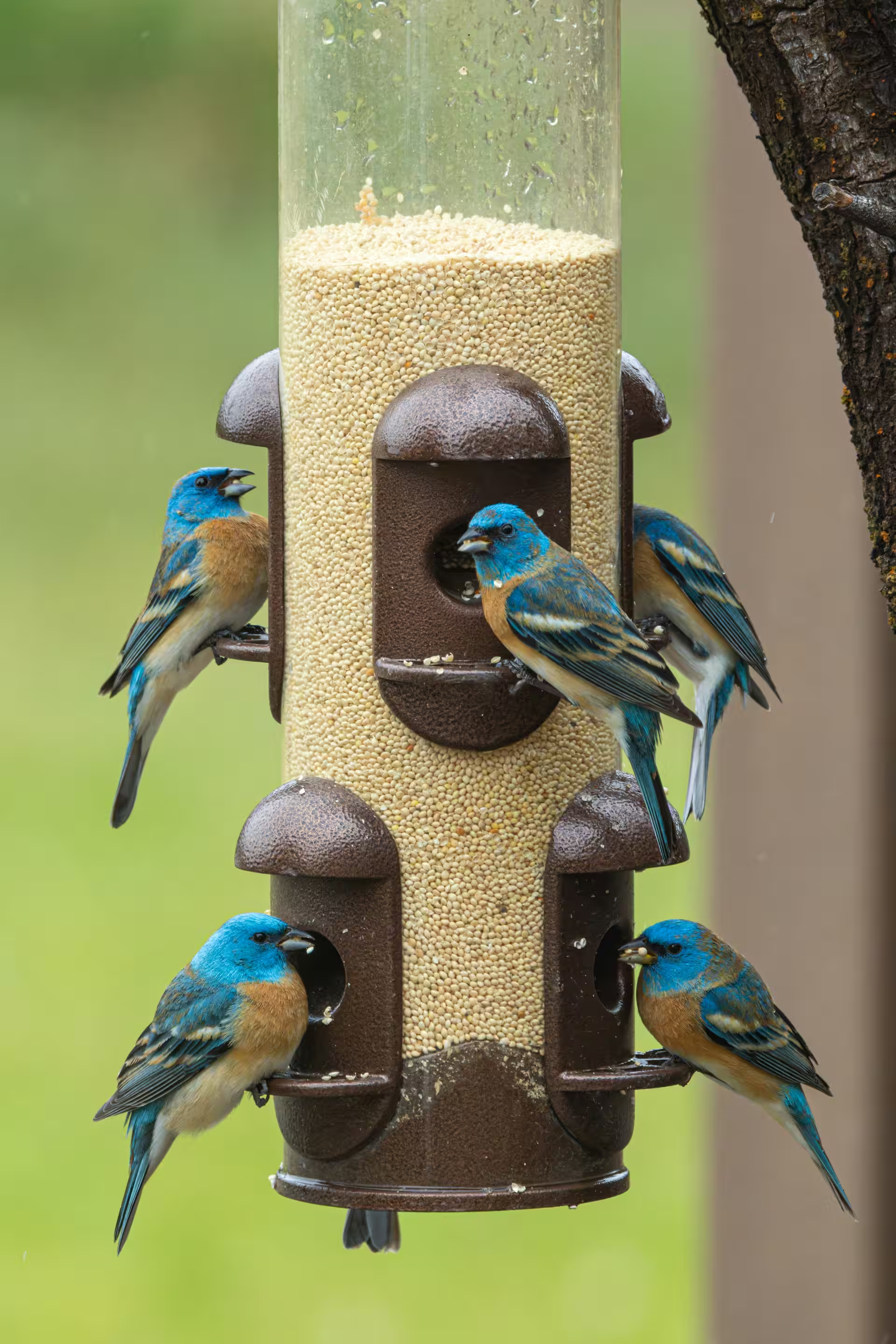
Buntings are one of the clearest examples of sexual dimorphism in Utah birding. Males are bold, colorful, and easy to notice. Females are subtle, warm brown, and built to blend in.
At a quick glance, females can easily be mistaken for a House Finch or another small seed-eater. That makes them a great test of attention. Once you learn the shape and tone, they start to stand out in a completely different way.
The Rare Blue
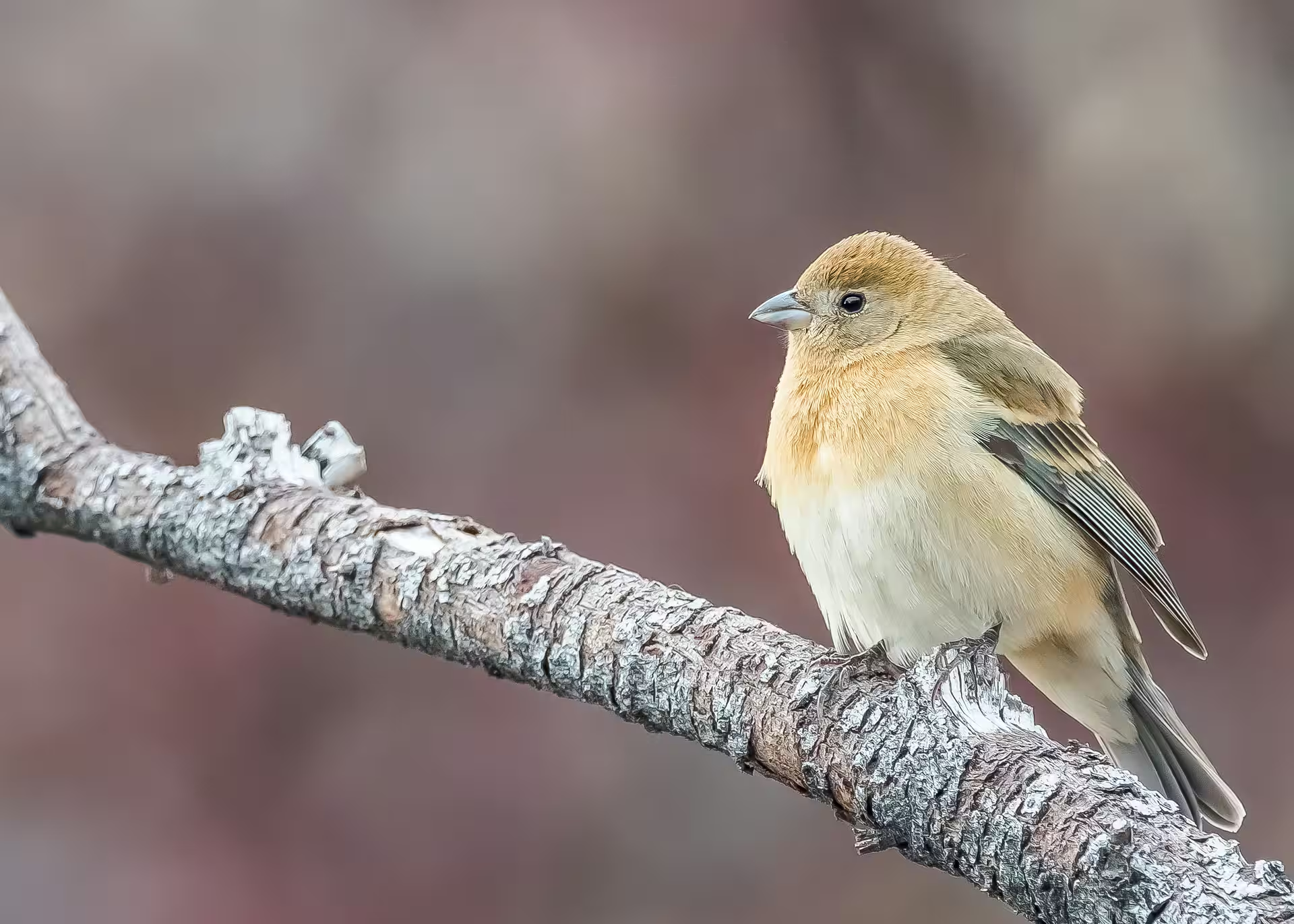
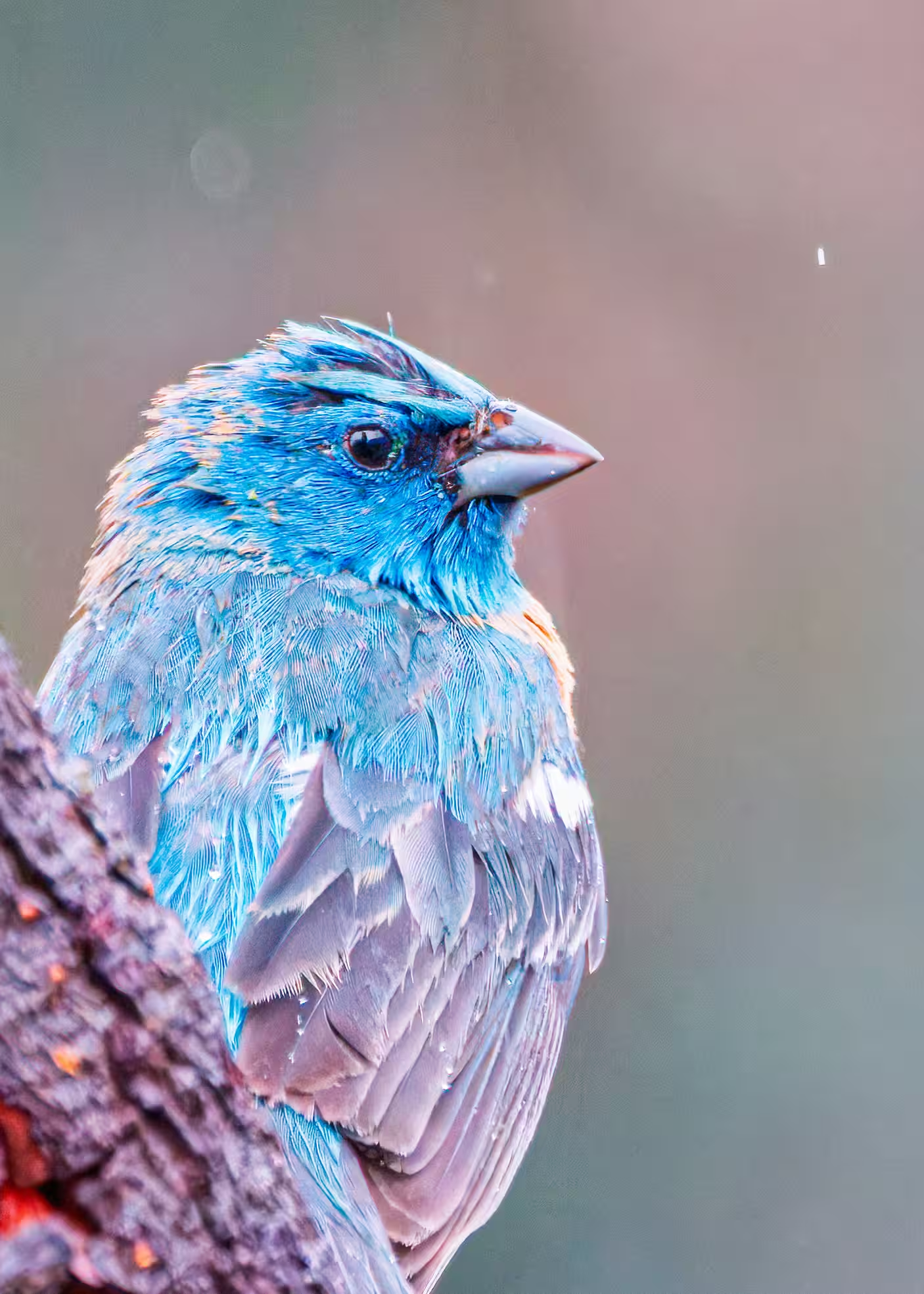
Utah’s bunting story sounds simple on paper: Lazuli Bunting is expected, Indigo Bunting is rare. But spring flocks do not always fit neatly into categories.
Some Lazulis look unusually blue or slightly off-pattern, especially where hybridization is possible. Those are the birds that keep you scanning every flock a little longer.
A Little Different
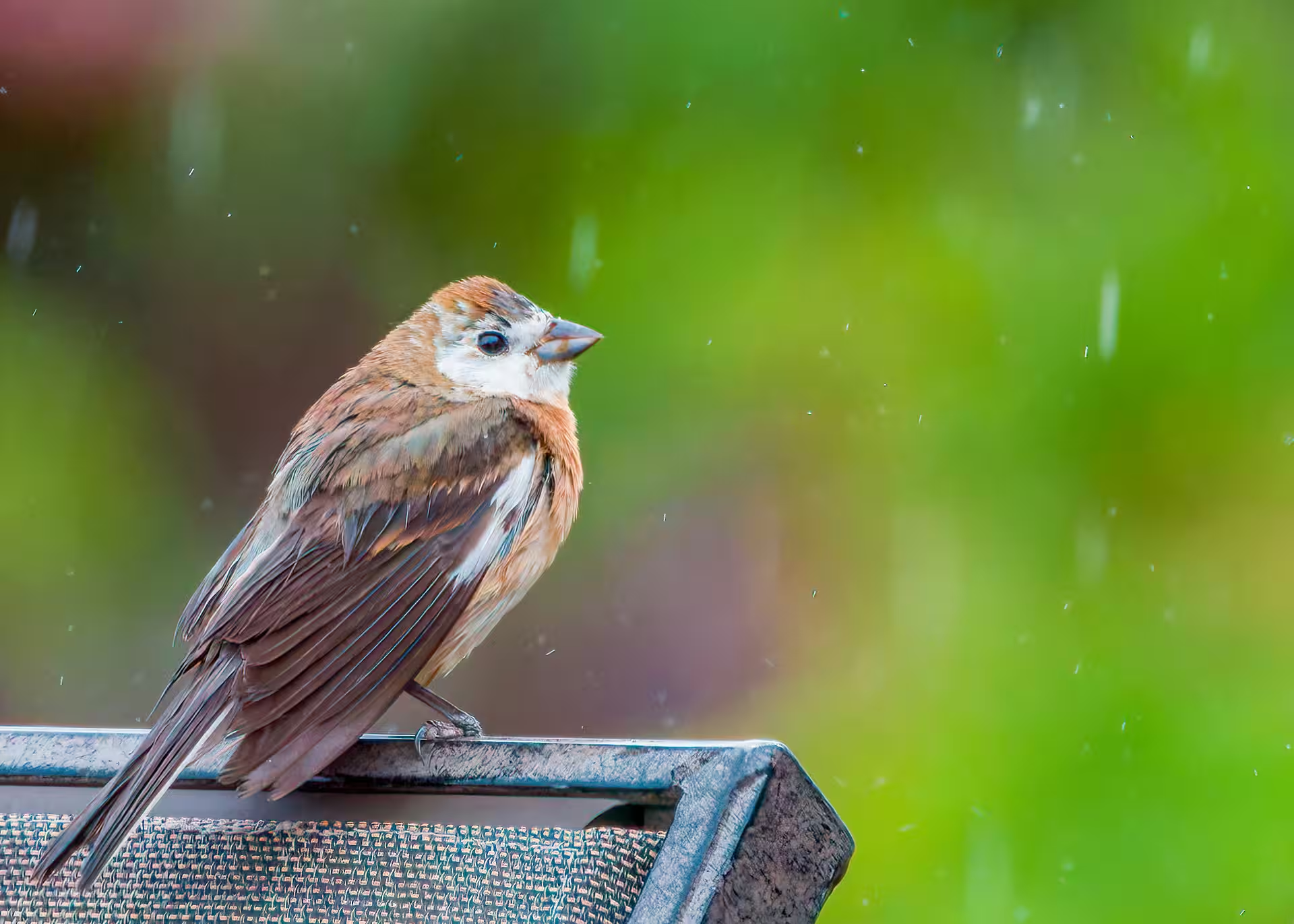
Large flocks increase your odds of finding something unusual—an oddly patterned bird, an extra-bright male, or a bird that immediately stands out from the rest.
This leucistic Lazuli Bunting is a perfect example. Leucism reduces pigment, giving the bird a softer, washed appearance while still keeping the overall structure and pattern recognizable.
That is part of the reward of slowing down and carefully scanning a flock. Every once in a while, something unforgettable appears.
Utah Edition Endcap
Want to keep exploring? You can read more Guides or join the FeatherQuest updates to hear when new ones go live.