

Blackbirds & Allies
Bold colors, unforgettable voices, and some of birding’s most obvious names.
Table of Contents
How to Notice Blackbirds & Allies
Where to Find Them
Blackbirds thrive anywhere food and open space come together. Look in cattail marshes, wet meadows, agricultural fields, desert towns, city parks, golf courses, roadside fences, and especially parking lots where an easy meal may be waiting.
What to Watch For
Watch for bold posture and deliberate movement. Many blackbirds walk or strut across the ground, perch in the open, flash bright shoulder patches, or lift their bills dramatically while singing and displaying.
Listen Closely
This family is full of unforgettable voices: the familiar conk-la-ree alarm clock of a Red-winged Blackbird, the robotic R2-D2 whistles of a Western Meadowlark, and the squeaks, clicks, rattles, and electronic sounds of a Great-tailed Grackle.
Explore Further
- ▶️ Western Meadowlark Singing (FeatherQuest)
- Red-winged Blackbird Guide (All About Birds)
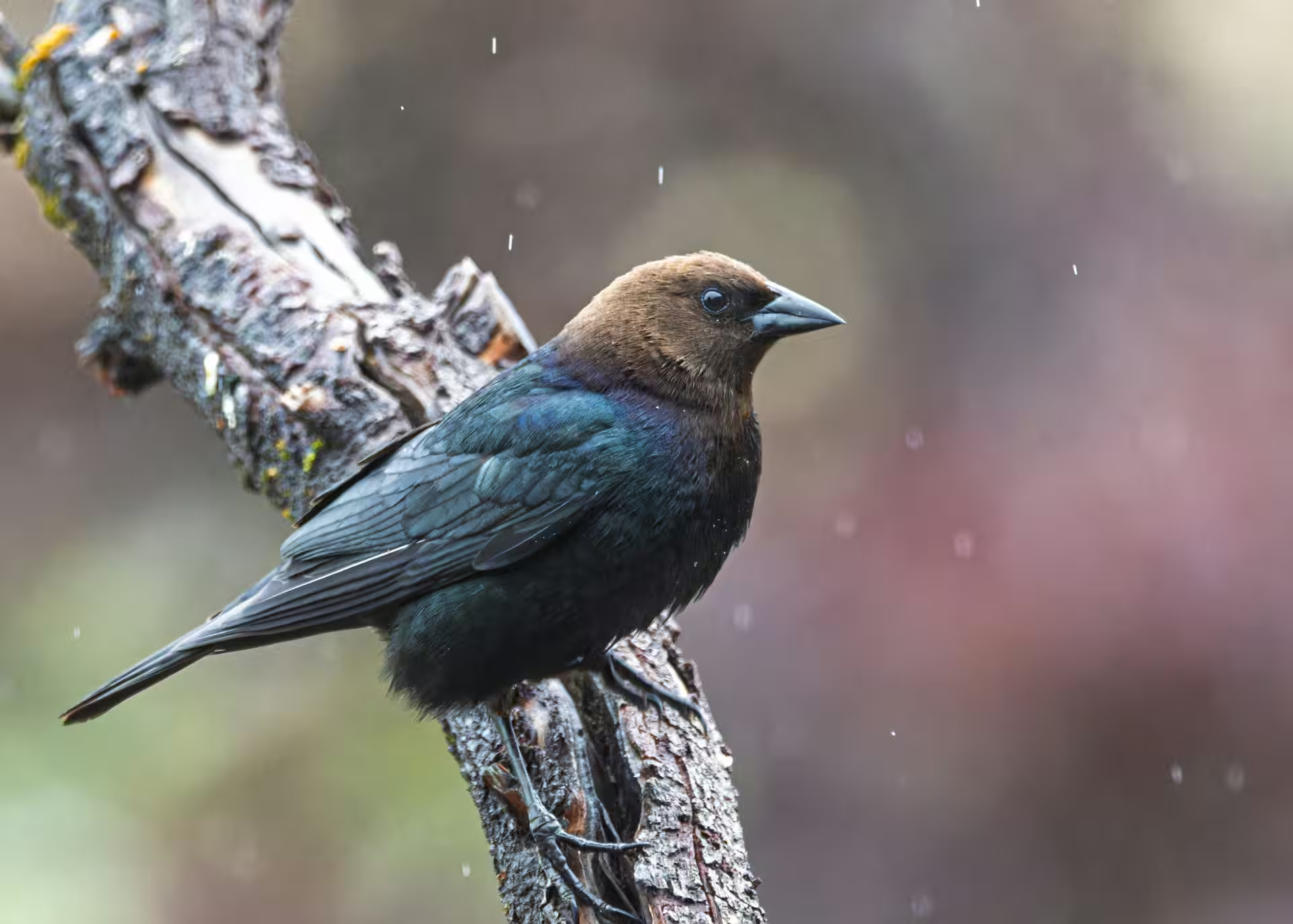
- Brown-headed Cowbird Guide (All About Birds)
The Most Honest Names in Birding
Blackbirds might have the simplest naming system in birding. See a black bird with a yellow head? Try Yellow-headed Blackbird. A black bird flashing red on its wings? Red-winged Blackbird is a pretty safe guess. Even the Brown-headed Cowbird tells you exactly where to look.
That obvious naming scheme has inspired a classic beginner-birder joke, but it is also genuinely helpful. These are excellent birds for learning to trust what you notice: color, posture, habitat, and voice often point you toward the answer.
The family becomes more surprising once you look beyond the names. It includes marsh singers, prairie performers, parking-lot scavengers, nest parasites, and birds that shine blue, green, purple, red, yellow, and bronze when sunlight hits their feathers.
Built to Be Noticed
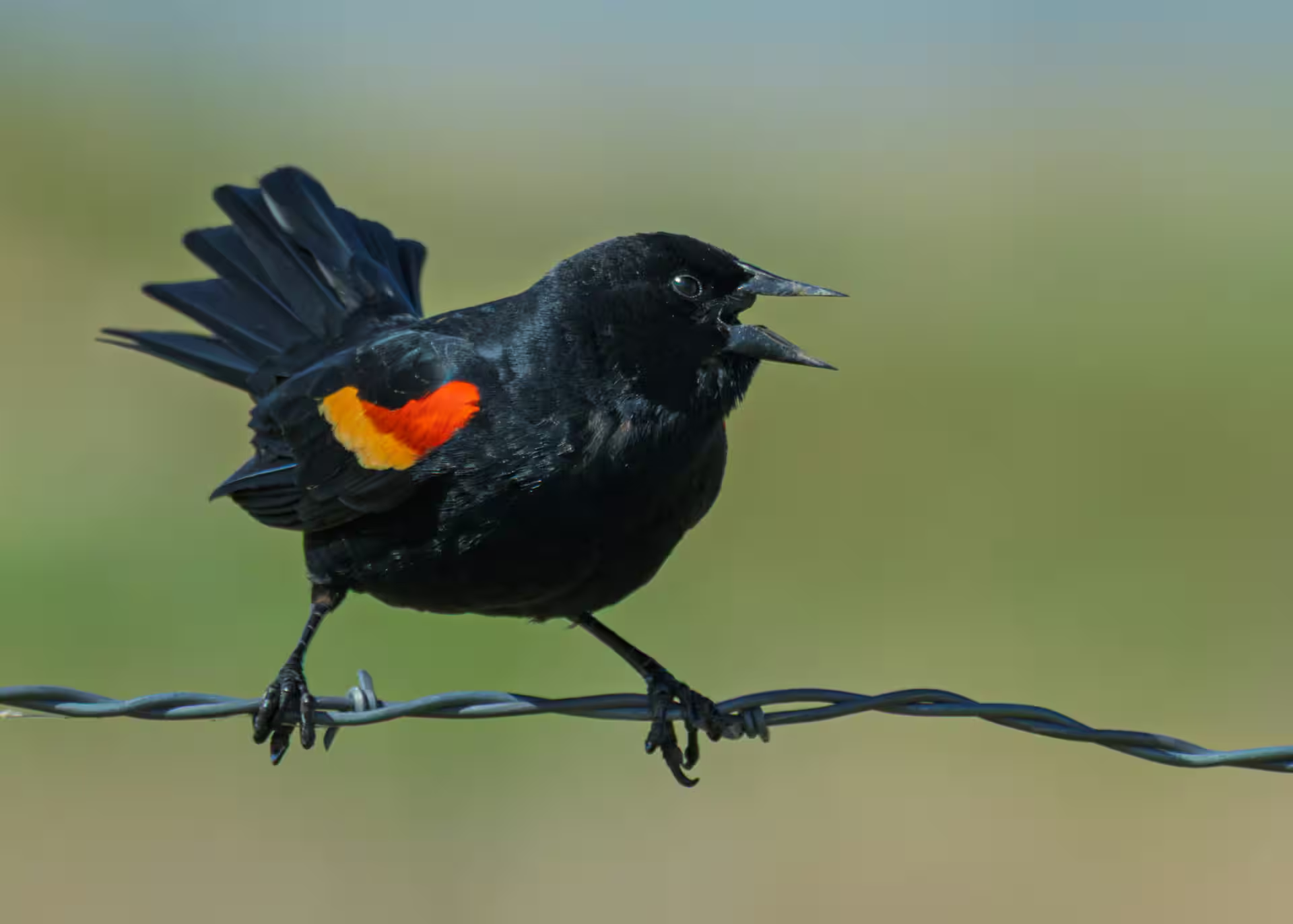
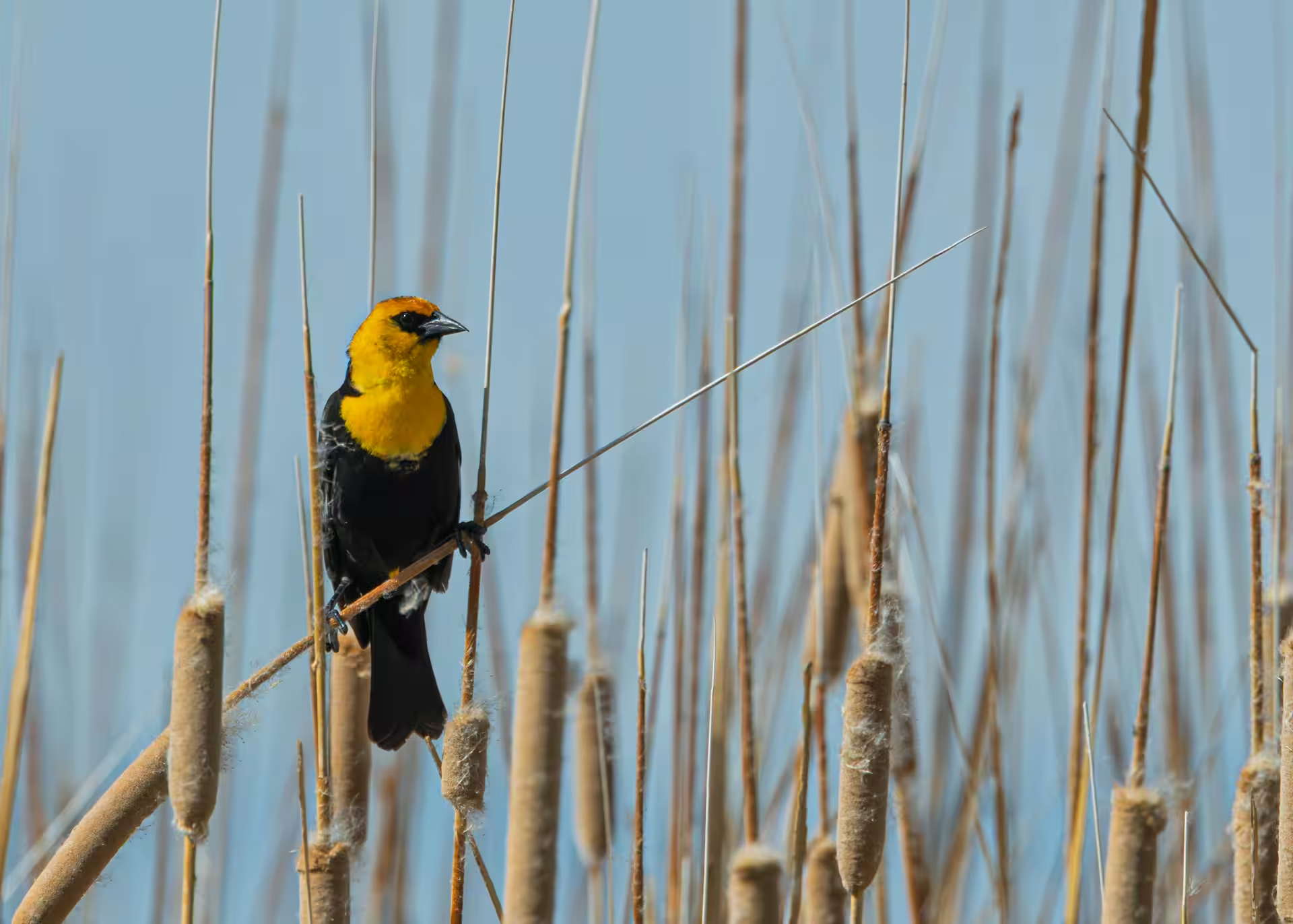
Red-winged and Yellow-headed Blackbirds turn wetlands into stages. Males perch high on cattails, fence posts, and reeds, singing repeatedly while flashing the bright colors that give them their names.
A Red-winged Blackbird may keep its red-and-yellow shoulder patches partly hidden while resting, then flare them dramatically during a display. Yellow-headed Blackbirds are even harder to overlook, with brilliant yellow heads and chests set against otherwise dark bodies.
Both species may gather in large flocks outside the breeding season. What feels like one familiar bird in summer can become a moving cloud of blackbirds over fields and wetlands later in the year.
The Blackbird That Does Not Look Like One
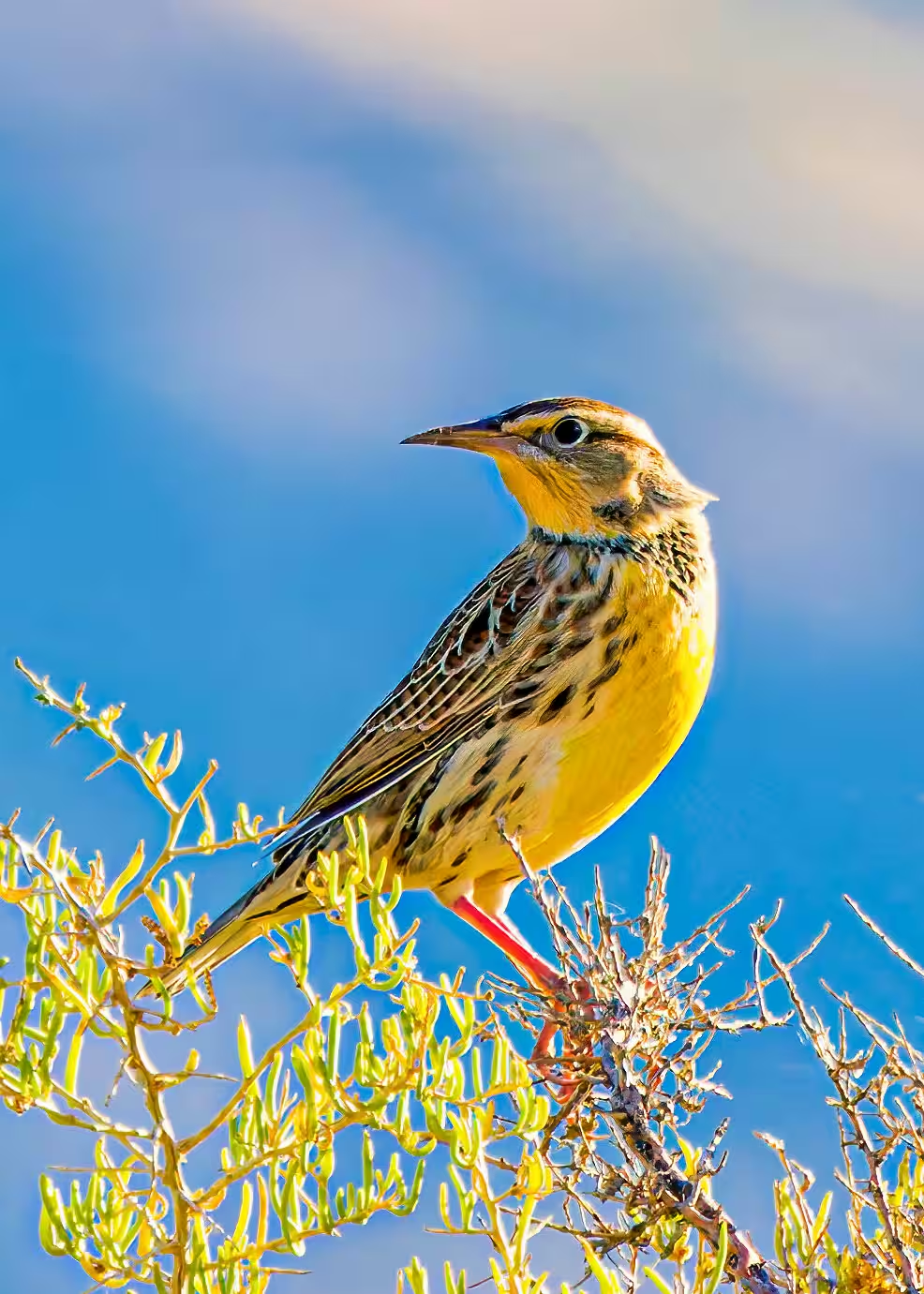
At first glance, a Western Meadowlark hardly seems related to a blackbird. It is bright yellow underneath, heavily patterned across the back, and shaped more like a chunky grassland songbird than the glossy black birds most people picture.
The family connection becomes easier to understand through behavior. Meadowlarks spend much of their time walking through open fields, probing for insects and seeds, then rising to fence posts, shrubs, and other exposed perches to sing.
Their clear whistles are among the signature sounds of Utah’s open country. Many birders hear a playful, robotic quality in the song and remember it as an R2-D2 voice carrying across the prairie.
The Bird That Follows Us Everywhere
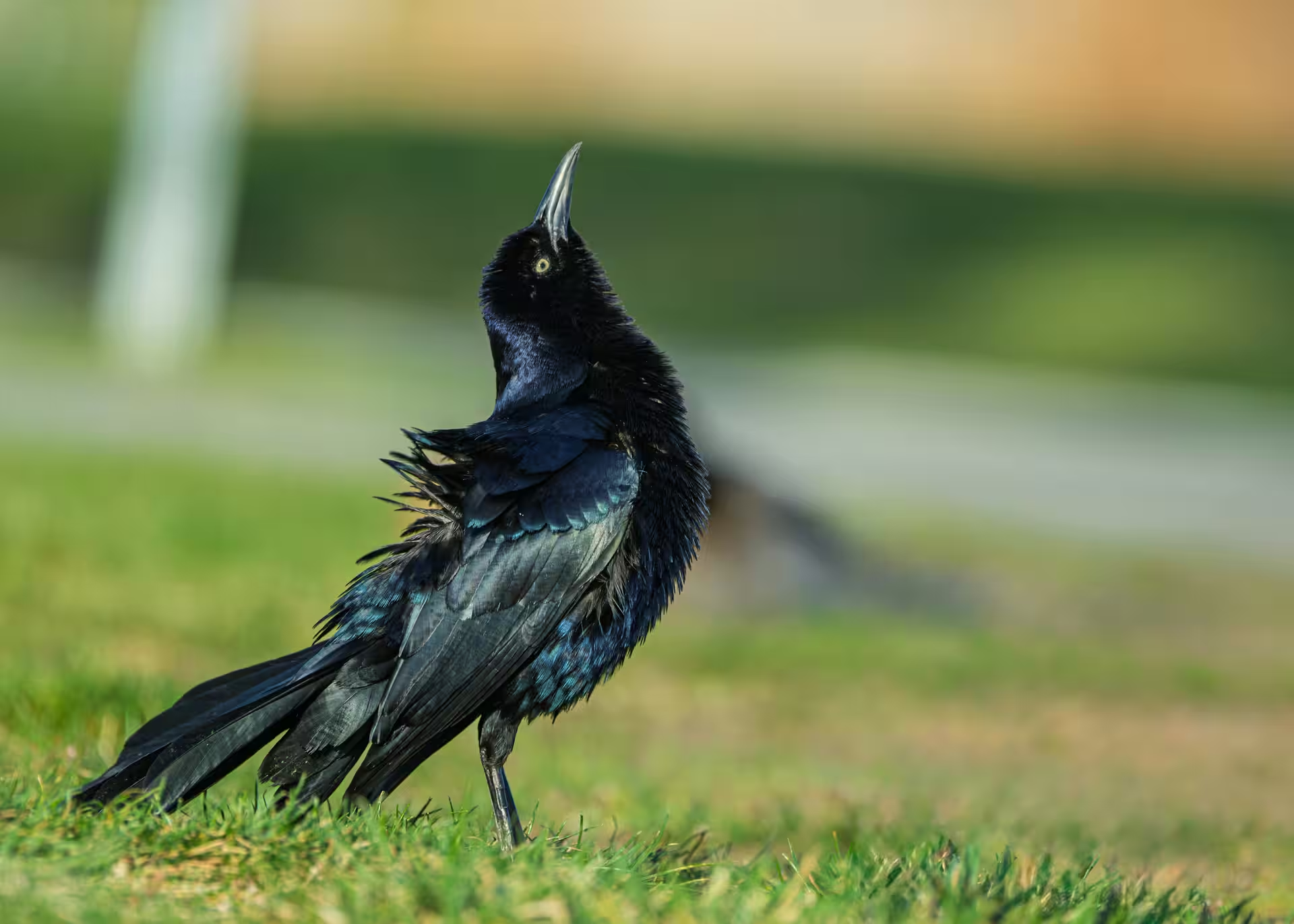
Great-tailed Grackles have become companions of human-built landscapes. Once you learn them, they seem to appear in nearly every town you visit—walking through parks, gathering around restaurants, patrolling grocery-store lots, and watching for anything edible.
Their long tails and glossy feathers make them striking, but their voices make them unforgettable. One bird can produce whistles, squeaks, rattles, clicks, creaks, and sounds that seem more electronic than natural.
They are opportunistic, observant, and remarkably comfortable around people. A parking lot may not feel like classic bird habitat, but to a Great-tailed Grackle it can be a reliable place to find food, water, shade, and a high perch.
Nature Does Not Always Play Fair
Brown-headed Cowbirds are famous—and controversial—for skipping one of the biggest jobs in bird life. Rather than building a nest and raising their own young, females lay eggs in the nests of other songbirds.
The host parents often incubate the cowbird egg and feed the chick after it hatches. Because cowbird nestlings can grow quickly and compete aggressively for food, the host’s own young may receive less care or fail to survive.
It can feel cruel from a human perspective, especially when cowbirds affect a favorite nesting pair. But brood parasitism is not misbehavior or laziness—it is a natural survival strategy shaped over generations.
Cowbirds are a reminder that nature is not designed around fairness. Every species is solving the same problem in a different way: how to survive long enough to produce the next generation.
Utah Edition Endcap
Want to keep exploring? You can read more Guides or join the FeatherQuest updates to hear when new ones go live.