
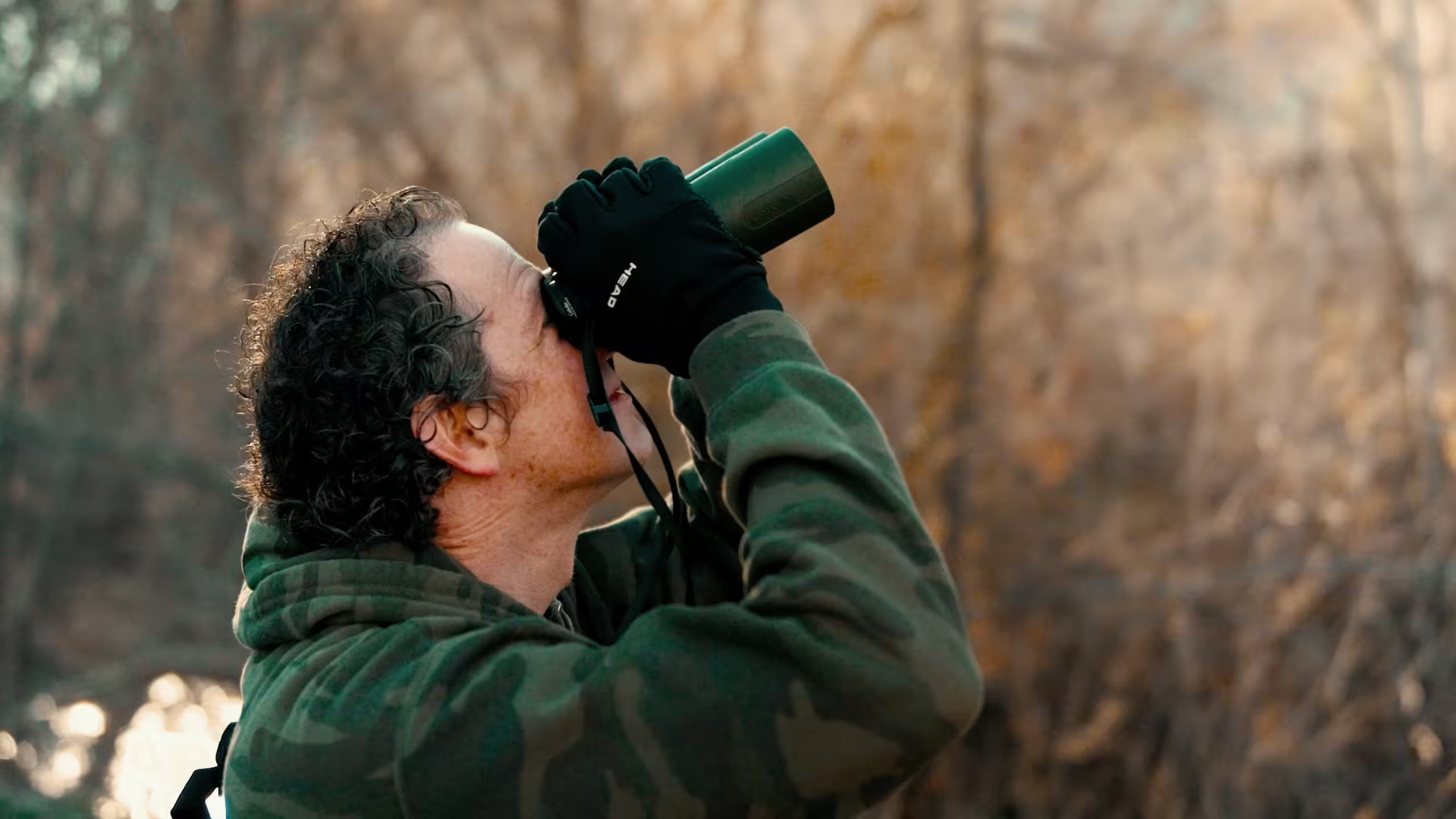
FeatherQuest Scouting Method
From “what’s here?” to knowing exactly where to go.
Table of Contents
From Hoping to Finding
Most people go birding by showing up somewhere and hoping for the best. That works—but it’s inconsistent. The FeatherQuest Scouting Method changes that.
Field guides and detailed trip plans can be incredibly helpful—but they’re not always practical, especially on a quick trip or when you don’t have a full day to dedicate to birding.
Over time, I realized something simple: you can know what birds are around—and where to find them—before you even arrive.
This is the FeatherQuest Scouting Method I use every time I travel. It turns any trip—family vacation, work travel, or a quick stop—into a real birding opportunity.
I’ve now used this method across multiple trips, and it continues to hold up.
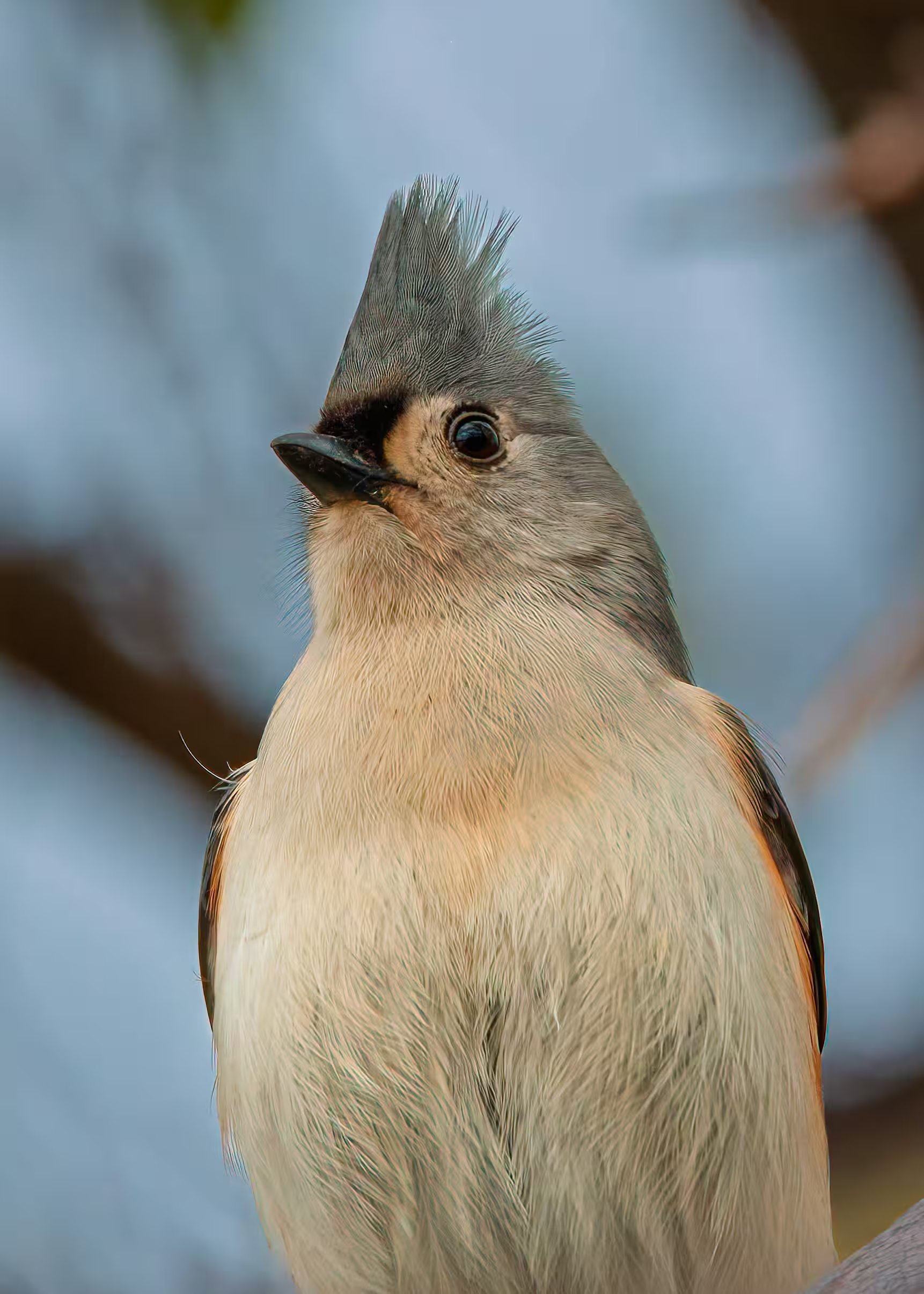
FeatherQuest Scouting Method: Target, Locate, Go
Target
Start with Merlin. Use the date and location of your trip to see what birds are likely around, then pick a few species you’d really love to find.
Locate
Move to eBird and search those target species by location. Look for hotspots with multiple targets, recent checklists, and enough birder activity to give you confidence.
Go
Once you have a plan, go. Whether it’s a full outing or a short walk from a hotel, the goal is to turn research into a real birding opportunity.
1. Target with Merlin
I always start with Merlin using the exact location and dates of my trip. This gives me a quick feel for what’s realistically around.
I’m not trying to memorize a giant list. I’m looking for a few birds that stand out—lifers, seasonal birds, or species I’d simply be excited to see.
Usually that means choosing 3–5 targets. That gives the trip direction without making it feel rigid.
At this stage, I’m not planning the route yet. I’m just identifying what feels possible and worth chasing.
One thing I always pay attention to here is the time of year. If I’m trying to figure out when to visit a place, I’ll often turn the date off and look at the year-round view. Merlin’s seasonal charts are incredibly helpful—they show when a species is actually present and active, and can help you identify peak windows. Sometimes this even influences when I plan a trip, especially if I’m hoping to catch a specific bird at its best time of year.

2. Locate with eBird
Once I know what I’m looking for, I switch to eBird. This is where the plan starts to become real.
Instead of searching randomly, I look up my target species to see where they’ve been reported recently.
Patterns show up quickly:
- Locations where the bird is seen consistently
- Hotspots with high activity and lots of checklists
- Areas with multiple target species overlapping
The goal is simple: find places that maximize your chances—not just for one bird, but for several.
This is the biggest shift. You’re no longer guessing. You’re using real-world data from birders who have already been there.

3. Go (Execute the Plan)
This is where FeatherQuest Scouting moves from planning into action.
Sometimes I have flexibility—a car, extra time, or a say in where I stay. In those cases, I can optimize hard and stack multiple target species into one outing.
Other times I’m on a work trip, locked into a hotel, and just looking for a nearby park, pond, or walkable patch of habitat. That still counts. Even a short outing helps me learn the local birds and become more familiar with the area.
The point isn’t to force a perfect plan. It’s to give yourself the best realistic shot, then get out there and bird.
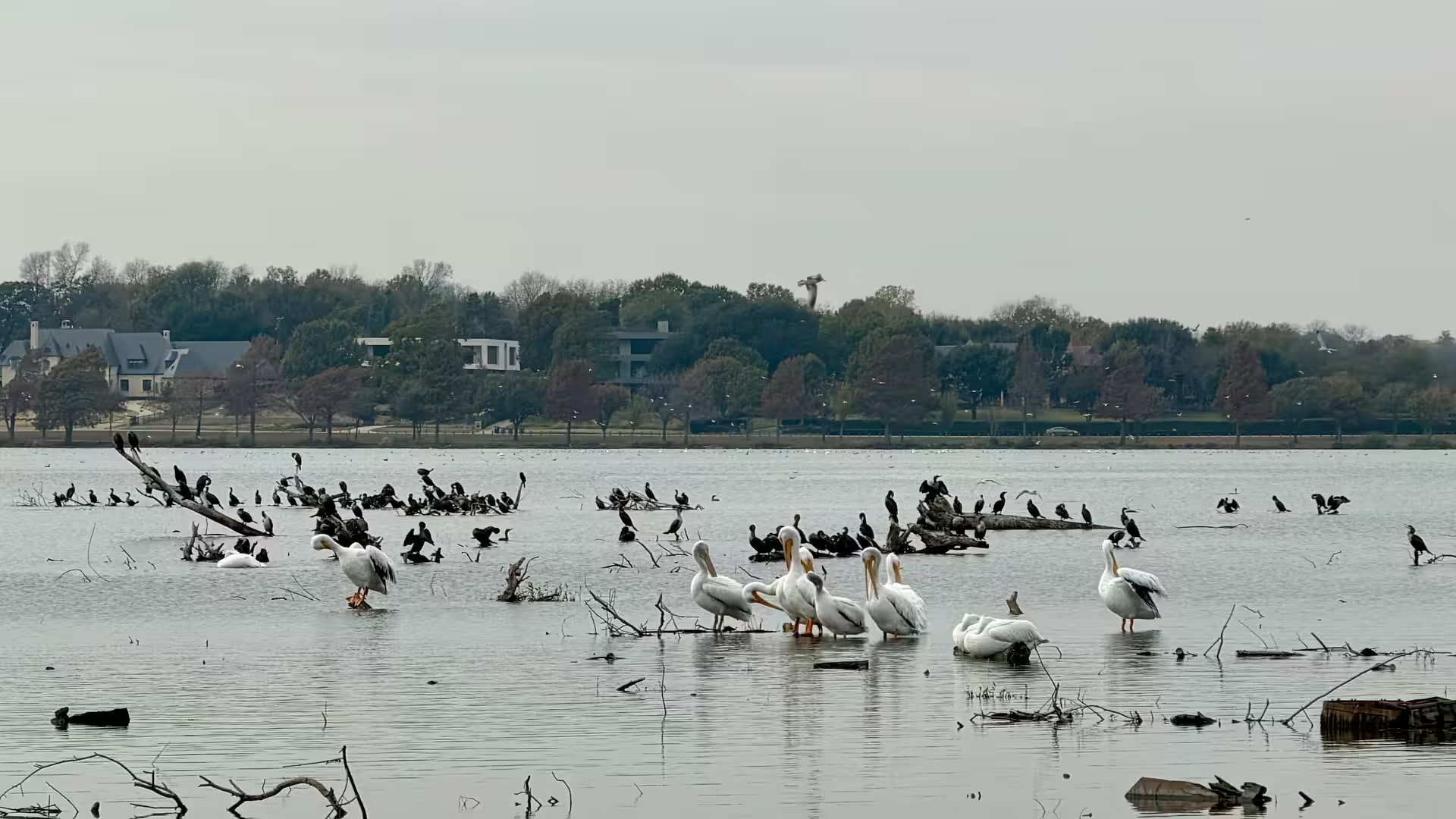
Bonus Tips
Once the core plan is in place, a few extra layers can make it even better. These aren’t required—but they can absolutely sharpen the trip.
Ask locals or Facebook birding groups. These communities are incredibly active and a quick post can surface favorite local spots, recent sightings, or specific areas within a hotspot that are producing well.
Use ChatGPT to connect the dots. When something stands out or you want a little more detail, it’s a quick way to refine your plan—especially for things like timing, behavior, or where to focus once you arrive.
- Best time of day to find [species]
- Where within [location] should I look for [species]
- Any tips for finding [species] in this area
Sometimes something will stand out that doesn’t quite make sense—that’s usually a good signal to dig a little deeper.
For example, I saw that the Red-vented Bulbul shows up as very common in Houston—but its native range is actually India. That’s where I’ll use ChatGPT to quickly understand what’s going on. In this case, it’s an introduced species that has established itself in parts of Texas.
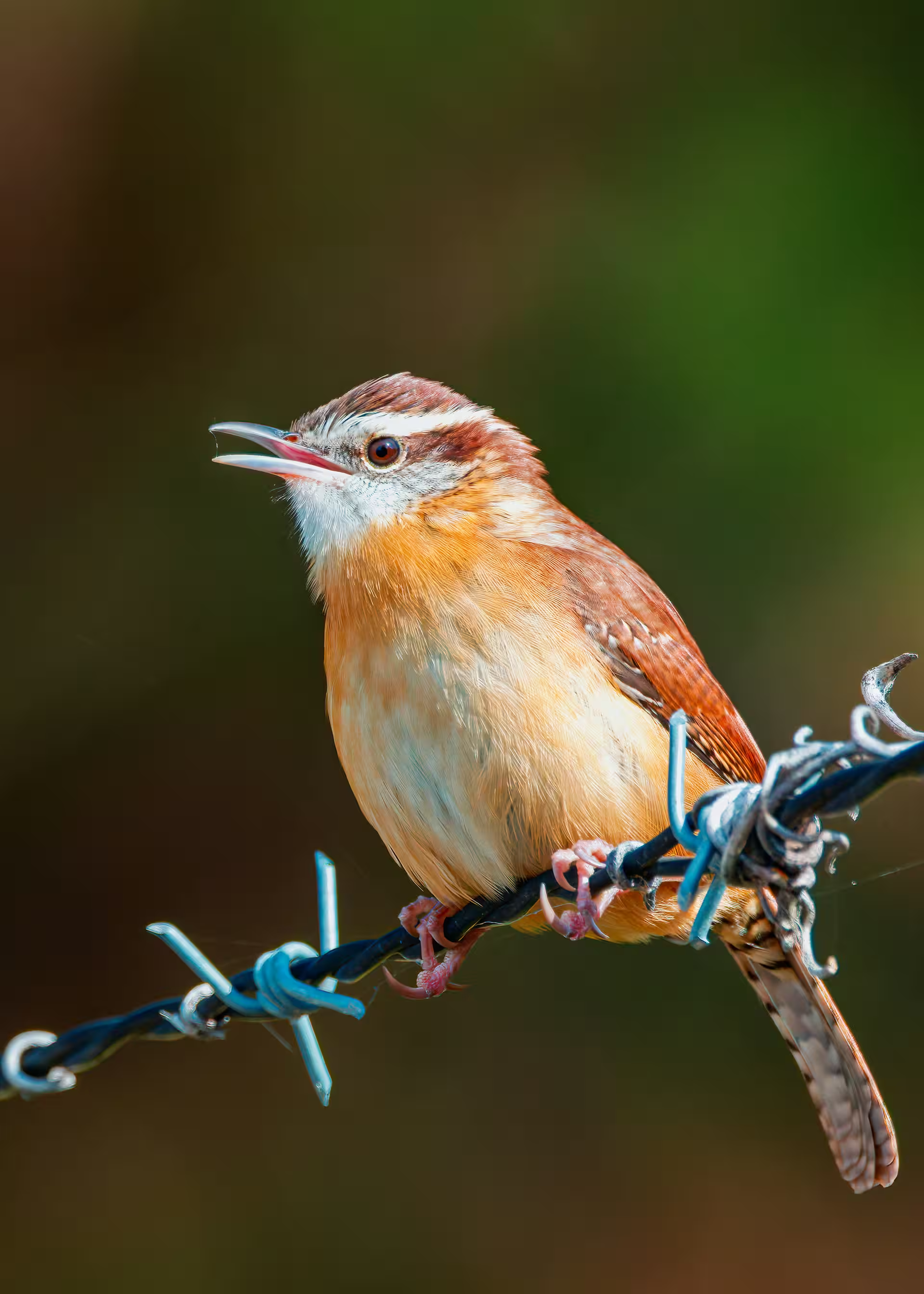
A Simple System That Changes Everything
Once you get used to it, the FeatherQuest Scouting Method only takes a few minutes.
But the impact is huge. Instead of hoping, you show up with awareness, targets, and a plan.
And once you start doing this, every new place becomes an opportunity.