
An Introduction to Conservation
How one ordinary hunter built a conservation nonprofit — and how you can start too.
Table of Contents
Why This Conversation Matters
A lot of people see a cool bird, feel something shift inside, and think: “I wonder how I can help protect this?” But then the moment passes. Conservation feels complicated. Political. Technical. Like something meant for someone else.
Troy would be the first to tell you he wasn’t any of those things when he started.
He grew up in the era of ‘pack it in, pack it out.’ Reduce. Reuse. Recycle. Hunting with a father who taught him that when humans expand into wildlife habitat, we carry responsibility with that expansion.
In the United States alone, roughly half of our historic wetlands have been drained or filled — a reality that makes habitat restoration not just admirable, but urgent.
Years later, once life slowed down and he had disposable income, he made a decision: it was time to give back.
One Big Misconception
As I’ve dived deeper into the world of birding, I’ve naturally become more curious about conservation. The more time I spend noticing birds, the more I find myself asking bigger questions about habitat, restoration, and long-term stewardship. I’m especially grateful to Troy for taking the time to share his journey and perspective with me.
One of the things that genuinely surprised me was how closely hunting and conservation are connected. From the outside, that relationship isn’t always obvious — especially for those of us who came into wildlife appreciation through binoculars instead of blinds.
One misconception Troy wishes would disappear?
That only hunters do — or can do — conservation.
His response is simple: conservation has room for anyone willing to learn and work hard.
Bird watchers. Photographers. Families. Students. Retirees.
What Is Wasatch Wigeons?
Wasatch Wigeons is a state-based conservation nonprofit focused on waterfowl conservation and wetland restoration.
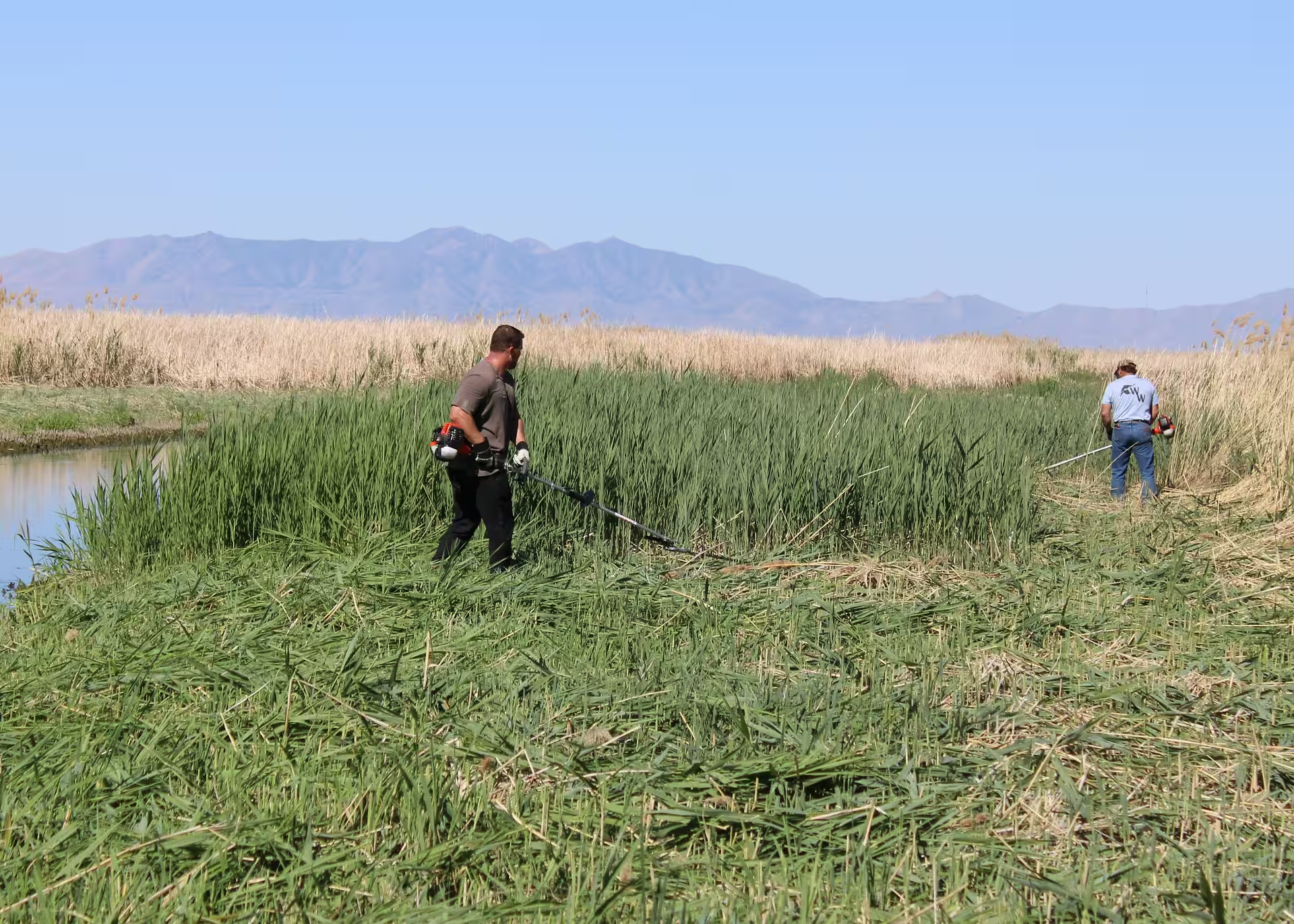
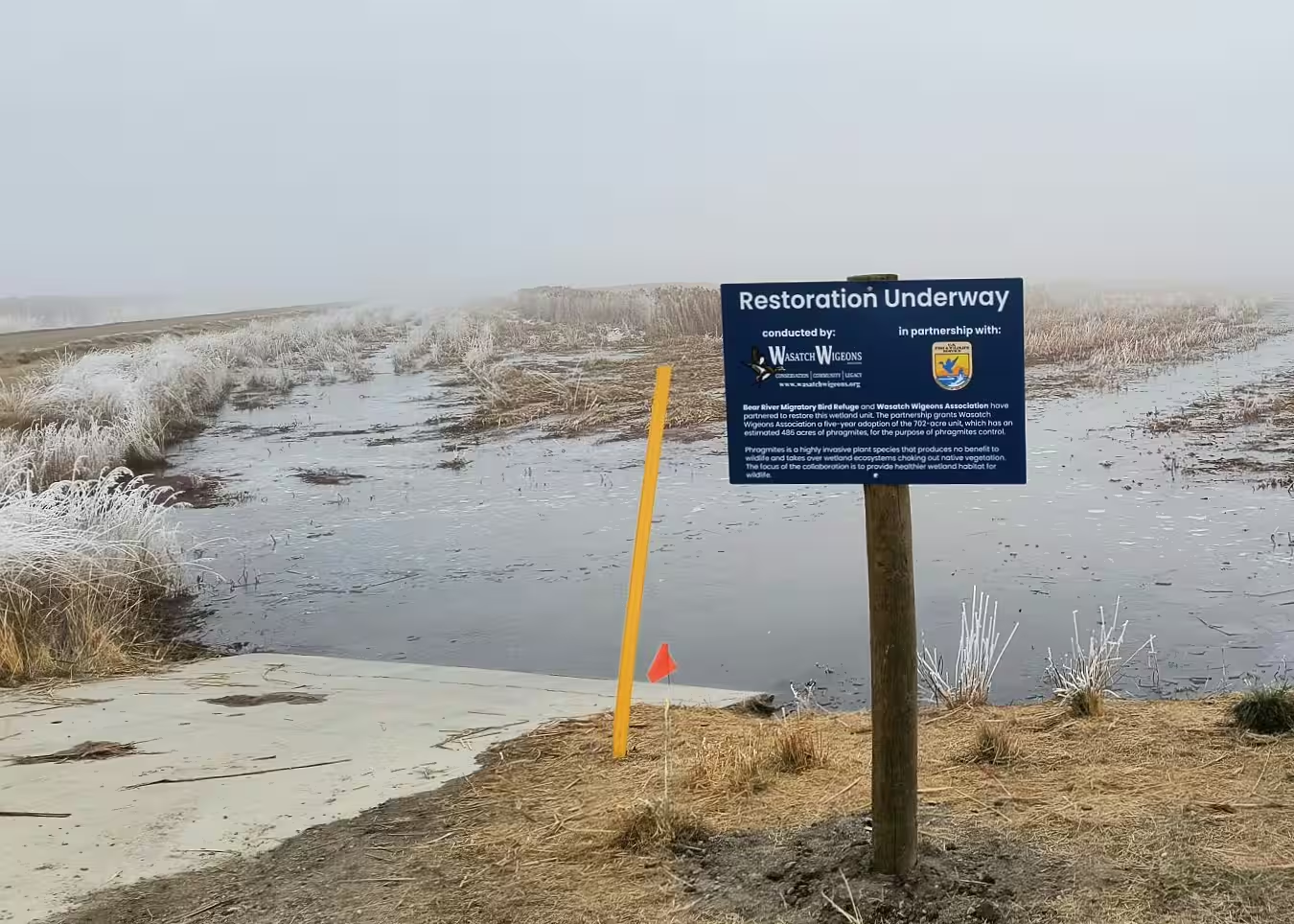
For over 12 years, Troy and his team have installed and maintained waterfowl nest structures. Their primary work now centers on wetland restoration — removing invasive non-native species and re-vegetating habitat so it can support more wildlife.
What most people don’t see is the planning.
As Troy puts it, there’s roughly an hour of planning for every hour spent in the field. Permits. Coordination. Landowner relationships. Equipment logistics. Funding.
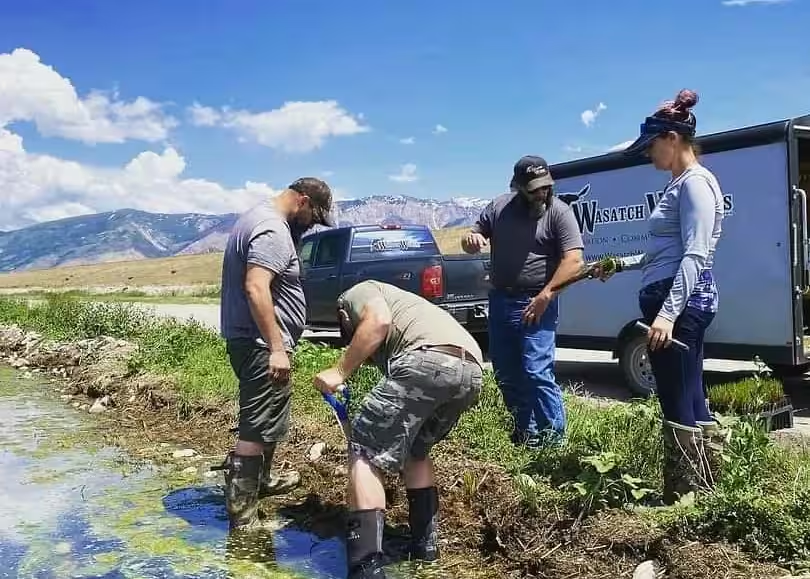
A typical habitat day might involve cutting invasive reeds, installing nesting structures, planting native vegetation, hauling equipment, or coordinating land access. It’s hands-on, physical work — but also deeply rewarding, especially when you see wildlife return to restored ground.


What Conservation Actually Means
Before starting Wasatch Wigeons, conservation meant duty. Balance. Managing habitat responsibly while participating in it.
After starting Wasatch Wigeons, conservation became something deeper.
“It’s become my purpose — my meaning to life itself,” Troy shared.
He now talks in terms most of us never consider: how many animals a single acre of land can support. How improving that acre multiplies its yield many times over. How restoring one section of wetland benefits every species that touches it — not just waterfowl.
The 3 T’s: How Anyone Can Start
When I asked Troy where someone should begin, he didn’t hesitate. He shared what he calls the 3 T’s — a simple framework that makes conservation feel practical instead of overwhelming.
Time
Time is the simplest entry point. Volunteer on habitat days, nest structure installs, restoration events, or community projects. You don’t need experience — just a willingness to show up and work.
Talent
Talent means using whatever skills you already have. Legal help, photography, grant writing, woodworking, logistics, social media, organizing — conservation nonprofits need more than just boots on the ground.
Treasure
Treasure is financial support — of any size. Donations help scale impact, fund equipment, secure permits, and move projects forward faster than volunteer hours alone.
Where Birding Fits In
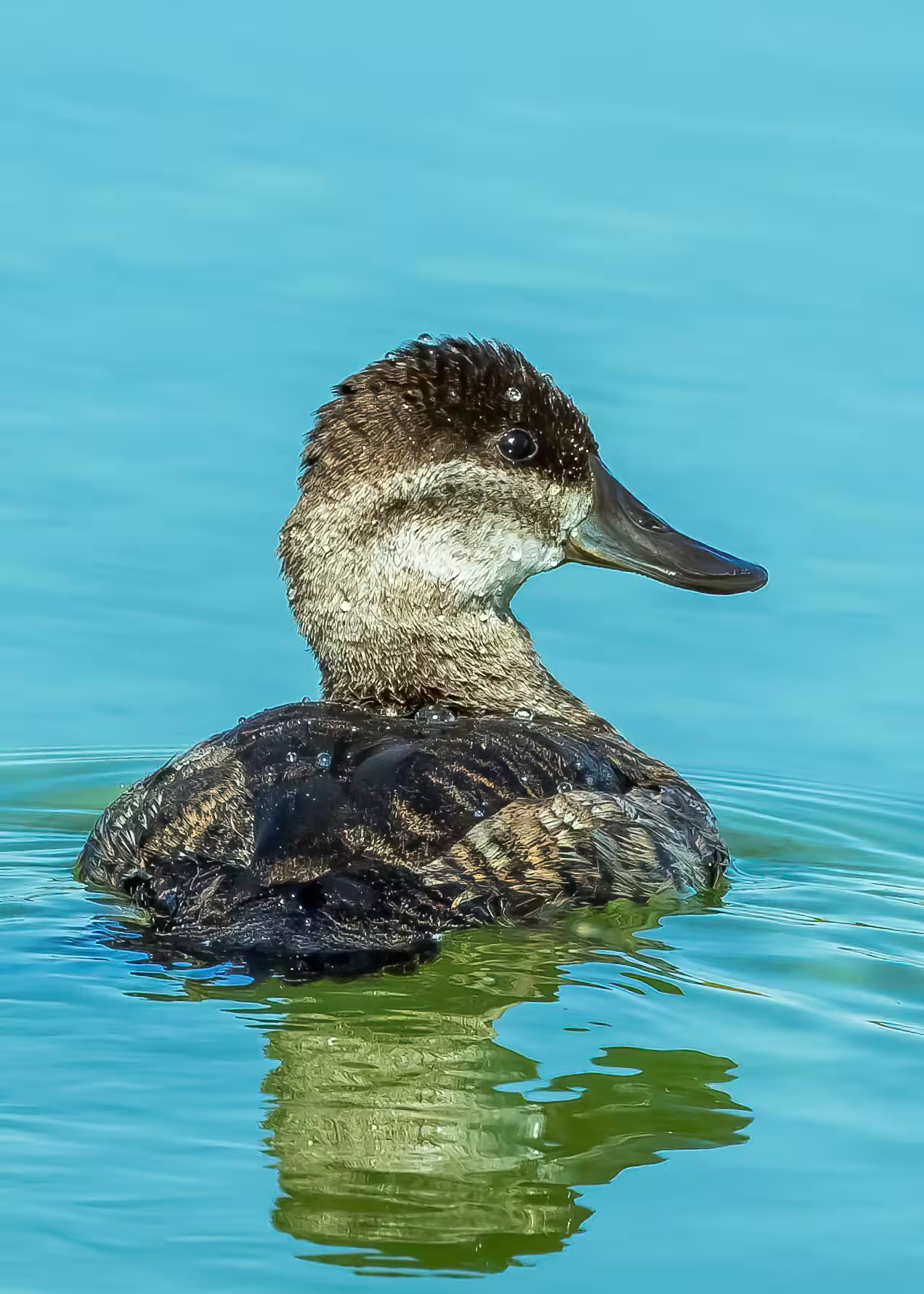
Troy sees bird watching as another form of responsible utilization of habitat.
High-quality habitat increases wildlife viewing, photography opportunities, and public enjoyment — not just hunting success.
When wetlands are restored, everyone benefits.
Reasons for Hope
Right now, Troy sees momentum.
Increased focus on the Great Salt Lake. Task forces assembling. Doctoral research being conducted. GPS tracking of Trumpeter Swans in Utah — with migration data already coming in.
He hopes to see the Trumpeter Swan’s conservation story become as successful as the Canada Goose’s recovery.
And in places like Alaska, that kind of recovery is already visible.

If You Want to Take One Step
If you’re not sure where you fit yet, Troy’s advice is straightforward: reach out to your state’s Department of Natural Resources (or equivalent wildlife agency).
Most have volunteer opportunities throughout the year. They’re hands-on. They’re practical. And they connect you with people already doing the work.
Conservation doesn’t start with expertise. It starts with showing up.
From Noticing to Participating
Notice
Noticing is where conservation begins. Pause for a bird or a wetland and something shifts. Curiosity becomes care.
Participate
Participation turns care into impact. Volunteer locally, support wetland groups, or donate to conservation efforts. You don’t need to be an expert — just willing to show up.
Conservation Has Room for You
Wasatch Wigeons is an all-volunteer organization — and like most nonprofits, they’re always looking for the 3 T’s.
They’re also willing to teach about waterfowl nesting and wetland restoration — another reminder that conservation knowledge is meant to be shared, not guarded.
But this story isn’t really about one organization. It’s about what happens when ordinary people decide to care.
It’s about the realization that noticing wildlife naturally leads to caring about habitat.
And caring — when acted on — turns into conservation.