
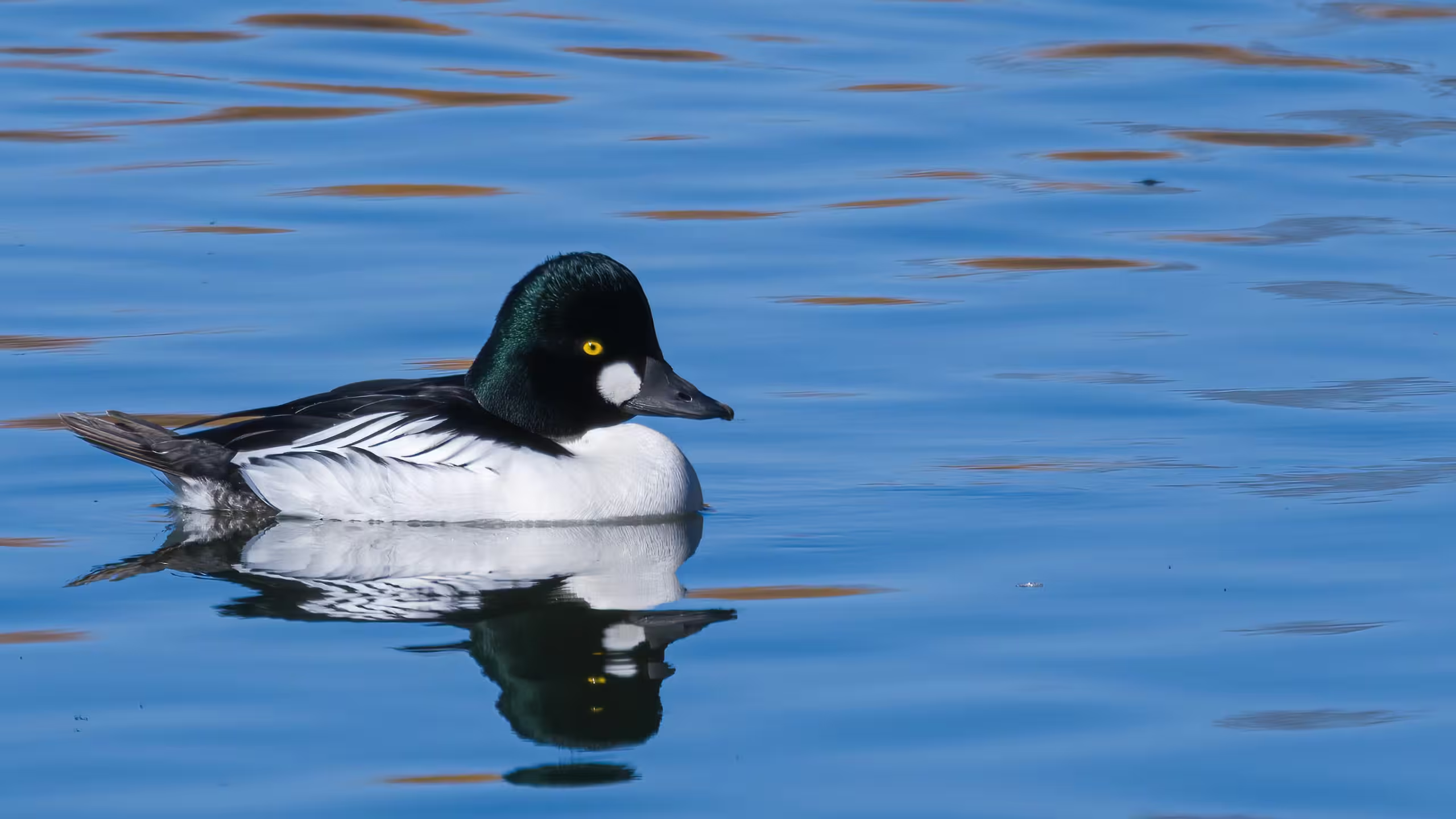
Sea Ducks
Winter divers that reward patience.
Table of Contents
How to Notice Sea Ducks
Where to Find Them
Look for sea ducks on bigger bodies of water—lakes, reservoirs, and wide rivers—especially where there’s open water in winter. While many species are associated with oceans and coastlines, they’re also commonly found on inland freshwater during migration and winter.
What to Watch For
Sea ducks are diving ducks—watch for the full “dive-under” and the pop-up a bit later. They can be quick to spook, so move slowly and give them extra space. If they feel pressured, they’ll slide away… or lift off and disappear fast.
Listen Closely
Sea ducks are usually quiet, but sound can still help. Goldeneyes in particular make a distinctive whistling wing sound in flight—often heard before you ever see them.
Explore Further
- Common Goldeneye Guide (All About Birds)
- Bufflehead Guide (All About Birds)
- ▶️ Sea Duck Identification Overview (Bob Duchesne)
Sea Ducks
Sea ducks often feel a little distant at first. They tend to stay farther from shore, sit quietly between dives, and surface in a different spot each time. That distance can make them easy to overlook—but watching longer often reveals surprisingly consistent patterns.
Despite the name, sea ducks aren’t limited to salt water. Many species breed in northern freshwater wetlands and spend large portions of the year on inland lakes and rivers. Seeing them on freshwater in Utah is completely normal, especially outside the breeding season.
In my experience, sea ducks respond quickly to pressure. Sudden movement, approaching too close, or shifting silhouettes can send a whole group lifting off at once. Many species also share bold black-and-white patterning, which can make them seem similar at first glance—but subtle shape, head pattern, and behavior differences begin to stand out the longer you watch.
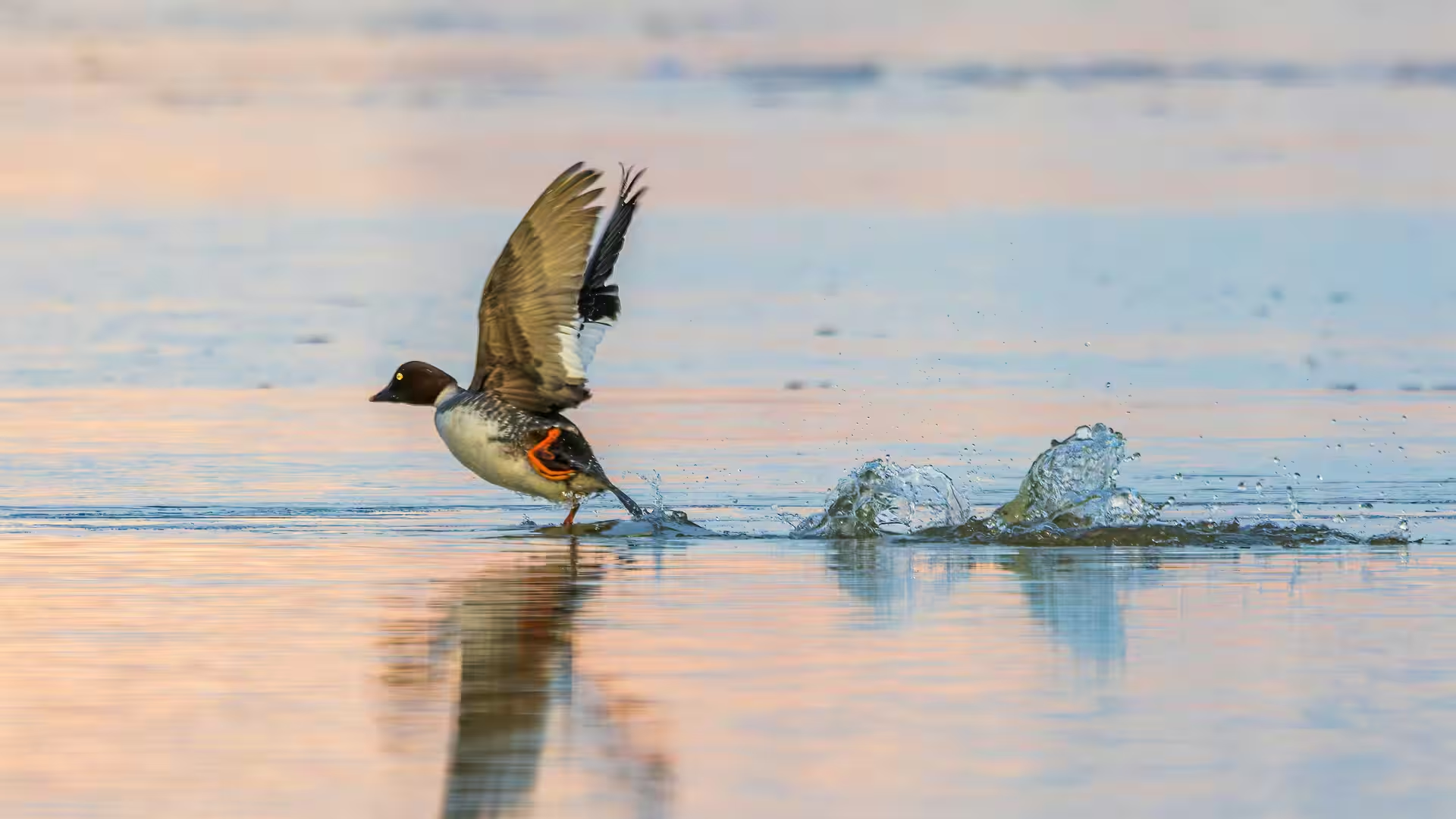
Like most ducks, sea ducks are dimorphic, which simply means the males and females often look different. Males tend to have bolder colors and patterns, while females are usually more subtle—and young birds can fall somewhere in between.
A helpful way to think about sea ducks is as birds built for a different rhythm. They spend long stretches resting quietly, then disappear beneath the surface again—moving through the water in ways that reward patience more than speed.
Utah Edition Endcap
Want to keep exploring? You can read more Guides or join the FeatherQuest updates to hear when new ones go live.