
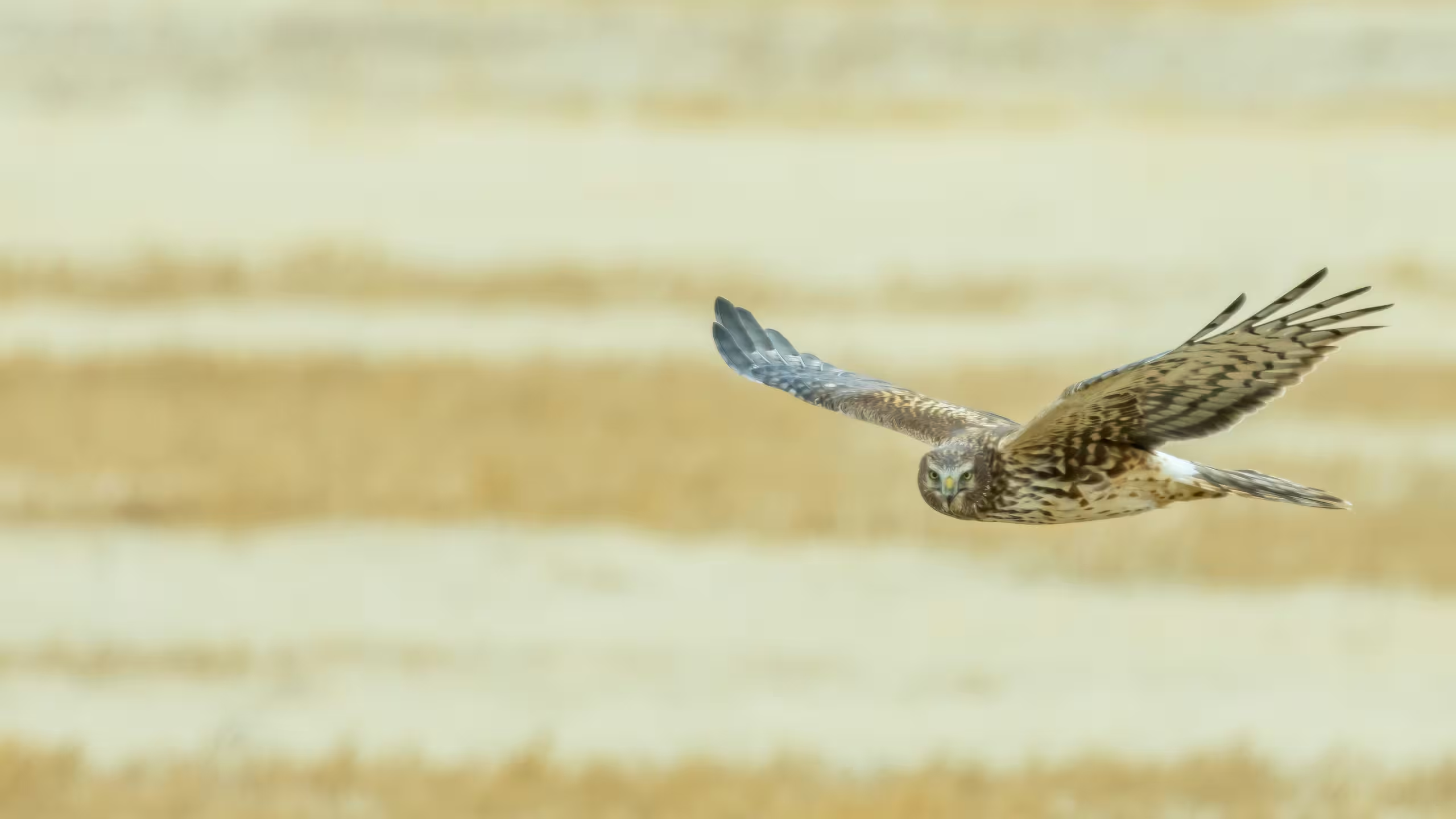
Harriers & Accipiters
Low glides. Sudden bursts. Two styles of winter hunting.
Table of Contents
How to Notice Harriers & Accipiters
Where to Find Them
These birds live in different worlds. Northern Harriers favor wide, open places—marshes, wet meadows, grasslands, and winter fields—where they can patrol low and slow. Accipiters (Cooper’s, Sharp-shinned, Goshawk) prefer structure: wooded edges, neighborhoods with mature trees, riparian corridors, and anywhere cover gives them a surprise advantage.
What to Watch For
Harriers hunt like they’re on rails—gliding low with a slight dihedral (a shallow V) and tilting side-to-side as they listen and scan. Accipiters are the opposite: quick launches, sharp turns, and short bursts through branches. If you see a long tail and fast, purposeful flight threading through trees, you’re likely in accipiter territory.
Listen Closely
You won’t always hear these raptors first—but sound can give them away. Harriers are often silent while hunting, yet they may vocalize around courtship displays or when interacting with other harriers. Accipiters can produce sharp, rapid calls near nests or when agitated, and smaller birds often broadcast their presence with frantic alarm notes and mobbing chatter.
Explore Further
- Northern Harrier Guide (All About Birds)
- Cooper’s Hawk Guide (All About Birds)
- Cooper’s vs Sharp-shinned Hawk Quiz (All About Birds Academy)
Harriers & Accipiters
This week is less about memorizing markings and more about learning a new kind of pattern recognition: hunting style. Harriers are built for open space—floating low, covering ground, and working patiently. Accipiters are built for ambush—using trees as cover, then exploding into motion for a short, decisive chase.
If you only remember one thing: harrier equals open-country glide; accipiter equals wooded-speed-and-tail. Once you start noticing that difference, the rest of the ID clues feel less overwhelming—especially when Cooper’s and Sharp-shinned are testing your confidence near a feeder.
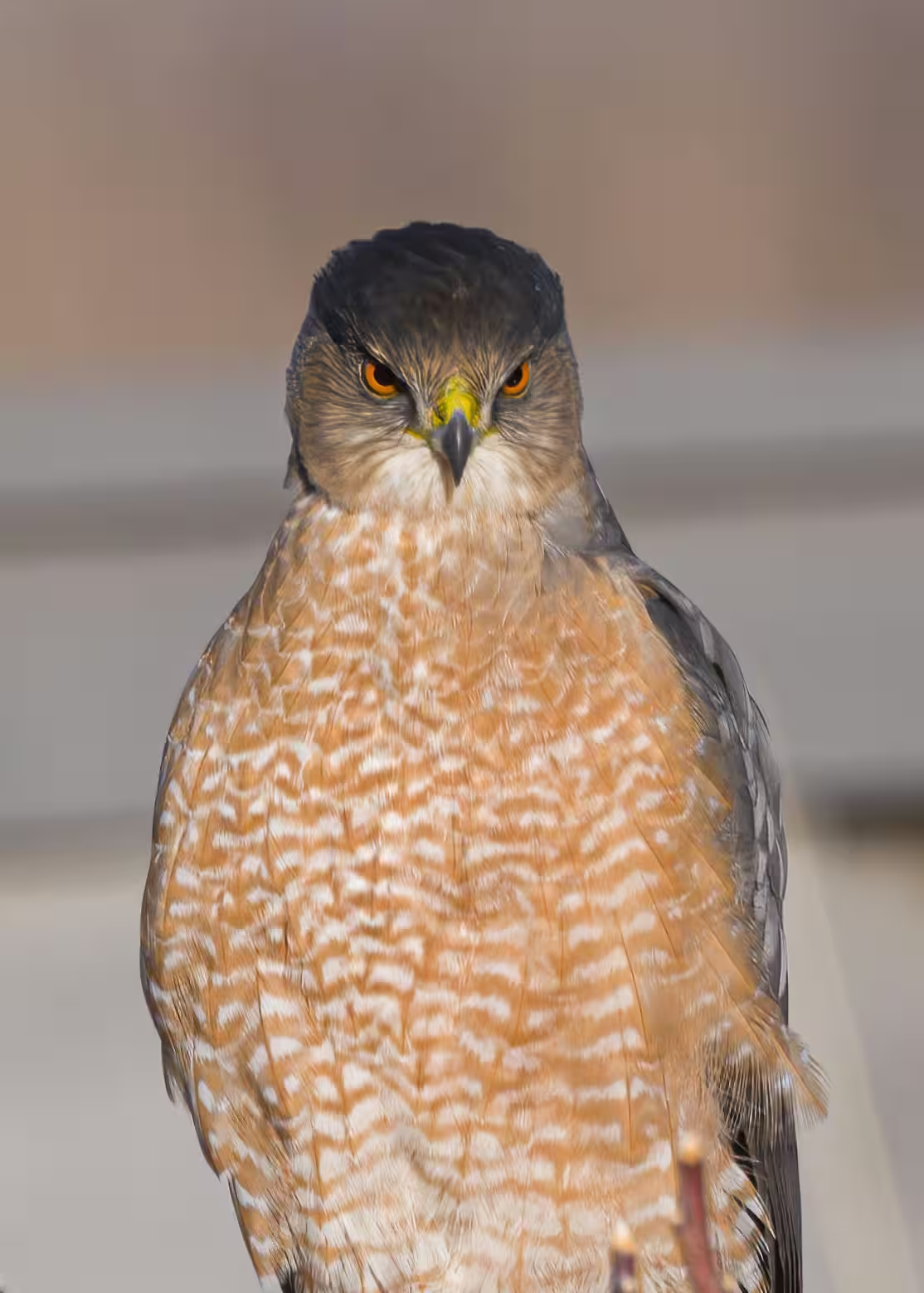
One quick reality check: Sharp-shinned Hawks (“sharpies”) and Cooper’s Hawks are famously difficult to separate. Size is helpful—but imperfect. Male sharpies are much smaller, yet large female sharpies can overlap with small male Cooper’s. Eye appearance is another clue: sharpies often look wide-eyed or “bug-eyed,” with eyes that seem larger and closer together. Head shape and coloring can also help, but changing angles, posture, and lighting can easily blur these differences. Even experienced birders get fooled—so confidence plus humility goes a long way here.
Utah Edition Endcap
Want to keep exploring? You can read more Guides or join the FeatherQuest updates to hear when new ones go live.