
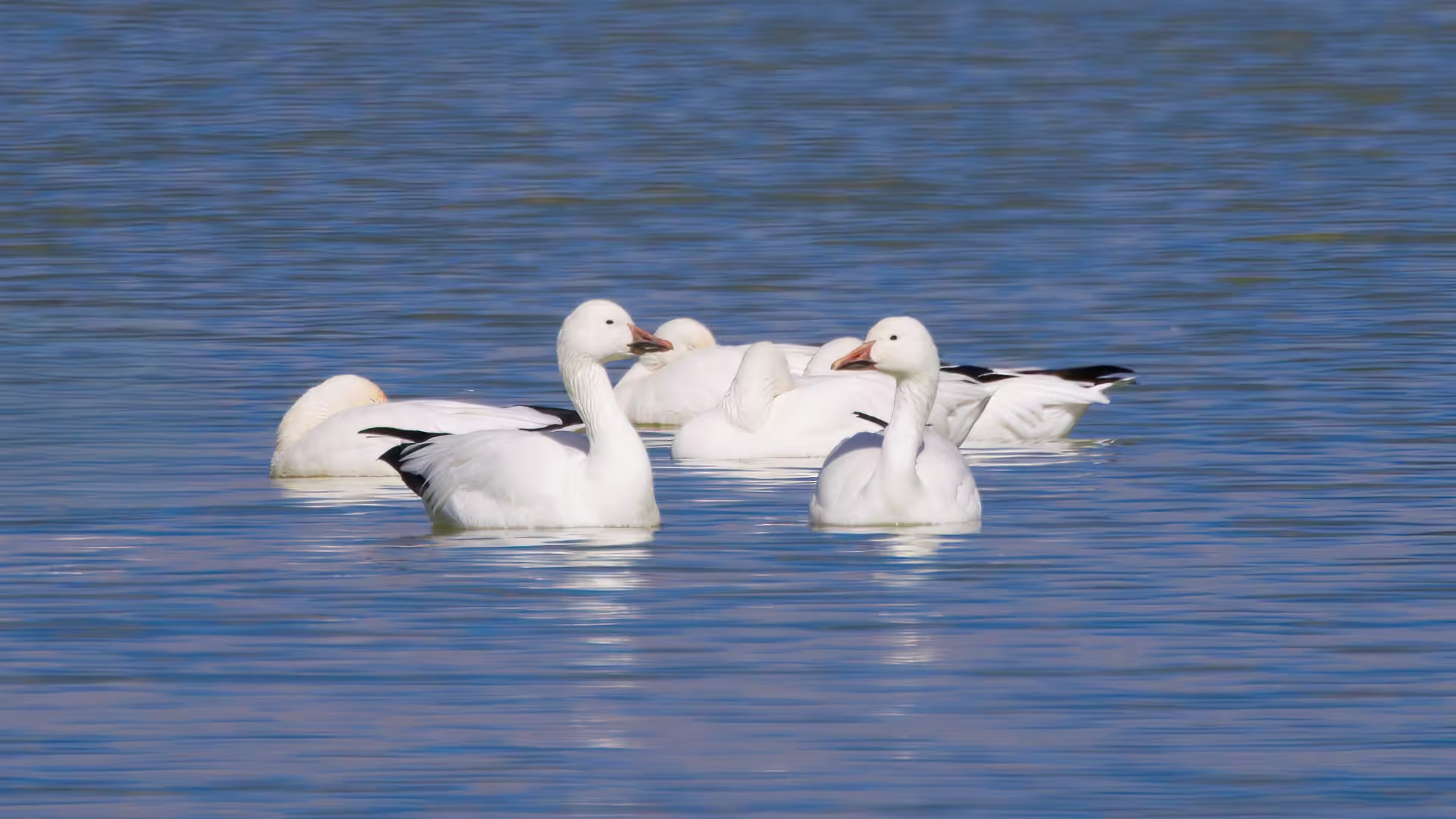
Geese & Swans
Power, posture, and presence on open water.
Table of Contents
How to Notice Geese & Swans
Where to Find Them
Look for geese and swans on reservoirs, wetlands, farm fields, and wide rivers. In winter, large concentrations gather at places like the Bear River Refuge and the Delta area. Some species pass through quickly, while others linger for months.
What to Watch For
Start with scale and posture. Swans carry long, elegant necks and glide with quiet authority. Geese feel more compact and grounded. Bill shape, neck length, and head profile often separate species before plumage details matter.
Listen Closely
Canada Geese announce themselves long before you see them. Their honking often fills evening skies as flocks move overhead. Swans are deeper and more resonant. Sound is often your first clue that something large is approaching.
Explore Further
- Snow Goose Guide (All About Birds)
- Trumpeter Swan Guide (All About Birds)
- Delta Snow Goose Festival (Delta Utah Chamber)
Look-Alikes & Subtle Clues
Utah offers several pairs that look frustratingly similar at first glance. The key is to slow down and compare structure.
Cackling Goose vs Canada Goose: Cackling Geese are noticeably smaller with shorter bills and rounder heads. When seen side by side, the difference becomes obvious. Alone, it takes patience.
Tundra Swan vs Trumpeter Swan: Tundra Swans usually show a small yellow spot near the bill. Trumpeters lack this marking and often appear heavier with a longer, straighter bill profile.
Snow Goose vs Ross’s Goose: Ross’s Geese are smaller with a shorter bill and a rounder, almost toy-like head shape compared to Snow Geese.
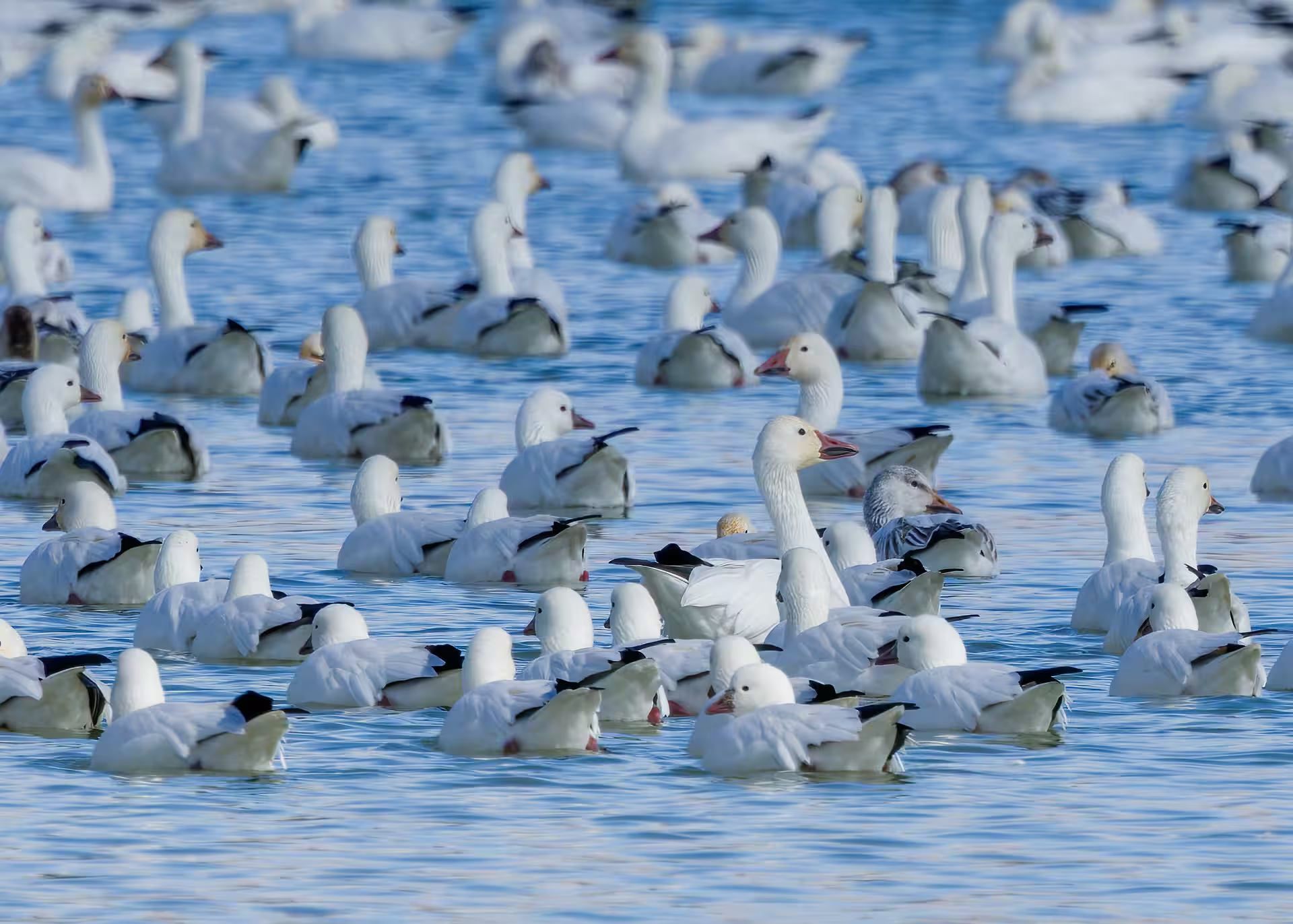
A few quick field tips: Ross’s Geese are typically smaller overall with a shorter, stubbier bill and a rounder head. They often look compact next to Snow Geese. But the best tip of all is the ‘grin’—Snow Geese show a distinctive dark line along the edge of the bill that looks like a smile. Ross’s Geese lack this grin, giving their bill a cleaner, simpler look. Once you notice it, you’ll start seeing it everywhere.
The Ornamental Swan
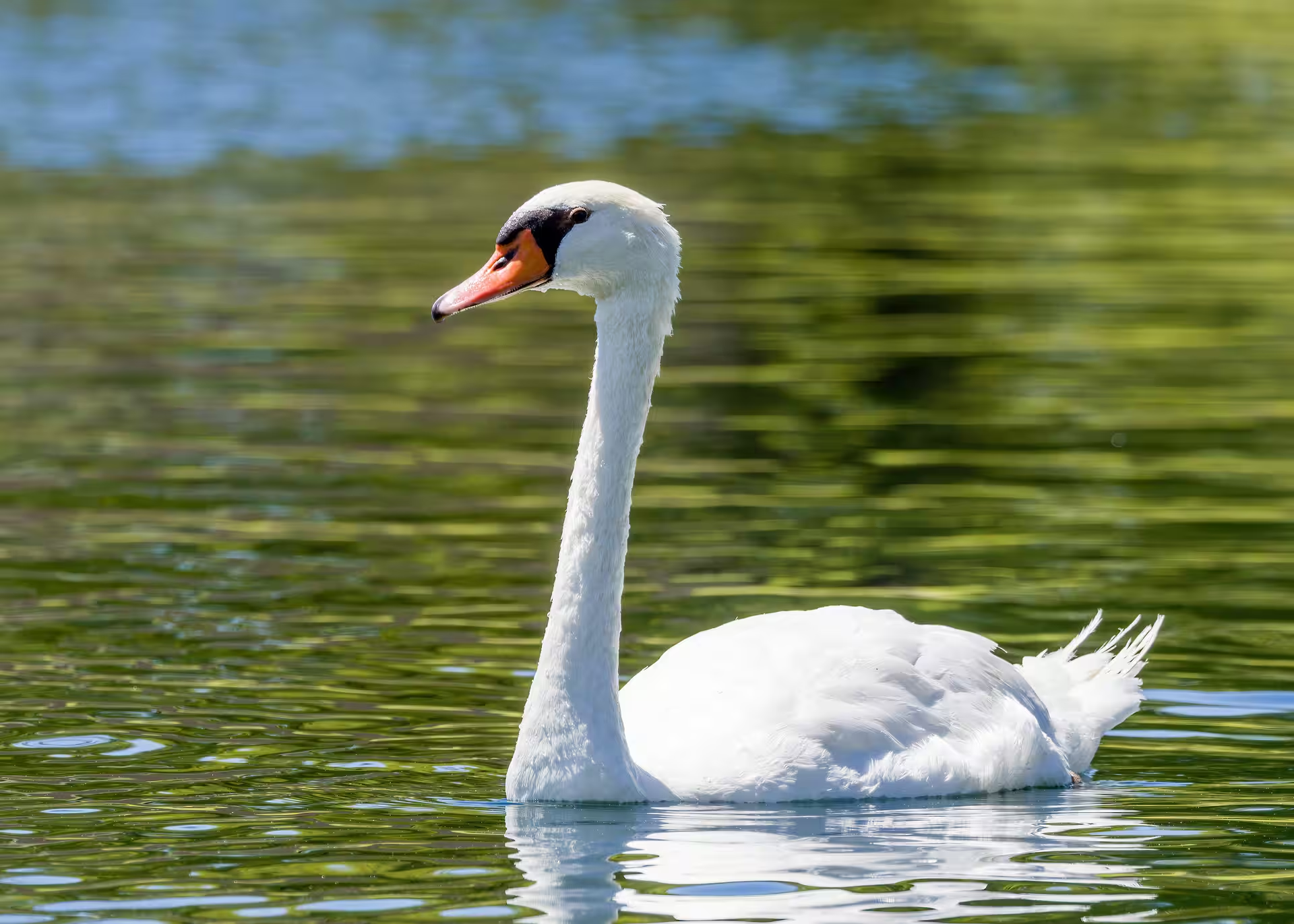
Mute Swans are not native to Utah, but they do appear—often as escaped ornamental birds. Their orange bill and graceful S-curved neck make them instantly recognizable.
Graceful does not mean gentle. I once encountered a Mute Swan up Hobble Creek Canyon that clearly did not appreciate my presence. It lowered its head, began to hiss, and slowly advanced while I nervously backed away. Up close, their size and confidence are unmistakable.
The Familiar One
Canada Geese may be the most familiar large bird in Utah. They fill parks, fields, and skies. On winter evenings, long V-formations move overhead, honking as they travel between feeding and roosting sites.
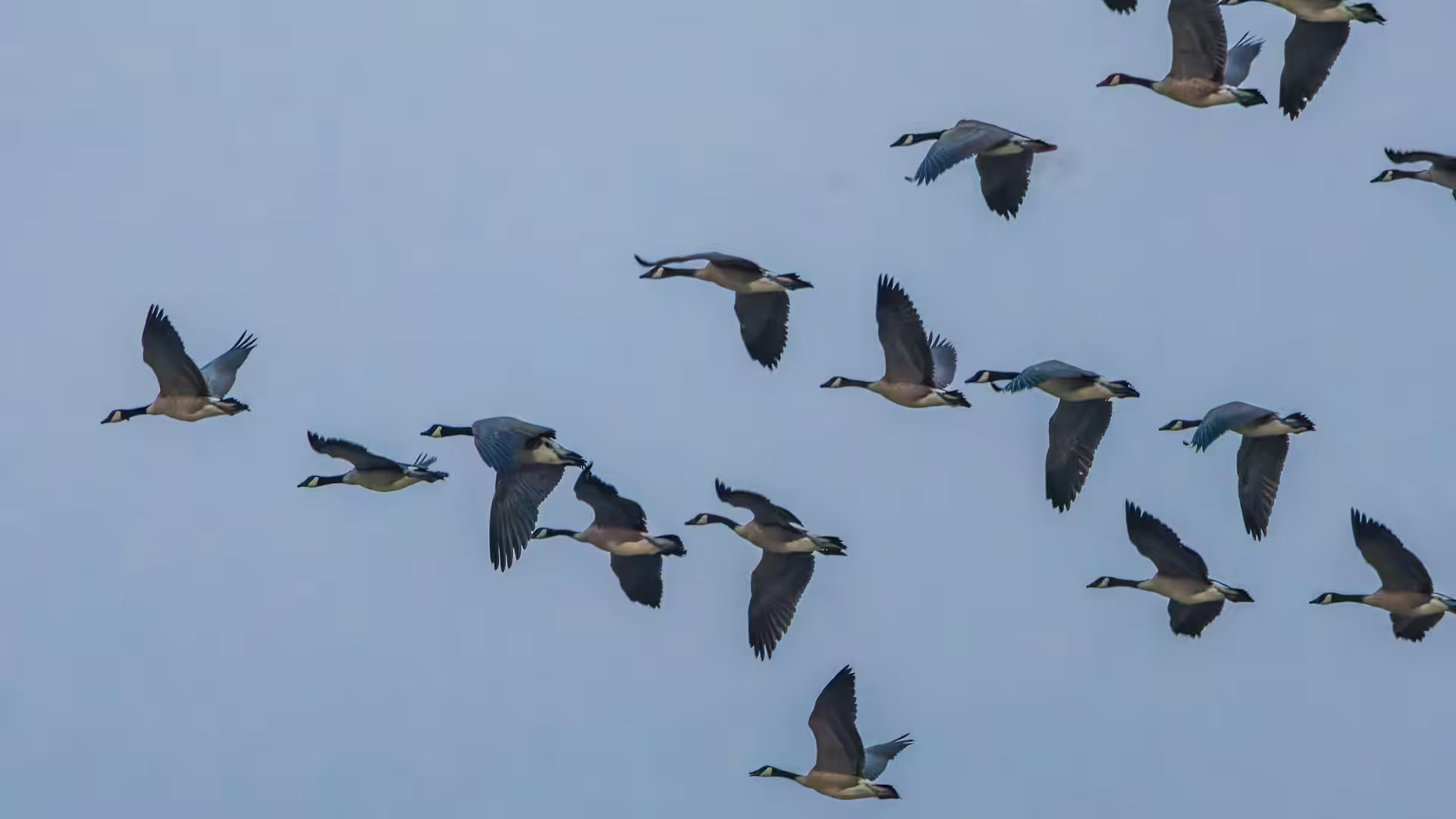
Because they are everywhere, it’s easy to overlook them. But watch a flock land, listen to their coordination calls, or study how juveniles follow adults. Even the common species reward attention.
Utah Edition Endcap
Want to keep exploring? You can read more Guides or join the FeatherQuest updates to hear when new ones go live.