
Eagles
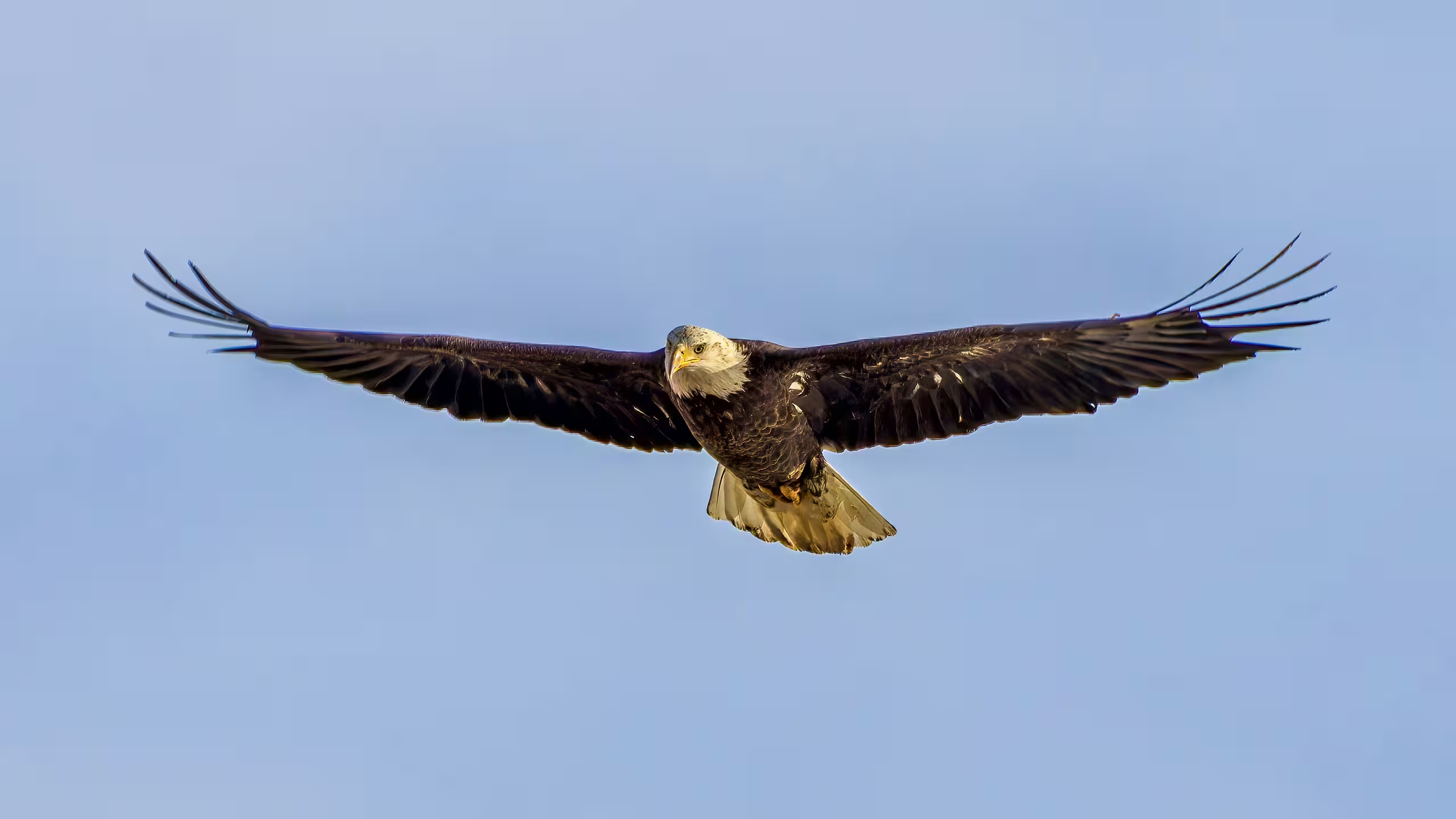
Power written in wingspan.
How to Notice Eagles
Where to Find Them
Bald Eagles concentrate near water—reservoirs, lakes, and rivers—especially in winter when fish and waterfowl create reliable food sources. Golden Eagles prefer open country: deserts, foothills, and wide valleys where they hunt across expansive terrain.
What to Watch For
Begin with scale and flight style. Eagles move with deliberate authority: long, broad wings, deep wingbeats, and extended glides. Head projection, wing shape, and posture often reveal identity long before plumage details matter.
Listen Closely
Ironically, the eagle call most people recognize from movies usually isn’t an eagle at all—it’s a Red-tailed Hawk. Real eagles are often quieter and less theatrical. Listening for reactions from other birds, like alarm calls from gulls or waterfowl, can be more reliable than waiting for a dramatic scream.
Explore Further
- Bald Eagle Guide (All About Birds)
- ▶️ Golden Eagle Perch Cam (Scott Root Wildlife Videos)
- ▶️ Meet Lincoln the Bald Eagle (American Eagle Foundation)
Bald Eagle
Surprisingly, North America has only two true eagle species: Bald Eagles and Golden Eagles. Despite the continent’s many large raptors, these are the only native eagles—and Utah offers excellent opportunities to observe both.
Few birds trigger a reaction like Bald Eagles. As the national bird of the United States, they carry enormous symbolic weight, and many people can’t help but feel a sense of awe when one appears overhead.
That reaction is understandable. Eagles are built on a different scale—broad wings, heavy bodies, and movements that feel slow, confident, and deliberate. Even brief encounters tend to feel memorable.
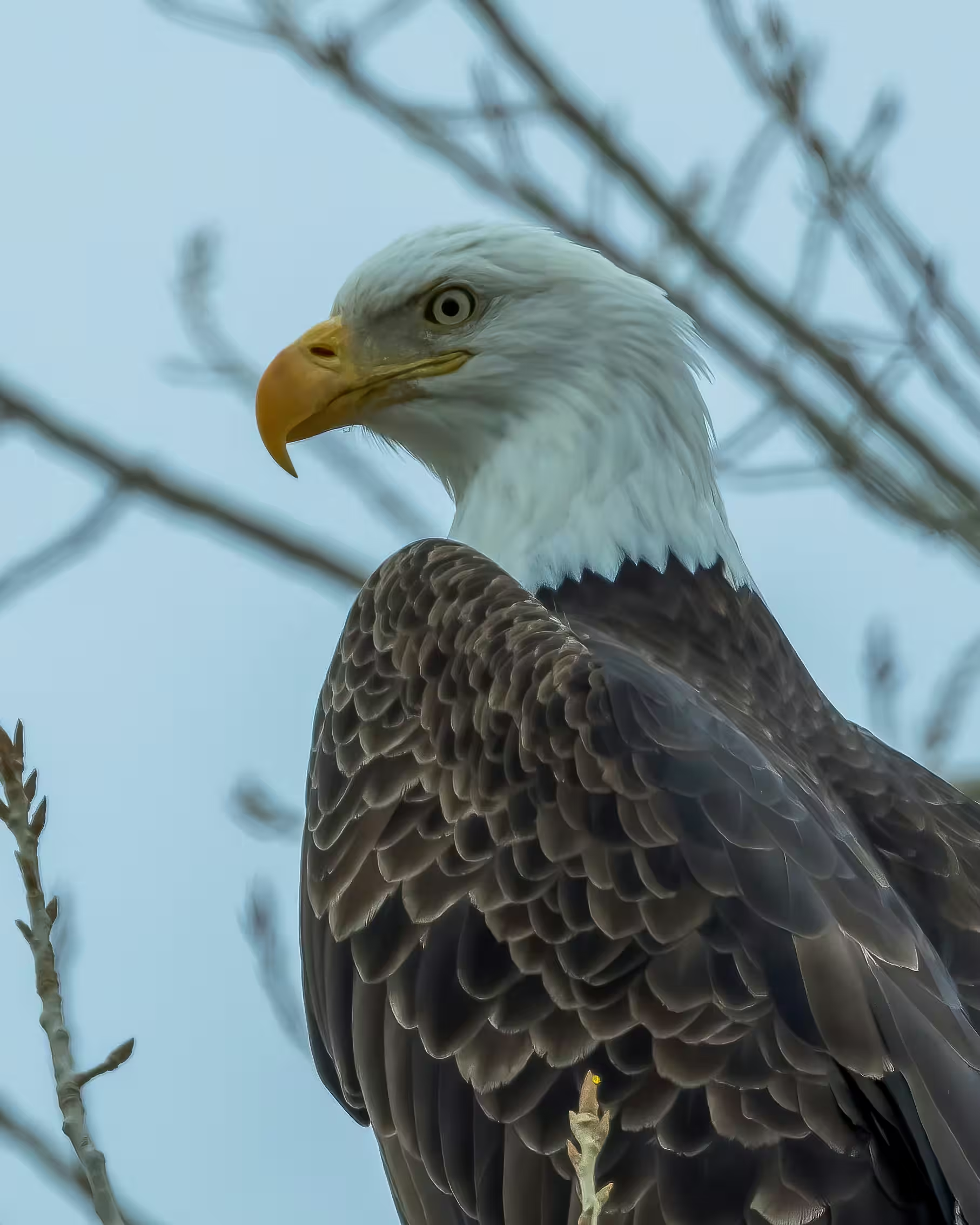
Despite their powerful image, Bald Eagles are not always the most graceful hunters. While they can and do catch fish, they lack the precision of specialist fishers like ospreys. Missed grabs and clumsy splashes are part of the story.
Instead, Bald Eagles often rely on opportunism. Stealing food from other birds—especially ospreys—is common behavior. This strategy, known as kleptoparasitism, allows them to conserve energy while still capitalizing on available meals.
Aging & Common Confusion
Eagle aging adds another layer of confusion for many observers. Juvenile Bald Eagles lack the iconic white head and instead show mottled brown plumage, causing them to be frequently mistaken for Golden Eagles.
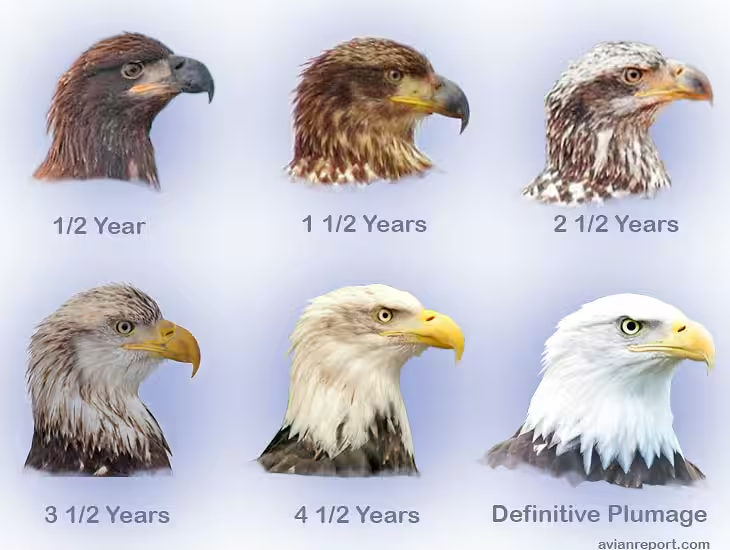
For a deeper breakdown of how juvenile and sub-adult Bald Eagles change over time, see this excellent visual guide by the Avian Report.
Golden Eagle
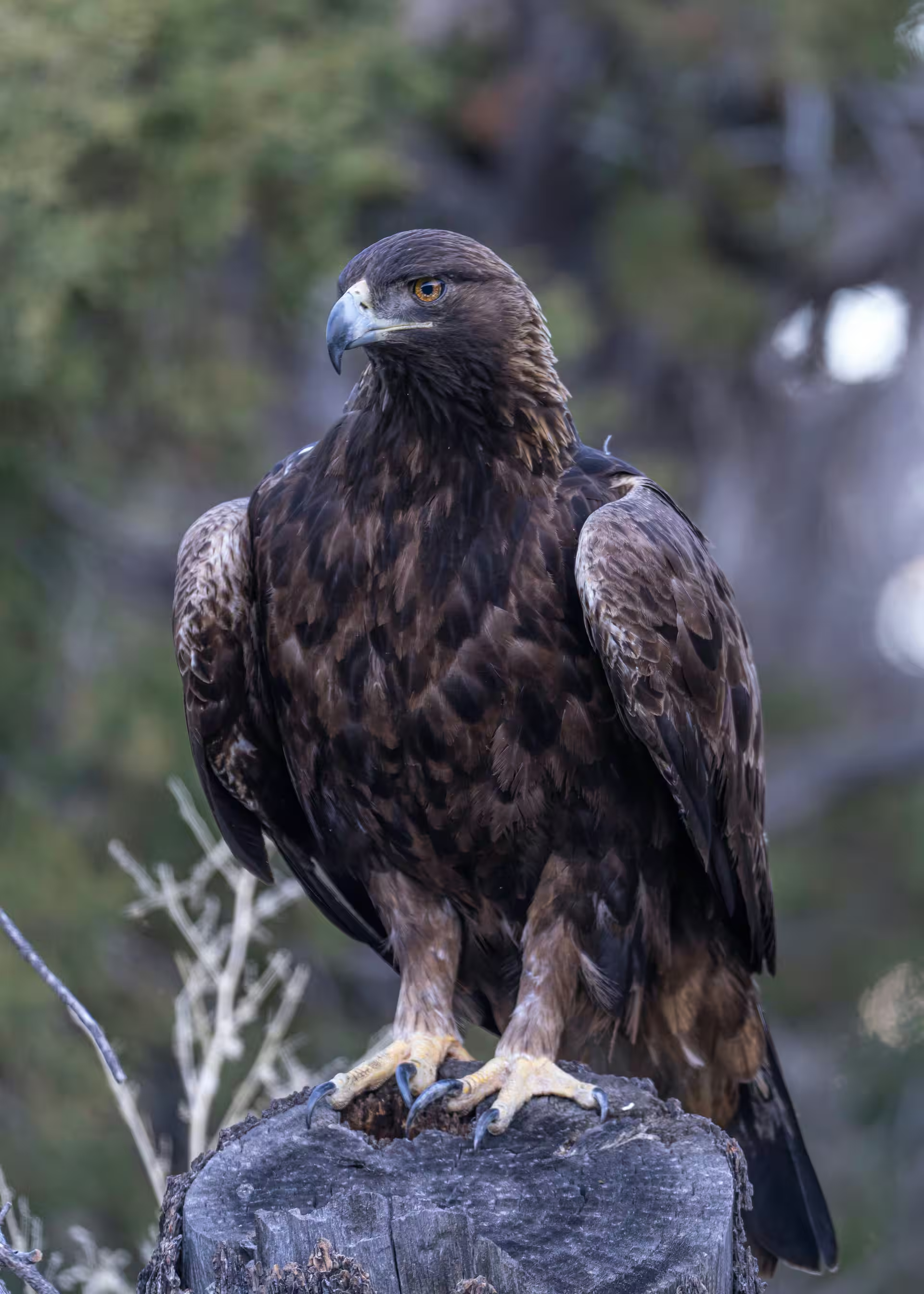
Golden Eagles tell a different ecological story, dominating open landscapes and hunting mammals across Utah’s deserts and foothills. Together, these two species represent very different expressions of apex predation.
With eagles, scale is the lesson. Their flight, posture, and presence all operate at a tempo that sets them apart from smaller raptors. The longer you watch, the more obvious those differences become.
Utah Edition Endcap
Want to keep exploring? You can read more Guides or join the FeatherQuest updates to hear when new ones go live.