
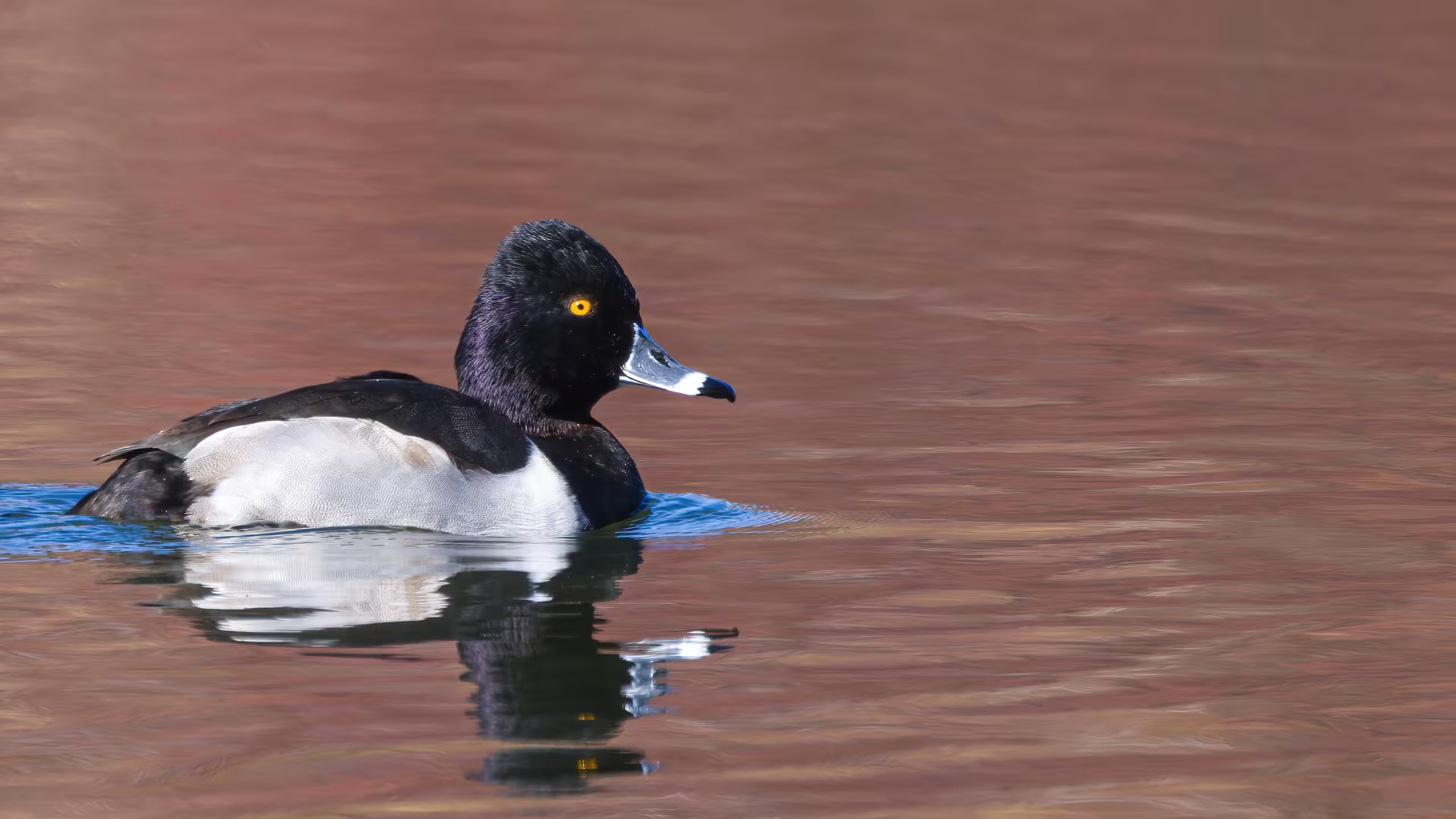
Diving Ducks
Built for depth, not dabbling.
How to Notice Diving Ducks
Where to Find Them
Diving ducks prefer deeper water than dabbling ducks. Look for them on lakes, reservoirs, and wide, slow-moving rivers. They often gather farther from shore, especially when feeding.
What to Watch For
Watch the full dive cycle. Diving ducks lean forward, kick hard, and vanish underwater—then resurface several seconds later, often in a different spot. That resurfacing pattern is one of the easiest clues to notice.
Listen Closely
Diving ducks are generally quiet, but sound still plays a role. Wingbeats in flight, splash patterns during takeoff, and group movement noises can all provide context—especially before birds are clearly visible.
Explore Further
- Canvasback Guide (All About Birds)
- ▶️ Diving Ducks behavior (Kansas Outdoors)
- ▶️ Lesser vs Greater Scaup (Better Birders)
Diving Ducks
Diving ducks are built differently than dabblers. Their bodies sit lower in the water, their legs are set farther back, and nearly everything about them favors propulsion and depth over surface feeding.
Ring-necked Ducks often act as the gateway species—common, approachable, and frequently mixed with other divers. Once you get comfortable with them, nearby species start to separate themselves naturally.
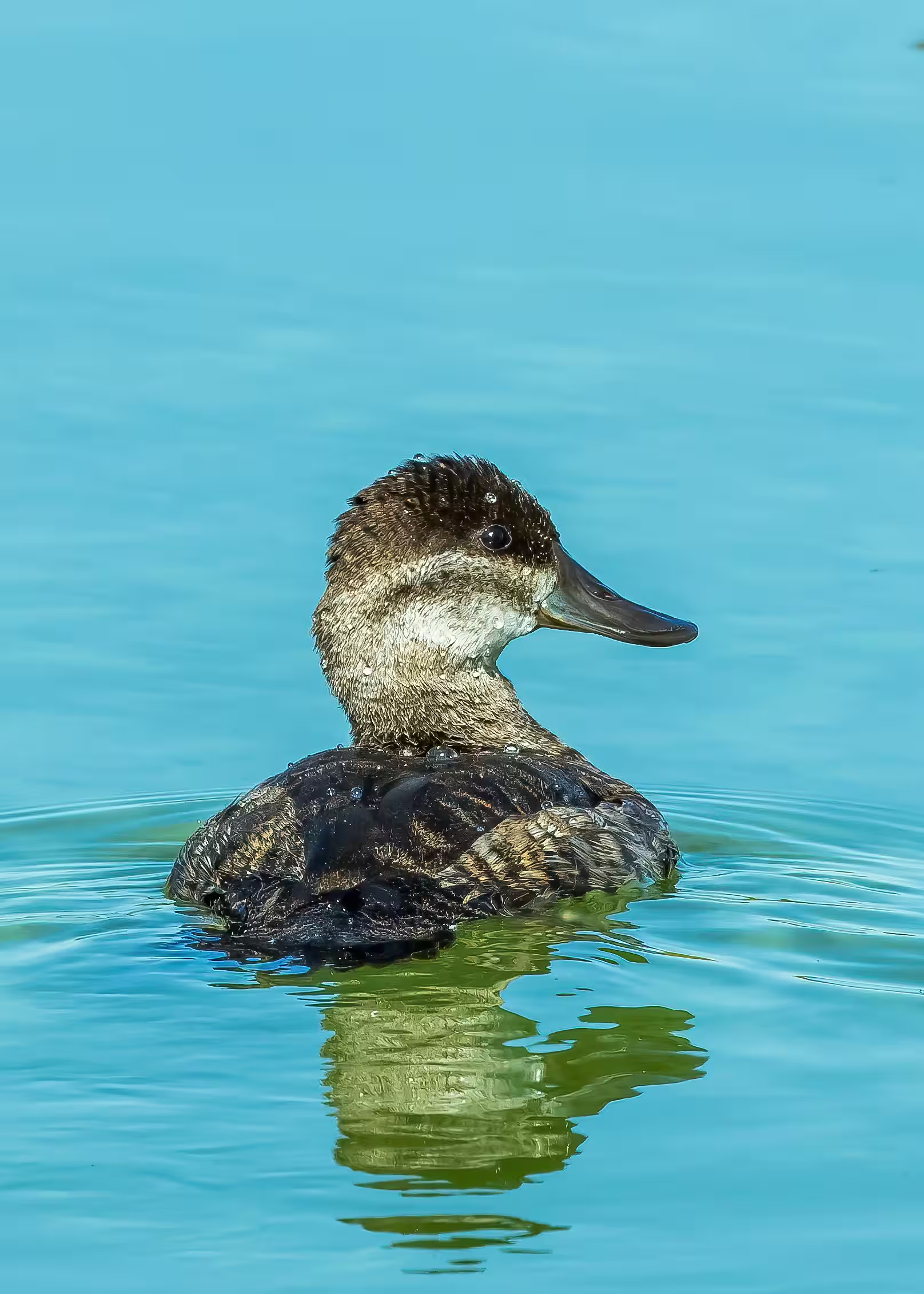
Sexual dimorphism is especially pronounced among diving ducks, and the Ruddy Duck pushes it to an extreme. Males in breeding plumage are unmistakable with their bright blue bills and rich chestnut bodies, while females remain muted and compact—often bobbing stiff-tailed near open water edges.
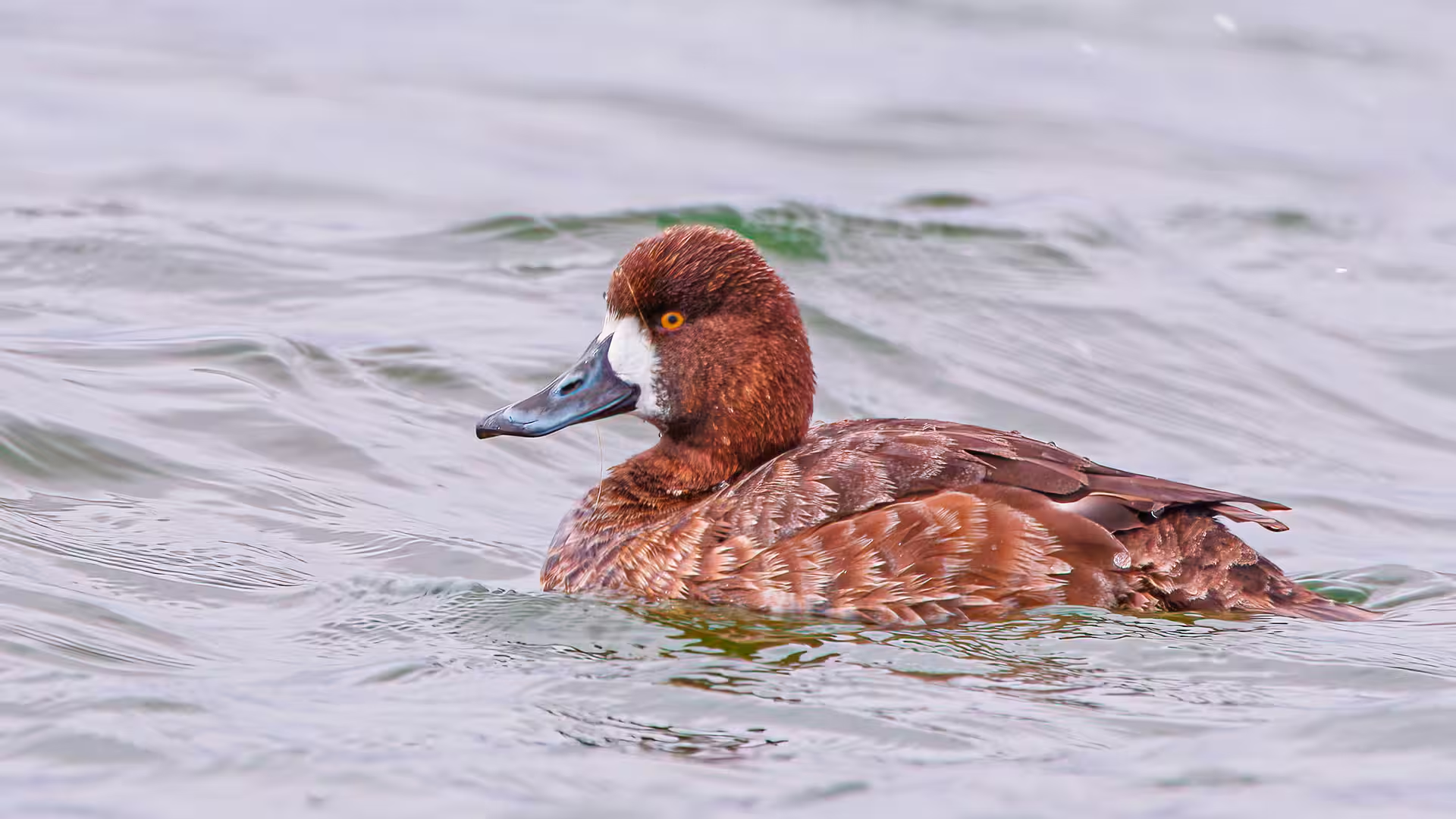
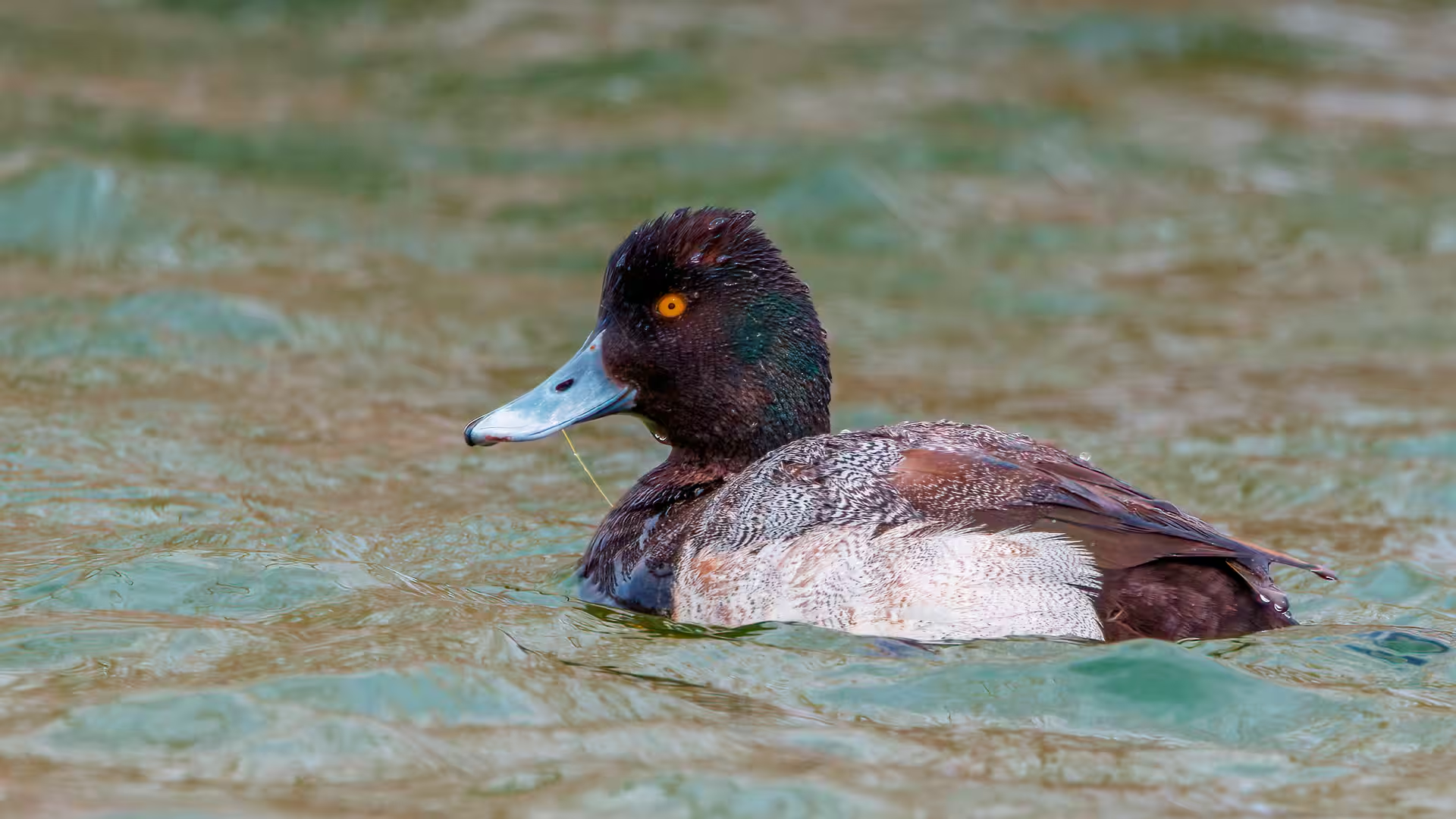
Scaup are famously difficult—and that difficulty is the lesson. Lesser and Greater Scaup overlap in size, plumage, and posture, and even experienced birders hesitate with single views. Rather than searching for one perfect field mark, notice how head shape shifts with posture, how the bill and face pattern read in different light, and where the birds are feeding. Identification often emerges only after time, comparison, and restraint.
With diving ducks, patience is the skill. Let them dive, resurface, and settle. The longer you watch, the clearer their differences become.
Utah Edition Endcap
Want to keep exploring? You can read more Guides or join the FeatherQuest updates to hear when new ones go live.