
Corvids
Big brains. Bold moves. A whole new level of noticing.
Table of Contents
How to Notice Corvids
Where to Find Them
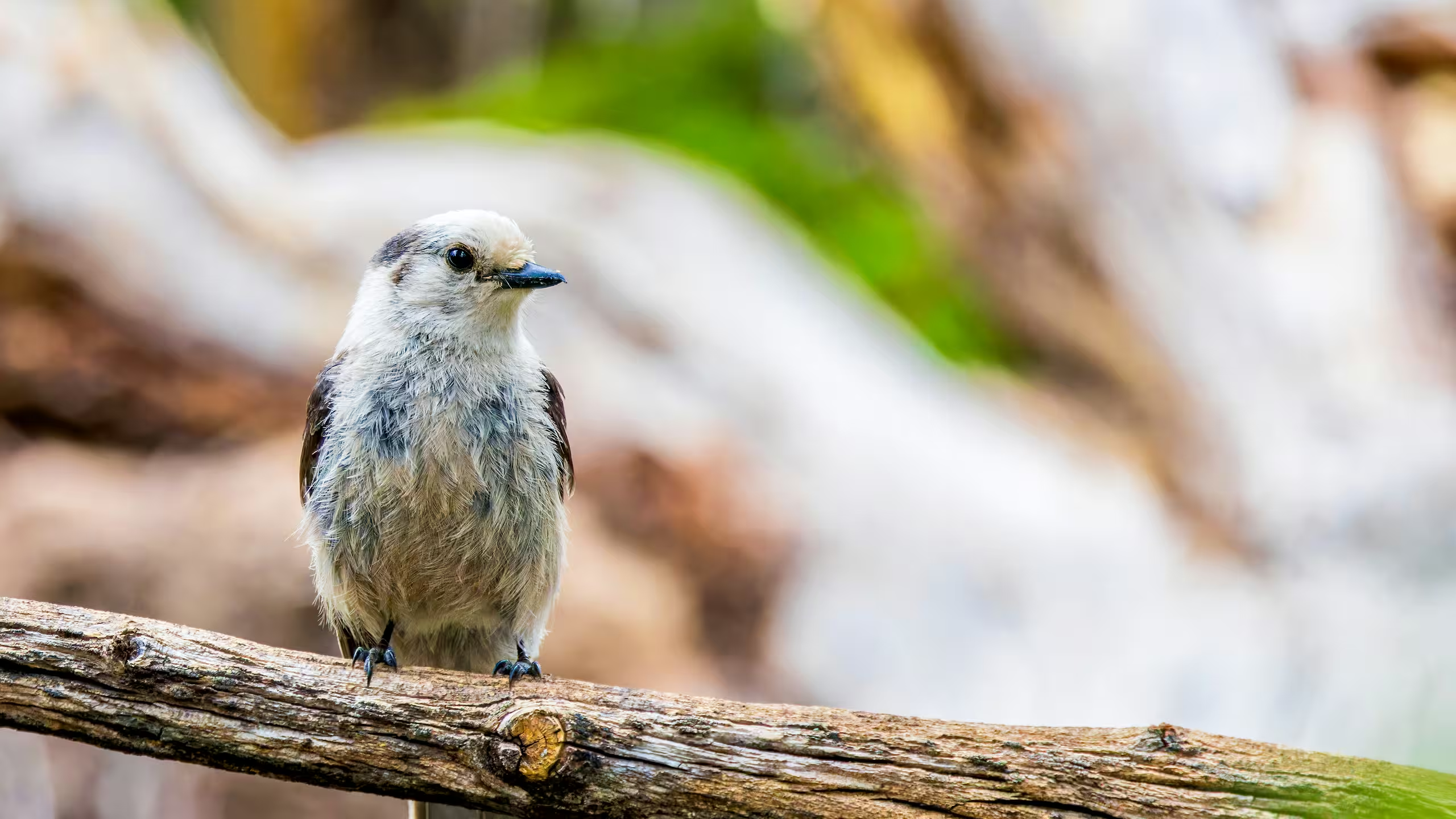
Corvids show up across Utah, but each has a favorite lane. Scrub-Jays and magpies thrive around neighborhoods, farms, edges, and open country with perches. Ravens are everywhere—highways, cliffs, canyons, and wide winter valleys. Clark’s Nutcrackers and Canada Jays tilt mountain—look in higher elevation forests, campgrounds, and trailheads where people (and food opportunities) concentrate.
What to Watch For
Corvids move like they have a plan. Watch for confident hopping, deliberate head turns, and problem-solving behavior—especially around food. If you offer peanuts, you’ll quickly learn how fast they observe, remember patterns, and return with purpose.
Listen Closely
Vocal range is a corvid superpower. Jays bring sharp scolds and rattles; magpies add chatter and harsh calls; ravens go deeper with croaks, knocks, clicks—and sometimes truly weird sounds that don’t feel like “a bird” at all. The more you listen, the more you start hearing personalities instead of just “noise.”
Explore Further
- Common Raven Guide (All About Birds)
- Black-billed Magpie Guide (All About Birds)
- Woodhouse’s Scrub-Jay Guide (All About Birds)
- ▶️ Testing The World's Smartest Crow (Mark Rober)
Corvids
Corvids are the kind of birds that change how you see the whole world. They don’t just survive in Utah—they adapt, learn, and experiment. Once you start noticing corvid behavior, birding stops being “spot and identify” and starts becoming “watch and understand.”
One of my favorite corvid realizations came in Alaska: we heard what sounded like water dripping in the forest and couldn’t figure out what was leaking… until we realized it was ravens mimicking a drip sound. That moment rewired my brain a little. These birds are operating with a bigger toolset than I ever assumed.
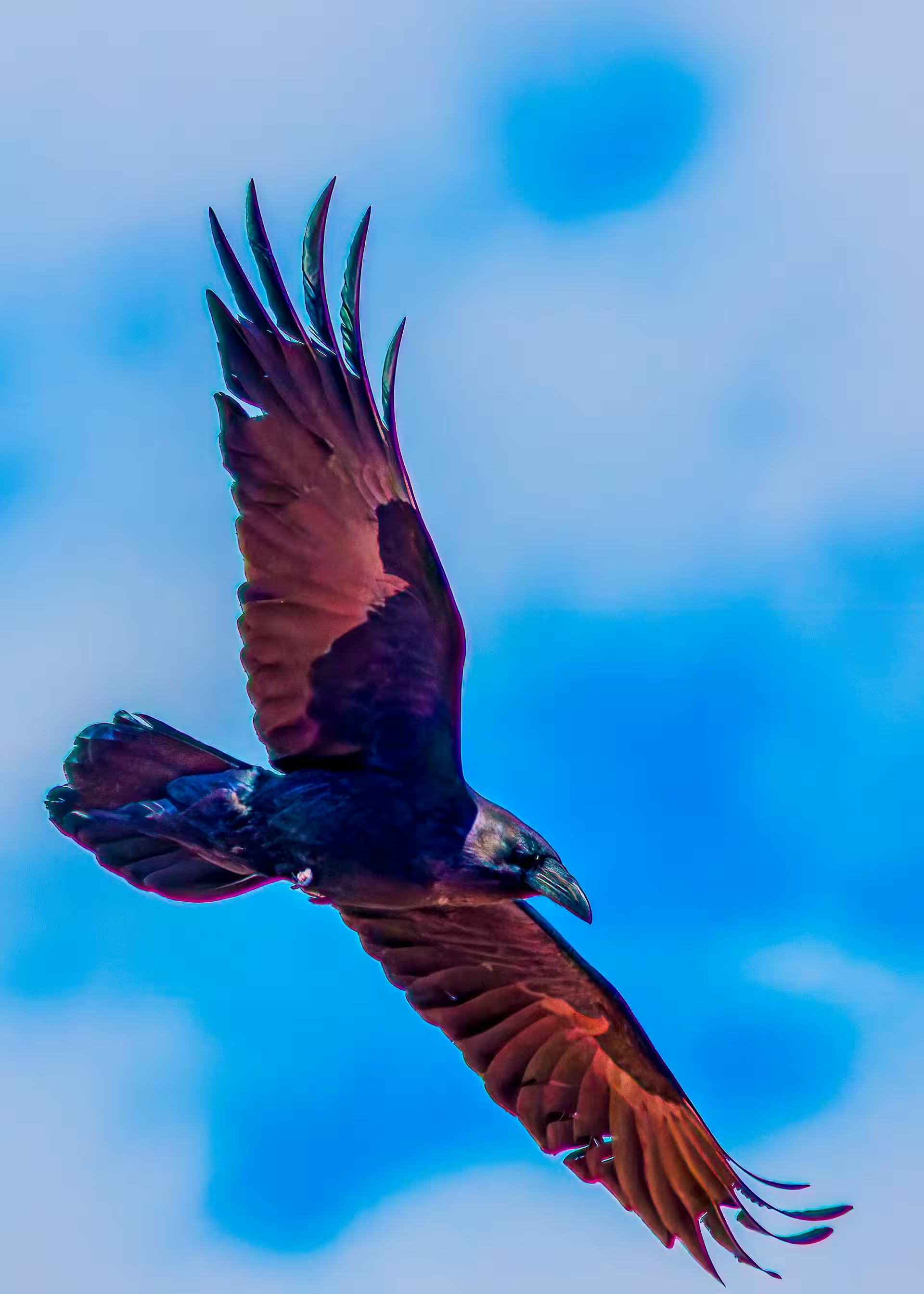
If you want one practical ID upgrade this week: learn raven vs crow by shape and sound. Ravens are usually larger with a heavier bill and deeper voice—but the easiest field clue is often the tail. In flight, ravens tend to show a wedged or diamond-shaped tail, while crows look more rounded or fan-tailed. In Utah, ravens are often the default—especially away from dense city cores.
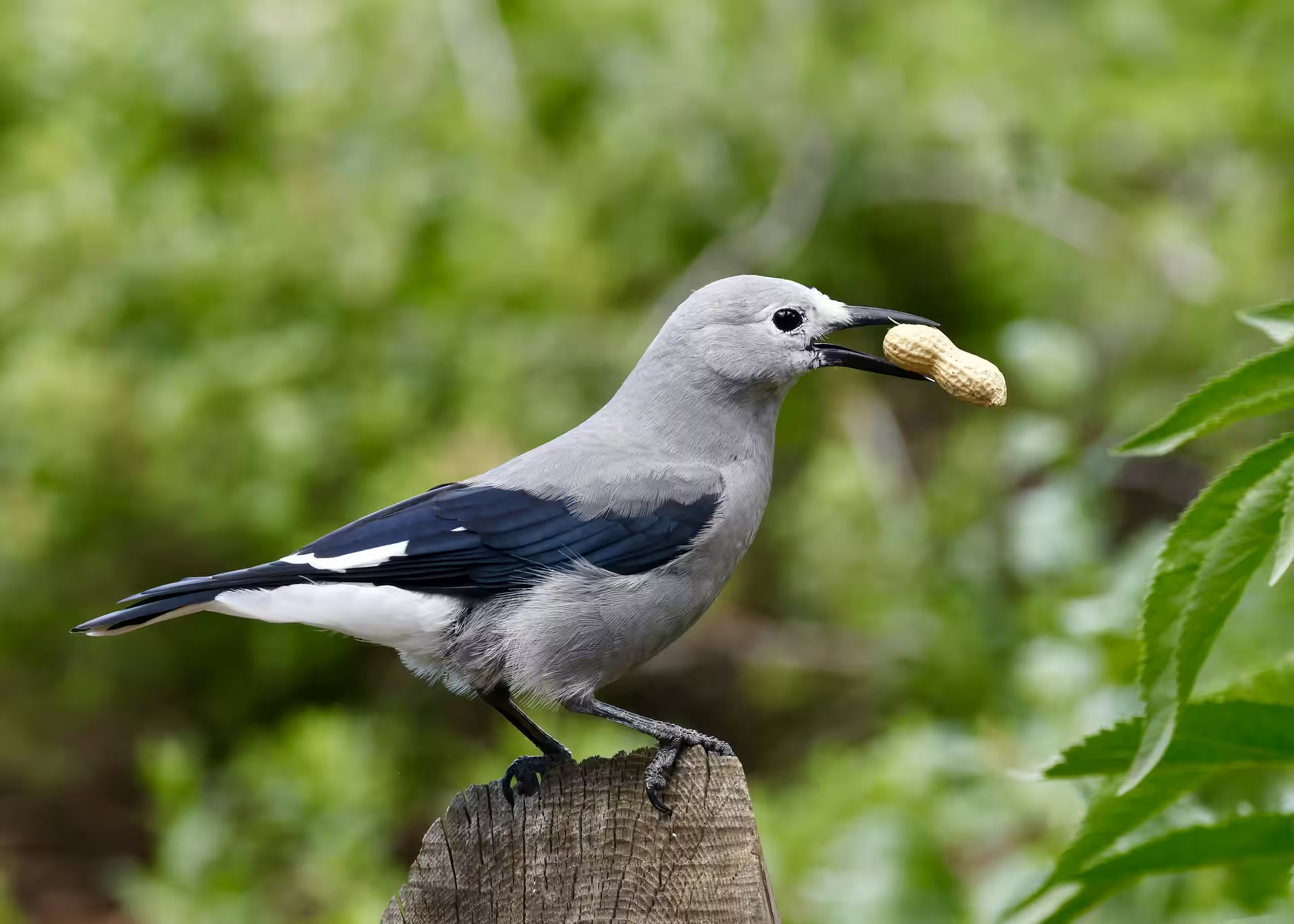
And then there’s the food genius side of corvids. Clark’s Nutcrackers, jays, and crows don’t just eat—they store. The peanut obsession is real, and once you notice how quickly they pattern-match your behavior, you start treating them less like background birds and more like clever neighbors.
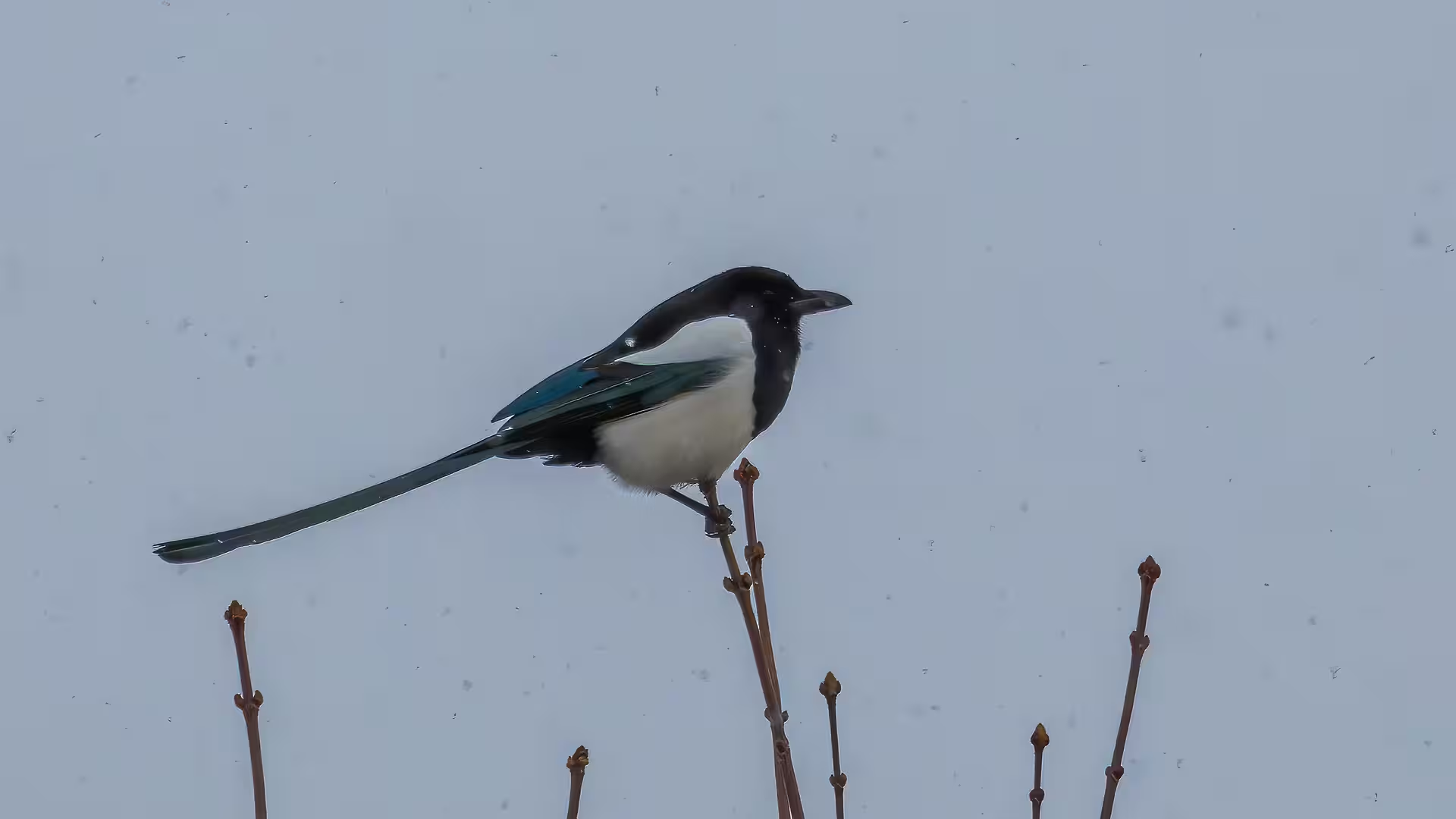
If magpies live where you bird, they’re often one of the first corvids you really start to *notice*. That long tail is hard to miss, especially when they fly—flashing black and white as they move confidently across open space. For many birders, magpies become a familiar presence early on, helping train your eye to notice shape and movement long before you’re worrying about fine field marks.
Utah Edition Endcap
Want to keep exploring? You can read more Guides or join the FeatherQuest updates to hear when new ones go live.