
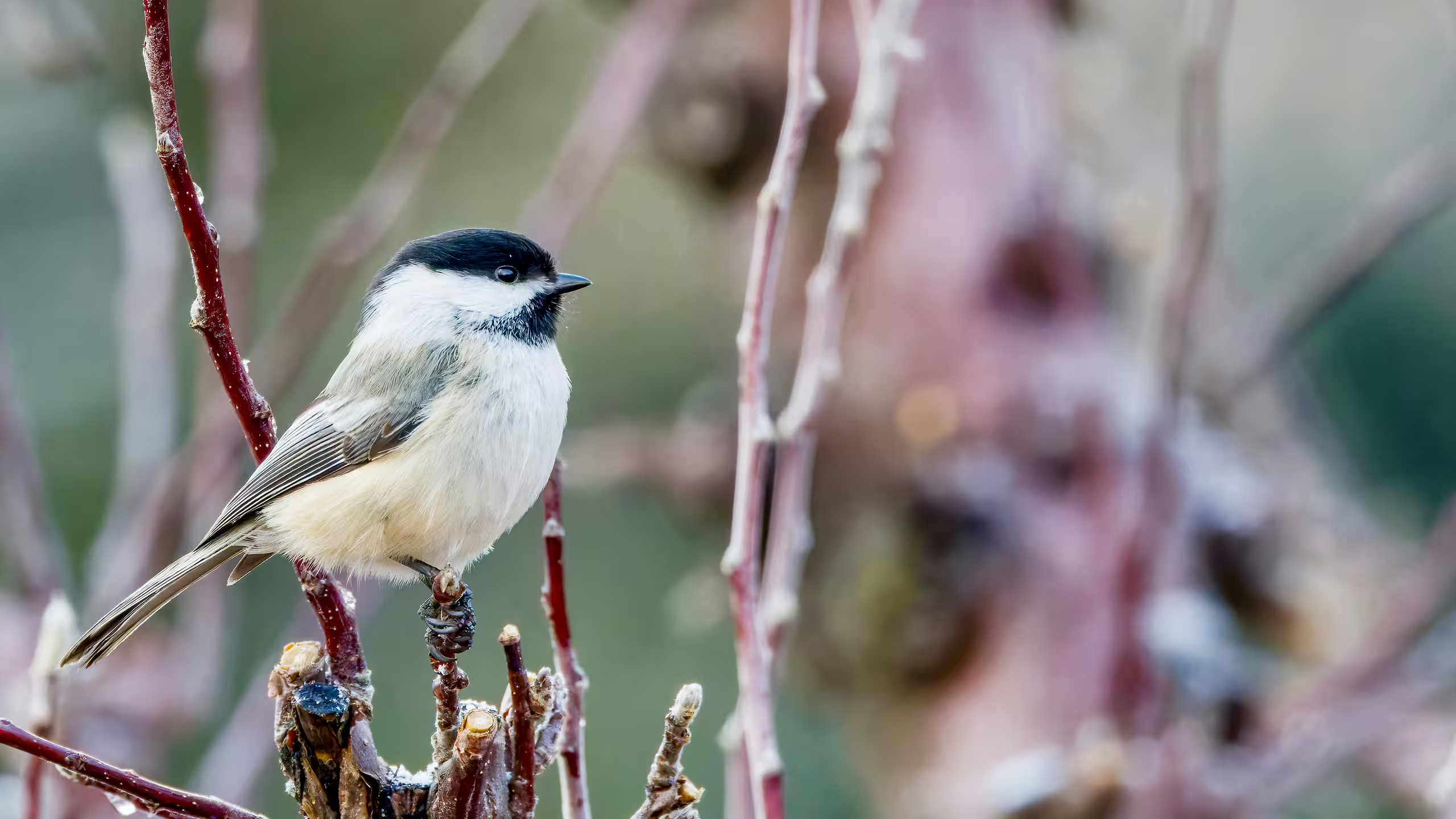
Chickadees & Titmice
Once you notice them, you hear them everywhere.
Table of Contents
How to Notice Chickadees and Titmice
Where to Find Them
Chickadees and titmice are often right where people already are. Look for them at eye level in trees and shrubs, along forest edges, neighborhood parks, and backyard feeders. In Utah, chickadees are especially visible in winter, when bare branches make movement easier to spot.
What to Watch For
Watch for constant motion and quick pauses. These birds hop branch to branch, stopping just long enough to look around. Often, one bird’s alertness will ripple through the group before you notice what caused it.
Listen Closely
Chickadees and titmice are almost always talking. Their calls shift with mood and situation—calm chatter, sharper alarms, or curious check-ins. You don’t need to name the sounds yet; just notice when they change and what’s happening around you.
Explore Further
Want to keep going? These resources are here if you’d like to explore chickadees and titmice a little more deeply.
- Chickadee Guide (All About Birds)
- Titmice Guide (All About Birds)
- ▶️ Chickadee Calls (Lesley the Bird Nerd)
Chickadees & Titmice
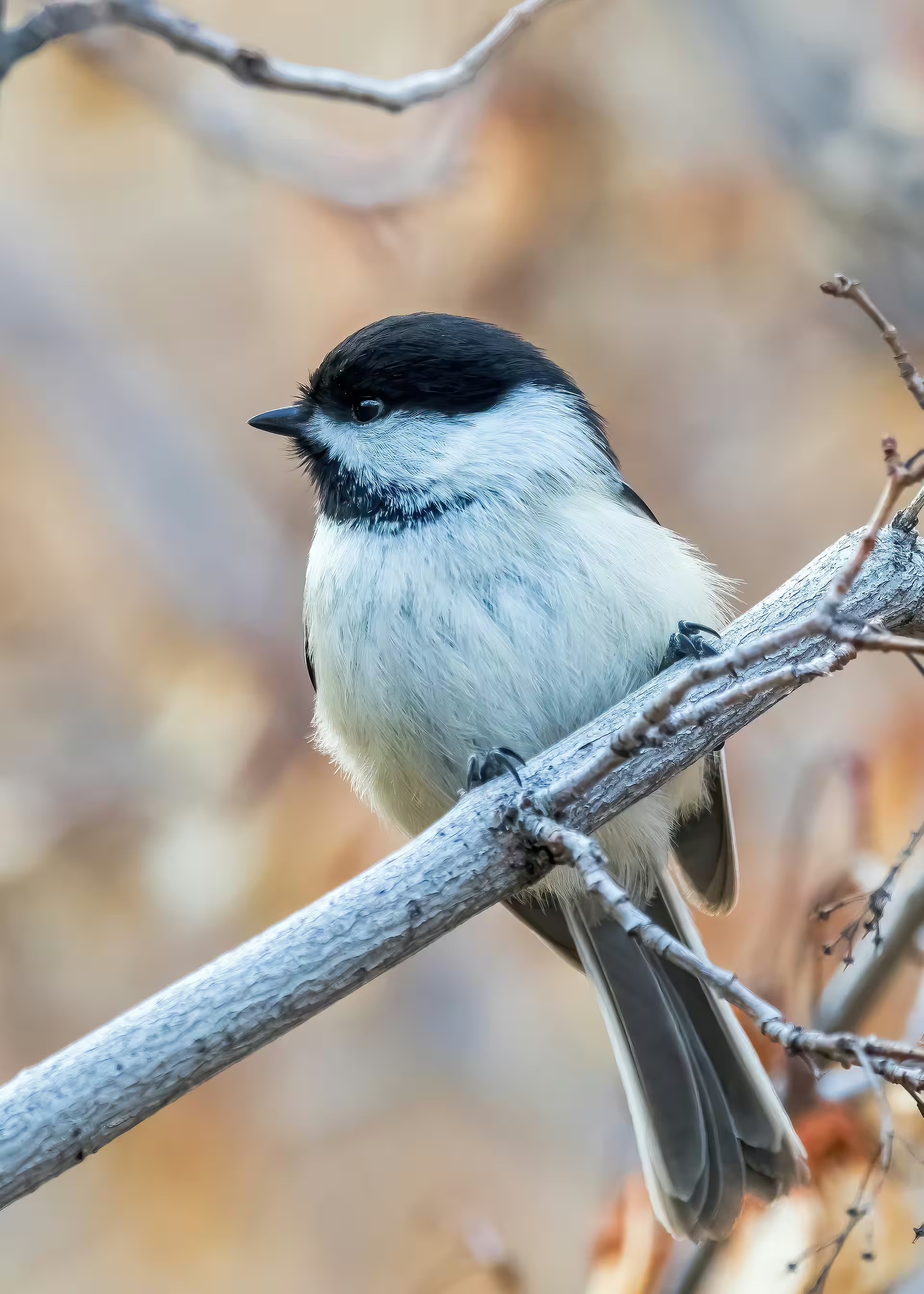
Chickadees and titmice share a similar size, energy, and role in the landscape. They’re often encountered in the same places, moving through trees and shrubs with confidence and curiosity. For many birders, chickadees are the gateway—easy to notice and quick to engage.
Titmice, by contrast, can feel more subtle and regional in Utah, appearing less predictably and rewarding patience. Grouping them together reduces pressure and keeps the focus on noticing behavior rather than separating species too early.
Utah Edition Endcap
Want to keep exploring? You can read more Guides or join the FeatherQuest updates to hear when new ones go live.